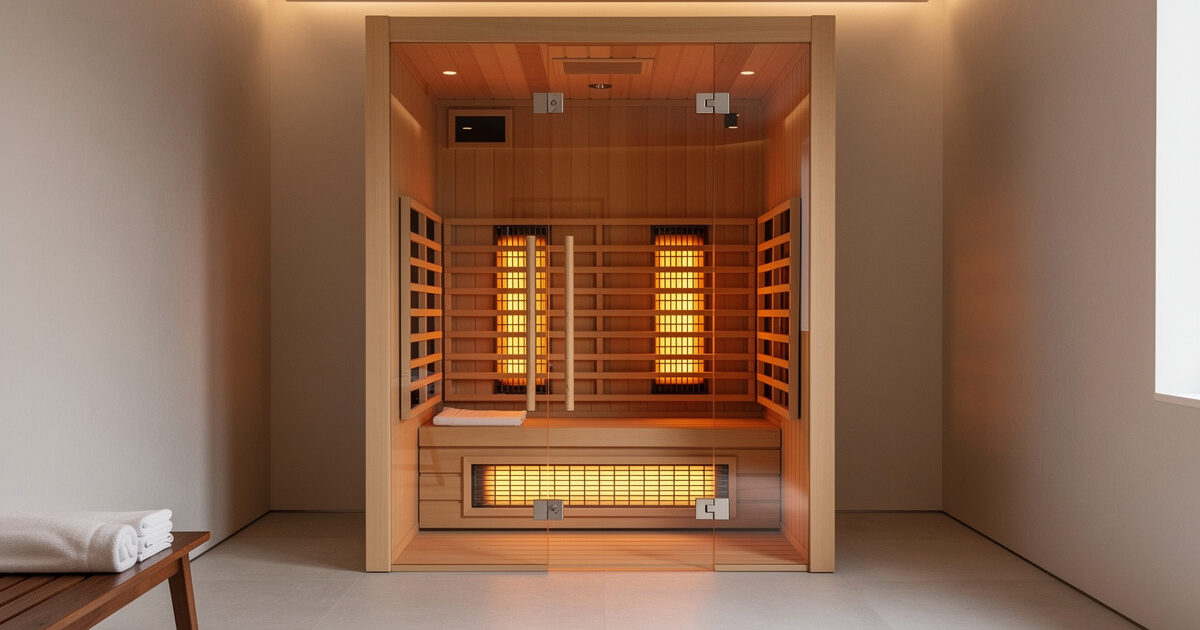
Infrared saunas deliver real, science-backed health benefits — and you do not need a spa membership or a $10,000 build-out to experience them at home. This comprehensive guide covers everything from how infrared heat works to choosing your first sauna, setting it up, and using it safely. Whether you are a complete beginner or ready to buy, you will find the answers you need.
What Is an Infrared Sauna and How Does It Work?
An infrared sauna uses light to create heat, rather than warming the air around you. Traditional saunas heat the air to 150-195°F, which then warms your body. Infrared saunas use invisible light waves that penetrate your skin and heat your body directly at temperatures of 120-150°F.
The technology relies on the electromagnetic spectrum. Infrared light sits just beyond visible red light, at wavelengths longer than what our eyes can see but shorter than radio waves. When these waves hit your body, they are absorbed and converted to heat, raising your core temperature and triggering the same physiological responses as a traditional sauna — sweating, increased heart rate, and circulation changes — but at lower ambient temperatures.
Why Lower Temperature Matters
The lower operating temperature of infrared saunas creates several advantages:
- Longer sessions: Most people can comfortably stay in an infrared sauna for 20-45 minutes, compared to 10-20 minutes in a traditional sauna
- Earlier sweat response: Because the heat penetrates directly, you start sweating sooner
- Better tolerance: People who find traditional saunas overwhelming often enjoy infrared sessions
- Lower energy costs: Heating to 140°F uses significantly less electricity than heating to 190°F
A Brief History: From NASA Research to Mainstream Wellness
The therapeutic use of infrared light began not in luxury spas, but in space. During the 1960s, NASA researchers explored infrared technology for astronaut health management in space stations. They discovered that specific wavelengths of infrared light supported cellular repair and cardiovascular conditioning in zero-gravity environments.
By the 1970s, Japanese researchers began studying far-infrared therapy for cardiovascular health. Dr. Toshiko Yamazaki documented how far-infrared treatments improved circulation and reduced blood pressure in clinical settings. This research laid the groundwork for understanding how controlled infrared exposure could support human health.
The first infrared saunas for home use appeared in the late 1970s and early 1980s, primarily in Japan and later spreading to Europe and North America. Early models used ceramic heating elements and were expensive, niche products. The technology remained relatively obscure until the 2000s, when carbon fiber heating panels emerged, making production more affordable and energy-efficient.
Today, the infrared sauna market has exploded beyond initial expectations. What was once a $5,000+ luxury item is now available for under $1,000. Modern manufacturing, direct-to-consumer brands, and improved heating technology have made infrared saunas accessible to homeowners, apartment dwellers, and wellness enthusiasts at every budget level. The global infrared sauna market reached $1.2 billion in 2025, reflecting mainstream adoption.
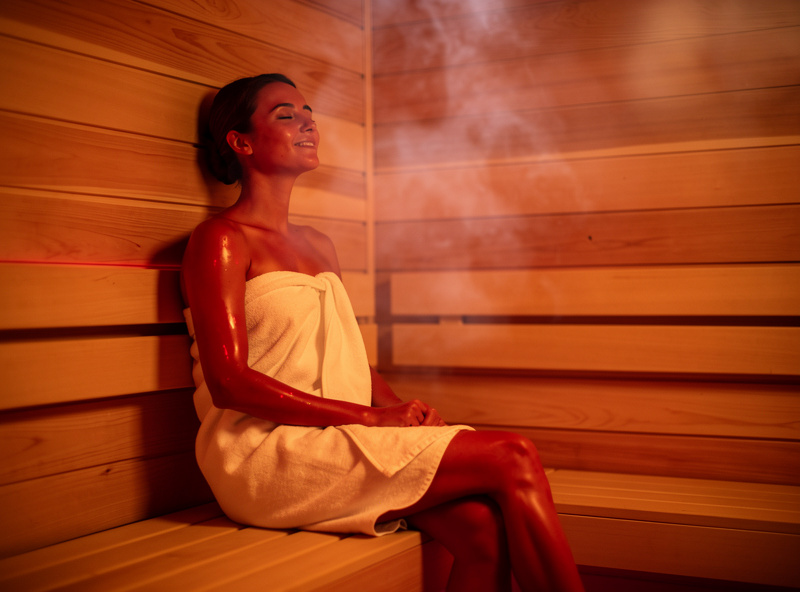
The 3 Types of Infrared: Understanding the Spectrum
Not all infrared is the same. The infrared spectrum is divided into three main categories based on wavelength, each with different penetration depths and therapeutic effects:
Near Infrared (NIR: 700-1400nm)
Near infrared penetrates the skin surface and reaches cells just beneath. This wavelength overlaps with red light therapy and is primarily associated with:
- Skin health and collagen production
- Wound healing and tissue repair
- Anti-aging effects on skin appearance
- Cellular energy production (ATP stimulation)
For the dedicated photobiomodulation format that combines infrared sauna heat with 660nm and 850nm LED panels in a single cabin, see our red light sauna hub. The red light vs infrared sauna comparison walks through the wavelength and mechanism differences in detail.
Mid Infrared (MIR: 1400-3000nm)
Mid infrared penetrates deeper into soft tissue and is less commonly found as a standalone option. Its primary benefits include:
- Improved circulation to muscles
- Pain relief for soft tissue injuries
- Enhanced blood flow to joints
Far Infrared (FIR: 3000nm-1mm)
Far infrared penetrates deepest, reaching into your core body. This is the most researched and most common type found in home saunas. Benefits include:
- Deep detoxification through sweat
- Cardiovascular conditioning
- Core body temperature increase
- Caloric expenditure and metabolism support
Full spectrum saunas combine all three wavelengths in one unit, claiming to deliver the complete range of benefits. These are typically premium-priced options. For a detailed breakdown of which type matches your specific health goals, see our complete guide to near vs far vs full spectrum infrared saunas.
The Top 5 Proven Health Benefits (Overview)
Infrared sauna benefits are some of the most researched in the wellness world. While marketing sometimes exaggerates claims, solid science supports several key benefits:
1. Cardiovascular Health
Regular infrared sauna use mimics the effects of moderate exercise on your cardiovascular system. Studies show it can reduce blood pressure, improve heart rate variability, and enhance circulation. A 2018 study published in the journal Complementary Therapies in Medicine found that regular sauna use reduced cardiovascular disease risk factors in participants with existing heart conditions. For condition-specific evidence by diagnosis, see the infrared sauna for health conditions hub, including the deep-dive on blood pressure.
2. Pain Relief and Muscle Recovery
The deep heat penetration helps relax muscles, reduce inflammation, and alleviate chronic pain conditions. Research from Japan and Finland has demonstrated benefits for arthritis, fibromyalgia, and muscle soreness after exercise. Many athletes now use infrared saunas as part of their recovery protocol. The condition-specific deep dives cover arthritis, fibromyalgia, and chronic pain in detail.
3. Stress Reduction and Mental Health
The heat triggers the release of endorphins and reduces cortisol levels. The quiet, warm environment provides a natural meditation space. Studies suggest regular use may help with anxiety, depression symptoms, and overall stress management.
4. Skin Health
Near infrared light specifically supports collagen production and cellular repair. Users often report improved skin tone, reduced acne, and faster healing of skin conditions. The sweating process also helps clear pores.
5. Detoxification Support
While the body naturally detoxifies through liver and kidneys, sweating can help eliminate certain environmental toxins. Studies have detected heavy metals and BPA in sweat, suggesting infrared-induced sweating may support the body’s natural detox processes. The full evidence-based detox framework — including the 12-week protocol, sweat composition data, lymphatic support, and heavy metal-specific binders — lives in our infrared sauna detox hub and the 30-day starter protocol guide.
For the complete science behind all ten major benefits, including detailed research citations and what is proven versus what is marketing hype, read our infrared sauna benefits guide backed by 2026 research.
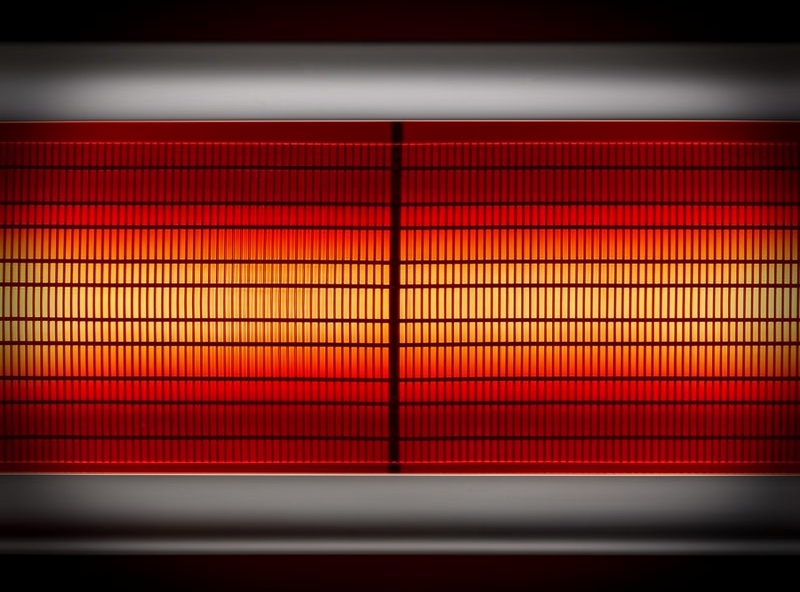
Infrared Sauna vs Traditional Sauna: The Key Differences
Understanding how infrared differs from traditional saunas helps you make an informed choice:
| Factor | Infrared Sauna | Traditional Sauna |
|---|---|---|
| Operating Temperature | 120-150°F (49-65°C) | 150-195°F (65-90°C) |
| Heating Method | Radiant heat (light waves) | Convection heat (hot air/steam) |
| Heat-up Time | 10-15 minutes | 30-45 minutes |
| Session Duration | 20-45 minutes | 10-20 minutes |
| Humidity | Low (dry heat) | Variable (can add steam) |
| Electrical Needs | Standard 120V outlet | Often requires 240V |
| Installation | Plug-and-play, portable options | Usually permanent installation |
| Cost Range | $1,000-$6,000 | $3,000-$15,000+ |
| Monthly Energy Cost | $10-$20 | $25-$50 |
Neither is objectively “better” — they offer different experiences. Traditional saunas provide an intense, social, cultural experience rooted in centuries of practice. Infrared saunas offer convenience, accessibility, and specific therapeutic wavelengths that traditional saunas cannot replicate.
Infrared also splits across formats. For renters, frequent travelers, or anyone wanting zero permanent footprint, see our portable infrared sauna hub covering blankets, pop-up tents, sauna boxes, and DIY near-IR lamp setups. The full sauna blanket vs cabin decision guide walks through which format wins for each buyer profile.
For a detailed side-by-side comparison including which option suits different lifestyles, health conditions, and budgets, see our complete infrared vs traditional sauna comparison.
How to Choose Your First Infrared Sauna
With dozens of brands and hundreds of models available, selecting your first infrared sauna can feel overwhelming. Here is a decision framework based on the most important factors:
Size and Capacity
Consider who will use the sauna and how often:
- 1-person (3×3 feet): Compact, fits in most bedrooms or bathrooms, lowest cost
- 2-person (4×4 feet): Comfortable for couples, good value for shared use
- 3-4 person (5×5 feet or larger): Family use, requires dedicated space
The full infrared sauna sizes hub compares 1, 2, 3, and 4-person cabins on real footprint, power draw, heat-up time, and price across all major brands. Couples should also see the best 2-person infrared saunas for couples roundup before ordering.
Infrared Type
Match the technology to your primary goals:
- Far infrared only: Best for detox, weight loss, cardiovascular benefits. Most affordable and well-researched.
- Full spectrum (NIR+MIR+FIR): Best for skin health, wound healing, and comprehensive therapy. Premium pricing.
- Near infrared focus: Best for skin conditions, anti-aging, localized treatment.
Heating Technology
The heating elements matter for efficiency and safety:
- Carbon fiber panels: Even heat distribution, lower surface temperature, energy efficient, most common in modern saunas
- Ceramic rods: Higher surface temperature, more intense heat, can create hot spots
- Hybrid systems: Combine both for optimal performance
Wood Quality
The wood type affects durability, smell, and aesthetics:
- Canadian Hemlock: Affordable, non-toxic, holds up well
- Canadian Red Cedar: Natural aromatic oils resist bacteria, premium pricing
- Basswood: Hypoallergenic option for sensitive individuals
- Aspen: Non-aromatic, good for commercial settings
EMF Levels
Electromagnetic field exposure is a valid concern. Look for:
- Third-party EMF testing results
- Low-EMF or ultra-low-EMF heating elements
- Certifications from independent labs
Warranty and Support
A quality sauna should come with:
- At least 5-year warranty on heating elements
- Responsive customer support
- Clear assembly instructions
- Replacement parts availability
For our top recommendations in every category, ranked by real-world testing and user feedback, see our best infrared saunas for home use 2026 guide. For brand-by-brand reviews comparing Sunlighten, Clearlight, HigherDose, and seven other manufacturers, see our top 10 infrared sauna brands.
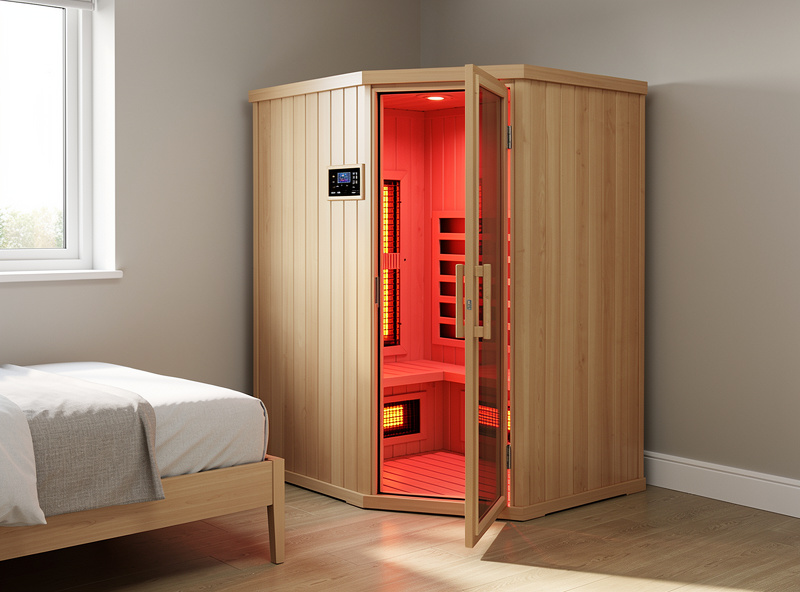
Setting Up Your Infrared Sauna at Home
One of the biggest advantages of infrared saunas is their home-friendliness. Most models require minimal installation and can be set up by two people in 1-2 hours.
Space Requirements
Before ordering, measure your intended location:
- Floor space for the sauna unit itself
- 6 inches clearance from walls for ventilation
- Ceiling height of at least 7 feet
- Doorway width (most saunas ship in panels that fit through standard doors)
Electrical Needs
Most home infrared saunas are designed for standard outlets:
- 1-2 person units: Standard 120V, 15-amp outlet
- 3-4 person units: May require 240V, dedicated circuit
- Calculate your running costs: total watts × hours of use × your local electricity rate per kWh
For the full home installation framework — placement, electrical, ventilation, top brands, and the indoor-vs-outdoor decision matrix — see our home infrared sauna setup and buying guide. The detailed cost and ROI breakdown lives in our cost, power, and ROI guide.
Location Options
The best location balances convenience, privacy, and practical considerations:
- Spare bedroom: Easiest, climate-controlled, private
- Basement: Cool ambient temperature helps performance, often has space
- Bathroom: Convenient post-shower, but consider moisture
- Garage: Good if insulated and climate-controlled
- Outdoor covered patio: Possible with weather-resistant models — see our outdoor infrared sauna setup and buying guide for cabin specs, foundation, and electrical requirements
Assembly Process
Most infrared saunas arrive as modular panels that snap together:
- Unbox and inventory all parts
- Assemble the floor panel first
- Connect side panels to floor
- Install back panel
- Mount heating panels and wiring
- Install door and roof
- Plug in and test
For a complete walkthrough including ventilation requirements, flooring recommendations, and cost calculators, see our step-by-step home setup guide.
Safety Essentials: What You Need to Know
Infrared saunas are safe for most people when used correctly, but understanding the risks ensures you get benefits without problems.
Who Should Avoid Infrared Saunas
Consult your doctor before use if you:
- Are pregnant
- Have unstable cardiovascular conditions
- Take blood thinners or medications affected by heat
- Have heat sensitivity disorders
- Are under 12 years old
- Have an active infection or fever
Proper Session Protocol
Build up gradually:
- Beginners: Start at 120°F for 15 minutes
- Intermediate: 135°F for 25-30 minutes
- Experienced: 145-150°F for 30-45 minutes
- Frequency: 3-4 times per week, daily use is fine for most
Hydration and Recovery
- Drink 16-20 ounces of water before your session
- Bring water into the sauna
- Replenish electrolytes and minerals afterward (coconut water or electrolyte supplements)
- Wait 30 minutes after eating before using the sauna
- Cool down gradually — avoid cold showers immediately after your session to prevent thermal shock
Warning Signs to Stop
Exit the sauna immediately if you experience:
- Dizziness or lightheadedness
- Nausea
- Rapid heartbeat that feels uncomfortable
- Headache
- Difficulty breathing or chest tightness
For comprehensive safety guidelines, EMF concerns, contraindications, and what to expect during your first sessions, read our complete infrared sauna safety guide.
Frequently Asked Questions
What is an infrared sauna?
An infrared sauna uses invisible light waves to heat your body directly at 120-150°F, rather than heating the air like traditional saunas. The infrared light penetrates skin and raises core temperature, triggering sweating and cardiovascular responses at lower ambient temperatures than conventional saunas.
How long should a beginner use an infrared sauna?
Beginners should start with 15-minute sessions at 120°F and gradually increase to 25-30 minutes over 2-3 weeks. Most experienced users sessions last 30-45 minutes at 135-150°F. Never exceed 45 minutes per session, and always hydrate before, during, and after.
How much does a home infrared sauna cost?
Home infrared saunas range from $200 for sauna blankets to $6,000+ for premium full-spectrum cabin models. Quality 1-2 person far infrared saunas start around $1,000-1,500. Monthly operating costs average $10-20 on a standard 120V outlet.
What is the difference between near, mid, and far infrared?
Near infrared (700-1400nm) works on skin surface for collagen and wound healing. Mid infrared (1400-3000nm) penetrates soft tissue for pain relief and circulation. Far infrared (3000nm-1mm) reaches deepest for detox, cardiovascular benefits, and core heating. Full spectrum combines all three.
Are infrared saunas safe?
Infrared saunas are safe for most healthy adults when used correctly. Stay hydrated, start with shorter sessions, and avoid use if pregnant, on blood thinners, or with unstable heart conditions. Consult your doctor if you have medical concerns before starting.
Should I shower after an infrared sauna?
Yes, shower within a few minutes using warm water to rinse off sweat containing toxins and heavy metals. This prevents skin reabsorption. Some users finish with a cold rinse for additional circulation benefits. Rehydrate with water or electrolyte drinks immediately.
Can I use my phone in an infrared sauna?
It is not recommended. Even at 130°F, prolonged heat exposure damages phone batteries and screens. Modern electronics are rated for ambient temperatures below sauna operating temps. Use the session as a digital detox opportunity instead.
Related Guides
Continue your infrared sauna education with these in-depth guides:
- 10 Science-Backed Infrared Sauna Benefits
- Infrared vs Traditional Sauna Comparison
- Near vs Far vs Full Spectrum Infrared
- How to Choose the Best Infrared Sauna
- Home Installation Guide
- What to Expect Your First 30 Days
- Health Benefits by Body System
- Infrared Sauna Pros and Cons
- Full Spectrum Infrared Benefits
- Far Infrared Sauna Benefits
- Best Infrared Saunas Under $1,000
- Best Infrared Sauna Brands 2026: Top 10 Compared