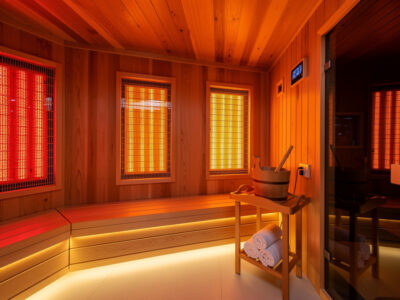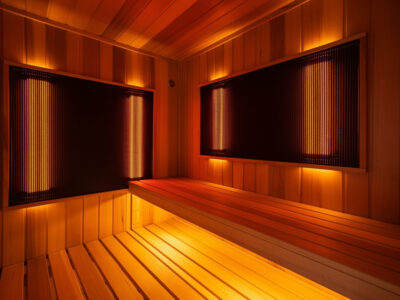
Infrared saunas have become one of the most studied wellness therapies of the past two decades. From cardiovascular research in Finland to pain management studies in Japan, scientists have documented measurable effects on everything from blood pressure to chronic pain. This guide examines ten benefits with actual research citations, distinguishing between what is proven, what is promising, and what remains marketing hype.
Important disclaimer: This article summarizes published research for educational purposes. It is not medical advice. Always consult a healthcare provider before beginning sauna therapy, especially if you have pre-existing conditions. Research represents population-level findings; individual results vary.
A note on how I write these. I’ve run an infrared cabin through years of Swedish winters and metered, weighed, and logged my own sessions — so I’m not a curious outsider here. But I’m also not a doctor, and I have no interest in selling you a miracle. So for each of the ten benefits below I’ve split the evidence three ways: what’s genuinely proven, what’s promising but unsettled, and what’s flat-out marketing hype. The honest pattern you’ll see is that a sauna is excellent at a handful of things, modest at several more, and oversold on a few — and knowing which is which is worth more than any glossy benefits list.
As an Amazon Associate I earn from qualifying purchases.
1. Pain Relief and Muscle Recovery
One of the most consistently documented benefits of infrared sauna use is pain reduction, particularly for chronic conditions and post-exercise recovery.
The Research
A landmark 2003 study published in Clinical Rheumatology examined infrared sauna therapy in patients with rheumatoid arthritis and ankylosing spondylitis. After four weeks of regular sessions, participants reported significant pain reduction, improved stiffness, and decreased fatigue. Importantly, no adverse effects were reported, suggesting infrared heat is safe for inflammatory joint conditions.
Japanese researchers have extensively studied infrared therapy for chronic pain. A study in the journal Internal Medicine (2002) found that patients with chronic pain conditions experienced a nearly 70% reduction in pain scores after the first session, with benefits persisting throughout the study period.
For athletes, a 2015 study in SpringerPlus demonstrated that infrared sauna use after strength training sessions reduced muscle soreness and improved recovery time compared to passive rest. The heat appears to increase blood flow to damaged muscle tissue, accelerating repair processes.
What Is Proven
- Reduced pain in rheumatoid arthritis and ankylosing spondylitis
- Decreased muscle soreness after exercise
- Improved recovery time for athletes
- Reduced chronic pain scores in multiple patient populations
What Is Promising
- Potential benefits for fibromyalgia (small studies show positive results)
- Reduced inflammation markers (early research stage)
Practical Takeaway
For pain relief, consistency matters more than intensity. Studies typically used 20-30 minute sessions at moderate temperatures (130-140°F). Daily use for 2-4 weeks appears necessary to see significant improvements in chronic conditions. Post-exercise use shows benefits even with occasional sessions.

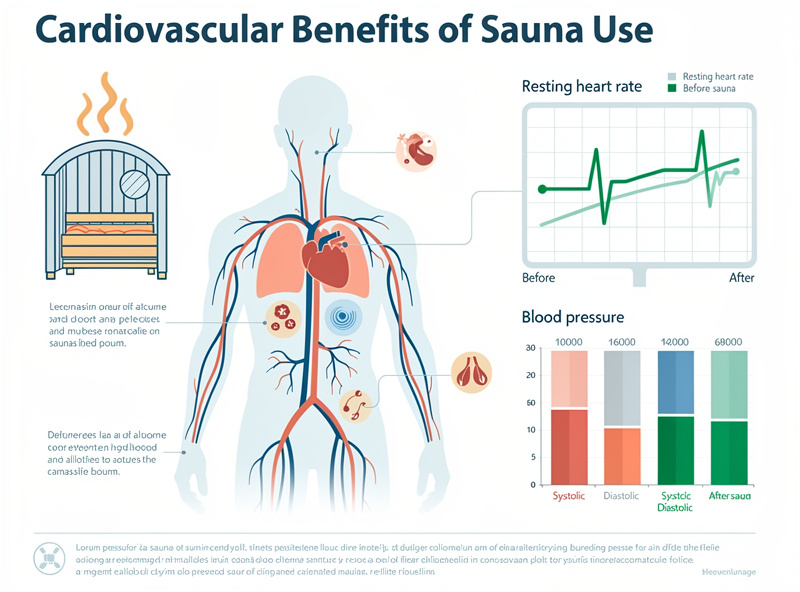
2. Cardiovascular Health
The cardiovascular effects of sauna use have been studied extensively, particularly in Finland where sauna bathing is deeply embedded in the culture.
The Research
The Kuopio Ischemic Heart Disease Risk Factor Study, published in JAMA Internal Medicine (2015), followed over 2,300 Finnish men for more than 20 years. Researchers found that those who used saunas 4-7 times per week had significantly lower rates of sudden cardiac death, fatal cardiovascular disease, and all-cause mortality compared to those who used saunas once weekly.
A 2018 meta-analysis in Complementary Therapies in Medicine examined multiple studies on sauna use and cardiovascular outcomes. The analysis concluded that regular sauna bathing is associated with reduced risk of hypertension, cardiovascular disease, and neurocognitive diseases.
The mechanism involves what researchers call “passive cardiovascular conditioning.” During sauna sessions, heart rate increases to 100-150 beats per minute — similar to moderate exercise. Blood vessels dilate, reducing vascular resistance. Core body temperature rises, triggering the same heat-shock protein response seen in exercise.
What Is Proven
- Reduced blood pressure with regular use
- Improved heart rate variability
- Enhanced circulation and vascular function
- Lower cardiovascular disease risk in regular users
- Reduced risk of sudden cardiac death
What Is Promising
- Reduced arterial stiffness (preliminary evidence)
- Improved endothelial function (needs larger trials)
Important Caveat
People with unstable cardiovascular conditions, recent heart attacks, or severe heart valve disease should avoid sauna use or consult their cardiologist first. The cardiovascular stress, while beneficial for healthy individuals, can be dangerous for certain heart conditions.
Practical Takeaway
For cardiovascular benefits, frequency matters more than intensity. The Finnish studies showing reduced mortality involved 4-7 sessions per week. Start with shorter sessions (15-20 minutes) at lower temperatures (120-130°F) and gradually increase as your cardiovascular system adapts.
3. Detoxification: What the Science Actually Says
Detoxification claims are among the most hyped in infrared sauna marketing. Separating fact from fiction requires understanding what “detox” actually means and what research has measured.
The Research
A frequently cited 2012 study published in the Journal of Environmental and Public Health analyzed sweat composition from 20 individuals. Researchers detected numerous compounds in sweat, including heavy metals (arsenic, cadmium, lead, mercury), phthalates, BPA, and other environmental toxins.
However, this study has limitations. Critics note that the presence of toxins in sweat does not necessarily mean sauna use meaningfully reduces body burden. The liver and kidneys remain the primary detoxification organs. Sweating appears to be a secondary elimination pathway.
A more recent 2019 review in Integrative Medicine examined the evidence for “sweat therapy” in toxicant elimination. The review concluded that while sweating does excrete certain environmental chemicals, the clinical significance remains uncertain. The authors recommend more rigorous research on whether sauna therapy actually reduces body toxicant levels over time.
What Is Proven
- Sweat contains measurable levels of certain heavy metals and environmental toxins
- Sweating is a legitimate elimination pathway (though secondary to liver/kidney function)
- Regular sauna use is associated with improved kidney function markers in some studies
What Is Promising
- Potential reduction in body burden of certain environmental chemicals
- Enhanced elimination in conjunction with proper hydration and nutrition
What Is Marketing Hype
- Claims that infrared saunas “flush toxins” or “cleanse the body” (misleading language)
- Suggestions that sauna use replaces the need for healthy liver and kidney function
- Claims about specific “detox protocols” without clinical evidence
Practical Takeaway
Sweating may help eliminate certain environmental compounds, but do not expect miracles. Stay well-hydrated, focus on overall health through proper nutrition, and view sauna use as one component of a healthy lifestyle rather than a detox cure-all. For evidence-based detox protocols including sweat composition data, heavy metal-specific binder selection, and the 12-week peak protocol, see our infrared sauna detox hub and sweat composition science guide.
4. Stress Reduction and Mental Health
The psychological benefits of sauna use extend beyond simple relaxation. Research suggests measurable effects on stress hormones and mood.
The Research
A 2018 study in Complementary Therapies in Medicine examined cortisol levels in participants before and after sauna sessions. Researchers found significant reductions in cortisol (the primary stress hormone) following 20-minute sessions, with effects lasting several hours.
Japanese research on “Waon therapy” (a form of infrared sauna therapy) has documented benefits for depression and chronic fatigue syndrome. A 2005 study in Psychosomatic Medicine found that repeated Waon therapy sessions improved depression scores in patients with chronic fatigue syndrome, with benefits persisting after treatment ended.
The heat stress response triggers the release of endorphins and dynorphins — natural opioids that improve mood. Additionally, the quiet, warm environment provides a natural opportunity for mindfulness and meditation, amplifying stress-reduction benefits.
What Is Proven
- Reduced cortisol levels after sessions
- Increased endorphin release
- Improved mood following regular use
- Reduced depression scores in chronic fatigue patients
- Enhanced parasympathetic nervous system activity (relaxation response)
What Is Promising
- Potential benefits for anxiety disorders (limited research)
- Synergistic effects with meditation practices
Practical Takeaway
For stress relief, the sauna environment matters as much as the heat. Use the time for mindfulness, breathing exercises, or simply quiet reflection. Evening sessions may help with sleep by reducing cortisol and raising body temperature before the natural cooling that promotes sleep onset.
5. Skin Health and Appearance
Near-infrared light specifically has been studied for dermatological benefits, with research supporting effects on collagen, wound healing, and certain skin conditions.
The Research
A 2006 study in Lasers in Surgery and Medicine examined near-infrared light therapy for skin rejuvenation. After 12 weeks of treatment, participants showed significant improvements in skin texture, roughness, and collagen density. Histological analysis confirmed increased collagen and elastin fibers in treated skin.
German researchers published findings in Skin Research and Technology (2010) showing that infrared therapy improved wound healing in diabetic patients. The light appears to stimulate cellular energy production (ATP synthesis), supporting faster tissue repair.
For acne and psoriasis, several small studies suggest benefits. A 2016 review in Photodermatology, Photoimmunology and Photomedicine concluded that infrared light therapy shows promise for inflammatory skin conditions, though more research is needed.
What Is Proven
- Increased collagen production with near-infrared exposure
- Improved skin texture and appearance
- Enhanced wound healing
- Reduced appearance of fine lines and wrinkles
What Is Promising
- Potential benefits for acne (early studies positive)
- Improvements in psoriasis symptoms
- Support for eczema management
Practical Takeaway
For skin benefits, near-infrared wavelengths matter most. Full-spectrum saunas or those emphasizing NIR are ideal. Consistency over months is necessary — skin changes require time. Always cleanse skin after sessions to prevent pore-clogging from sweat residue.
6. Weight Loss and Metabolism
Weight loss claims are among the most controversial in infrared sauna marketing. Understanding what actually happens during and after sessions helps set realistic expectations.
The Research
A frequently cited study from Binghamton University (2017) measured weight loss effects of infrared sauna use. Participants who used an infrared sauna three times per week for 30 minutes lost an average of 4% body fat over four months. The control group (who did not use the sauna) showed no significant change.
However, this study has limitations. It was small (20 participants), and the researchers did not control for other lifestyle factors that might have changed during the study period.
More reliable are studies on caloric expenditure. Research consistently shows that sauna sessions increase heart rate and metabolic rate. A 30-minute session at moderate temperatures burns roughly 200-600 calories depending on body size, session intensity, and individual metabolism. This is comparable to a brisk walk or light jog.
Importantly, much of the immediate weight loss from any sauna use is water weight from sweating. This returns once you rehydrate. Sustainable fat loss requires consistent sessions combined with proper nutrition and exercise.
What Is Proven
- Increased caloric expenditure during sessions (200-600 calories per 30 minutes)
- Elevated heart rate comparable to moderate exercise
- Temporary water weight loss through sweating
- Metabolic rate increase during and immediately after sessions
What Is Promising
- Potential body composition changes with long-term regular use
- Enhanced recovery allowing more frequent exercise
What Is Marketing Hype
- Claims that infrared saunas “melt fat” or burn calories “without exercise”
- Suggestions that 30 minutes in a sauna equals 30 minutes of running
- Promises of significant weight loss without dietary changes
Practical Takeaway
Use infrared sauna sessions to support a weight management program, not replace exercise and nutrition. The caloric burn is real but modest. The real value may be in recovery — allowing you to exercise more frequently with less soreness.
7. Immune System Support
The relationship between sauna use and immune function involves heat shock proteins and changes in white blood cell counts.
The Research
A 2013 study in the Journal of Human Kinetics examined white blood cell counts in athletes before and after sauna sessions. Researchers found significant increases in white blood cells, lymphocytes, and basophils immediately following sessions, suggesting an acute immune response activation.
Heat shock proteins (HSPs) are produced when cells are exposed to heat stress. These proteins help protect cells from damage and may enhance immune cell function. Research published in Aging Research Reviews (2018) suggested that HSP activation through heat exposure could support immune function, though more human trials are needed.
Finnish research has documented reduced incidence of common colds in regular sauna users, though the mechanism remains unclear.
What Is Proven
- Acute increase in white blood cell counts after sessions
- Heat shock protein production in response to heat stress
- Reduced common cold incidence in regular Finnish sauna users
What Is Promising
- Enhanced immune cell function through HSP pathways
- Potential benefits for immunocompromised individuals
What Remains Uncertain
- Long-term immune system strengthening (acute effects are documented, chronic effects less clear)
- Protection against specific diseases
Practical Takeaway
Sauna use may provide acute immune system stimulation, but it is not a substitute for proper nutrition, sleep, and other immune-supporting practices. Do not use saunas when you have an active infection or fever.
8. Sleep Improvement
Sleep benefits from sauna use likely relate to core body temperature changes and the stress-reduction effects discussed earlier.
The Research
While direct studies on infrared saunas and sleep are limited, research on heat exposure and sleep quality exists. Studies in the Journal of Physiological Anthropology have documented that evening sauna sessions can improve sleep quality, particularly deep sleep stages.
The mechanism involves body temperature regulation. Your core temperature naturally drops as part of the sleep initiation process. Sauna use raises core temperature temporarily; the subsequent cooling mimics and may enhance the natural temperature decline that promotes sleep onset.
The cortisol-reducing effects of sauna use also support better sleep, as elevated evening cortisol is associated with insomnia and poor sleep quality.
What Is Proven
- Evening sauna use is associated with improved sleep quality
- Enhanced deep sleep stages
- Body temperature changes support sleep onset
What Is Promising
- Potential benefits for insomnia (anecdotal evidence strong, controlled studies limited)
- Synergistic effects with other sleep hygiene practices
Practical Takeaway
For sleep benefits, timing matters. Use your sauna 1-2 hours before bedtime to allow the post-session cooling to coincide with your natural sleep preparation. Combine with other sleep hygiene practices (dark room, no screens, cool bedroom) for best results.

9. Athletic Performance and Recovery
Athletes have embraced infrared saunas for recovery benefits, with research supporting reduced soreness and faster return to training.
The Research
The 2015 study in SpringerPlus mentioned earlier specifically examined athletic populations. Participants who used infrared saunas after strength training reported significantly less muscle soreness and maintained performance levels better than those who did not use saunas.
A 2021 systematic review in Journal of Athletic Training examined heat therapy for athletic recovery. The review concluded that heat exposure, including sauna use, can reduce delayed-onset muscle soreness (DOMS) and improve recovery markers when used appropriately.
The mechanisms include increased blood flow to damaged muscle tissue, enhanced nutrient delivery, and improved removal of metabolic waste products. Additionally, the heat stress triggers heat shock proteins that may support cellular repair.
What Is Proven
- Reduced delayed-onset muscle soreness (DOMS)
- Faster perceived recovery after intense training
- Improved flexibility and range of motion
- Enhanced blood flow to muscles
What Is Promising
- Potential performance benefits from faster recovery allowing more training volume
- Reduced injury risk from improved tissue conditioning
Practical Takeaway
For athletic recovery, use the sauna after your workout, not before. Sessions of 20-30 minutes at moderate temperatures (130-140°F) appear optimal. Hydration is critical — replace fluids and electrolytes lost through sweating.
10. Chronic Fatigue Syndrome and Energy Levels
Waon therapy, a specific form of infrared sauna treatment developed in Japan, has shown particular promise for chronic fatigue syndrome and related conditions.
The Research
The Psychosomatic Medicine study (2005) on Waon therapy demonstrated significant improvements in fatigue scores, depression, and overall quality of life in patients with chronic fatigue syndrome. Benefits persisted at follow-up assessments.
A 2018 study in Internal Medicine extended these findings to patients with chronic heart failure. Researchers found that regular Waon therapy improved exercise tolerance, reduced symptoms, and enhanced quality of life.
The mechanism may involve improved mitochondrial function and cellular energy production, though research continues. The parasympathetic activation (relaxation response) may also play a role, as chronic fatigue often involves autonomic nervous system dysfunction.
What Is Proven
- Reduced fatigue scores in chronic fatigue syndrome patients
- Improved quality of life measures
- Enhanced exercise tolerance in chronic heart failure
What Is Promising
- Potential benefits for fibromyalgia (related to chronic fatigue)
- General energy level improvements in non-clinical populations
Practical Takeaway
For chronic fatigue, consistency and moderate temperatures are key. Waon therapy protocols typically use lower temperatures (around 140°F) for 15 minutes, repeated several times per week. Start gradually and work with a healthcare provider if you have chronic fatigue syndrome.
Summary: What Science Actually Supports
| Benefit | Evidence Level | Key Findings |
|---|---|---|
| Pain Relief | Strong | Multiple RCTs support effectiveness for chronic pain, arthritis, muscle recovery |
| Cardiovascular Health | Strong | Large cohort studies show reduced mortality and cardiovascular events |
| Stress Reduction | Strong | Documented cortisol reduction and mood improvement |
| Skin Health | Moderate | Collagen production and wound healing supported; acne/psoriasis promising |
| Recovery/Athletic Performance | Moderate | Reduced DOMS and faster recovery documented |
| Sleep Improvement | Moderate | Improved sleep quality in studies; timing matters |
| Weight Loss/Metabolism | Limited | Caloric burn real but modest; body composition changes need more research |
| Immune Function | Limited | Acute immune activation documented; long-term effects unclear |
| Chronic Fatigue | Moderate | Waon therapy studies show significant benefits |
| Detoxification | Limited | Toxins present in sweat; clinical significance uncertain |
How to Maximize Your Results
11. Heat Shock Proteins: Cellular Protection and Repair
One of the most fascinating mechanisms behind sauna benefits involves heat shock proteins (HSPs) — specialized proteins that protect cells from stress and support repair processes.
The Science of Heat Shock Proteins
When your body is exposed to heat stress, cells produce heat shock proteins as a protective response. Think of HSPs as cellular chaperones that:
- Prevent protein damage and misfolding
- Repair damaged proteins
- Support cellular detoxification
- Enhance immune function
- Reduce inflammation
Research on Sauna-Induced HSP Production
A 2007 study published in the Journal of Applied Physiology documented that sauna bathing significantly increased HSP production in human subjects. Participants showed elevated HSP levels for up to 48 hours after a single session.
Finnish researchers have documented that regular sauna users maintain higher baseline levels of protective HSPs, potentially explaining some of the long-term health benefits associated with consistent sauna practice.
What Is Proven
- Sauna heat stress triggers HSP production
- HSPs provide cellular protection against various stressors
- Regular sauna users show elevated baseline HSP levels
- HSPs support protein repair and cellular maintenance
What Is Promising
- Potential longevity benefits from chronic HSP elevation
- Enhanced cellular resilience to environmental stressors
- Support for muscle protein synthesis and recovery
Practical Takeaway
The HSP response requires heat stress sufficient to raise core body temperature. This means consistent, moderately intense sessions (140-150°F for 20-30 minutes) are more effective than brief, low-temperature sessions for triggering this protective cellular mechanism.
Based on the research, here is how to optimize your infrared sauna sessions for specific benefits:
For Pain Relief
- Use 20-30 minute sessions at 130-140°F
- Consistency: 4-7 sessions per week for 4+ weeks
- Post-exercise use for muscle recovery
For Cardiovascular Health
- Prioritize frequency over intensity
- 4-7 sessions per week at moderate temperatures
- Gradual progression for beginners
For Skin Benefits
- Choose full-spectrum or near-infrared dominant saunas
- Commit to 3-6 months of regular use
- Cleanse skin immediately after sessions
For Stress and Sleep
- Use in the evening, 1-2 hours before bedtime
- Combine with breathing exercises or meditation
- Focus on relaxation rather than intense heat
Moving Forward
Now that you understand the science behind infrared sauna benefits, you can make informed decisions about incorporating sauna therapy into your wellness routine.
If you are ready to explore specific sauna options, see our guides on infrared vs traditional saunas and our top-rated infrared saunas for 2026. And whichever you choose, if you’ll be running it often I’d meter the EMF off the panels yourself with a TriField TF2 meter rather than trusting a “low-EMF” sticker — it’s the one check I never skip. (Affiliate link — I may earn a small commission at no cost to you; I only point to gear I actually use.) Always review the safety guide before starting.
Last updated: February 2026
Frequently Asked Questions
How soon do infrared sauna benefits appear?
Most users notice improved sleep and stress reduction within 1-2 weeks of regular use. Pain relief and cardiovascular improvements typically appear after 4-8 weeks of consistent sessions 3-4 times per week. Skin benefits may take 6-8 weeks to become visible.
How often should I use an infrared sauna for health benefits?
Research supports 3-4 sessions per week lasting 25-45 minutes each for optimal health benefits. Daily use is safe for most healthy adults. Benefits compound with consistency over months rather than occasional intense sessions.
Are infrared sauna benefits permanent?
Benefits require ongoing use to maintain. Blood pressure reductions, pain relief, and stress management reverse within 2-4 weeks of stopping regular sessions. Think of infrared sauna like exercise — consistent use delivers cumulative results.
Can infrared saunas help with weight loss?
Infrared saunas burn approximately 200-600 calories per 30-minute session through increased heart rate and sweating. While this supplements a weight loss plan, sauna use alone does not produce significant weight loss. Combined with diet and exercise, it supports metabolic health.
Do infrared sauna benefits differ by sauna type?
Far infrared saunas have the most research supporting cardiovascular and detox benefits. Full spectrum adds skin and wound healing benefits from near infrared. For general health, far infrared is sufficient and most affordable.
Related Guides
- Complete Infrared Sauna Guide
- Infrared vs Traditional Sauna
- Near vs Far vs Full Spectrum Infrared
- Infrared Sauna Safety Guide
- First 30 Days Benefits Timeline
For evidence-based protocols by specific health condition — arthritis, fibromyalgia, blood pressure, autoimmune, diabetes, and more — see the infrared sauna for health conditions cluster hub.