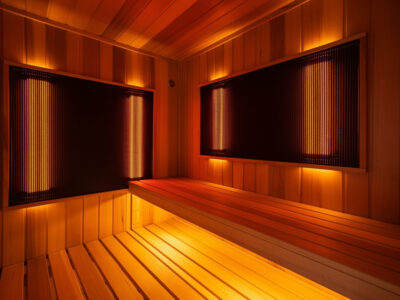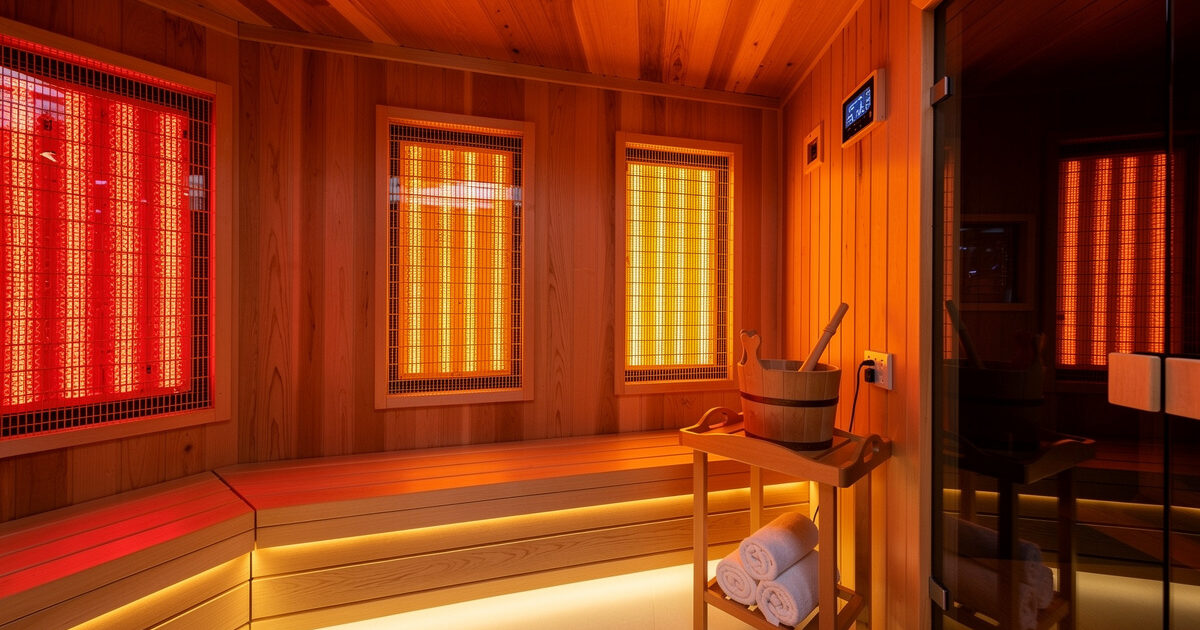
Full spectrum infrared saunas combine three distinct wavelengths — near, mid, and far infrared — into a single unit. Unlike traditional saunas that rely on a single heat source, full spectrum models target your body at multiple depths simultaneously — surface skin, mid-depth soft tissue, and the deep core heating that drives sweating, all in a single session.
But does “full spectrum” actually deliver more benefits than a standard far-infrared sauna? And is the higher price tag justified? This guide breaks down what each wavelength does, what the research honestly supports, and whether the upgrade makes sense for you. I’ve owned and metered both kinds, so I’ll give you the straight version — including where the marketing oversells, especially around “detox,” and where the genuine difference (the near-infrared skin and recovery side) actually lives.
As an Amazon Associate I earn from qualifying purchases.
What Makes a Sauna “Full Spectrum”?
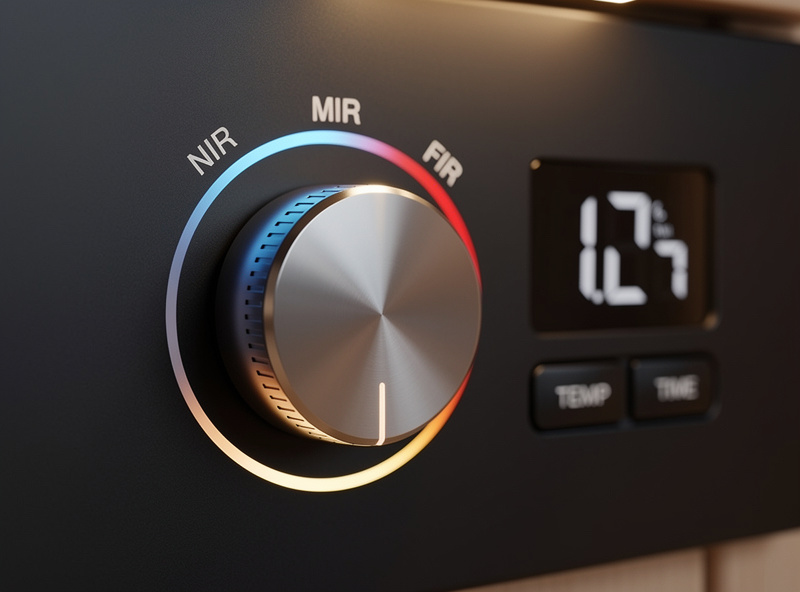
The term “full spectrum” refers to a sauna that emits all three ranges of infrared light. Each wavelength penetrates your body to a different depth and triggers distinct physiological responses:
- Near infrared (NIR): 0.7–1.4 micrometers — penetrates the shallowest, primarily affecting skin and surface tissues
- Mid infrared (MIR): 1.4–3 micrometers — reaches deeper into soft tissue, joints, and muscles
- Far infrared (FIR): 3–1,000 micrometers — penetrates deepest, raising core body temperature and promoting heavy sweating
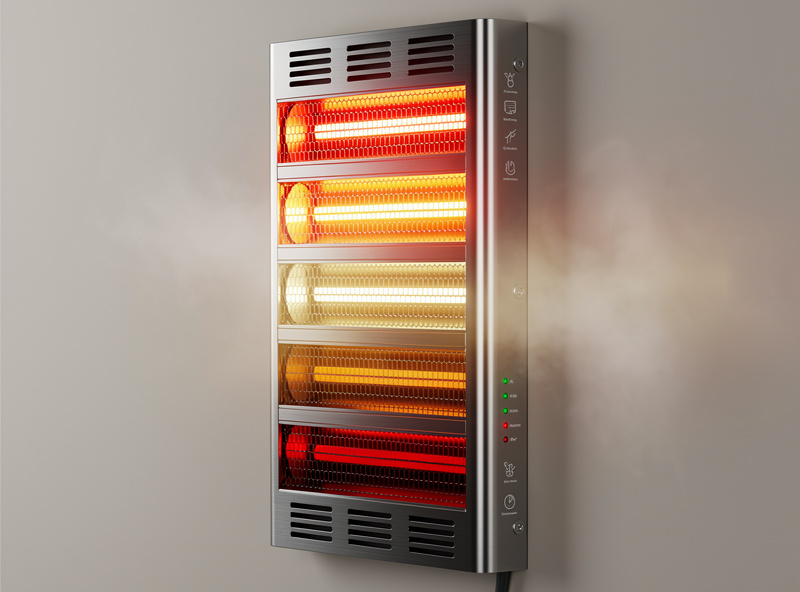
A full spectrum sauna uses separate heating elements tuned to each wavelength range. Some models let you adjust each wavelength independently, while others run all three simultaneously at preset ratios. If you are comparing sauna types, our near infrared vs far infrared vs full spectrum comparison covers the technical differences in detail.
Near Infrared Benefits: Skin, Cells, and Recovery
Near infrared light sits closest to visible red light on the electromagnetic spectrum. It does not generate significant heat — instead, it works through a process called photobiomodulation, where light energy is absorbed directly by cells.
Skin Health — What’s Attributed, Not Asserted
Near infrared sits closest to visible red light and works mainly through photobiomodulation — light energy absorbed directly by cells rather than felt as heat. Reviews of the photobiomodulation literature report effects on cellular pathways involved in collagen production and skin repair (recent review, skin regeneration and rejuvenation) — that’s a real, attributed research finding, not a promise of visible results for any individual, and study designs and light sources vary a lot across the literature. Some dermatology practices do use near-infrared or red-light devices as part of skin treatments, but that’s a professional’s clinical judgment call, not something a home sauna session replicates on a fixed schedule.
Cellular Energy — The Studied Mechanism
Near infrared’s proposed mechanism runs through mitochondria — cells absorb NIR photons and the research literature reports changes in ATP production, the molecule that fuels cellular processes. This is the studied biological pathway, not a guaranteed personal outcome. Treat any specific claim about “faster recovery” or “reduced inflammation” as an attributed research finding under active study, not a settled result.
Mid Infrared Benefits: Joints, Circulation, and Pain
Mid infrared occupies the middle ground — literally. It penetrates deeper than near infrared but does not raise core temperature as aggressively as far infrared. This makes it particularly effective for targeting specific areas of discomfort.
Joint and Muscle Comfort — Heat, Not a Treatment
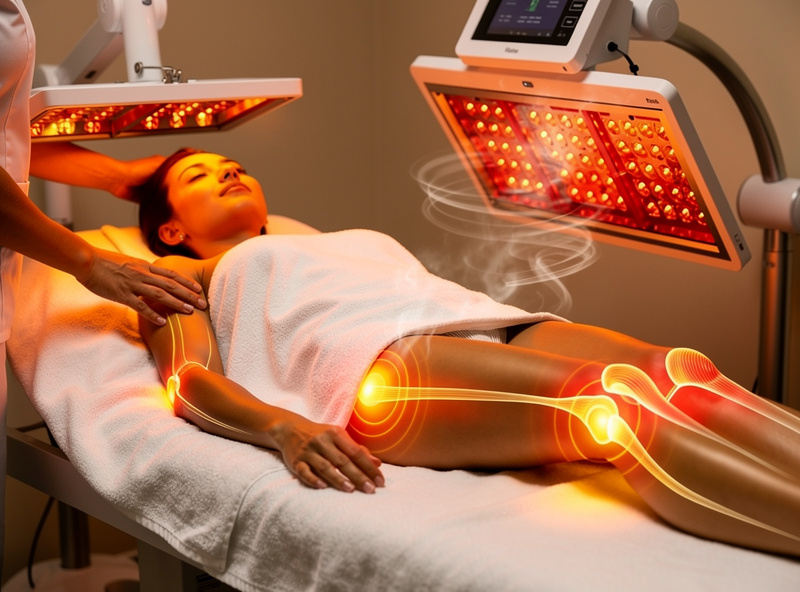
Mid infrared wavelengths are absorbed by water molecules in your body, generating a localized warming that many people find genuinely comfortable on stiff or tired joints. Superficial heat therapy for musculoskeletal comfort is a studied area (narrative review, heat therapy for musculoskeletal pain) — the research supports heat as a reasonable comfort measure for general aches, but it is not a treatment for a diagnosed condition like arthritis or fibromyalgia, and anyone with a diagnosed joint or autoimmune condition should talk to their physician about whether heat is a good fit before building it into a routine.
Circulation
As mid infrared heat penetrates soft tissue, it causes vasodilation — the widening of blood vessels — which is a well-documented physiological response to heat exposure generally. This improved surface blood flow is temporary and returns to baseline after you cool down. For the broader cardiovascular research, see our guide on infrared sauna health benefits.
Muscle Comfort After Exercise
The deeper heat penetration of mid infrared is one reason some people prefer it for a post-exercise wind-down — the warmth on tired muscles feels good, and modest, temporary increases in local blood flow are a normal heat response. Treat this as a comfort habit, not a documented recovery accelerant — the evidence for heat exposure meaningfully shortening exercise recovery time is thin and mixed.
Far Infrared: Deep Heating, Sweating, and Heart Health
Far infrared is the most studied wavelength range in sauna research. It penetrates deepest into the body, raising core temperature and triggering a cascade of physiological responses that mimic moderate cardiovascular exercise.
Deep Sweating — Honestly, Not a Detox Claim
Far infrared heat does produce a deeper, more voluminous sweat than a mild warm room, and yes, that sweat carries genuinely detectable trace amounts of some heavy metals and other compounds (the full honest breakdown is here). But don’t let that get oversold: your liver and kidneys handle the overwhelming majority of your body’s elimination work, and sweat is a minor secondary route at best. Treat heavy sweating as a real, pleasant physical response to heat — not a “detox” your body needed a sauna to do.
Cardiovascular Conditioning
The most compelling research on saunas generally involves heart health. The Kuopio Ischemic Heart Disease Risk Factor Study — a long-term Finnish study tracking over 2,300 men — found that frequent sauna use was associated with reduced risk of fatal cardiovascular events (Laukkanen et al., JAMA Internal Medicine, 2015). That study used traditional Finnish saunas, not infrared cabins specifically — the physiological mechanism (heat stress, cardiovascular load) is comparable, but it’s an honest caveat worth stating rather than blurring the two study types together.
During a far infrared session, your heart rate increases to 100–150 beats per minute — similar to moderate walking. Blood vessels dilate, blood pressure temporarily decreases, and cardiac output increases. Over time, these repeated cardiovascular workouts can improve vascular function. For beginners curious about what to expect, our first 30 days guide walks through the experience week by week.
Weight Management Support
A session burns some extra calories, but most of the immediate “weight loss” is water you’ll drink straight back. Some small studies hint that regular heat exposure may nudge metabolic markers like insulin sensitivity over time — promising but unproven. Be clear-eyed here: a sauna is not a weight-loss tool. At most it’s a pleasant recovery habit that sits alongside diet and exercise, which do the actual work.
The Full Spectrum Advantage: Why Combining Wavelengths Matters
The core argument for full spectrum saunas is synergy — the idea that combining all three wavelengths produces benefits greater than any single wavelength alone. Here is what that looks like in practice:
Simultaneous Multi-Depth Heating
While far infrared raises your core temperature and drives sweating, near infrared simultaneously delivers its light-based effect at the skin surface. Mid infrared warms the middle layers — muscles and connective tissue. You get heat and light working at three different depths in a single session, which is a genuine hardware difference from a single-wavelength cabin — not a claim about clinical outcomes.
Comfort for Active People
Athletes and physically active people are often the ones who get the most day-to-day enjoyment from the full spectrum approach: far infrared for the warm, sweaty wind-down; mid infrared for the comfort on tired muscles and joints; near infrared for the skin-focused finish. Think of it as a more versatile comfort session, not a “recovery protocol” — nothing here shortens injury healing on a guaranteed timeline.
Customizable Sessions
Many full spectrum saunas let you adjust each wavelength independently. This means you can emphasize near infrared for skin-focused sessions, crank up far infrared for deep detoxification, or run all three at maximum for a comprehensive session. This flexibility is something single-spectrum saunas simply cannot offer.
Full Spectrum vs Far Infrared Only: Is It Worth the Upgrade?
Full spectrum saunas typically cost 20–40% more than far infrared-only models. Here is an honest comparison to help you decide:
| Feature | Far Infrared Only | Full Spectrum |
|---|---|---|
| Core temperature increase | Yes (primary mechanism) | Yes (same, plus NIR layer) |
| Sweat volume | High | High |
| Cardiovascular research base | Well-documented (traditional-sauna studies) | Same, plus NIR-specific studies |
| Near-infrared skin/cellular studies | None (no NIR emitter) | Present (attributed research, not guaranteed) |
| Joint/muscle comfort | Generalized heat | Generalized heat, plus targeted mid-IR warmth |
| Customizable wavelengths | No | Yes (most models) |
| Price range | $1,000–3,000 | $1,500–5,000+ |
| Research backing | Extensive | Growing (mostly extrapolated from single-wavelength studies) |
Bottom line: If your primary goals are cardiovascular exercise-like heat stress and general relaxation, a quality far infrared sauna delivers those at a lower price. If you also want the near-infrared skin and comfort angle and the ability to adjust wavelengths — and you can afford the premium — full spectrum is the better investment. Neither one is a “detox machine” or a treatment for a joint condition; that framing belongs to marketing, not to what’s actually documented. For budget-conscious buyers, our best infrared saunas under $1,000 guide covers affordable options.
What to Look for in a Full Spectrum Sauna
Not all saunas marketed as “full spectrum” deliver genuine multi-wavelength therapy. Here is what to check before buying:
Separate Heating Elements
True full spectrum saunas use distinct heaters for each wavelength range. Some cheaper models simply use far infrared heaters and add a few LED panels for near infrared. While this technically qualifies as “full spectrum,” it does not deliver the same mid-infrared warmth or coverage as dedicated heating elements built for that band. Our complete buying guide covers what to look for in detail.
EMF Levels
More heating elements mean more potential for electromagnetic field (EMF) emissions, so this matters even more on a full-spectrum unit. Look for saunas that publish third-party EMF testing, and ideally verify it yourself — I keep a TriField TF2 meter by my cabin and check the panels rather than trust the brochure. (Affiliate link — small commission to me at no cost to you; I only point to gear I actually use and meter.) A good full-spectrum cabin keeps the body-zone reading under about 3 milligauss.
Independent Wavelength Control
The best full spectrum saunas let you adjust near, mid, and far infrared independently. This allows you to customize sessions based on your goals that day — skin focus, pain relief, or deep detox. Models with only an on/off switch for all wavelengths limit this flexibility.
Build Quality and Materials
Full spectrum saunas run multiple heating systems simultaneously, which means higher energy demands and more heat stress on materials. Look for Canadian or Nordic cedar construction, double-walled panels for heat retention, and tempered glass doors. Cheap construction materials will degrade faster under the sustained multi-spectrum heat output.
How to Use a Full Spectrum Sauna for Maximum Benefits
Getting the most from your full spectrum sauna requires understanding how to leverage each wavelength. Follow these session guidelines:
Pre-Session Preparation
Hydrate with at least 16 ounces of water 30 minutes before your session. Light stretching before entering helps prepare your muscles and joints for the heat. Avoid eating a heavy meal within 90 minutes of your session — digestion diverts blood flow away from the areas you want to target. For a complete overview of safety precautions, see our infrared sauna safety guide.
A Sensible Session Sequence
- Minutes 0–5: Start with near infrared only at a comfortable temperature. This eases you in before the deeper heat kicks in.
- Minutes 5–10: Add mid infrared for the warming, comfort-focused middle stretch.
- Minutes 10–30: Bring in far infrared to raise core temperature and get the sweat going. All three wavelengths now run together.
- Minutes 25–30: Optional cool-down — dial back far infrared while keeping near infrared on for a few extra minutes.
This is a sequencing suggestion for comfort, not a clinical protocol — run it however feels good on a given day.
Post-Session Recovery
Rehydrate immediately with water or an electrolyte drink. A cool (not cold) shower within 10 minutes helps close pores and lock in skin benefits from the near infrared exposure. Allow at least 15 minutes of rest before strenuous activity. For your first sessions, keep the experience gentle — our honest pros and cons assessment helps set realistic expectations.
Who Benefits Most from Full Spectrum?
Full spectrum saunas deliver the greatest advantage for:
- Athletes and active people: the combined warmth across all three wavelengths makes for a more versatile comfort session before or after training — not a documented “recovery upgrade.”
- People who find warmth soothing on stiff joints or muscles: mid infrared adds a targeted, comfortable warmth. If you have a diagnosed joint or chronic pain condition, loop in your physician before building this into a routine — a sauna is not a substitute for their guidance.
- Skin-conscious users: near infrared adds the attributed research angle on skin and cellular effects that a far-infrared-only cabin doesn’t have.
- People who want the broadest hardware for the money: if you want near, mid, and far all in one cabin, full spectrum is the logical hardware choice.
- Home spa enthusiasts: the customizable sessions make every use feel different — skin-focused day, warmth-focused day, deep-sweat day.
If you primarily want relaxation and basic cardiovascular benefits, a quality far infrared sauna serves you well at a lower price point. Full spectrum is the upgrade for people who want to extract maximum health value from their sauna time. To compare all sauna types side by side, read our infrared vs traditional sauna comparison.
My authority on full-spectrum saunas is the hardware: I have lived with a full-spectrum unit that adds near-infrared halogen emitters alongside the far-infrared carbon panels. On my thermal camera, the NIR emitters produce a distinct surface-heat pattern, and the TriField shows a different EMF profile for each emitter type.
Frequently Asked Questions
What does full spectrum mean in an infrared sauna?
It means the cabin emits all three infrared bands — near, mid, and far — usually from separate heating elements. Near targets skin and cells, mid reaches joints and muscle, and far drives the deep core heating and sweating. A far-infrared-only cabin delivers the heat and cardiovascular side but not the near-infrared skin and cellular effects.
Is full spectrum worth the extra money over far infrared?
It depends on your goals. If you mainly want relaxation, sweating, and cardiovascular benefits, a quality far-infrared cabin delivers those for less. The premium pays off if you also want the near-infrared skin and recovery benefits and the ability to adjust wavelengths. Honestly, consistency of use matters more than which one you buy.
Does a full spectrum sauna really detox you better?
No — detox is oversold for every sauna type. Sweat carries only trace amounts of metals and chemicals, and your liver and kidneys do almost all the work. Full spectrum’s genuine edge is the near-infrared skin and cellular benefits, not extra detox. Treat any detox claim skeptically.
Does an infrared sauna boost your immune system?
No — treat that claim skeptically. Some research has studied short-term changes in white blood cell counts and heat-shock proteins after heat exposure, but that is not the same as a proven, lasting immune boost, and no sauna type should be marketed as strengthening immunity long-term. Never use a sauna while you have an active infection or fever.
What should I look for when buying a full spectrum sauna?
Separate, genuine heating elements for each band (not just a far-infrared cabin with a couple of LEDs), third-party-tested low EMF (under about 3 milligauss at seating distance), independent wavelength control, and solid cedar or hemlock construction. Measured EMF and build quality matter far more than any health claim on the box.