You have read the headlines. Infrared saunas promise everything from better sleep to clearer skin to reduced chronic pain. But what actually happens when a real person starts using one? Not in a clinical trial with carefully controlled conditions, but in a regular home, with a regular schedule, over the course of a month?
This article walks through the realistic timeline of infrared sauna benefits — what you will notice in the first session, the first week, and the first month. No exaggeration, no miracle claims, just a practical overview based on published research and the consistent experience of regular users.
Disclaimer: This article is for educational purposes only and does not constitute medical advice. Consult a healthcare provider before beginning any sauna therapy program, especially if you have cardiovascular conditions, are pregnant, or take medications that affect heat tolerance.
As an Amazon Associate I earn from qualifying purchases.
How Infrared Saunas Work (A Quick Refresher)
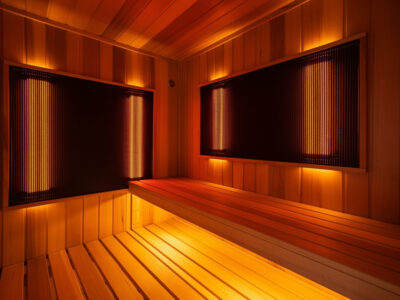
Before discussing what to expect, it helps to understand the basic mechanism. Unlike traditional saunas that heat the air around you to extreme temperatures (often 80–100°C), infrared saunas use infrared light panels to heat your body directly. The air temperature stays much lower — typically between 45–65°C — while your core body temperature still rises significantly.
This distinction matters because it means you can stay in an infrared sauna longer than a traditional one with less discomfort. Longer sessions at moderate temperatures allow the heat to penetrate deeper into muscle tissue, joints, and subcutaneous layers without the overwhelming sensation of breathing superheated air.
The infrared spectrum is divided into three wavelengths — near, mid, and far — each with different penetration depths and effects. Full spectrum saunas combine all three, while many budget models use only far infrared. Both types produce real benefits, but the wavelength combination affects which benefits are most pronounced.
Your First Session: What Happens Immediately
The Physical Response
Within the first 10 to 15 minutes, you will start sweating. This is not a polite glow — it is genuine perspiration as your body activates its thermoregulatory response. Your heart rate increases moderately, similar to a light cardiovascular workout. Research published in the Journal of the American College of Cardiology has documented heart rate increases of 100 to 150 beats per minute during infrared sauna sessions, comparable to moderate-intensity exercise.
Your blood vessels dilate as your body works to cool itself. This vasodilation is one of the primary mechanisms behind many infrared sauna benefits — increased blood flow means more oxygen and nutrients delivered to tissues, and more efficient removal of metabolic waste products.
What You Will Feel
After your first 20 to 30 minute session, most people report a sense of deep relaxation. This is not placebo. Infrared heat activates the parasympathetic nervous system — the “rest and digest” branch — while simultaneously reducing cortisol levels. A study in Psychosomatic Medicine confirmed measurable reductions in salivary cortisol following infrared heat exposure.
You may also notice mild muscle relaxation, especially if you carry tension in your shoulders, neck, or lower back. The heat increases tissue elasticity and reduces muscle spasm activity, which is why physical therapists have used infrared therapy for decades.
Some first-time users feel slightly lightheaded afterward. This is normal and usually results from mild dehydration or the blood pressure reduction caused by vasodilation. Drinking 500 ml of water before and after your session prevents this in most cases.
What You Will NOT Feel
You will not feel dramatically different after one session. Anyone who claims a single infrared sauna session cured their insomnia, eliminated their joint pain, or transformed their skin is either exaggerating or experiencing a strong placebo response. The real benefits of infrared sauna use are cumulative, building over consistent use.
Week One: The Adjustment Period (Days 1–7)
Sessions 2 Through 4
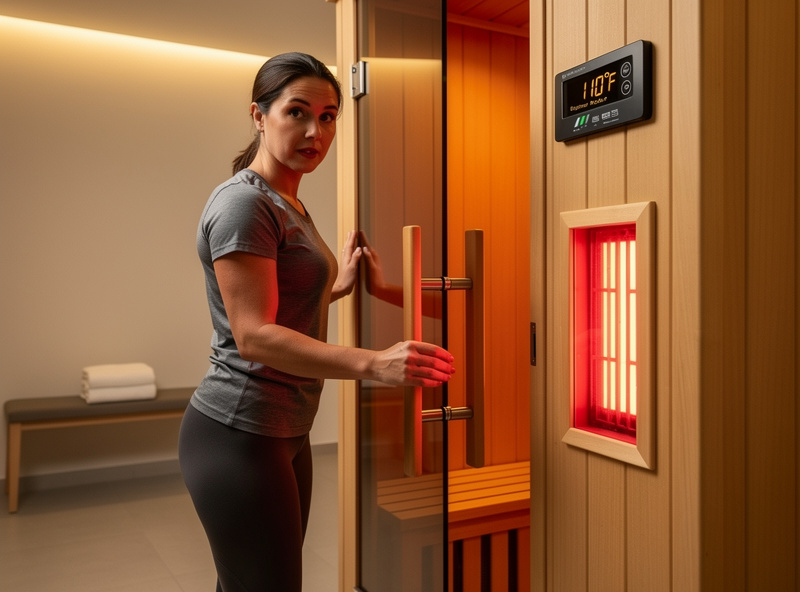
Most experts recommend starting with three to four sessions in your first week, each lasting 20 to 30 minutes at moderate temperatures (45–55°C). Your body is still adapting to the heat stress, and pushing too hard too early leads to excessive fatigue rather than beneficial adaptation.
By your third session, you will notice that sweating begins earlier. This is your body becoming more efficient at thermoregulation — a process called heat acclimation. It is the same adaptation that marathon runners develop during hot-weather training, scaled to a gentler intensity.
Benefits You May Notice in Week One
Improved sleep quality. This is consistently the first benefit people report. The post-sauna drop in core body temperature mimics the natural cooling process that triggers sleep onset. A study in the Journal of Physiological Anthropology found that passive body heating before bedtime significantly improved sleep quality and reduced the time needed to fall asleep. Many users notice this improvement after just two or three sessions.
Reduced muscle tension. If you sit at a desk all day or carry chronic tension, you will likely notice that your neck and shoulders feel looser after each session. This is not a permanent fix yet — but the temporary relief becomes more sustained as you continue.
Mood elevation. Infrared heat triggers the release of endorphins, and the mood lift after a session is subtle but real — similar to how you feel after a good walk or a yoga class. Finnish observational studies have also linked frequent sauna use to lower rates of mental-health conditions, but those are population associations, not proof, so enjoy the genuine after-session calm without reading it as a treatment.
What You Will NOT Notice Yet
Skin improvements, significant pain reduction for chronic conditions, cardiovascular adaptations, and immune system changes all require more time. If you are using an infrared sauna specifically for one of these benefits, patience is essential.
Weeks Two and Three: Building Momentum (Days 8–21)

Increasing Your Routine
By week two, most people can comfortably extend sessions to 30 to 40 minutes and increase frequency to four or five times per week. You will notice that the heat feels less intense — not because the sauna changed, but because your body has adapted. You may want to increase the temperature by 2 to 5 degrees to maintain the same level of challenge.
If you are considering setting up a home sauna, this is typically when the investment starts feeling worthwhile. The convenience of stepping into your own sauna without scheduling or driving makes it much easier to maintain the consistency that produces results.
Benefits That Start Emerging
Skin clarity and tone. Increased blood circulation delivers more oxygen and nutrients to skin cells while sweating helps clear pores. After two to three weeks of regular use, many people notice a subtle improvement in skin tone, reduced puffiness, and a general “glow” that persists between sessions. A Japanese study published in the Journal of Cosmetic and Laser Therapy documented improved skin texture and reduced roughness after regular near-infrared exposure.
Reduced joint stiffness. If you experience morning stiffness or general joint discomfort, weeks two and three often bring noticeable improvement. The cumulative anti-inflammatory effect of regular heat exposure reduces the baseline level of joint inflammation, making mornings easier and movement more comfortable.
Better stress management. By now, your body has developed a stronger parasympathetic response to heat. Your resting heart rate may have dropped slightly, and you may find it easier to relax during stressful situations. This is the same stress-resilience mechanism that research has linked to regular sauna use — your body becomes better at managing physiological stress responses.
Post-exercise recovery. If you exercise regularly, you will likely notice that muscle soreness resolves faster when you use the sauna after workouts. A 2015 study in SpringerPlus demonstrated reduced delayed-onset muscle soreness (DOMS) in athletes who used infrared saunas post-exercise. The mechanism involves increased blood flow to damaged tissues and reduced inflammatory markers.
The Plateau Feeling
Some people hit a motivational dip around days 14 to 18. The initial novelty has worn off, the dramatic first-session relaxation response has normalized, and the longer-term benefits have not fully materialized yet. This is completely normal. Consistency through this period separates those who get lasting results from those who abandon the practice.
Week Four and Beyond: The Compound Effect (Days 22–30+)
Cardiovascular Improvements
This is where the more meaningful health effects begin. A landmark Finnish study tracking over 2,300 men for 20 years found that frequent sauna users had substantially lower rates of sudden cardiac death than once-weekly users — a striking association, though an observational one (it shows a link, not that the sauna caused it, and it studied traditional saunas). Infrared cabins produce broadly similar cardiovascular responses at lower temperatures.
After several weeks of regular use, the kinds of changes studies have reported include modest reductions in resting blood pressure, improved blood-vessel function, and better heart rate variability. Sizes vary between studies and people, so treat these as a realistic direction rather than a number you’re promised.
These are not trivial improvements. A 5 mmHg reduction in systolic blood pressure, sustained over time, is associated with a meaningful reduction in stroke and heart attack risk at the population level.
Immune Function
Regular heat exposure stimulates heat-shock proteins (HSPs), which appear to support immune-cell function, and regular users tend to show elevated baseline levels. It’s a plausible, interesting mechanism — but a raised biomarker isn’t the same as a meaningfully stronger immune system, so read this as suggestive rather than settled.
A study in the Journal of Human Kinetics found that athletes using sauna regularly showed higher white blood cell counts and improved immune markers versus controls. This doesn’t mean a sauna prevents illness — it’s no substitute for sleep, nutrition, and the basics — but it hints that regular use may give immune function a modest, short-term nudge.
Pain Management
For chronic pain conditions — fibromyalgia, arthritis, chronic fatigue syndrome, lower back pain — four weeks is typically when infrared sauna therapy begins to show meaningful, sustained results. The cumulative reduction in systemic inflammation, combined with improved circulation and reduced muscle tension, creates a compounding effect that goes beyond what any single session can achieve.
Research published in Internal Medicine documented that chronic pain patients who completed a four-week infrared sauna program experienced pain reductions that persisted for months after the study ended. This suggests that regular heat therapy creates lasting changes in pain processing, not just temporary relief.
Mental Health and Cognitive Function
The mental wellbeing side tends to show up most with consistent use. Beyond the after-session mood lift, regular users often report better focus and easier emotional regulation. The long-term Finnish data also links frequent sauna use to lower rates of dementia and Alzheimer’s — a genuinely eye-catching association, but an observational one, so it’s a promising correlation worth more study, not a proven way to protect your brain. Don’t take up a sauna expecting it to ward off dementia; take it up because you enjoy it, and treat any long-term upside as a bonus.
The mechanism likely involves increased production of brain-derived neurotrophic factor (BDNF), a protein that supports the growth and maintenance of brain cells. Heat stress is one of the most reliable triggers of BDNF production, which is why some researchers describe sauna therapy as “exercise for your brain.”
Practical Tips for Getting the Most from Your First Month
Hydration Is Non-Negotiable
Drink at least 500 ml of water before each session and another 500 ml afterward. During longer sessions (35+ minutes), consider bringing water into the sauna. Dehydration is the most common reason people feel unwell after sauna use, and it is entirely preventable.
Adding electrolytes to your post-sauna water (a pinch of sea salt and a squeeze of lemon is sufficient) helps replace minerals lost through sweating. This becomes more important as your sweat volume increases with heat acclimation.
Timing Matters
Most people find evening sessions most beneficial, as the post-sauna temperature drop naturally promotes sleep. However, if you exercise in the morning, a post-workout sauna session can enhance recovery throughout the day. Experiment with timing during your first week to find what works best for your schedule and body.
Avoid using the sauna immediately after eating a large meal. Blood flow is diverted to the digestive system after eating, and competing with the sauna’s demand for increased peripheral circulation can cause nausea or lightheadedness.
Temperature and Duration Progression
| Week | Temperature | Duration | Frequency |
|---|---|---|---|
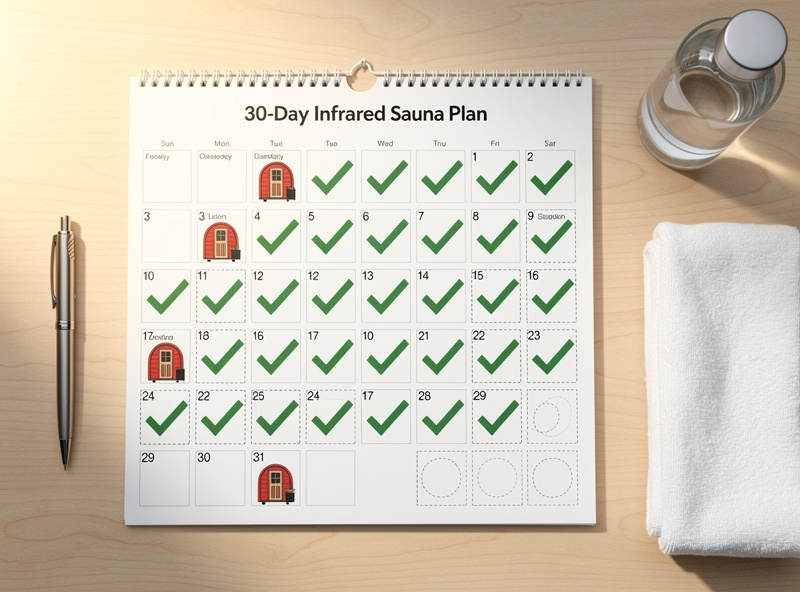
| Week 1 | 45–50°C | 15–25 min | 3–4 sessions |
| Week 2 | 50–55°C | 25–35 min | 4–5 sessions |
| Week 3 | 55–60°C | 30–40 min | 4–5 sessions |
| Week 4 | 55–65°C | 30–45 min | 4–6 sessions |
This is a guideline, not a rigid schedule. Listen to your body. If you feel dizzy, nauseous, or excessively fatigued, reduce the temperature or duration. More is not always better — consistency at a comfortable level outperforms aggressive sessions that leave you dreading the next one.
What to Do During Your Session
Some people meditate. Some listen to podcasts. Some simply sit quietly. There is no evidence that any particular activity during the session affects the physical benefits. However, the forced stillness of sauna time creates a natural opportunity for meditation or mindfulness practice, which compounds the stress-reduction benefits.
Avoid using your phone in the sauna — not because of the heat (most modern phones can handle sauna temperatures), but because screen time undermines the parasympathetic activation that makes sauna therapy so effective for stress and sleep.
Who Might Not Benefit (Or Should Be Cautious)
Infrared saunas are safe for most healthy adults, but some groups should exercise caution. If you have any of the following conditions, read the complete safety guide before starting.
- Uncontrolled hypertension or hypotension: The blood pressure changes caused by heat exposure can be problematic if your baseline is already unstable.
- Pregnancy: Elevated core body temperature during the first trimester is associated with increased risk of neural tube defects. Most medical guidelines recommend avoiding sauna use during pregnancy.
- Multiple sclerosis: Heat sensitivity is common in MS patients, and sauna use can temporarily worsen symptoms.
- Recent alcohol consumption: Alcohol impairs thermoregulation and increases dehydration risk. Never use a sauna while intoxicated.
- Certain medications: Beta-blockers, diuretics, and other medications that affect heart rate, blood pressure, or sweating may interact with the physiological effects of sauna use.
What the First Month Sets Up for the Long Term
The first 30 days of infrared sauna use establish the physiological foundation for long-term benefits. Your body has adapted to heat stress, your cardiovascular system has begun remodeling for improved efficiency, and your inflammatory baseline has started to shift downward.
The Finnish research that generated the most compelling sauna data tracked participants over decades, not weeks. The cardiovascular protection, cognitive benefits, and longevity associations all strengthen with years of consistent use. Your first month is not the destination — it is the on-ramp.
If you are still deciding which sauna to invest in, our complete buying guide breaks down the key factors, and our budget picks under $1,000 prove that effective infrared therapy does not require a premium price tag. If you want the cheapest way to test the habit before committing to a cabin, a sauna blanket unrolls in a bedroom and gives you a real feel for whether you’ll stick with it. (Affiliate link — I may earn a small commission at no cost to you; I only point to gear I’d actually use.)
Frequently Asked Questions
How quickly will I notice benefits from an infrared sauna?
Most people notice improved relaxation and sleep within the first few sessions. Any skin improvement tends to appear after two to three weeks, and the cardiovascular adaptations build over four or more weeks of consistent use. Nothing dramatic happens after a single session — the real benefits are cumulative.
Can I use an infrared sauna every day as a beginner?
Daily use is safe for most healthy adults, but as a beginner it is better to start with three to four sessions a week to let your body adapt to the heat. Build up gradually, stay well hydrated, and listen to your body rather than chasing frequency.
What temperature should a beginner start at?
Start low and comfortable — many beginners begin around 45-50C (about 115-120F) and build up only as the heat starts to feel easy over the first couple of weeks. What matters is a gentle, sustainable adaptation, not chasing a high number. If you feel dizzy or lightheaded, exit and cool down.
How long should a beginner session last?
Begin with 15-20 minute sessions and build toward 25-30 minutes over your first month. There is rarely a good reason to exceed about 45 minutes. Always drink water before and after, and stop early if anything feels off.
What should I do after my first session?
Rehydrate with a couple of glasses of water and some electrolytes, take a lukewarm shower to rinse off, and avoid strenuous exercise for a while. Then just rest and let your body cool naturally — that post-session cool-down is part of why a sauna helps with sleep.
Do infrared saunas really help with weight loss?
Not directly. A session burns some extra calories and you lose water weight through sweat, but that water comes straight back when you rehydrate. A sauna is a relaxation and recovery habit, not a weight-loss tool — any role it plays comes indirectly through better sleep and supporting an active lifestyle.