Infrared saunas are safe for most healthy adults when used correctly. However, heat therapy is not without risks, and certain individuals should avoid sauna use entirely. This comprehensive safety guide covers who should avoid infrared saunas, potential side effects, proper usage protocols, and how to minimize risks while maximizing benefits.
Important Disclaimer: This article provides general information for educational purposes. It is not medical advice. Always consult a qualified healthcare provider before beginning sauna therapy, especially if you have pre-existing health conditions, take medications, or are pregnant. Individual responses to heat therapy vary significantly.
Who Should Avoid Infrared Saunas
While infrared saunas are generally safe, certain medical conditions and life stages create absolute or relative contraindications. The health conditions hub goes deeper on contraindications organized by specific diagnosis if you or someone in your household has a condition not covered in full detail below.
Absolute Contraindications (Do Not Use)
Pregnancy
Raising core body temperature during pregnancy poses risks to fetal development, particularly during the first trimester. Most health authorities advise pregnant women to avoid sauna use entirely.
Why the risk: Elevated maternal core temperature can interfere with fetal neural tube development and has been associated with increased risk of birth defects in animal studies.
Guidance: Do not use infrared saunas during pregnancy. Consult your obstetrician if you have questions about heat exposure during specific pregnancy stages.
Children Under 12
Children have different thermoregulation systems than adults. Their bodies heat up faster and cool down slower, increasing risk of overheating.
Why the risk: Immature sweat gland function, higher surface-area-to-mass ratio, and inability to recognize and communicate heat distress effectively.
Guidance: Children under 12 should not use infrared saunas. Some practitioners allow supervised, brief sessions (5-10 minutes) for children 12-16 at lower temperatures with medical approval, but this remains controversial.
Active Infections or Fever
When your body is already fighting infection and running a fever, additional heat stress can be dangerous.
Why the risk: Fever represents your body’s attempt to kill pathogens. Adding external heat can push body temperature to dangerous levels and increase dehydration when you need fluids most.
Guidance: Avoid sauna use when you have an active infection, fever, or feel acutely ill. Wait until fully recovered.
Acute Injuries with Swelling
Fresh injuries with inflammation require cooling, not heating.
Why the risk: Heat increases blood flow and can worsen swelling in the first 48-72 hours after acute injury.
Guidance: Follow the RICE protocol (Rest, Ice, Compression, Elevation) for acute injuries. Wait 72+ hours before applying heat.
Relative Contraindications (Consult Physician First)
The following conditions do not absolutely prohibit sauna use, but require medical clearance and possibly modified protocols:
Cardiovascular Conditions
Consult your cardiologist if you have:
- Unstable angina
- Recent heart attack (within 6 months)
- Severe heart valve disease
- Uncontrolled arrhythmias
- Recent cardiac surgery
- Heart failure with fluid retention
- Very high blood pressure (uncontrolled)
Potential risks: Saunas create cardiovascular stress similar to moderate exercise — heart rate increases 50-75%, blood vessels dilate, and cardiac output rises. For healthy individuals, this is beneficial conditioning. For compromised hearts, it can trigger cardiac events.
Modified protocols for approved cardiac patients:
- Start with shorter sessions (10-15 minutes)
- Lower temperatures (120-130°F maximum)
- Sit near door for easy exit
- Have someone nearby aware you are sauna bathing
- Stop immediately if chest pain, dizziness, or palpitations occur
- Gradually increase duration only with physician approval
Note: Paradoxically, stable cardiovascular disease patients often benefit from supervised sauna therapy. Finnish studies show reduced cardiovascular mortality in regular sauna users. The key word is “stable” and “supervised.”
Medications Affecting Heat Response
Certain medications alter how your body responds to heat or increase dehydration risk:
- Diuretics: Increase fluid loss; combined with sauna sweating, can cause dangerous dehydration and electrolyte imbalances
- Beta-blockers: May impair heart rate response and thermoregulation
- Blood thinners (anticoagulants): Heat and sweating may affect drug metabolism and bleeding risk
- Stimulants: Some increase heart rate and blood pressure, compounding cardiovascular stress
- Antipsychotics: Can impair sweating and thermoregulation
- Tranquilizers: May cause drowsiness, increasing fall risk in hot environment
Guidance: If you take any regular medications, discuss sauna use with your prescribing physician. They may recommend timing adjustments, hydration protocols, or specific precautions.
Neurological Conditions
Conditions affecting the nervous system may impair heat tolerance:
- Multiple sclerosis: Heat sensitivity is common; symptoms may worsen temporarily (Uhthoff’s phenomenon)
- Diabetic neuropathy: May impair ability to sense overheating
- Parkinson’s disease: Autonomic dysfunction can affect thermoregulation
- Spinal cord injuries: May impair sweating below injury level, creating uneven cooling
Guidance: Consult neurologist. Some patients with these conditions can use saunas with modified protocols; others should avoid.
Chronic Conditions Requiring Caution
Additional conditions requiring medical consultation:
- Diabetes: Risk of hypoglycemia during sessions; impaired nerve sensation may prevent recognizing overheating
- Kidney disease: Fluid and electrolyte shifts may stress compromised kidneys
- Liver disease: Impaired detoxification capacity changes how body handles heat stress
- History of heat stroke: May indicate reduced thermoregulatory capacity
- Obesity: Heat tolerance varies; may need lower temperatures and shorter sessions initially
- Very low body weight: Reduced thermal mass; heat up faster, may need shorter sessions
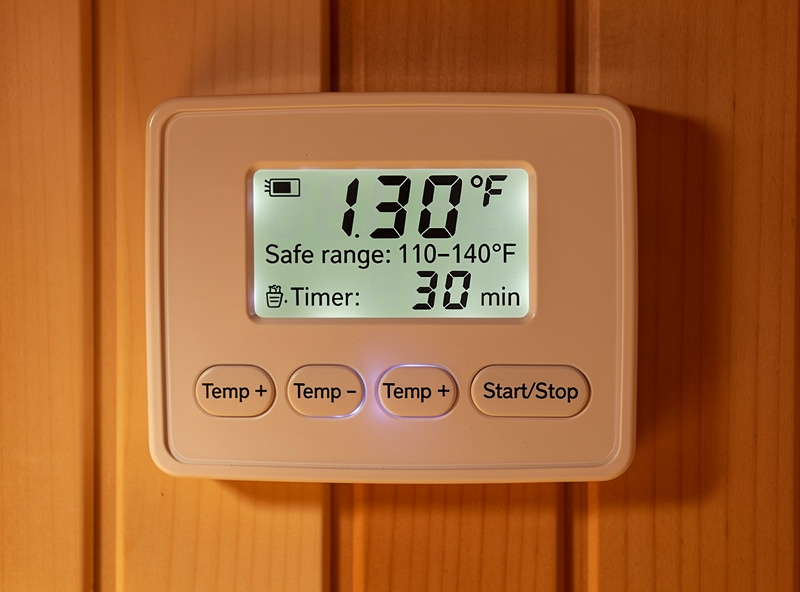
A quick note: the meter linked in this section is an affiliate link — buy through it and I may earn a small commission at no extra cost to you. It is the exact tool I use on my own cabin. Details on my disclaimer page.
EMF Exposure: Understanding the Risks
Electromagnetic field (EMF) exposure from infrared sauna heating elements is one of the most debated safety topics. Here is what you need to know.
What Is EMF?
Electromagnetic fields are invisible areas of energy produced by electrically charged objects. Infrared saunas generate EMF from their heating elements and electrical wiring. The strength of EMF is measured in milligauss (mG). Don’t take a spec sheet’s word for it — the how to measure EMF with a TriField guide walks through metering your own cabin so you know the real number where you actually sit.
Background context:
- Earth’s natural magnetic field: ~0.5 mG
- Typical household appliances: 1-30 mG at close range
- High-tension power lines: 10-100+ mG
- Quality infrared saunas: 0.5-3 mG
- Budget infrared saunas: 10-100+ mG
What the Research Says
The health effects of extremely low frequency (ELF) EMF exposure remain controversial and incompletely understood:
Established facts:
- IARC (International Agency for Research on Cancer) classifies ELF magnetic fields as “possibly carcinogenic to humans” (Group 2B) — same category as coffee and aloe vera extract
- This classification is based on limited evidence from epidemiological studies
- No mechanism linking low-level EMF to cancer has been established
- High-level EMF exposure (far above sauna levels) can cause nerve stimulation and heating
Prudent avoidance principle: While definitive proof of harm from low-level EMF does not exist, minimizing unnecessary exposure is a reasonable precaution.
How to Minimize EMF Exposure
If EMF concerns you, here are practical steps:
- Choose low-EMF saunas: Look for manufacturers advertising “low-EMF” or “ultra-low-EMF” and providing third-party test results under 3 mG at seating position
- Request EMF documentation: Email manufacturers asking for independent EMF testing before purchasing
- Sit properly: Most EMF is emitted from heating panels; sitting centered on the bench, slightly back from panels, reduces exposure
- Limit session time: If concerned, shorter sessions (20 minutes vs. 45) reduce cumulative exposure
- Maintain distance: Do not lean against heating panels
EMF Testing Your Sauna
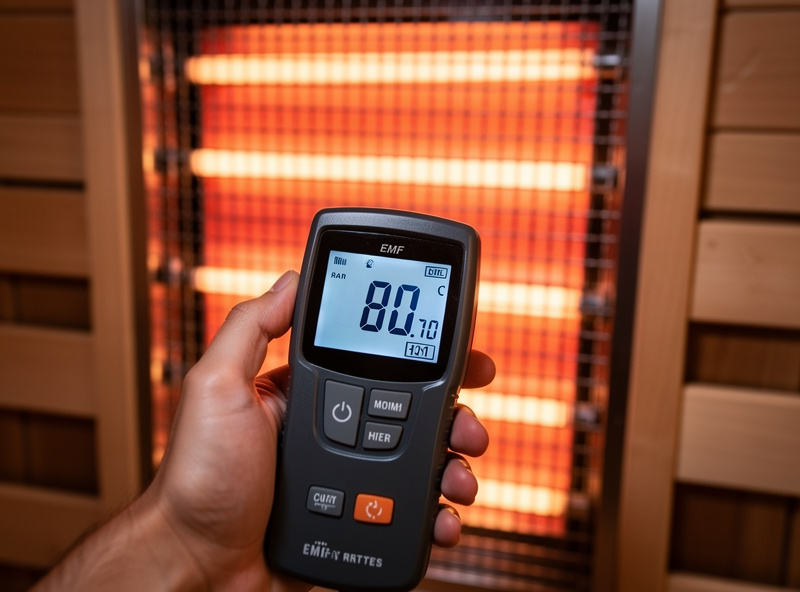
You do not have to take a manufacturer’s EMF claim on faith — this is the one safety spec you can verify yourself in a minute. A TriField TF2 meter (the one I use on my own cabin) reads the field right at the bench, and checking it is genuinely worth doing:
- Measure at seating position where you will spend most time
- Test at multiple panel locations
- Measure during operation (heating elements active)
- Compare readings to manufacturer claims
If your sauna emits more than 10-15 mG at seating position and EMF concerns you, consider upgrading to a lower-EMF model.
Balancing EMF Concerns
Perspective matters. Research on regular sauna use — including the Finnish cohort studies most often cited — has reported associations with several health measures, while EMF risks at the low levels modern cabins produce remain theoretical and largely unproven. For most people, that combination tips toward the sauna’s reported, attributed benefits outweighing the theoretical EMF risk. However, if you are EMF-sensitive or particularly concerned, prioritize low-EMF models and follow minimization strategies. For what it is worth from someone who actually meters these things: a well-built low-EMF cabin reads under a milligauss at the bench on my own TriField, and most of the alarming numbers you see online come from cheap units or from holding the meter against the panel rather than where you actually sit. Measure where your body is, not where the wiring is, and the picture usually calms right down. For a full breakdown of heater types and their EMF output, see the infrared sauna heater EMF guide.
Common Side Effects and How to Prevent Them
Most infrared sauna side effects are mild and preventable with proper protocols.
Dehydration
Symptoms: Thirst, dry mouth, headache, dizziness, reduced urine output, dark urine
Why it happens: Saunas cause significant fluid loss through sweating — typically 1-2 pints per session.
Prevention:
- Drink 16-20 oz water before your session
- Bring water into sauna and sip regularly
- Drink 16-24 oz after session
- Consider electrolyte replacement (coconut water or supplements) for sessions over 30 minutes
- Monitor urine color — pale yellow indicates good hydration
When to seek help: Severe dehydration symptoms (confusion, rapid heartbeat, fainting) require medical attention.
Dizziness and Lightheadedness
Symptoms: Feeling faint, dizzy, or unsteady, especially upon standing
Why it happens: Blood vessels dilate from heat; blood pressure drops; standing quickly reduces blood flow to brain.
Prevention:
- Stand up slowly after sessions
- Sit for 5-10 minutes cooling down before standing
- Stay hydrated
- Avoid sessions immediately after eating (blood diverted to digestion)
- Do not lock your knees while sitting
Response: If dizzy, lie down immediately with feet elevated. Cool compress to forehead. Wait until fully recovered before walking.
Headache
Symptoms: Throbbing or pressure headache during or after session
Possible causes:
- Dehydration (most common)
- Overheating
- Tension from heat stress
- Electrolyte imbalance
Prevention:
- Ensure adequate hydration before, during, and after
- Keep sessions within comfortable limits
- Do not exceed your temperature tolerance
- Replace electrolytes
Skin Irritation
Symptoms: Redness, itching, rash, or sensitivity after sessions
Why it happens:
- Heat sensitivity
- Sweat residue irritation
- Reaction to wood treatment chemicals (in low-quality saunas)
- Pre-existing skin conditions aggravated by heat
Prevention:
- Rinse off immediately after sessions
- Use lower temperatures if prone to irritation
- Ensure sauna uses untreated natural wood
- Moisturize skin after cooling down
- Consult dermatologist if persistent
Overheating and Heat Exhaustion
Symptoms: Nausea, weakness, excessive sweating, cool skin, rapid pulse, confusion
Why it happens: Body cannot dissipate heat fast enough; core temperature rises dangerously.
Prevention:
- Start with shorter, cooler sessions
- Gradually build tolerance over weeks
- Exit immediately if feeling unwell
- Never sleep in sauna
- Stay hydrated
Response: This is a medical emergency. Exit sauna immediately, lie down, cool body with wet cloths, drink cool water, seek medical help if symptoms do not improve rapidly.
Nausea
Why it happens:
- Dehydration
- Overheating
- Low blood sugar (especially morning sessions before eating)
- Motion sickness from reading/using phone in sauna
Prevention:
- Wait 1-2 hours after eating before sauna (but do not go in hungry)
- Stay hydrated
- Keep sessions moderate
- Exit immediately if nausea develops

Proper Session Guidelines
Following proper protocols dramatically reduces risk while maximizing benefit.
Beginner Protocol (First 2-4 Weeks)
- Temperature: 120-130°F
- Duration: 15-20 minutes
- Frequency: 2-3 times per week
- Clothing: Light cotton or towel
- Hydration: 16 oz before, water available during, 16 oz after
Intermediate Protocol (After Adaptation)
- Temperature: 130-140°F
- Duration: 25-35 minutes
- Frequency: 3-4 times per week
- Hydration: 20 oz before, sip during, 20 oz after
Experienced Protocol (Long-term Regular Users)
- Temperature: 140-150°F
- Duration: 30-45 minutes
- Frequency: Daily or every other day
- Hydration: 20 oz before, regular sips during, 20-24 oz after
- Electrolytes: Consider for sessions over 30 minutes
Session Frequency Guidelines
Minimum for benefits: 2 times per week
Optimal for most benefits: 4-7 times per week (Finnish research suggests this frequency for cardiovascular benefits)
Maximum recommended: Daily use is fine for most healthy adults who have built tolerance
Pre-Session Checklist
- ☐ Hydrated (clear or pale yellow urine)
- ☐ Not hungry (ate 1-2 hours ago) but not full
- ☐ Bladder empty
- ☐ No alcohol in system
- ☐ Removed jewelry and glasses
- ☐ Appropriate clothing or towel ready
- ☐ Water bottle filled
- ☐ Someone knows you are sauna bathing (if solo)
Post-Session Protocol
- Sit for 5-10 minutes at room temperature before standing
- Cool down gradually — lukewarm shower preferred over cold plunge
- Rehydrate immediately (16-24 oz water)
- Consider electrolytes if session was long or sweaty
- Wait 30 minutes before intense physical activity
- Moisturize skin after cooling down
Quality and Safety Certifications
When purchasing a sauna, look for these safety certifications:
Essential Certifications
- UL (Underwriters Laboratories): Comprehensive safety testing for electrical and fire hazards
- ETL (Intertek): Alternative to UL, equally rigorous safety testing
- CE Marking: European conformity indicating compliance with health/safety standards
Additional Desirable Certifications
- RoHS (Restriction of Hazardous Substances): Limits toxic materials in electronics
- FSC (Forest Stewardship Council): Sustainable wood sourcing
- ISO Certification: Quality management standards in manufacturing
Red flag: Saunas without any third-party safety certifications may have electrical hazards, use toxic materials, or lack quality control. Avoid these.
Warning Signs: When to Exit Immediately
Exit your sauna immediately if you experience:
- Dizziness or feeling faint
- Nausea or stomach upset
- Rapid or irregular heartbeat (heart rate should increase gradually and remain steady)
- Chest pain or pressure
- Difficulty breathing (beyond normal increased breathing from heat)
- Severe headache
- Confusion or disorientation
- Excessive weakness
- Hot, dry skin (sign of failing to sweat — heat stroke warning)
If symptoms do not resolve within 10-15 minutes of cooling and hydration, seek medical attention.
Special Populations: Additional Considerations
Seniors (65+)
Additional risks: Reduced thermoregulation, medications, underlying conditions
Modified protocol:
- Start very conservatively (120°F, 10-15 minutes)
- Increase duration before temperature
- Have someone aware you are sauna bathing
- Sit near door for easy exit
- Cool down very gradually
- Monitor for signs of overexertion
Athletes
Benefits: Enhanced recovery, reduced DOMS
Safety notes:
- Use after exercise, not before (heat before exercise impairs performance)
- Rehydrate aggressively — athletes may lose 2-3 lbs of fluid per session
- Replace electrolytes (sodium, potassium, magnesium)
- Wait for heart rate to return to near-baseline before next training session
People with Implanted Medical Devices
Pacemakers/ICDs: Modern devices are generally safe in infrared saunas, but consult cardiologist. Keep cell phone away from device in sauna.
Insulin pumps: Heat can damage insulin and affect pump function. Remove pump during sessions or use long tubing to keep pump outside sauna.
Other implants: Consult device manufacturer. Most metal implants are unaffected by infrared, but verify for your specific device.
Combining Saunas with Other Therapies
Exercise and Sauna
Best practice: Exercise first, sauna second.
Using sauna before exercise:
- Depletes fluids and electrolytes needed for performance
- May increase injury risk from fatigue
- Generally not recommended
Using sauna after exercise:
- Supports recovery
- Reduces DOMS
- May enhance training adaptations
- Wait 10-15 minutes post-exercise to normalize heart rate
Cold Therapy Contrast
Some protocols alternate sauna with cold exposure (cold showers, ice baths). While popular, this is not necessary for benefits and adds stress.
Safety notes for contrast therapy:
- Do not jump from hot sauna to very cold water if you have cardiovascular conditions
- Gradual cooling is safer than extreme contrast
- Exit immediately if feeling unwell during contrast
Alcohol and Sauna Use
Never use saunas under the influence of alcohol.
Alcohol:
- Impairs judgment and ability to recognize overheating
- Causes vasodilation, compounding blood pressure drops
- Increases dehydration
- Associated with sauna-related deaths in Finland (typically involving heavy alcohol use)
Wait at least 2-3 hours after consuming alcohol before sauna use.
Emergency Preparedness
Prepare for unlikely emergencies:
- Keep phone accessible: But outside sauna (heat damages phones)
- Tell someone your plans: If using sauna alone, inform someone of your timing
- Keep door accessible: Never block your exit path
- Know emergency numbers: Have them posted or in phone
- Have water outside: For emergency cooling if needed
- Consider emergency button: Some high-end saunas include emergency call features
The Bottom Line on Safety
Infrared saunas have an excellent safety record when used properly. The vast majority of users experience only benefits with no adverse effects. The keys to safe use are:
- Know your contraindications: Get medical clearance if you have any health conditions
- Start conservatively: Build tolerance gradually over weeks
- Stay hydrated: Before, during, and after
- Listen to your body: Exit if anything feels wrong
- Never use alone if high-risk: Have someone aware of your session
- Follow proper protocols: Temperature, duration, and frequency guidelines
- Choose quality equipment: Low EMF, certified electrical, non-toxic materials
With these precautions, infrared sauna therapy is one of the safest wellness interventions available, with a risk profile far lower than many common activities.
Next Steps
Now that you understand safety protocols:
- Review our setup guide to prepare your space safely
- Read the science behind benefits to set realistic expectations
- Explore our sauna recommendations prioritizing safety certifications
- Start with beginner protocols and progress gradually
Last updated: February 2026 | This information is for educational purposes and is not a substitute for professional medical advice. Always consult your healthcare provider before beginning any new wellness practice.
Frequently Asked Questions
What is the difference between infrared and traditional saunas?
Infrared saunas heat your body directly using light waves at 120-150°F, while traditional saunas heat the air to 150-195°F. Infrared saunas warm up faster, cost less to operate, and allow longer sessions at lower temperatures.
Which type of infrared sauna is best?
Far infrared saunas are the most popular and well-researched option for beginners. Full spectrum saunas combine near, mid, and far infrared for comprehensive benefits but cost 30-50% more. For most users, far infrared provides the best value.
How long do infrared sauna sessions last?
Beginners should start with 15-minute sessions at 120°F and build up to 25-45 minutes over several weeks. Most research supporting health benefits used 25-45 minute sessions, 3-4 times per week.
Can I use an infrared sauna every day?
Yes, daily use is safe for most healthy adults. Research shows benefits compound with regular use. Stay hydrated, limit sessions to 45 minutes, and take rest days if you feel fatigued or dehydrated.
What should I look for when buying an infrared sauna?
Key factors include heating technology (carbon fiber panels preferred), EMF levels (look for third-party testing), wood quality (Canadian hemlock or cedar), warranty (minimum 5 years on heaters), and size matching your available space and user count.