Quality infrared sauna therapy does not require a luxury budget. While premium models offer advanced features and lower EMF levels, legitimate health benefits start at under $1,000. This guide covers what you can realistically expect at budget prices, which trade-offs matter, and how to find quality options that deliver real value without breaking the bank.
As an Amazon Associate I earn from qualifying purchases.
Reality Check: What $1,000 Buys
Before diving into recommendations, understand what the sub-$1,000 price point actually delivers:
What You Get
- Far infrared therapy: Legitimate carbon panel heating that raises core body temperature
- Basic controls: Digital temperature and timer settings
- Functional construction: Hemlock or similar wood that holds up to regular use
- Standard 120V operation: Plugs into regular household outlets
- 1-person or small 2-person capacity: Compact footprint suitable for apartments
What You Typically Sacrifice
- Full spectrum capability: Near and mid infrared wavelengths are rare under $1,500
- Ultra-low EMF: Budget units typically emit 5-15 mG vs. under 3 mG for premium
- Premium wood: Western Red Cedar rarely appears under $1,500
- Advanced features: Chromotherapy, premium audio, smartphone apps usually absent
- Longest warranties: 1-year typical vs. lifetime for premium brands
- Brand reputation: Lesser-known manufacturers with shorter track records
The Bottom Line
A $900 sauna from a legitimate manufacturer delivers the core therapeutic benefits — cardiovascular conditioning, detox support, pain relief — that a $4,000 sauna provides. The differences lie in EMF levels, build quality, features, and longevity. For first-time buyers and budget-conscious users, the entry-level options represent genuine value.
Categories Under $1,000
1. Sauna Blankets: $150-$500
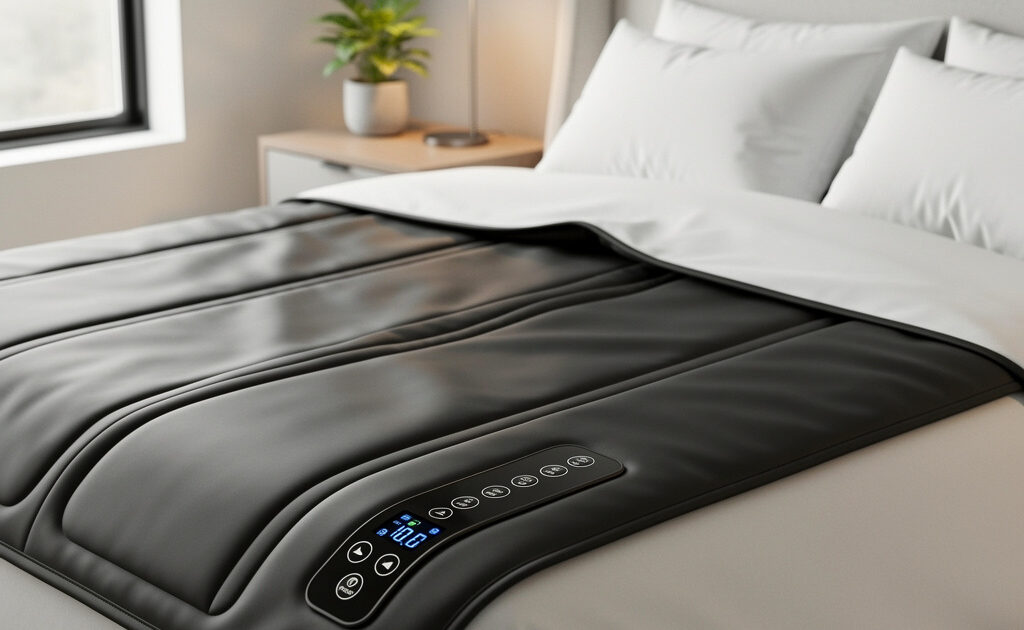
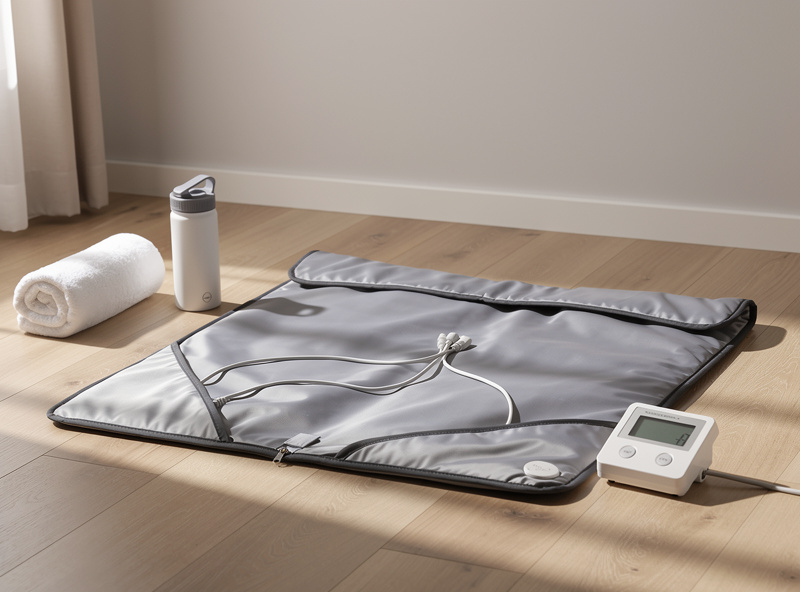
Sauna blankets offer the lowest price of entry into infrared therapy. These wraparound devices enclose your body in infrared-emitting fabric, delivering far infrared heat directly to your skin.
Advantages
- Lowest cost infrared option ($150-$500)
- Zero installation — unfold and plug in
- Extremely compact — stores in closet or under bed
- Portable — travel with it
- Standard outlet operation
- Minimal space requirements
Limitations
- Cannot move during session (must lie still)
- Less comfortable than cabin saunas
- Smaller heating area
- Head remains outside (some users prefer this; others find it detracts)
- Shorter lifespan than cabin saunas
- Some users report claustrophobia
What to Look For in Sauna Blankets
- Non-toxic materials (avoid PVC and toxic plastics)
- Consistent heating across entire surface
- Temperature control with safety shutoff
- Low EMF certification
- Easy-to-clean surface
- Timer function
Top Brands to Consider
- Higher Sleep: Premium blanket with low EMF claims ($400-500)
- MiHIGH: Athlete-focused design ($300-400)
- Vanell: Budget option with decent reviews ($150-250)
Verdict: Sauna blankets deliver legitimate infrared benefits at the lowest price point. Ideal for testing whether sauna therapy works for you, apartment dwellers with extreme space constraints, or as a portable travel option. I keep a blanket in my own travel kit for exactly this reason — it is the cheapest honest way to find out whether you will use infrared before you spend cabin money. A well-reviewed low-EMF sauna blanket is where I tell every first-timer to start.
2. Portable Tent Saunas: $200-$600
Portable tent saunas create a small enclosed space using fabric walls mounted on a frame, with infrared panels providing heat. They offer more comfort than blankets while maintaining portability.
Advantages
- Sit upright during session
- More spacious than blankets
- Can read, meditate, or listen to music comfortably
- Foldable for storage
- Still relatively affordable
- Some models allow head inside or outside
Limitations
- Setup and takedown time for each use
- Less durable than cabin saunas
- May not reach temperatures of quality cabin units
- Aesthetics — visible in your living space
- Typically single-person only
What to Look For in Tent Saunas
- Sturdy frame construction
- Quality infrared panels (carbon preferred)
- Chair included or compatible with standard chairs
- Easy assembly (under 5 minutes)
- Foot pad included
- Window or opening for head if preferred
Top Brands to Consider
- SereneLife: Popular budget option ($250-350)
- Maxxus: Known for infrared saunas, has portable options ($300-500)
- Durasage: Simple, affordable design ($200-300)
Verdict: Tent saunas bridge the gap between blankets and cabin saunas. More comfortable than blankets, more affordable than cabins. Best for those who want an upright sauna experience without permanent installation. If you want to sit upright without a permanent install, a portable infrared tent sauna is the format I reach for on the road.
3. 1-Person Cabin Saunas: $700-$1,000
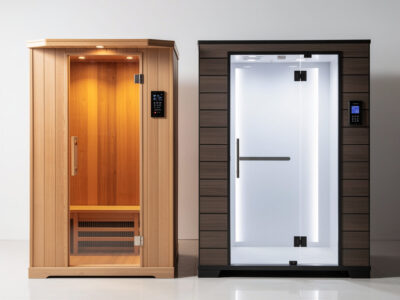
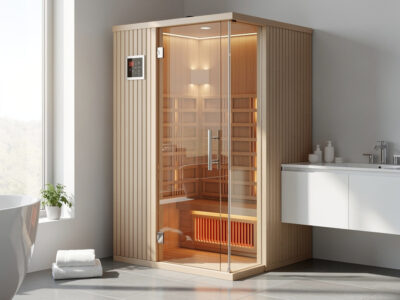
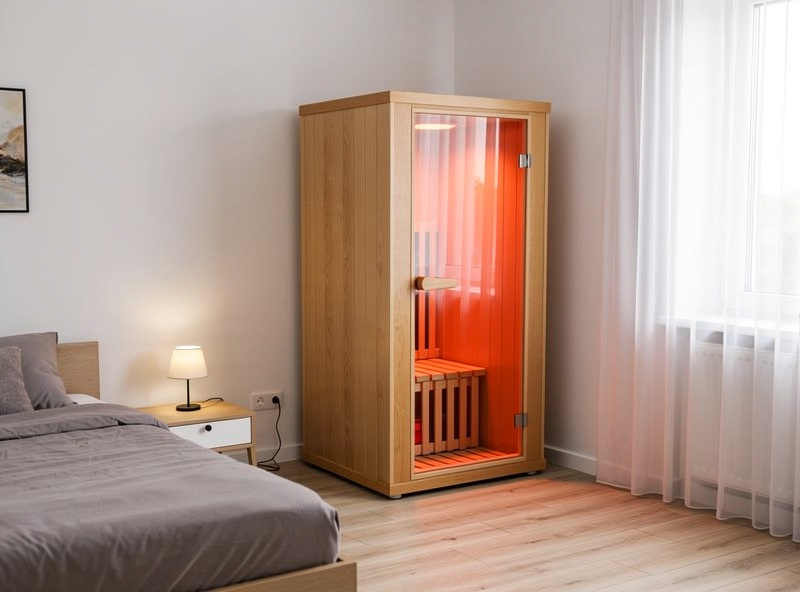
This is where true cabin sauna experiences begin. At the $700-$1,000 price point, you enter the world of wood-construction infrared saunas that look and function like premium units, albeit with simpler features.
Advantages
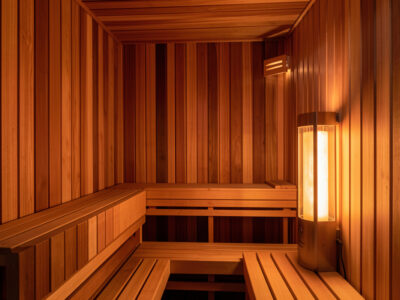
- Real sauna experience — enclosed wood cabin
- Move freely during session
- Aesthetically pleasing — looks like furniture
- More efficient heating than tents/blankets
- Can add accessories (towel hooks, backrests)
- Better heat retention
Limitations
- Usually far infrared only (no near/mid options)
- Higher EMF than premium brands (verify before buying)
- Simpler controls and features
- Basic wood (hemlock standard; cedar rare)
- Shorter warranties
- May have less even heat distribution
What to Look For in Budget Cabin Saunas
Non-negotiable requirements:
- Canadian Hemlock or equivalent untreated wood
- Carbon fiber heating panels (not just marketing claims)
- EMF levels under 15 mG (ideally under 10 mG)
- ETL or UL electrical certification
- At least 1-year warranty
- Tempered glass door
Nice-to-have features:
- Chromotherapy lighting
- Basic audio system
- Reading light
- Interior vents
How to Evaluate Budget Brands
Many budget cabin saunas are manufactured in the same Chinese factories and sold under various brand names. When evaluating:
- Request EMF documentation: Email the company asking for third-party EMF test results. Reputable sellers will provide them. Avoid companies that refuse or ignore the request.
- Check Amazon reviews carefully: Look for patterns in verified purchase reviews about durability after 6+ months, heating consistency, and customer service responsiveness.
- Verify wood quality: Photos should show solid wood panels, not particle board or plywood.
- Understand the warranty: What exactly is covered? Who handles claims? How responsive is customer service?
- Compare specifications: Heating panel count and wattage should be disclosed. More panels and higher wattage generally mean better heat distribution.
The $500-$700 Danger Zone
Be extremely cautious with cabin saunas priced under $700. At these prices, corners get cut in ways that affect safety and effectiveness:
- High EMF emissions (30-100+ mG)
- Chemically treated or low-grade woods
- Insufficient heating elements
- Electrical safety concerns
- No meaningful customer support
If your budget is truly under $700, consider a high-quality sauna blanket rather than a cheap cabin that may be unsafe or ineffective. I will put this in metered terms, because EMF is the one corner budget cabins genuinely cut: I have read 30 to 100+ mG off cheap cabin panels on my own TriField, versus the sub-milligauss numbers a properly wired low-EMF unit holds. If you buy at this tier, buy a TriField TF2 meter too and read the bench position before you make it a daily habit — it is the single measurement that separates a safe budget unit from one you should send back.
Budget Brand Analysis
Tiers of Budget Manufacturers
Tier 1: Established Budget Brands ($800-$1,000)
These brands have been in the market 5+ years with track records:
- Dynamic Saunas: Solid construction, decent EMF levels, good value at $800-1,000 — check current price on Amazon →
- JNH Lifestyles: Popular budget option with generally positive reviews
- Maxxus: Known for good heating element quality at budget prices
Tier 2: Generic/White-Label Brands ($600-$900)
Same factories, different branding. Quality varies widely:
- Many Amazon-only brands fall here
- Require careful vetting of specifications
- EMF levels often higher
- Customer service can be inconsistent
Tier 3: To Be Avoided (Under $600)
Rarely meets basic safety and effectiveness standards:
- Unknown heating element quality
- Often no third-party certifications
- High EMF levels
- Very limited or no warranty
- Chemically treated woods common
The Upgrade Path: Start Budget, Go Premium
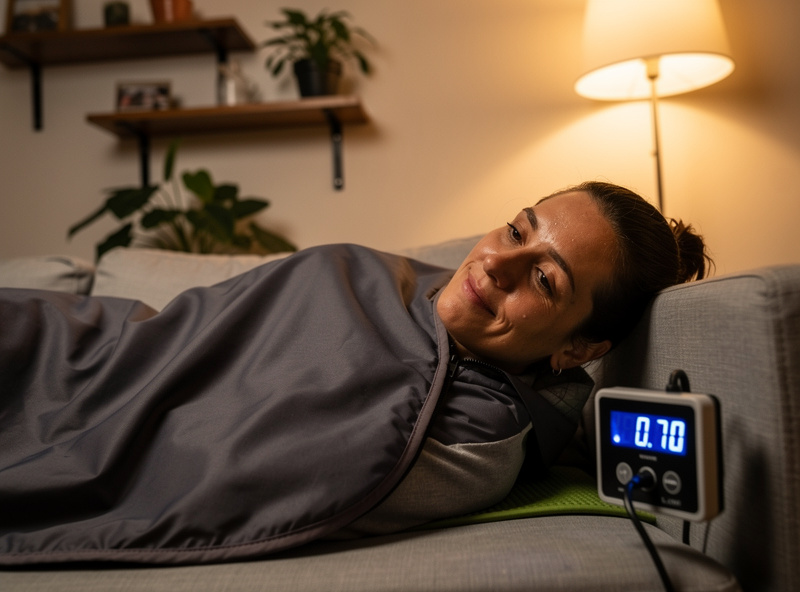
One smart strategy is starting with a budget unit to test your commitment, then upgrading if sauna therapy becomes a habit:
Year 1: Test Phase
- Buy quality sauna blanket ($300-400) or budget cabin ($800-1,000)
- Use 3-4 times per week for 3-6 months
- Assess benefits and enjoyment
- Learn what features you actually use
Year 2+: Upgrade Decision
If sauna use stuck:
- Sell or gift your budget unit
- Invest in premium model ($2,500-4,000)
- You now know which features matter to you
- Better ROI because you will actually use it
If sauna use did not stick:
- You minimized initial investment
- Sell budget unit recouping some cost
- No guilt about expensive unused purchase
Total cost of this strategy: $300-1,000 for test phase, then $2,000-3,500 net for premium upgrade after selling budget unit.
Buying Used: Opportunities and Risks
The used market offers additional savings for budget-conscious buyers:
Where to Find Used Saunas
- Craigslist and Facebook Marketplace
- Local sauna/spa equipment dealers
- Appliance resale stores
- Estate sales in affluent areas
What to Check When Buying Used
- Age and usage: How old? How frequently used? Heating elements degrade over time (10+ year old units may have reduced output)
- Heating panel condition: Inspect for cracks, discoloration, or cold spots
- Wood integrity: Check for warping, water damage, or mold
- Electrical safety: Have an electrician inspect before regular use
- Reason for sale: Why are they selling? (Moving, upgrade, or problems?)
- Disassembly feasibility: Can you transport it?
Pricing Used Saunas
- 1-2 year old, light use: 50-60% of retail
- 3-5 year old, moderate use: 30-40% of retail
- 5+ years old: 20% or less — verify condition carefully
DIY and Semi-DIY Options
For the truly budget-conscious and handy, DIY approaches exist:
Infrared Panel Installation in Existing Space
Some users install infrared heating panels in closets, small rooms, or custom enclosures:
- Purchase infrared heating panels separately ($200-500)
- Install in insulated, enclosed space
- Requires electrical knowledge or electrician
- Must address ventilation, safety, and materials
Warning: This requires technical skill and safety knowledge. Improper electrical work creates fire hazards. Only attempt if qualified or working with a professional.
Pre-Fabricated Sauna Kits
Some companies sell sauna kits requiring assembly but at lower prices:
- Ships unassembled (lower shipping costs)
- More construction required
- Can save 20-30% vs. pre-assembled
Setting Realistic Expectations at Budget Prices
Therapeutic Benefits
A $900 sauna delivers the same core physiological benefits as a $4,000 unit:
- Core body temperature elevation
- Sweating and detox support
- Cardiovascular conditioning
- Pain relief
- Stress reduction
What You Give Up
- Lower EMF (though 10-15 mG is still considered safe by most standards)
- Premium features and aesthetics
- Longevity (5-10 years vs. 15-20 for premium)
- Brand reputation and customer service quality
The Honest Assessment
For someone new to infrared therapy on a budget, a quality $800-1,000 sauna blanket or cabin unit is absolutely worth buying. You will experience genuine benefits. If sauna therapy becomes a long-term habit, you can always upgrade later with full knowledge of what features matter to you.
Do not let perfect be the enemy of good — a budget sauna you use regularly delivers infinitely more benefit than a premium sauna you cannot afford or an unfulfilled dream of someday buying one.
Quick Reference: Best Value by Category
| Category | Price Range | Best For | Key Recommendation |
|---|---|---|---|
| Sauna Blanket | $300-$500 | Absolute minimum investment, portability | Verify non-toxic materials, low EMF claims |
| Portable Tent | $250-$600 | Upright experience, compact storage | Check frame sturdiness, panel quality |
| 1-Person Cabin | $700-$1,000 | Real sauna experience, home use | Verify EMF <15 mG, solid wood only |
| Used Cabin | $400-$800 | Budget-conscious, willing to inspect | Check heating panels, electrical safety |
Making Your Decision
Choose your budget path based on:
- Your absolute budget ceiling: Be honest about what you can spend
- Your space situation: Apartment dwellers may lean toward blankets
- Your commitment uncertainty: Unsure if you will stick with it? Start with a blanket to test
- Your feature priorities: Must have “real” sauna feel? Save for cabin
- Your upgrade timeline: Planning to upgrade in 1-2 years? Budget cabin makes sense
Next Steps
Ready to move forward with your budget sauna:
- Review our main buying guide for quality standards to apply to budget options
- Read our setup guide — budget or premium, installation basics are the same
- Study safety guidelines — especially important with budget units where quality varies
- Learn the science behind benefits so you know what to expect
Remember: infrared sauna therapy is not about having the most expensive equipment — it is about consistent use. A $400 sauna blanket used four times per week for a year delivers far more health value than a $4,000 cabin used twice per month.
Last updated: February 2026. Prices and availability subject to change. Always verify current specifications and EMF testing before purchasing.
Frequently Asked Questions
What is the difference between infrared and traditional saunas?
Infrared saunas heat your body directly using light waves at 120-150°F, while traditional saunas heat the air to 150-195°F. Infrared saunas warm up faster, cost less to operate, and allow longer sessions at lower temperatures.
Which type of infrared sauna is best?
Far infrared saunas are the most popular and well-researched option for beginners. Full spectrum saunas combine near, mid, and far infrared for comprehensive benefits but cost 30-50% more. For most users, far infrared provides the best value.
How long do infrared sauna sessions last?
Beginners should start with 15-minute sessions at 120°F and build up to 25-45 minutes over several weeks. Most research supporting health benefits used 25-45 minute sessions, 3-4 times per week.
Can I use an infrared sauna every day?
Yes, daily use is safe for most healthy adults. Research shows benefits compound with regular use. Stay hydrated, limit sessions to 45 minutes, and take rest days if you feel fatigued or dehydrated.
What should I look for when buying an infrared sauna?
Key factors include heating technology (carbon fiber panels preferred), EMF levels (look for third-party testing), wood quality (Canadian hemlock or cedar), warranty (minimum 5 years on heaters), and size matching your available space and user count.