A full-spectrum infrared sauna is worth it only when the near-infrared emitter is genuinely powerful — a real 500 W-plus emitter, not a token 150 W bulb bolted to an ordinary far-infrared cabin. For most home buyers chasing comfortable whole-body warmth, an all-far-infrared carbon cabin delivers 90% of the experience at a lower price and lower EMF. The premium pays off in one specific case, which I’ll lay out.
I’ve lived with both: a far-infrared carbon cabin as my daily driver and a separate full-spectrum unit with a near-infrared halogen emitter. So this isn’t a spec-sheet opinion — it’s what I actually reach for on a dark Swedish evening, and why the full-spectrum unit isn’t always it. The question “is full spectrum worth it” has a real answer, but it depends entirely on what the hardware behind the label actually is.
What “Full Spectrum” Actually Buys You
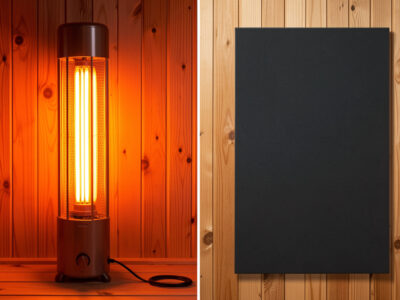
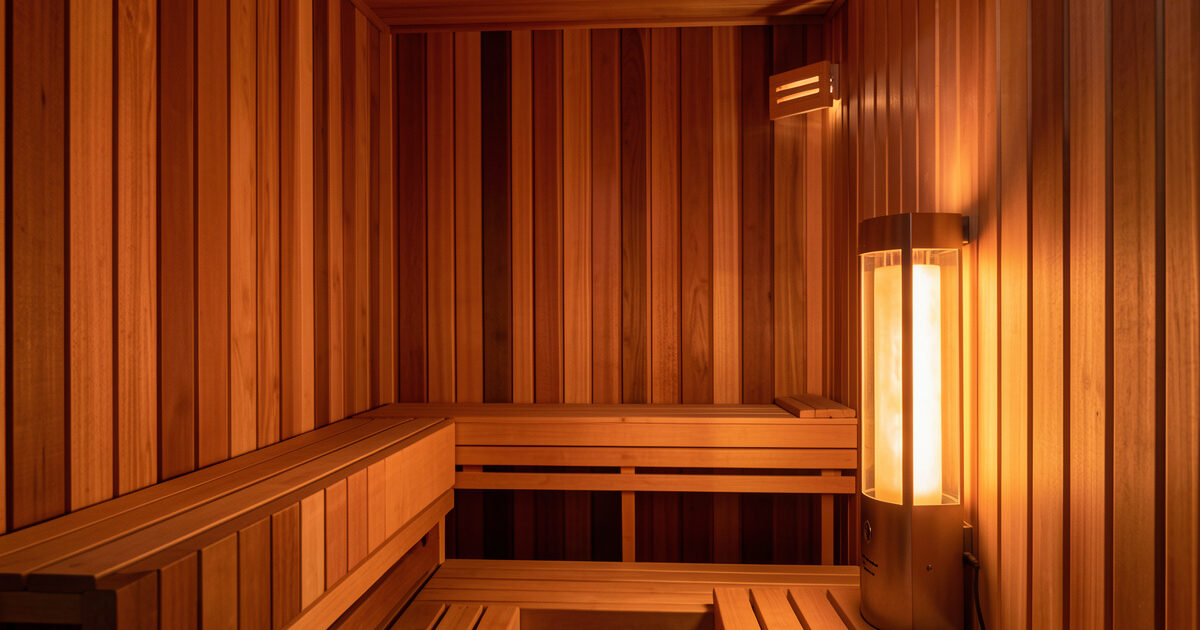
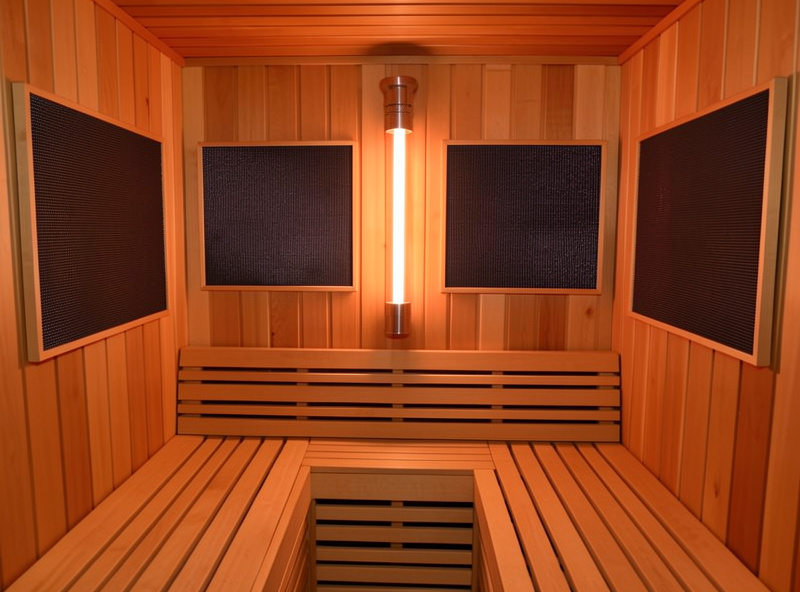
Full spectrum means a cabin emits across all three infrared bands: far (3 µm and up) from large carbon or carbon/ceramic panels, plus near (0.7–1.4 µm) from a dedicated incandescent or halogen emitter, with the mid band falling out as overlap between them. The far panels do the steady, even, whole-body warming. The near emitter adds a hot, directional element you face for part of the session — instant heat on the skin pointed at it.
That near-infrared element is the entire reason to pay more, because no far-infrared panel can produce it. If you want that hot, immediate, heat-lamp sensation in addition to gentle far warmth, full spectrum is the only way to get both in one box. The band physics behind this is in my infrared sauna spectrum guide, and the head-to-head feel of the two bands is in near vs far infrared.
The Token-Bulb Trap
Here’s what kills the value for most “full spectrum” cabins on the market: a single low-wattage near-infrared bulb. One 150–300 W emitter can’t flood a cabin with near-infrared. It’s a spotlight that warms a few centimeters of facing skin, and the moment you turn or lean back you’re getting nothing but the far panels you’d have had anyway. Paying a several-hundred-dollar premium for that is the worst value in the category.
When I evaluate a full-spectrum claim I go straight to the near-infrared emitter’s wattage and count. A real near-infrared experience comes from substantial emitters — think 500 W and up, often multiple tubes — that put out enough near-band energy to matter across your body, not just on your sternum. If the spec sheet buries or omits the NIR wattage, that’s the tell that you’re buying a sticker. The hardware distinctions are detailed in near, mid and far infrared heaters.
The EMF Trade-Off
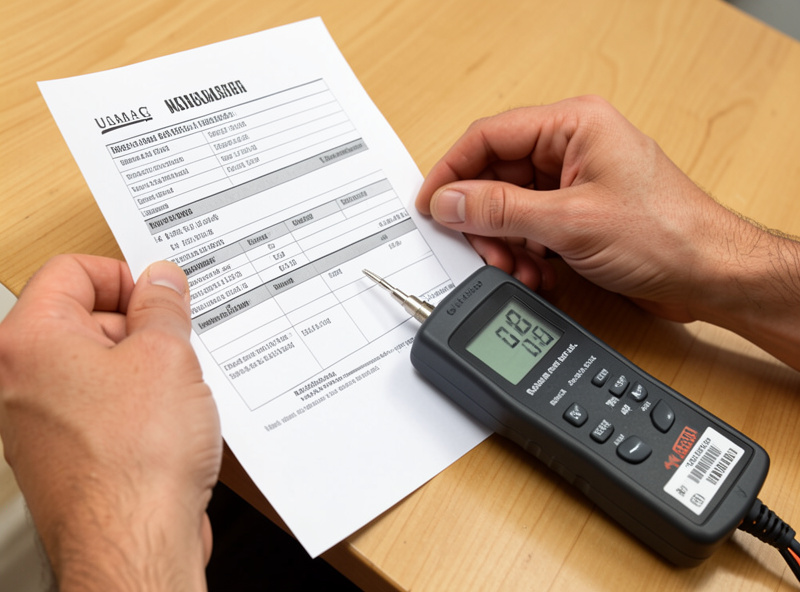
There’s an engineering cost to adding near-infrared that the brochures skip. On my TriField TF2, the large low-current carbon far-infrared panels read low — a milligauss or two at seat distance with tidy wiring. A near-infrared halogen emitter concentrates current through a small element and reads higher right at the tube. So a full-spectrum cabin introduces a localized field source that an all-far-infrared cabin simply doesn’t have.
This is why “low-EMF” and “full-spectrum” can pull against each other. It’s not a reason to rule out full spectrum — the field falls off with distance and you can sit sensibly — but if low EMF is your top priority, the simplest path is an all-far cabin. Measure before you assume; the method is in how to measure sauna EMF and the labeling reality is in the low-EMF guide.
Full Spectrum vs Far-Only: The Value Question
| Factor | Full-spectrum cabin | Far-infrared carbon cabin |
|---|---|---|
| Bands emitted | Near + mid + far | Far only |
| Directional NIR heat | Yes (if emitter is real) | No |
| Whole-body warmth | Yes | Yes |
| Typical price premium | Higher | Lower |
| EMF at seat | Higher near the NIR tube | Low with good wiring |
| Circuit demand | More likely to need 20A | Often fits 16A |
| Best for | Wanting a real NIR element too | Comfortable low-EMF whole-body heat |
When Full Spectrum Is Worth the Premium
It’s worth it if you specifically want a genuine near-infrared element in addition to far warmth, and the unit you’re looking at has real emitters with published, substantial wattage. In that case you’re buying something a far-only cabin physically cannot do, and the premium is honest. It’s also reasonable if you’d otherwise buy a separate near-infrared lamp anyway — integrating it into the cabin saves space and a second circuit.
It’s not worth it if the “full spectrum” badge rests on one weak bulb, if low EMF is your priority, or if you mostly want a calm, even, long-sit warmth — because far-infrared already nails that. For most of my own winter sessions I open the far-infrared cabin, not the full-spectrum one, simply because even whole-body warmth is what I want most nights. The deeper comparison of running a standalone panel versus a cabin is in NIR panels vs a full cabin.
Living With Both: My Honest Use Pattern
The most useful thing I can tell you isn’t a spec — it’s which door I open. Across a Swedish winter I reach for the far-infrared carbon cabin most nights, because what I want after a cold day is even, enveloping warmth I can sit in for 30 to 40 minutes without a hot spot nagging at me. The full-spectrum unit comes out when I specifically want that directional near-infrared element to face, which is a real but occasional preference, not my default.
That pattern is the honest answer to “worth it” for a lot of buyers: the near-infrared element is a genuine extra, but it’s a sometimes-extra. If you’d use it often, pay for a real one. If you suspect it’d be a novelty you stop using by February, the money is better spent on better far-panel coverage and tidier wiring. Knowing your own use habits beats any feature list.
What Full Spectrum Costs to Run
Running cost tracks the hardware. My far-infrared daily driver pulls around 1.6 kW once warm, and a 40-minute session including preheat lands near 1.0–1.3 kWh on the kill-a-watt. A full-spectrum cabin draws more during its near-infrared phase because that incandescent emitter is power-hungry for its size, even though you typically run it for only part of the session. Over a winter of regular use that difference is modest but real, and it stacks on top of the higher purchase price. The full session math is in electricity cost per session.
How to Judge a Specific Unit
Skip the adjectives and check four facts. First, the near-infrared emitter wattage and count — this is the whole value proposition, so if it’s hidden, walk. Second, the far-panel material and coverage, because that’s what carries every session whether or not you use the NIR. Third, published EMF figures with the measurement distance stated; a number with no distance is meaningless. Fourth, the total wattage against your available circuit — a real full-spectrum unit often wants its own 20A line.
Get those four and the worth-it question answers itself. A unit with strong NIR emitters, good far coverage, honest EMF data, and a circuit you can supply is a fair premium. A unit that’s coy about its near-infrared hardware is selling you a word. For what each band actually contributes to a session, see the full-spectrum band explainer, and for the broad three-type framing, the near vs far vs full spectrum overview.
Frequently Asked Questions
Is a full-spectrum infrared sauna worth the extra money?
Only when the near-infrared emitter is genuinely powerful, roughly 500 watts and up rather than a token 150 watt bulb. For comfortable whole-body warmth alone, an all-far-infrared carbon cabin delivers most of the experience for less money and lower EMF.
What does full spectrum add over far-infrared?
A dedicated near-infrared emitter, which produces hot, directional heat on the skin facing it. Far-infrared panels cannot make near-infrared, so this directional heat-lamp sensation is the one thing the full-spectrum premium genuinely buys you.
How can I tell if a full-spectrum sauna is real or just a sticker?
Check the near-infrared emitter wattage and count. A real near experience comes from substantial emitters around 500 watts or more, often multiple tubes. If the spec sheet hides or omits the NIR wattage, you are likely paying for a single weak bulb.
Does a full-spectrum sauna have higher EMF?
It can. The near-infrared halogen emitter concentrates current through a small element and reads higher at the tube on my TriField TF2 than the large low-current far-infrared panels. The field drops off with distance, so measure and seat yourself sensibly.
Does a full-spectrum sauna need a special circuit?
Often yes. A genuine full-spectrum cabin with a high-wattage near-infrared emitter draws more than a far-only unit and is the most likely to need its own dedicated 20A line. Check total wattage against your available circuit before buying.
Further Reading
- Infrared Sauna Spectrum Explained
- Near Infrared vs Far Infrared: The Real Difference
- Near-Infrared Panels vs a Full Cabin
- Full-Spectrum Infrared Sauna Bands Explained
- What Low-EMF Actually Means
As an Amazon Associate I earn from qualifying purchases. Before paying a full-spectrum premium, a TriField TF2 meter lets you confirm the EMF trade-off for yourself.