An infrared sauna costs about $0.10 to $0.45 in electricity per session, which works out to roughly $22 to $85 a year at four sessions a week depending on cabin size and your local rate. The formula is simple — cabin wattage multiplied by session length in hours multiplied by your price per kWh — but the number most spec sheets quote is lower than what your meter actually reads, because they leave out the preheat.
I do not estimate this number; I read it. A plug-in energy meter on the sauna circuit shows the real draw, preheat included, and in my own session log a 2-person carbon cabin lands right where the math predicts. This guide gives you the formula, the per-size numbers, the regional rate adjustments, and the two habits that quietly move your bill — so you can settle the running-cost question with a measurement instead of a guess. For where electricity sits in the full ownership picture, the complete cost guide stacks it alongside purchase, install, and ongoing costs.
As an Amazon Associate I earn from qualifying purchases.
The Formula: Wattage x Hours x Rate
Per-session electricity cost is cabin wattage (in kilowatts) multiplied by session length in hours multiplied by your rate per kWh. A 1,500W cabin is 1.5 kW; a 45-minute session is 0.75 hours; at $0.16/kWh that is 1.5 × 0.75 × 0.16 = $0.18 a session. Change any one variable and the cost moves proportionally — double the rate and you double the cost, halve the session and you halve it.
The catch is that “wattage” on the spec sheet is the heater’s rated draw, and the heaters do not run at full power the whole session. Once the cabin reaches set temperature, the controller cycles the panels on and off to hold it, so actual energy use is lower than rated-watts × time would suggest — except during preheat, when the panels run flat out to warm the cabin from cold. That is why a metered reading is the only number I trust, and why the formula is a good estimate but not the last word.
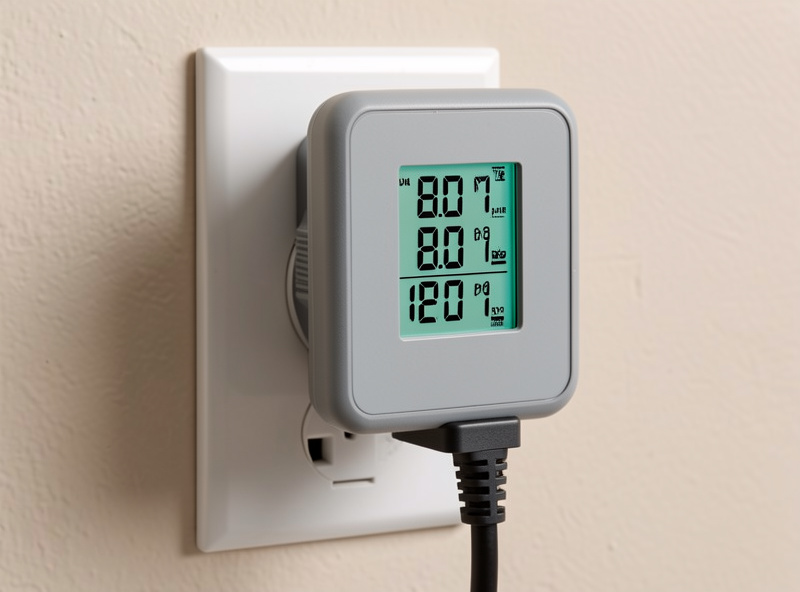
Cost Per Session and Per Year by Cabin Size
Bigger cabins draw more, but even a 4-person unit stays modest. At a US-average $0.16/kWh, a 1-person cabin costs about $0.10 a session, a 2-person about $0.14–$0.18, and a 4-person 240V cabin about $0.27–$0.41. Annual cost at four sessions a week runs from roughly $22 for the smallest cabin to $85 for the largest — the same bracket as a home treadmill, not a major appliance.
| Cabin size | Typical wattage | 45-min session | Annual (4x/week) |
|---|---|---|---|
| 1-person | 1,200W | $0.10–$0.14 | $22–$30 |
| 2-person | 1,500W | $0.14–$0.18 | $25–$38 |
| 3-person | 1,950W | $0.18–$0.23 | $33–$48 |
| 4-person (240V) | 3,400W | $0.27–$0.41 | $56–$85 |
For comparison, a household water heater runs $300–$500 a year and a clothes dryer $80–$150 — the sauna sits well below both. The numbers above assume the average US rate; your bill scales directly with your local price, which is the single biggest variable and the one most people forget to check.
Adjusting for Your Local Electricity Rate
Your local rate swings the whole table. US rates range from about $0.13/kWh in Texas to $0.30/kWh in California, with most of the Midwest near $0.14. To adjust, multiply the figures above by your rate divided by $0.16: California (×1.875) roughly doubles them, Texas (×0.81) shaves them, and a $0.14 Midwest rate (×0.875) barely changes them.
At rates above $0.25/kWh, a 2-person cabin at four sessions a week pushes into the $50–$100 a year range — still small, but worth knowing before you buy if you live in a high-rate state. Your bill or your utility’s website lists your exact rate per kWh; that one number makes every estimate on this page precise for your home. If you run other big draws like a hydroponic grow setup, the same kill-a-watt approach that meters those works identically on the sauna circuit. The circuit a 4-person cabin draws on also affects how you meter it — the installation requirements guide covers the 240V wiring those larger cabins need.
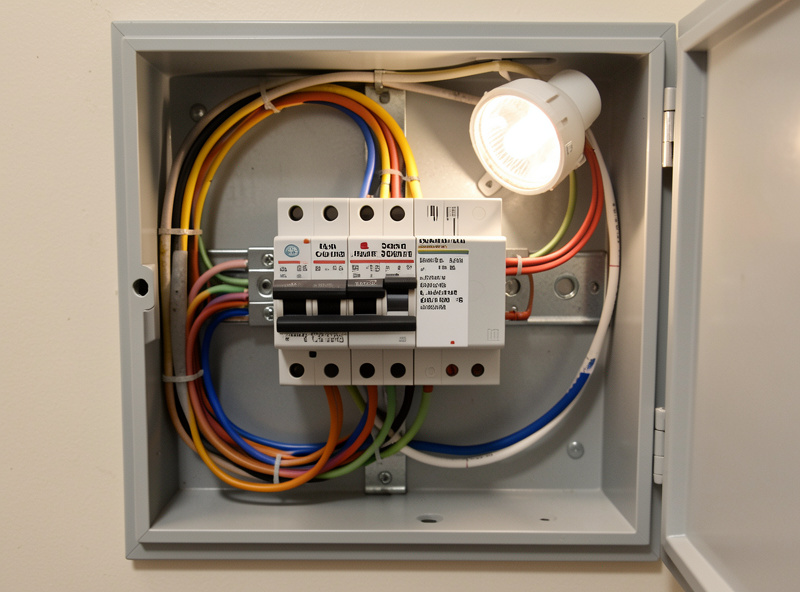
Metering It Yourself: The Only Number That Settles It
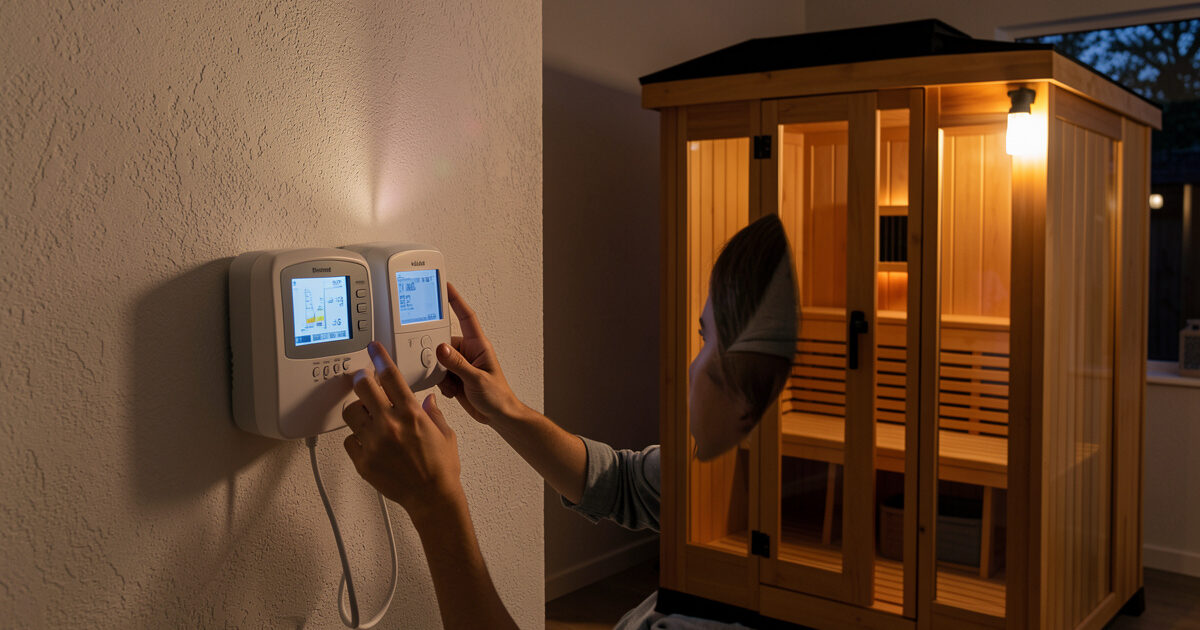
The most reliable way to know your real cost is to plug a kill-a-watt energy meter inline and read the kWh after a full session, preheat included. On a 110V cabin this is a two-minute setup; on a hardwired 240V cabin you read the dedicated circuit at the panel instead. The meter shows total kWh for the session, which you multiply by your rate — no formula, no spec-sheet guesswork.
A plug-in kill-a-watt energy meter is the cheapest tool in my whole sauna kit and the one that has settled more running-cost arguments than any spec sheet. Some links here are affiliate links, meaning I may earn a small commission at no extra cost to you if you buy through one — I only point to gear I actually run and meter myself. In my own log, metering revealed the preheat is where most of the energy goes, which leads straight to the two habits below.
Two Habits That Move Your Bill
Two things change your running cost more than cabin size: preheat length and session frequency. A long pre-warm before you ever step in adds kWh to every session, so a scheduled preheat timed to finish right as you walk in — rather than running for 30 minutes while you are still upstairs — is the single easiest saving. The smart-plug hub that schedules my grow lights pre-heats the sauna the same way, on a rule that starts it just in time.
Frequency is the other lever, and it is simply your choice of routine: three 30-minute sessions a week costs roughly half what daily 45-minute sessions do. Neither is wrong — but knowing the per-session number lets you spend on your routine deliberately. For how session length fits the bigger picture of comfort and use, the broader cost guide and the at-home running-cost breakdown tie the electricity math to the full budget. One more thing worth knowing: an empty cabin left on standby with a controller display lit draws almost nothing — fractions of a watt — so there is no real penalty to a cabin that sits idle between sessions. The cost is in the heat you actually use, which is exactly why metering a real session, rather than worrying about phantom standby draw, is where the useful number lives.
Frequently Asked Questions
How much electricity does an infrared sauna use per session?
At a US-average rate of $0.16 per kWh, a 45-minute session costs about $0.10 for a 1-person cabin, $0.14 to $0.18 for a 2-person, and $0.27 to $0.41 for a 4-person 240V cabin. The formula is cabin kilowatts times session hours times your rate.
How much does an infrared sauna add to your monthly electric bill?
At four sessions a week, a 2-person cabin adds roughly $2 to $3 a month at average US rates. Over a year that is about $25 to $38, putting it in the same bracket as running a home treadmill rather than a major appliance.
Do infrared saunas use a lot of electricity?
No. An infrared sauna draws less per session than a water heater or clothes dryer and far less than a traditional steam sauna. The heaters cycle off once the cabin reaches set temperature, so most of the energy goes into the initial preheat.
How can I measure my infrared sauna’s real electricity use?
Plug a kill-a-watt energy meter inline on a 110V cabin and read the kilowatt-hours after a full session including preheat, then multiply by your local rate. For a hardwired 240V cabin, read the dedicated circuit at the panel instead.
Does preheating an infrared sauna waste electricity?
A long preheat adds energy to every session because the panels run at full power until the cabin warms up. Scheduling the preheat to finish right as you step in, rather than running it for 30 minutes early, is the easiest way to cut running cost.