Beyond electricity, owning an infrared sauna costs roughly $20 to $60 a year in ongoing items most buyers never budget for — wood care, the occasional door gasket, cleaning supplies, and the rare panel or bulb replacement. None are large on their own, but they are far easier to plan for than to absorb by surprise at year five, when a hardened gasket quietly raises your warmup time and your per-session cost until you swap a $30 part.
This is the ownership ledger the sticker price hides. After years of running cabins, I have logged where the real ongoing money goes, and it is rarely where new buyers expect. This guide walks the full lifecycle — the annual trickle, the situational one-offs, and the wear parts that decide whether a “lifetime warranty” actually saves you anything. For how these costs sit alongside purchase and electricity, the complete cost guide assembles the whole picture.
The Annual Trickle
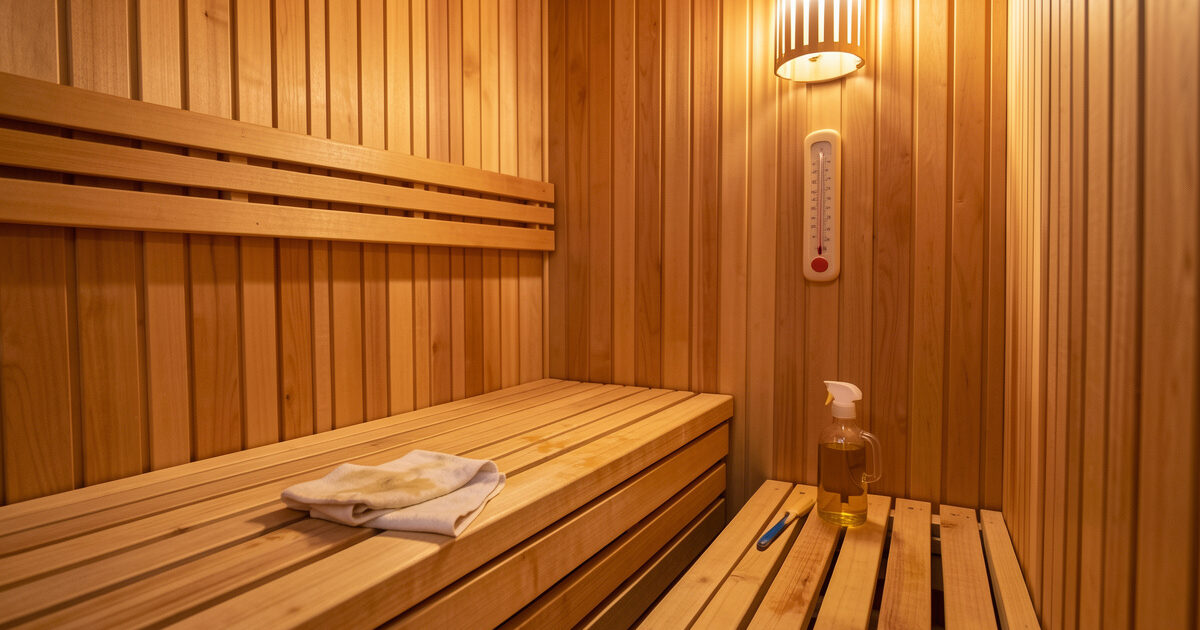
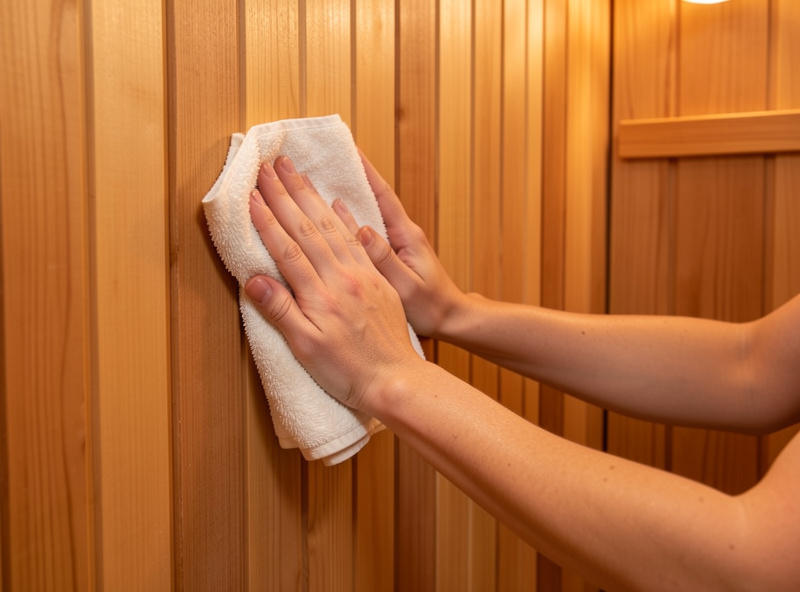
The recurring yearly cost of a home infrared sauna is small and predictable: about $20 to $60 covering wood care, cleaning supplies, and a hygrometer check. A bottle of food-safe wood cleaner and a soft cloth handle the interior; an occasional light sanding and re-oiling of a cedar or hemlock bench keeps the wood from drying out; and a cheap humidity reading tells you whether your ventilation is keeping moisture in check.
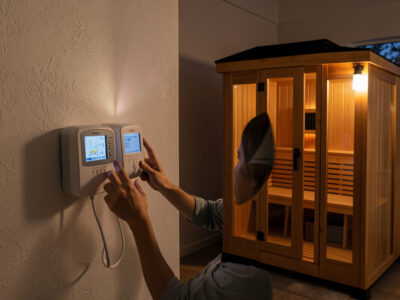
I keep a small digital hygrometer and thermometer in the cabin so I can see at a glance whether the room is drying out properly between sessions — trapped humidity is what ages wood and invites mildew, and it is the cheapest problem to catch early. Some links here are affiliate links, meaning I may earn a small commission at no extra cost to you if you buy through one; I only point to gear I actually use in my own cabin. That single readout has saved me more in avoided wood damage than it ever cost, and it is the kind of cheap, boring tool that quietly pays for itself across years of ownership rather than in a single dramatic moment.
Wear Parts: What Eventually Needs Replacing
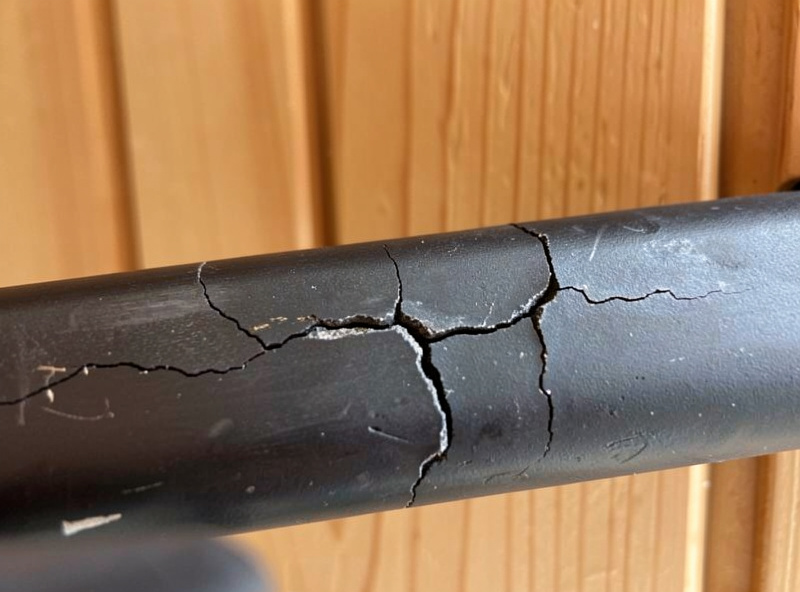
Three components wear on a predictable schedule. The door gasket hardens and leaks at year 5 to 7 — a $20 to $40 part that, if ignored, slows warmup and can corrode the nearest heater. Carbon and ceramic panels are remarkably long-lived and rarely fail, but a halogen near-infrared emitter on a full-spectrum cabin is a bulb, and bulbs eventually burn out: budget $40 to $120 for a replacement over the cabin’s life.
The controller is the other part that can fail, usually well past the warranty window, at $80 to $200 to replace. None of these are frequent, but they are why I tell people to check whether replacement parts are even available before buying — a cheap cabin from a vanished brand can become unrepairable, which turns a $30 gasket problem into a whole-cabin write-off. The brand comparison covers which makers keep parts in stock, and the cost guide folds wear parts into the long-run number.
Situational One-Off Costs
A handful of costs are not annual but situational — they apply to some installs and not others. A rubber floor mat for a basement or hard-floor install runs $60 to $140 and stops moisture and scuffing from day one. An optional whole-house surge protector ($150 to $400 installed) is worth adding while an electrician is already at the panel for a 240V cabin. And some homeowner’s insurance carriers treat a premium cabin over about $5,000 as a scheduled item needing a $30 to $60 a year endorsement.
These are easy to plan for if you know about them and annoying to discover after delivery. The floor mat and a basic cleaning kit are the two I would buy on day one for any basement install — wiping the wood from the first session rather than the tenth is how you avoid the wood problems above. For the indoor install specifics, the installation requirements guide and the at-home cost breakdown cover the delivery-day line items.
The Warranty Reality
“Lifetime warranty” almost never means what buyers hope. Most lifetime warranties cover the heaters and the wood structure but exclude the exact wear parts that actually fail — gaskets, bulbs, controllers, and electronics are typically warranted for one to five years, not for life. Reading which parts are excluded is the difference between a warranty that saves you money and one that is mostly marketing.
The warranty also only matters if the company survives to honour it, which is why brand longevity quietly affects ongoing cost as much as the warranty terms do. A transferable warranty from an established maker also helps resale, tying ongoing cost back to long-term value. When you total the real ownership cost, the wear parts and warranty exclusions are where a “cheap” cabin can end up costing more than a mid-range one over a decade — the core reason the cost guide treats ownership as four numbers, not one sticker.
A practical way to read any warranty before you buy is to look up the price and availability of the three wear parts — gasket, bulb, controller — for that specific cabin. If those parts are listed, in stock, and reasonably priced, the warranty exclusions barely matter because the repairs are cheap and possible. If they are unlisted or the brand is hard to reach, treat the cabin as effectively unrepairable past the first failure, and price it accordingly. That ten-minute check has talked me out of more than one tempting budget cabin, and it is the single most useful thing you can do to keep ongoing cost from surprising you years down the line.
Frequently Asked Questions
What are the hidden costs of owning an infrared sauna?
Beyond electricity, expect about $20 to $60 a year for wood care and cleaning, plus wear parts over time: a door gasket at year 5 to 7 ($20 to $40), the occasional bulb or controller, and situational costs like a basement floor mat or an insurance endorsement on premium cabins.
How often do infrared sauna parts need replacing?
Carbon and ceramic panels rarely fail and can last the cabin’s life. Door gaskets harden around year 5 to 7, near-infrared halogen bulbs burn out over the cabin’s life, and a controller may fail past warranty. None are frequent, but parts availability matters before you buy.
Does an infrared sauna increase home insurance cost?
Sometimes. Some carriers treat a premium cabin valued over about $5,000 as a scheduled item requiring an endorsement that adds roughly $30 to $60 a year. It is worth checking with your insurer once a delivered cabin’s value crosses that threshold.
Do infrared sauna lifetime warranties cover everything?
Rarely. Most lifetime warranties cover the heaters and wood structure but exclude the wear parts that actually fail, like gaskets, bulbs, and controllers, which carry shorter one-to-five-year terms. Read the exclusions, since they decide whether the warranty saves you real money.
What ongoing maintenance does an infrared sauna need?
Wipe the interior wood after sessions, lightly sand and re-oil the bench occasionally, replace the door gasket when it hardens, and watch humidity with a cheap hygrometer to prevent mildew. Total ongoing maintenance runs about $20 to $60 a year for most home cabins.