Infrared sauna prices run from about $200 for a portable blanket to $9,000 for a premium 4-person full-spectrum cabin, and the single biggest factor is not the brand — it is the format and the number of people it seats. A 1-person carbon cabin typically lands at $1,200–$2,800; a 2-person far-infrared cabin at $2,200–$5,000; a 4-person full-spectrum unit at $5,000–$9,000. Knowing the price-per-seat is how you tell a fair price from a padded one.
I have shopped and lived with all four of these formats — a 2-person far-infrared cabin as my daily driver, a full-spectrum unit, a single-person carbon box, and a portable blanket — so this is the price map I wish I had before the first purchase. It breaks pricing down two ways: by sauna type and by person-size, then shows where the cost-per-bench-seat actually turns favourable. For the full ownership picture beyond the sticker, the complete cost guide adds electricity, install, and ongoing costs on top of these purchase numbers.
Price by Sauna Type
Infrared sauna type sets your price floor more than anything else, because each type is genuinely different hardware. Far-infrared carbon cabins are the value sweet spot at roughly $2,200–$5,000 for two people; full-spectrum cabins carry a $1,000–$2,000 premium for the added near-infrared emitter; and portable blankets undercut everything at $200–$600 because they are fabric rather than a wood cabin. The price gap reflects real material and engineering differences, not just marketing.
Across the units I have run, the far-infrared carbon cabin is where most buyers get the best balance of even heat, comfort, and price. Full-spectrum adds a near-infrared band, but a cheap “full-spectrum” sticker is frequently one weak NIR bulb bolted to an otherwise ordinary cabin — that is a premium I would not pay. The blanket sits in its own category: cheapest to buy, but you are buying a different experience, not a discount cabin. The blanket-vs-cabin breakdown is the honest comparison if the bottom price tempts you.
| Sauna type | Typical price range | What sets the price |
|---|---|---|
| Portable blanket / tent | $200–$600 | Fabric shell, basic far-IR elements |
| Single-person carbon cabin | $1,200–$2,800 | Wood box, carbon panels |
| 2-person far-infrared cabin | $2,200–$5,000 | More panel area, hybrid panels |
| Full-spectrum cabin (2-3 person) | $3,500–$6,500 | Adds NIR emitter + control electronics |
| 4-person full-spectrum (240V) | $5,000–$9,000 | Largest cabin, 240V heater bank |
Price by Person Size
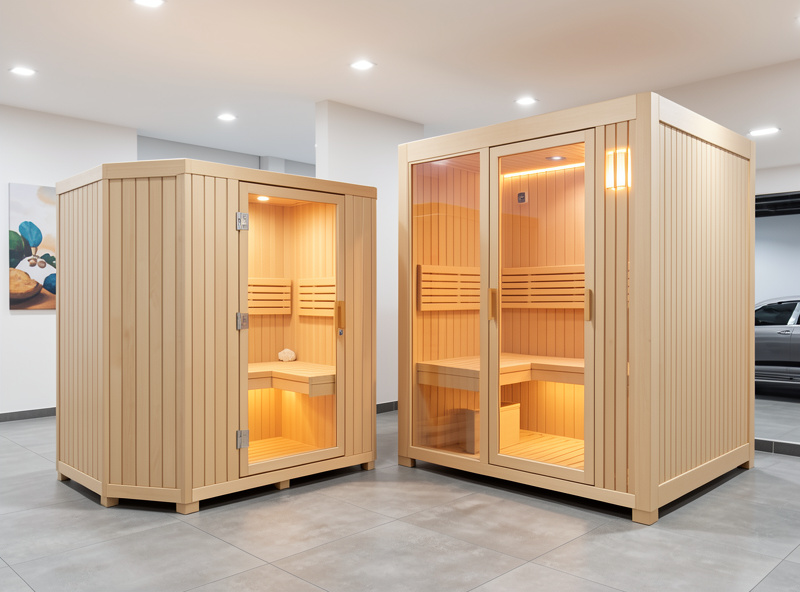
Each extra person of cabin capacity adds roughly $1,000–$1,500 to the price, because you are paying for more wood, more panel area, and more shipping weight. A 1-person cabin starts around $1,200, a 2-person around $2,400, a 3-person around $3,800, and a 4-person around $5,000 and up — with the jump to 4-person often steeper because that size usually requires a 240V heater bank rather than a standard 110V plug.
The price-per-seat is where size shopping gets interesting. A 2-person cabin almost always costs less per seat than a 1-person, which is why couples and even solo buyers who have the room often size up — the marginal cost of the second seat is small, and resale is stronger on the more popular 2-person format. The 4-person jump is the one to think hardest about: you pay for the extra seats and the 240V circuit even on the many sessions you use it alone. My sizing guide covers the footprint and room-fit side of this decision.
What the Sticker Price Includes (and Doesn’t)
The advertised price almost always covers the cabin, the panels, the controller, and curbside shipping — but not inside delivery, a dedicated circuit, or optional upgrades. Inside-delivery for a heavy cabin runs $150–$250, a dedicated circuit (if you need one) adds $200–$900, and chromotherapy or audio upgrades add $80–$300 each. The realistic delivered total typically lands within $200–$600 of the sticker for a standard install.
This is the gap that surprises buyers: a $2,495 sticker is rarely a $2,495 project. The good news is that home infrared installs are far simpler than outdoor ones, where the cabin can be barely 60% of the all-in cost. For the indoor case worked line by line, the real at-home cost breakdown runs every receipt. For where these prices map onto specific models, the best home cabins ranking and the under-$1,000 picks are the shopping companions.
Budget, Mid-Range, and Premium: What Changes
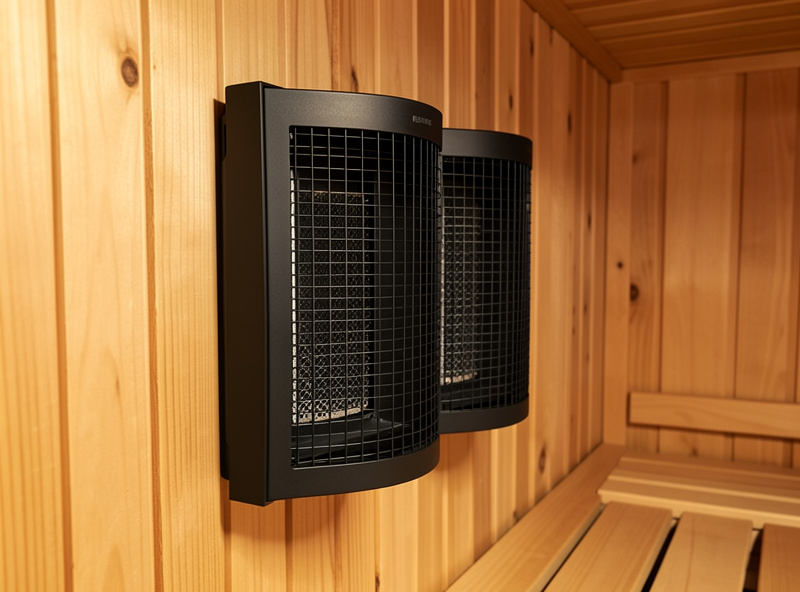
Moving up a price tier buys three things in order: more panel area and more even heat first, better wood and controller second, and bundled upgrades last. A budget cabin heats unevenly with cold spots you can map with a thermal camera; a mid-range cabin holds set temperature better and uses clearer wood; a premium cabin adds glass, lighting, and audio that you could otherwise buy separately for less.
My spending priority, after living with cabins across all three tiers, is to pay up for panel area and a controller that actually holds set temperature, and to treat lighting and audio as cheap add-ons rather than reasons to jump a tier. The how-to-choose framework walks through matching tier to real usage, and the brand comparison shows which makers earn their premium versus charging for a sticker.
Frequently Asked Questions
How much does a 2-person infrared sauna cost?
A 2-person far-infrared carbon cabin typically costs $2,200 to $5,000, with most mid-range models landing around $2,400 to $4,400. It is the most popular size and usually the best price-per-seat, which also helps its resale value compared with 1-person cabins.
Why are full-spectrum infrared saunas more expensive?
Full-spectrum cabins add a near-infrared emitter and its control electronics on top of a standard far-infrared cabin, a genuine $1,000 to $2,000 premium. Be cautious of cheap full-spectrum stickers, which are often one weak near-infrared bulb rather than a real emitter array.
What is the cheapest infrared sauna you can buy?
Portable infrared blankets and tents are the cheapest at roughly $200 to $600, since they are fabric with basic far-infrared elements rather than a wood cabin. They cost the least to buy and run but wear out faster and do not hold resale value like a cabin.
Is a bigger infrared sauna cheaper per person?
Usually yes up to the 2 or 3-person size, where each added seat costs less than the first. The 4-person jump is different because it typically needs a 240V circuit, so you pay for the larger heater bank and wiring even on sessions you use alone.
How much should I budget beyond the sticker price?
Plan for $200 to $600 above the sticker for a standard indoor install: inside delivery at $150 to $250, optional upgrades, and a cleaning kit. Add $200 to $900 more if your cabin needs a dedicated electrical circuit, which roughly 60% of home installs require.
Do infrared sauna prices change much by brand?
Brand matters less than format and size. Two cabins of the same type and seat count from different makers usually price within a few hundred dollars of each other; the big price gaps come from blanket versus cabin, far-infrared versus full-spectrum, and 2-person versus 4-person.