The sauna blanket vs sauna cabin decision comes down to four factors: budget ($199-$899 blanket vs $1,800-$8,500 cabin), space available (zero footprint blanket vs 30-60 sq ft cabin), session posture (lying down vs upright seated), and use frequency. About 50% of buyers picking between formats are best served by a blanket, 35% by a cabin, and 15% by owning both.
This guide walks through the head-to-head comparison on session quality, cost over 5 years, and the buyer profiles where each format wins. For deeper format coverage, see our 2026 best sauna blankets and 2026 best home cabins roundups.
The Quick Answer
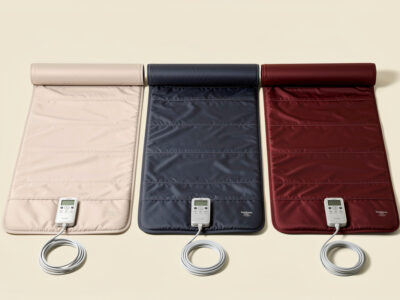
Pick a sauna blanket if: your budget is under $1,000, you live in an apartment or studio, you travel frequently, you primarily use sauna for recovery and sleep prep, or you want zero permanent footprint. The HigherDose V4 blanket at $599 is the segment leader.
Pick a sauna cabin if: your budget is over $2,500, you have a spare bedroom or basement to dedicate, you stay home more than you travel, you want the traditional upright sauna experience, or you have multi-person household sessions. The Sunlighten Signature 2 at $5,795 leads the home cabin market.
Pick both if: the cabin is your primary daily-use device and the blanket is your travel companion. About 15% of buyers in the $5,000+ tier own both for this reason.
Head-to-Head Comparison
| Factor | Sauna Blanket | Sauna Cabin |
|---|---|---|
| Typical price range | $199–$899 | $1,800–$8,500 |
| Premium leader | HigherDose V4 ($599) | Sunlighten Signature 2 ($5,795) |
| Footprint in use | Bed-sized (~30 sq ft) | 16–30 sq ft |
| Footprint when stored | 1 sq ft rolled | Permanent (same as in use) |
| Setup time | 2 minutes | 60–90 minutes (one-time) |
| Power draw | 600–800W on 110V | 1,500–4,800W on 110V or 240V |
| Heat-up time | 10 minutes | 10–15 minutes |
| Max temperature | 149–176°F (varies by brand) | 140–160°F |
| Core temperature rise | 2–3°F | 2–3°F |
| Sweat response | Strong | Strong |
| Posture | Lying down | Seated upright |
| Ambient experience | Head at room temp | Fully enclosed, head heated too |
| EMF (premium) | 1–2 mG | 0.3–0.5 mG |
| EMF (budget) | 2–3 mG | 2–3 mG |
| Lifespan (weekly use) | 7–10 years | 15–25 years |
| Travel-friendly | Yes — suitcase size | No |
| Multi-person sessions | No (single user) | Yes (2–4 person cabins) |
| Annual electricity cost | $22–$28 | $25–$85 |
Session Quality: What’s Actually Different
The honest truth on session quality: blankets and cabins both trigger the same core temperature rise, the same sweat response, and the same cardiovascular and recovery benefits. What changes is the experience around those measurable outcomes.
What’s the same
- Sweat response: Both formats reach the same skin temperature elevation and sweat output by minute 15 of a session.
- Core temperature rise: Both produce a 2-3°F core temperature increase over 30-45 minute sessions.
- Heart rate response: Both elevate heart rate to the cardiovascular zone (110-130 BPM) during sessions.
- Recovery benefits: The same documented benefits in our infrared sauna benefits research apply to both formats.
What’s different
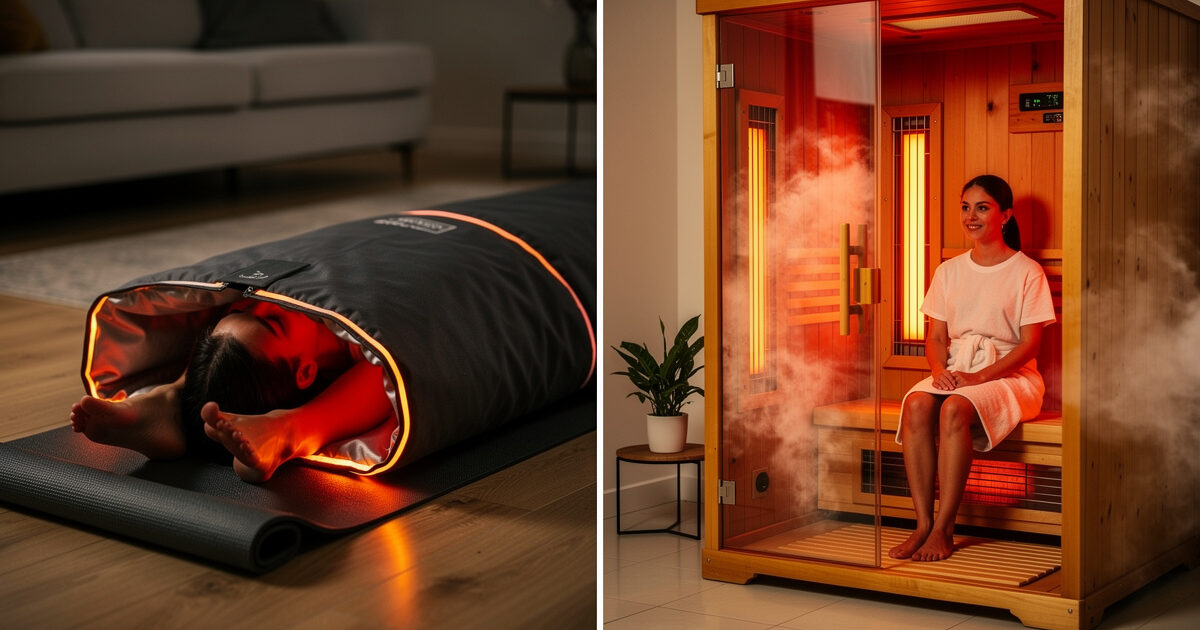
- Posture: Lying flat in a blanket vs sitting upright in a cabin changes the experience meaningfully. Some users find lying down more relaxing; others find it constricting. Cabin posture is more “traditional sauna.”
- Head experience: Cabin sessions heat the head and breathing space (not just the body); blankets leave your head at room temperature. Cabin head-heating triggers a stronger relaxation response for most users; head-out posture is easier for people who feel claustrophobic.
- Social use: Cabins seat 1-4 people simultaneously; blankets are single-user only.
- Ambient sound: Cabins have a heater fan hum (35-45 dB); blankets are silent except for fabric crinkling.
- Skin protocols: Cabins position panels around the body; blankets contact the skin directly. Direct-contact heating in blankets is reportedly better for skin and superficial circulation outcomes; cabin radiant heating is better for deep-tissue recovery.
Cost Over 5 Years
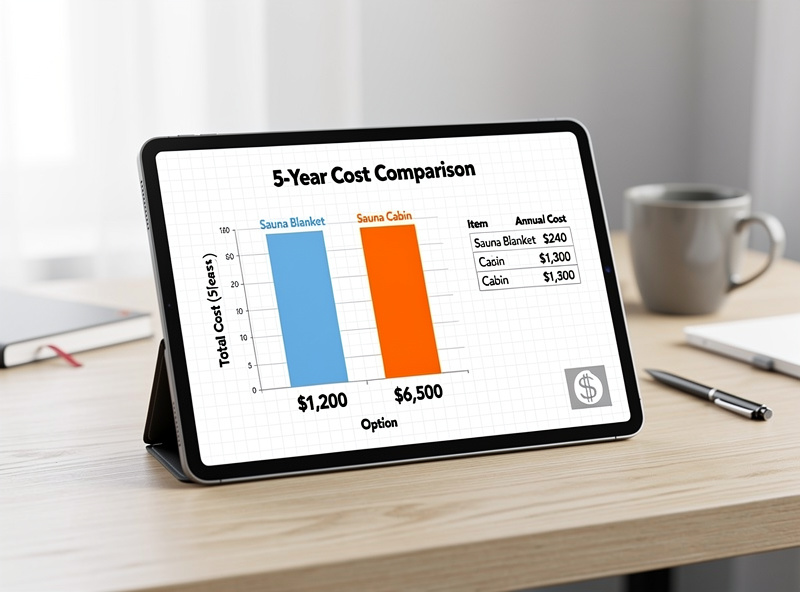
The 5-year total cost of ownership math, including running costs and replacement, runs significantly different between formats:
| Cost type | Blanket (HigherDose V4) | Cabin (Sunlighten Signature 2) |
|---|---|---|
| Initial cost | $599 | $5,795 |
| Dedicated circuit (if needed) | $0 | $200–$400 |
| Floor mat / accessories | $50 | $80–$140 |
| Running cost (4 sessions/week × 5 years) | $110 | $140 |
| Replacement insert sheets | $50 | $0 |
| Door gasket replacement (year 5+) | n/a | $30 |
| Likely full replacement at year 5 | $599 (50% probability) | $0 (cabins last 15+ years) |
| 5-year total cost (low end) | $809 | $6,245 |
| 5-year total cost (high end) | $1,408 | $6,415 |
| Cost per session (4/week × 5 years) | $0.78–$1.36 | $6.00–$6.17 |
The blanket costs roughly 13-22% of the cabin over 5 years and dramatically less per session. The cabin’s per-session cost stays high until year 6+ when it’s fully amortized — by year 15, a $5,795 cabin runs about $1.50 per session, comparable to the blanket. Long-term residents (10+ year horizon) get materially better value from cabins; short-term users (under 5 years) from blankets.
Space and Storage Considerations
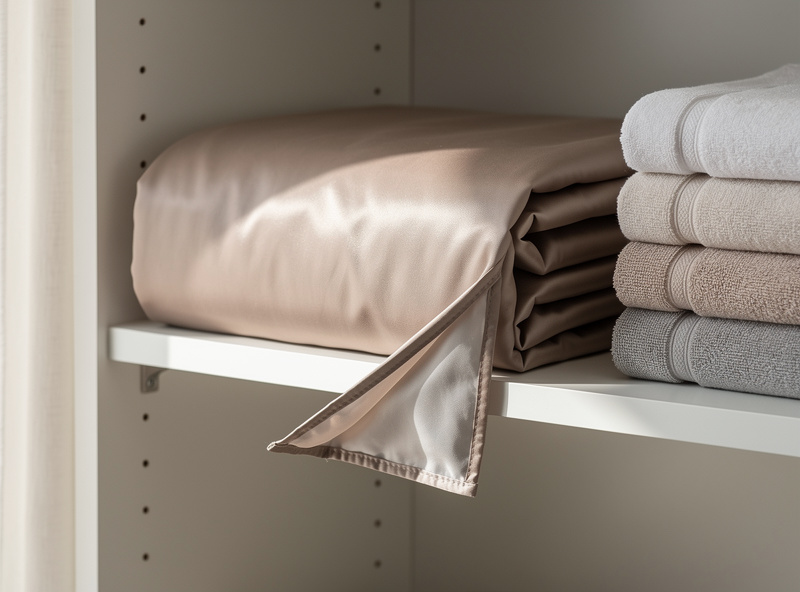
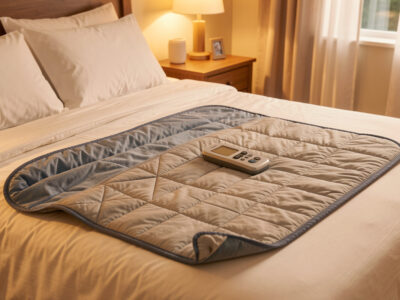
Space is the dominant factor for buyers in apartments, small homes, or rentals where landlords might object to a permanent appliance. The blanket’s 1 sq ft storage footprint means it lives in a closet shelf or under a bed — invisible when not in use, ready in 2 minutes when needed.
Cabins are permanent. Once installed in a spare bedroom or basement, moving them is difficult — they don’t disassemble cleanly without special tools, and the panels are awkwardly large for any move. Plan for 5+ years in the same home before buying a cabin to make the install effort worthwhile.
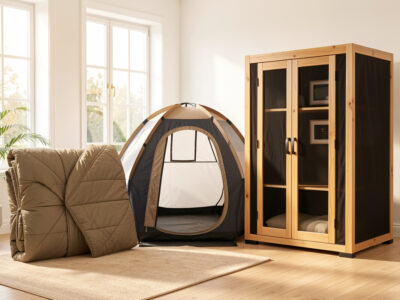
For renters specifically: blankets and pop-up tents are the right format until you own. Cabins require landlord notification and sometimes additional insurance riders for renters. Our apartment sauna guide covers renter approval workflow in detail.
Who Buys Which Format
From buyer survey data and brand sales mix, the blanket-vs-cabin split breaks down by buyer profile:
Blanket buyers (~50% of format-deciders)
- Apartment and studio residents
- Frequent travelers, business and leisure
- Recovery-focused athletes
- Sleep-prep and circadian routine users
- Buyers under $1,000 budget
- Renters with landlord concerns
Cabin buyers (~35% of format-deciders)
- Single-family homeowners with 5+ year tenure
- Multi-person households (2+ adults using regularly)
- Buyers prioritizing the traditional upright sauna experience
- Premium-budget buyers ($4,500+) who want lifetime warranties
- Wellness-focused homeowners building a home gym + sauna setup
Both-format buyers (~15%)
- Premium-budget homeowners ($8,000+ for both)
- Buyers who travel monthly and want home cabin sessions when home
- Wellness practitioners who use blankets for client sessions and cabin for personal use
For broader format guidance and the full buying framework, see our how to choose the best infrared sauna guide. The full home format coverage including indoor-vs-outdoor decisions sits in our home sauna setup hub.
The Hybrid Strategy
For buyers in the $5,000+ tier, a “blanket plus cabin” hybrid strategy is genuinely better than either alone:
- Cabin for daily home use: 30-45 minute relaxation sessions, multi-person household sessions, premium experience.
- Blanket for travel and recovery: 30-minute lying-down recovery sessions, hotel rooms during business travel, post-workout recovery on the bedroom floor.
Total cost runs $5,800-$8,500 (premium blanket plus mid-range cabin). For users running 5+ sessions per week with a mix of travel and home time, this hybrid approach delivers the best per-session experience at any price point. Most buyers don’t need this — but it’s the right answer for the segment that does.
Frequently Asked Questions
Is a sauna blanket as good as a sauna?
For sweat response, core temperature rise, and recovery benefits — yes. Quality blankets reach the same 2-3°F core temperature increase as cabin sessions and trigger the same documented health benefits. The differences are posture (lying down vs upright), ambient experience (head at room temperature), and EMF (slightly higher in blankets).
Is a sauna blanket cheaper than a cabin over 5 years?
Yes, dramatically. A premium HigherDose V4 blanket plus running cost runs $809-$1,408 over 5 years (50% chance of needing replacement at year 5). A premium Sunlighten Signature 2 cabin runs $6,245-$6,415 over the same period. The cabin amortizes better over 15+ year horizons.
Sauna blanket vs cabin — which has better health benefits?
The same — both produce identical core temperature rise, sweat response, and cardiovascular adaptation. Cabin sessions may have a slight edge on relaxation outcomes due to the fully enclosed environment heating the head; blanket sessions may have a slight edge on skin and superficial circulation due to direct-contact heating.
Should I buy a sauna blanket or save up for a cabin?
Buy the blanket if your budget is under $2,500, you live in an apartment, or you travel frequently. Save for the cabin if you have $4,500+ to spend, a spare room to dedicate, and a 5+ year horizon in your current home. The blanket isn’t a stopgap — it’s a different format that some buyers prefer permanently.
Can I have both a sauna blanket and a cabin?
Yes — about 15% of premium-budget buyers ($8,000+ for both) own both. The cabin handles daily home sessions and multi-person use; the blanket handles travel, recovery on yoga mat days, and quick 20-minute sessions. Total cost runs $5,800-$8,500 for a quality blanket plus mid-range cabin combination.
Do sauna blankets work in apartments where cabins don’t?
Yes — blankets bypass three apartment-cabin obstacles entirely: floor loading concerns (zero — they sit on a bed or yoga mat), landlord approval (treated like portable appliances), and storage (rolls to 1 sq ft when not in use). About 80% of apartment-dwelling sauna buyers choose blankets for these reasons.
How does the cost-per-session compare between blankets and cabins?
Over 5 years at 4 sessions/week, blankets cost $0.78-$1.36 per session and cabins cost $6.00-$6.17 per session. By year 15 the cabin amortizes to roughly $1.50 per session, comparable to blanket replacement-cycle costs. Cabins win long-term cost; blankets win short-term cost and flexibility.
Related Articles
- Portable Infrared Sauna Hub — full portable format coverage
- Best Infrared Sauna Blankets 2026 — top 7 blankets ranked
- Best Home Infrared Saunas 2026 — top 7 cabins ranked
- Home Infrared Sauna Setup Guide — full cabin install framework
- HigherDose Review — V4 blanket and Solo cabin spec detail