A sauna blanket comparison really comes down to four things: the heating layer, the inner liner against your skin, the EMF at body contact, and how hot it actually gets versus what the box claims. I keep a far-infrared blanket alongside my fixed cabin specifically for travel and the small-room test, and metering it taught me that the blanket category is the one where the cheap-versus-good gap is widest — because nothing else you can buy puts the wiring this close to your back.
This is the detail piece under my portable compact sauna guide. If you already know you want the most packable, cupboard-storable option, a blanket is it — but which blanket matters more here than in any other form factor, so let me walk through what separates them.
What Actually Differs Between Blankets
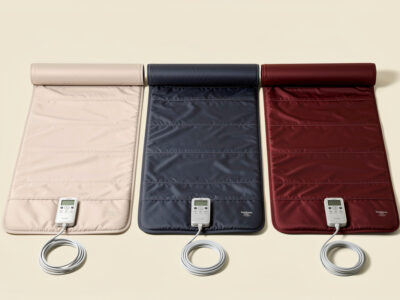
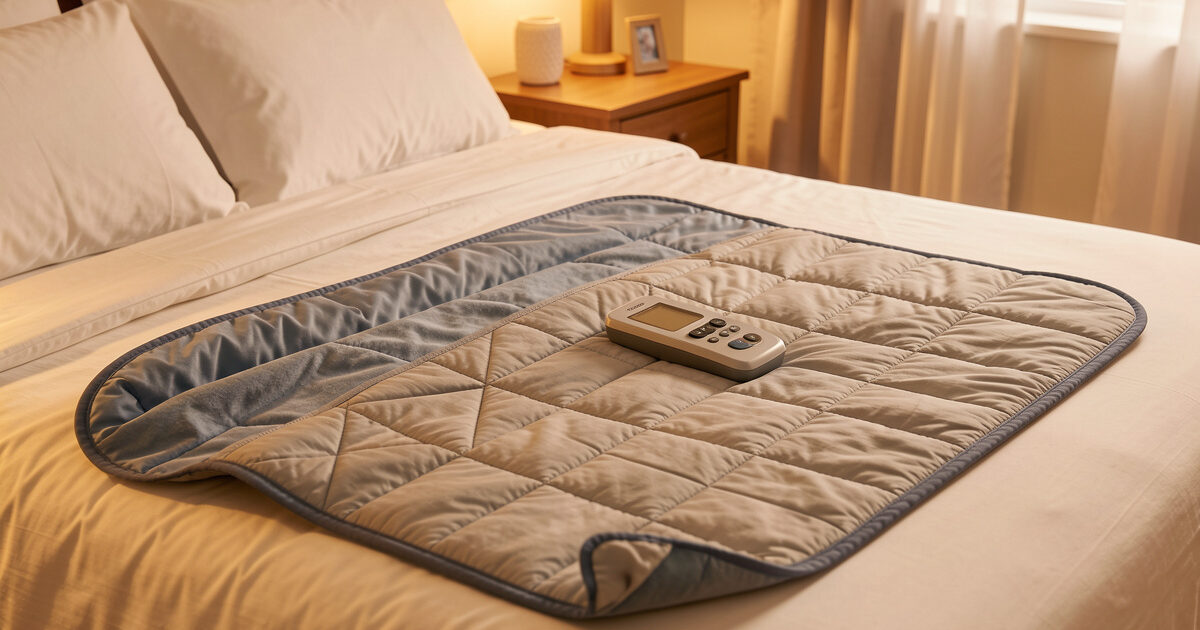
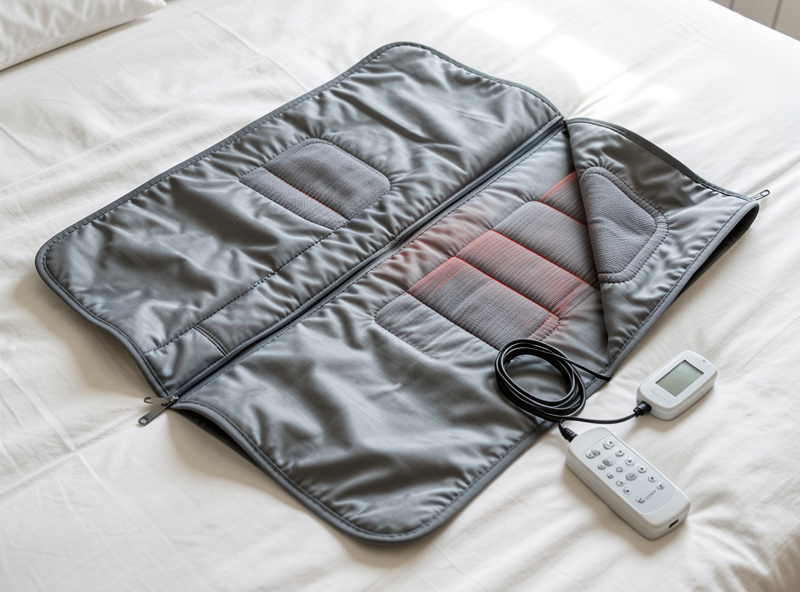
Most sauna blankets look identical in photos and behave very differently in use. The four variables that matter: the heating element (a low-EMF carbon layer versus cheaper resistance wire), the number of heating zones (a single back zone versus full wrap to the calves), the inner liner you lie against (wipe-clean medical-grade versus a plasticky coating that smells for weeks), and the controller and its cord routing. A blanket that nails all four feels like a portable far-infrared session; one that misses the liner and the EMF feels like lying in a hot plastic bag.
In my session log the difference shows up fast: the better blanket reaches a comfortable felt heat in about eight minutes and holds it evenly, while a cheap one cooks one strip of your back and leaves your feet cool. That unevenness is the heating-zone tell, and no listing photo reveals it.
The EMF Question — Why It Matters Most in a Blanket
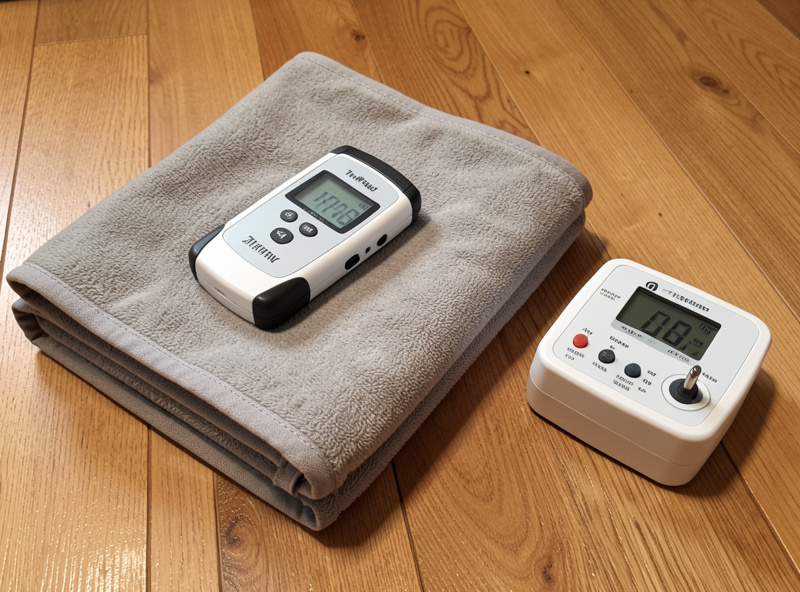
Of every portable form, a blanket is where the EMF conversation is least optional, because the heating layer is one fabric layer from your skin. In my cabin the panels sit behind the bench; in a blanket there is no distance to give you. When I put the TriField TF2 against the outer shell of a good carbon blanket the magnetic field reads modest, but lay it against the inner wiring layer and the number climbs — distance is doing all the work, and in a blanket you have almost none to spend.
So I treat published field numbers as a buying gate, not a nice-to-have. A carbon heating layer generally meters lower than bare resistance wire, and a controller cord that exits at your feet rather than under your torso keeps the worst of it away from your core. A maker that will not publish a reading for a body-contact product is making a choice you should read into. The full method is in measuring infrared sauna EMF with a TriField meter, and what the “low-EMF” sticker actually certifies is in the low-EMF explainer.
Heat, Materials, and the Liner You Live Against
Felt heat in a blanket depends on even zone coverage more than peak temperature, because you are wrapped rather than sitting in heated air. A blanket that wraps the calves and not just the torso feels dramatically warmer at the same set temperature than one with a single back element. The liner is the other thing you live against: medical-grade, non-toxic, wipe-clean materials are worth paying for because you sweat directly onto them, and a cheap inner coating is both unpleasant and the source of that first-few-uses plastic smell.
I run any new blanket empty at temperature for a session or two with the zip open to clear off-gassing before I use it properly — the same trick I use on a new wooden cabin. None of this is a health claim; the wellness side of heat is studied and reported, not something the blanket delivers. It is purely about whether the thing is pleasant to lie in, which is the only reason to own one.
Blanket Types Compared
| Type | Heating layer | Zone coverage | EMF at body | Best for |
|---|---|---|---|---|
| Budget single-zone | Resistance wire | Back only | Higher, often unstated | Occasional, lowest cost |
| Carbon mid-range | Carbon layer | Torso + thighs | Moderate, usually stated | Most home users |
| Premium full-wrap | Low-EMF carbon | Full body to calves | Lowest, published | Regular use, EMF-conscious |
| Travel/foldable | Carbon, thin | Torso | Moderate | Packing light, hotels |
The honest read on this table: the jump from budget to carbon mid-range is the one that changes the experience most, and the jump to premium is mostly about EMF and full-calf coverage. If you will use it weekly, buy the carbon at minimum; if you are EMF-conscious or using it daily, the premium full-wrap is where I would land.
Running Cost and Who a Blanket Suits
Blankets are the cheapest portable to run. At 600 to 900 W a half-hour session draws roughly 0.3 to 0.45 kWh on my plug-in meter — less than almost any other infrared form because there is no air or wood mass to heat, only the wrap around you. That low draw is also why a blanket lives on any wall socket with zero wiring fuss, which is a big part of its appeal for renters who cannot install anything.
Who it suits: travellers, renters, and anyone whose hard constraint is storage rather than the full radiant-cabin feel. Who it does not: anyone expecting it to replace a cabin’s enclosing heat — it will not, and pretending otherwise is how people end up disappointed. If you want head-out comfort instead, a folding unit or tent is the better call, covered in the best portable picks, and the renter angle is in the apartment renter guide. The full kWh comparison across forms is in the electricity cost breakdown.
Blanket vs Tent: Which Small-Space Form Wins
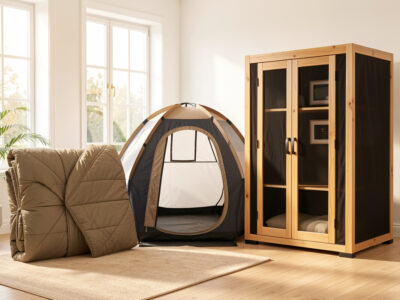
People shopping for a blanket are usually really choosing between a blanket and a pop-up tent, so it is worth drawing the line. A blanket wins on storage, weight, and price, and it heats the body directly with no warm-up of surrounding air — you are wrapped in minutes. A tent wins on comfort: head out, you can read or breathe cooler air, and the heat is less claustrophobic for people who do not like being fully enclosed. The tent costs you a slightly larger footprint when deployed and a fabric shell you must dry out after each use.
The way I split it: if your single hard constraint is storage and you want the cheapest packable far-infrared option, the blanket; if you dislike full enclosure or want to sit upright with your head free, the tent. Neither replaces a cabin, but both run on a wall socket and both pack away, which is the whole point for a small flat. I keep one of each precisely because they answer different moods, and the broader form-factor map is in the portable compact sauna guide.
As an Amazon Associate I earn from qualifying purchases.
If you are shopping, start from a low-EMF carbon sauna blanket search and filter on the liner material and a published field reading — those two filters knock out most of the disappointing units before you even compare prices.
Frequently Asked Questions
What is the most important thing in a sauna blanket comparison?
The heating layer and the EMF at body contact, because a blanket sits one fabric layer from your skin. A low-EMF carbon layer with a published field reading beats cheaper resistance wire. After that, the inner liner you sweat onto and full zone coverage to the calves matter most.
Are infrared sauna blankets high in EMF?
They can be, because the wiring sits against your body with almost no distance to reduce the field. A carbon heating layer generally meters lower than bare resistance wire, and a controller cord routed away from your torso helps. Treat a published field number as a buying requirement.
How much electricity does a sauna blanket use?
At 600 to 900 watts, a 30-minute session draws roughly 0.3 to 0.45 kWh on a plug-in meter, less than any other infrared form because there is no air or wood mass to heat. It runs on any standard wall socket with no special wiring.
Can a sauna blanket replace a real cabin?
No, and it is not meant to. A blanket wraps you rather than surrounding you in heated air, so it cannot match a cabin’s enclosing radiant feel. It wins on storage and travel, not on the full sauna experience. Buy it for packability, not as a cabin substitute.
What liner material should a sauna blanket have?
A wipe-clean, non-toxic, medical-grade inner liner, because you sweat directly onto it. Cheaper plastic-coated liners are unpleasant and cause the first-few-uses chemical smell. Running it empty at temperature with the zip open for a session or two clears most off-gassing.
Is a single-zone or full-wrap blanket better?
A full-wrap blanket that heats the torso and calves feels noticeably warmer at the same set temperature than a single back-zone unit, because the heat surrounds more of you. If you will use it regularly, the wider zone coverage is worth the step up in price.