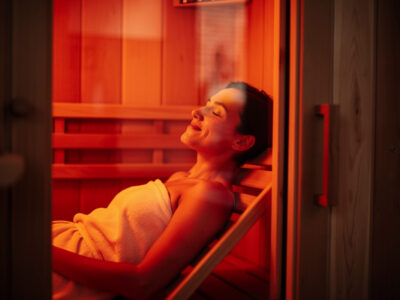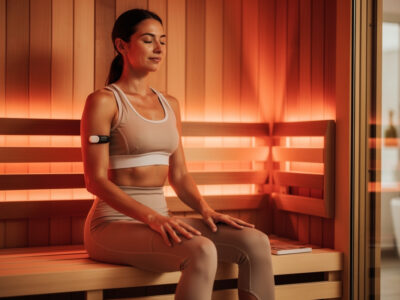
Of all the conditions people ask me about, fibromyalgia is the one with the most actual published research behind it — a real small trial (PubMed 18703857), not just a mechanism and a marketing slogan. The honest framing: a small Japanese study found that repeated infrared sauna sessions were associated with pain-score reductions in a tiny group of patients over a few weeks, and the likeliest contributors (a calming autonomic shift and better sleep) are exactly what a sauna does well for anyone. It’s still not a remedy, and it’s not a substitute for your care — this is early, small-sample evidence, not a proven treatment.
My lane is sauna equipment and how heat behaves on a body, not pain medicine, so I’ll stick to what I can stand behind: the honest state of the research, a deliberately gentle way to try it, and the equipment choice that makes or breaks whether a fibromyalgia patient actually keeps it up. Nothing here is medical advice — your doctor sets your plan. This sits in the health conditions cluster; for the broader pain picture, see the chronic pain spoke.
The Evidence — A Real Trial, Honestly Sized
The anchor is the Matsushita, Masuda, and Tei study (Internal Medicine, 2008), which studied thirteen female fibromyalgia patients using Waon therapy — a far-infrared dry sauna at about 60°C for 15 minutes, followed by a blanket-covered rest period, given two to five times a week. Pain scores dropped after the very first session and the effect became more stable after about ten sessions, alongside improved fibromyalgia-impact scores. That is a real, peer-reviewed, statistically significant result — and it is also thirteen people, unblinded, with no control group, from one research group.
Read that with the right weight. Thirteen patients is not enough to know how well this generalizes, there was no placebo or sham-heat comparison, and “associated with improvement in a small pilot” is not “will improve your fibromyalgia by a fixed percentage.” It’s the best evidence in this whole cluster — and it’s still modest, early, and a long way from a guarantee. The trial didn’t sort out who responds and who doesn’t; in practice, the people who seem to do best anecdotally are those whose fibromyalgia runs heavy on sleep disruption, fog, and autonomic symptoms rather than pure joint pain. If yours is joint-dominant, the arthritis approach may fit you better.
Why Heat Seems to Suit Fibromyalgia
Fibromyalgia is increasingly understood as a disorder of central sensitization with the autonomic nervous system out of balance. Two well-established sauna effects map neatly onto that — and notably, both are general relaxation effects, not fibromyalgia-specific magic:
A parasympathetic shift. The calming, “rest-and-digest” rebound after a moderate session is the opposite of the wired, sympathetic-dominant state many fibromyalgia patients live in. It’s also why gentler infrared at lower temperatures tends to suit this group better than a blazing-hot traditional sauna, which can rev you up before it calms you down.
Better sleep. A warm session a few hours before bed helps a lot of people fall asleep faster and sleep deeper — and for fibromyalgia, better sleep on its own tends to mean a less painful next day. A good chunk of the benefit people report is probably just this: sleep doing its job because the evening wind-down finally worked.

On the equipment side: the relevant variable for fibromyalgia is session intensity. My session log shows that a 20-minute far-infrared session at 120°F produces a gentler core-temperature rise than the same duration at 140°F — a difference that matters when heat sensitivity is part of the condition.
A Deliberately Gentle Way to Start
A slow walk or some restorative stretching in the half-hour after a session keeps a gentle movement signal without the crash that harder exercise causes in fibromyalgia. Start well below the general beginner schedule — shorter, cooler, less often — and let your own tolerance and your doctor set the real pace rather than a fixed timetable. Session-length thinking lives in the how-long guide; dose response in the how-often guide.
The one rule I’d carve in stone for fibromyalgia: never push through symptoms. If a session leaves you wiped out for more than a day, step back — drop the temperature, or the time, or the frequency, just one of them — and hold there for a couple of weeks before nudging forward again. Ignoring that is the single most common reason people with fibromyalgia try a sauna, overdo it once, and quit.
Cabin vs Blanket — The Choice That Decides Adherence
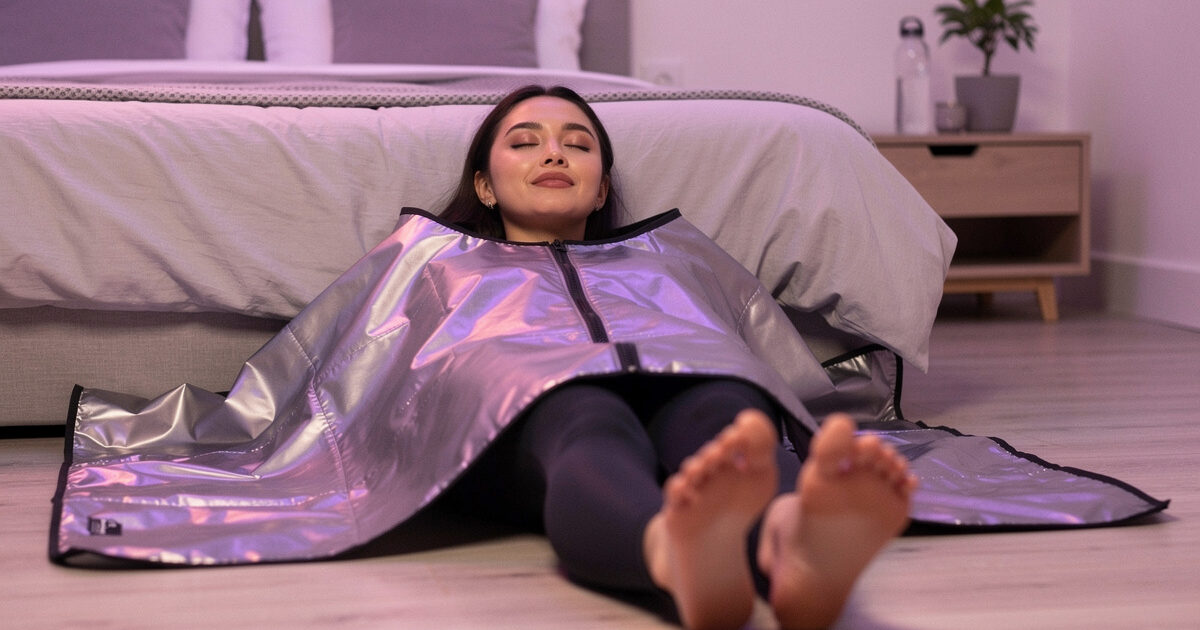
This is where I can actually help, because it’s pure equipment. A lot of people with fibromyalgia also deal with claustrophobia or sensory sensitivity, and a closed cabin can be an active barrier — which means the “best” sauna is worthless if it sits unused. The blanket-versus-cabin comparison goes deep, but the short version for this group: a blanket lets you stay in your own bed or sofa, control entry and exit instantly, and start a session at a fraction of the psychological cost. The heat dose is similar; the odds you’ll actually keep doing it are far higher with a blanket. For fibromyalgia, adherence beats specs, every time.
If a cabin doesn’t bother you, a quiet low-EMF model — the Clearlight Sanctuary or Sun Home — gives a calm, controllable space, and I’d still meter the panels rather than trust the label.
A Note on Medications
Many people with fibromyalgia take medications like duloxetine, pregabalin, gabapentin, low-dose amitriptyline, or a muscle relaxant. None of these rule out sauna use, but a few interact with the way heat shifts your circulation — some can nudge your heart rate up, others can make you dizzy when you stand after a warm session, and the sedating ones obviously don’t mix with driving straight afterward. I’m not going to hand you thresholds to self-monitor; the right move is to mention your specific medications to your prescriber and ask what to watch for. The universal habit that helps everyone: sit for a few minutes and rehydrate before you stand up.
How to Tell If It’s Working — and When to Stop
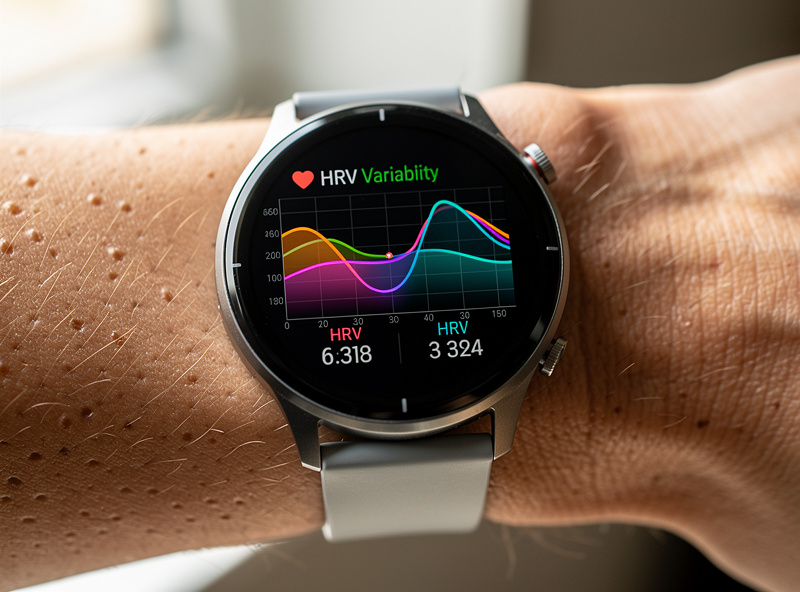
Keep it simple. The honest signals that a sauna habit is earning its place are the ones you can feel: are you sleeping a little better, is your morning stiffness easing, do your worst days feel slightly less frequent? A cheap notes-app log of pain and sleep is plenty — you don’t need clinical scorecards, and you don’t need to match the exact schedule from the original trial to get a fair read on whether heat is helping you personally. If after six weeks of gentle, consistent sessions nothing has budged, it’s probably not your tool, and that’s fine; pause it and talk to your physician before changing anything else, especially medication.
Stop a session immediately for lightheadedness, palpitations, nausea, or unusual fatigue. And across days, treat post-exertional malaise lasting more than a day, sleep getting worse, or pain climbing two sessions in a row as the cabin telling you to back off.

Related Guides
- Cluster hub: Infrared Sauna for Health Conditions
- Infrared Sauna for Chronic Pain
- Infrared Sauna for Arthritis
- Infrared Sauna for Autoimmune Conditions
- Infrared Sauna Safety Guide
Frequently Asked Questions
Does an infrared sauna actually help fibromyalgia?
It might, gently. A small published trial associated regular sauna sessions with improved pain and quality-of-life scores, likely through a calming autonomic shift and better sleep. It is the best-supported condition in this area, but the evidence is still modest, and a sauna is comfort and support, never a remedy or a substitute for care.
How long before I might notice anything?
People often report better sleep and easier mornings within a couple of weeks, with any pain change building more slowly after that. Treat the first month as a gentle trial, track how you feel, and do not chase a fixed result or timeline.
Can fibromyalgia patients handle normal sauna temperatures?
Most should not start hot. Begin low and short — around 110F for ten minutes — and build very slowly only if it keeps feeling good. Pushing the temperature too fast is the classic way to trigger a flare and quit.
What if a session triggers a flare?
Back off by one thing at a time — lower the temperature, or shorten the session, or go less often, but not all three at once — and hold there for a couple of weeks before progressing. Persistent flares mean heat probably is not your tool right now.
Is a sauna blanket as good as a cabin for fibromyalgia?
For many people it is more sustainable, because claustrophobia and setup hassle are real barriers and a blanket removes both. The heat dose is comparable, and with fibromyalgia the deciding factor is whether you actually keep using it.
When is the best time of day to use it?
Late afternoon or early evening, a few hours before bed, tends to work best — it supports the wind-down and the sleep benefit. Morning sessions leave some people drained for the rest of the day.
Can I use a sauna with duloxetine or pregabalin?
Generally yes, but these and similar medications can affect your heart rate or make you dizzy on standing, so mention your specific prescriptions to your doctor and ask what to watch for. Always sit and rehydrate for a few minutes before you stand after a session.