Research from the 20-year Finnish KIHD study published in JAMA Internal Medicine (2018) showed that 4 to 7 sauna sessions per week reduced cardiovascular mortality by 27 percent compared to 1 session per week. The data is from traditional Finnish sauna at 175-195°F, but emerging research suggests infrared sauna at 110-140°F produces comparable cardiovascular load. This guide covers optimal frequency for different goals — daily use, recovery training, weight loss, sleep — and the rest-day pattern that prevents overdoing it.
Quick Answer: How Often Should You Use Infrared Sauna?
For general wellness and cardiovascular benefit: 4 to 5 sessions per week, 30 to 40 minutes each, sustained for at least 90 days. For athletes targeting recovery: 3 to 4 sessions per week post-workout. For weight loss support: 5 to 6 sessions per week, longer 35 to 45 minute sessions. For chronic condition management (under medical supervision): 5 to 7 sessions per week. Daily use is documented safe for hydrated adults but most users settle on 4 to 5 sessions with 1 to 2 rest days for full recovery.
Frequency by Goal
| Goal | Sessions/Week | Duration | Temp | Timeline to Effects |
|---|---|---|---|---|
| General wellness | 4-5 | 30 min | 125-135°F | 4-6 weeks |
| Cardiovascular health | 5-7 | 30-40 min | 130-140°F | 8-12 weeks |
| Athletic recovery | 3-4 | 20-30 min post-workout | 125-135°F | 2-4 weeks |
| Weight loss support | 5-6 | 35-45 min | 130-140°F | 4-8 weeks |
| Sleep improvement | 4-5 (evening) | 25-30 min | 120-130°F | 1-2 weeks |
| Detox protocol | 5-6 | 30-40 min | 130-140°F | 4 weeks |
| Skin/circulation | 3-5 | 25-30 min | 120-130°F | 4-6 weeks |
| Maintenance only | 2-3 | 25-30 min | 120-130°F | — |
The 7-Sessions-Per-Week Threshold (JAMA 2018)
The Finnish study followed 2,315 men aged 42 to 60 for an average of 21 years. Sauna use frequency was the primary variable. Findings:
- 1 session per week (baseline): Reference group, no significant cardiovascular difference
- 2-3 sessions per week: 14 percent lower cardiovascular mortality, 7 percent lower all-cause mortality
- 4-7 sessions per week: 27 percent lower cardiovascular mortality, 24 percent lower all-cause mortality
The dose-response relationship is real. More frequent sauna use correlates with progressively better cardiovascular outcomes. The largest benefit is at the 4-7 sessions/week range.
Caveats: Finnish sauna at 175°F differs from infrared at 130°F. Heat-shock-protein response, the leading biological mechanism for these benefits, occurs at both temperatures via different pathways. Comparable but not identical effects.
For a complete view of session basics, see our How to Use an Infrared Sauna guide.
Daily Use: Is It Safe?
Yes, for healthy hydrated adults. Daily use of 30-minute infrared sauna sessions has been studied without documented adverse effects in healthy populations. The Finnish study cohort included men using sauna 7+ times per week, and that was the highest-benefit group.
Considerations for daily use:
- Hydration discipline becomes critical — daily use means daily 40-60 oz around-session hydration plus electrolyte replacement
- Sleep timing matters — alternate morning and evening sessions if possible, or stick to evening
- Travel planning becomes practical — at-home users have flexibility; spa-only users find daily use logistically hard
- Listen for fatigue signals — persistent post-session tiredness or headaches mean reduce frequency
Practical reality: most users who plan for daily use end up doing 5-6 days per week. Life intervenes. That frequency is in the highest-benefit range from the JAMA data.
Frequency by Activity Type
For Athletes and Active Adults
Post-workout sessions support recovery. 3-4 per week is sustainable for most athletes; competitive athletes during training cycles may push to 5. Skip post-workout sauna on heavy/legs days when fluid loss is already high.
Pre-workout sauna (15 minutes at lower temperature) as a warm-up is uncommon but used by some. Limit to 2-3 per week if pre-workout.
For Sedentary Adults
The Finnish study population was generally sedentary, so the 4-7 sessions/week benefit applies most directly. Build up gradually — start at 3 per week, progress to 5 by month 2.
For Older Adults (60+)
The cardiovascular benefit data is most robust for this demographic. Recommended: 4-5 sessions per week at 25-30 minutes, 120-130°F (slightly cooler than the 35-year-old “advanced” zone). Hydration discipline matters more — older adults dehydrate faster.

For Pregnant Women
Most authorities recommend avoiding infrared sauna during pregnancy, especially the first trimester. Limited research; mainstream medical advice is “don’t risk it.” Discuss with OB before any sauna use during pregnancy.
For broader safety considerations, see our Infrared Sauna Safety guide.

Building Up Frequency: The Progressive Schedule
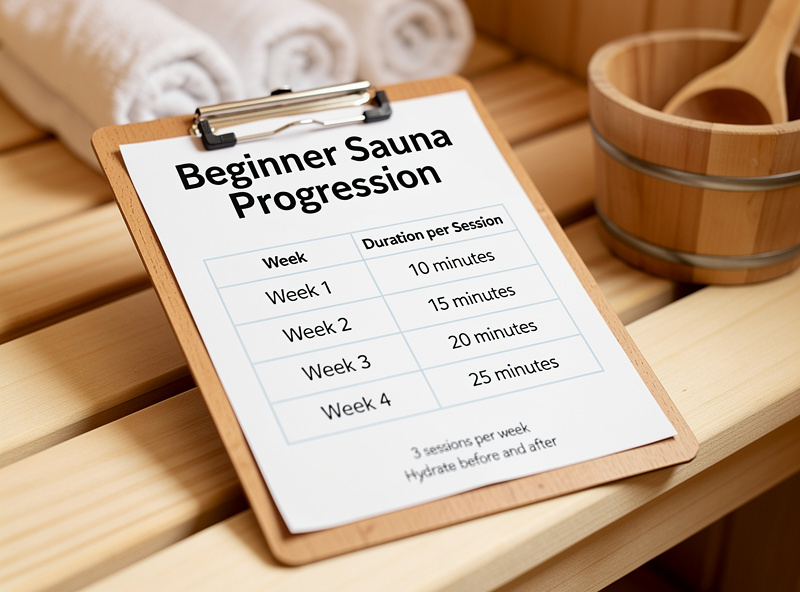
Most beginners overdo frequency in the first month, leading to fatigue and dropping the habit altogether. Progressive build:
| Week | Sessions | Duration | Goal |
|---|---|---|---|
| Week 1 | 3 | 15 min | Establish hydration habits |
| Week 2 | 3-4 | 20 min | Increase tolerance |
| Week 3 | 4 | 25 min | Lock in routine |
| Week 4 | 4-5 | 30 min | Reach maintenance frequency |
| Week 5+ | 4-5 | 30-40 min | Maintenance |
| Week 12+ | 5-6 | 30-40 min | Push to higher-benefit zone if comfortable |
By month 3, most users have either settled into a sustainable 4-5 per week routine or determined that daily use suits their schedule.
Rest Days and Recovery
1-2 rest days per week are sensible for most users. Reasons:
- Allow full electrolyte rebalancing
- Prevent cumulative fatigue that erodes the routine
- Give skin recovery time (some users develop minor heat irritation with 7-day-a-week use)
- Maintain freshness — a sauna session feels better when not done daily
Common rest day patterns: weekends off (Saturday/Sunday rest, sauna Monday-Friday), or alternating days (Monday/Wednesday/Friday/Sunday). Both work; consistency matters more than the specific pattern.
When to Reduce Frequency
Reduce sauna frequency or take a longer break (1-2 weeks) if you experience:
- Persistent fatigue not explained by other factors
- Frequent headaches in the 4-12 hours after sessions (suggests dehydration or electrolyte imbalance)
- Heat rash or skin irritation
- Reduced sweat output during sessions (suggests adaptation or dehydration)
- Sleep disruption (too-late sessions can delay sleep onset)
- Resting heart rate trending up over multiple weeks (overtraining-style response)
Most signs of “too much” sauna are reversible within 1-2 weeks of reduced frequency.
Sustaining the Habit
The cardiovascular benefits in the JAMA study required sustained use over years, not weeks. Six-month and 12-month consistency matters more than the perfect 6-session week.
Sustainability tips:
- Pair sauna with another habit (post-workout, post-shower routine, evening wind-down)
- Keep the equipment ready — saunas that take 15+ minutes to preheat get used less
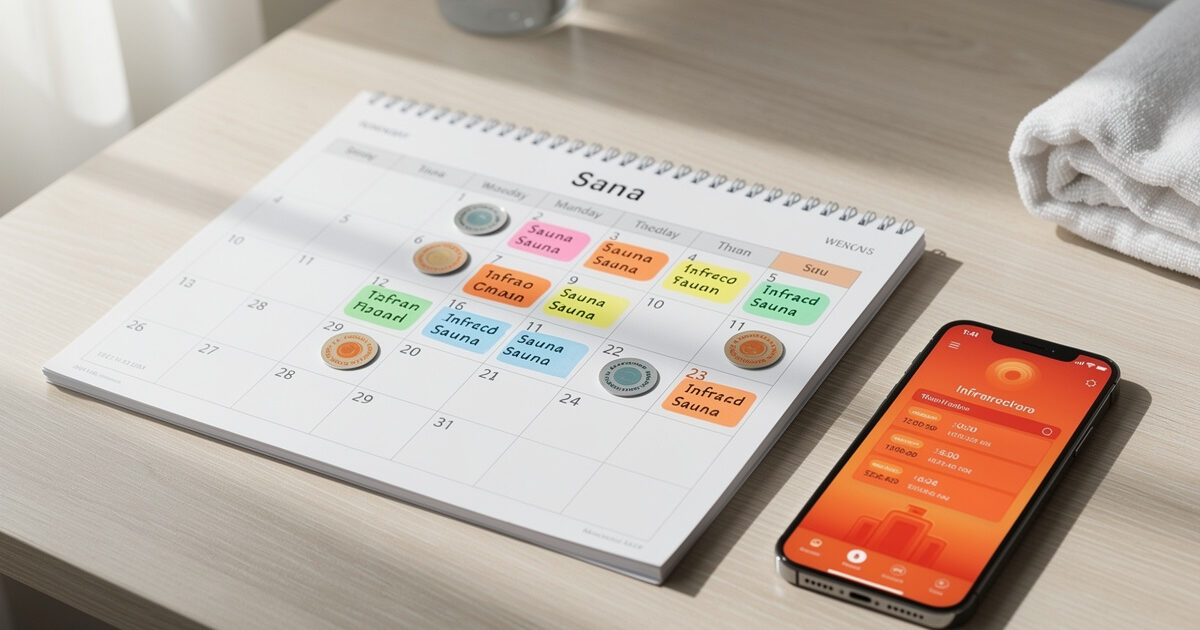
- Track sessions in a phone app or notebook — most modern saunas have built-in tracking
- Plan for travel — most cities have spa or gym sauna access
- Don’t make it a daily mandate — 5 sessions/week sustained for 5 years beats 7 sessions/week for 6 months
For motivation through specific protocols, see our 30-Day Infrared Sauna Detox Protocol.
How often can you use an infrared sauna?
Daily use is safe for healthy hydrated adults. The JAMA Internal Medicine 2018 study found 4 to 7 sessions per week reduced cardiovascular mortality 27 percent vs 1 per week. Most users settle on 4 to 5 sessions weekly with 1 to 2 rest days for full recovery.
Is daily infrared sauna too much?
Not for healthy adults with hydration discipline. The Finnish KIHD study tracked men using sauna 7+ times per week with no adverse effects and the highest cardiovascular benefits. Reduce frequency if you notice persistent fatigue, headaches, or sleep disruption.
How long until infrared sauna shows benefits?
Sleep improvement appears within 1-2 weeks. Recovery and energy effects within 2-4 weeks. Cardiovascular and metabolic effects require 8-12 weeks of consistent 4-5 sessions per week. The JAMA cardiovascular mortality data is from sustained use over years.
Can I use infrared sauna every day for weight loss?
Daily use is safe but weight loss requires caloric deficit, not sauna alone. Daily 35-45 minute sessions burn 250-700 calories per session and support metabolic adaptation. Combined with diet and exercise, daily sauna can be a useful tool. Sauna alone produces minimal sustained weight loss.
How many sauna sessions per week for cardiovascular health?
4 to 7 sessions per week, 30 to 40 minutes each, sustained for 8-12+ weeks. The JAMA Internal Medicine analysis of the Finnish KIHD study showed 27 percent lower cardiovascular mortality at this frequency vs 1 session per week.
Should I take rest days from infrared sauna?
1-2 rest days per week is sensible for most users. Reasons: full electrolyte rebalancing, prevention of cumulative fatigue, skin recovery time, maintaining habit freshness. Common patterns: weekends off, or alternating days. Daily use is safe but rest days improve sustainability.