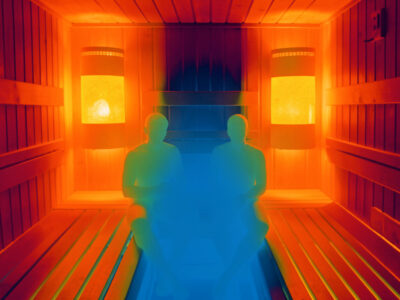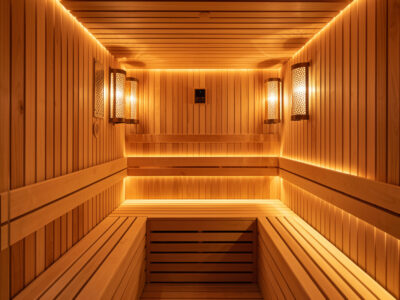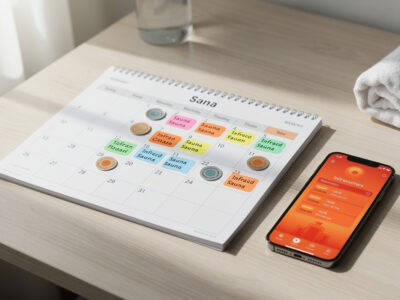
An infrared sauna session takes 20 to 45 minutes, runs at 110 to 140°F (cooler than traditional sauna’s 180-200°F), and burns 200 to 600 calories depending on duration and intensity. The single largest determinant of benefit is consistency — research from JAMA Internal Medicine (2018) showed cardiovascular benefits begin after 4 to 7 sessions per week sustained for 3+ months. This guide covers session length, frequency, temperature, hydration, before/after workout timing, and the beginner-to-advanced 30-day schedule that gets first-time sauna users to consistent practice.
As an Amazon Associate I earn from qualifying purchases.
Quick Answer: How to Use an Infrared Sauna
For first-time users: start at 110°F for 15 minutes, 3 sessions in your first week. Hydrate with 16-24 oz of water before and the same after. Wait 30 minutes after a meal before entering. Increase by 5 minutes per session per week up to 30 to 45 minutes at 130 to 140°F. Most experienced users do 4 to 5 sessions per week at 30 to 45 minutes. The 7+ sessions per week from peer-reviewed studies is the threshold where measurable cardiovascular benefit emerges.
Session Length: How Long Should You Sit?
Recommended duration depends on experience and target benefit:
| Experience Level | Duration | Temperature | Notes |
|---|---|---|---|
| First-time (sessions 1-3) | 15-20 min | 110-115°F | Build heat tolerance |
| Beginner (week 2-4) | 20-25 min | 115-125°F | Sweat starts at min 12-15 |
| Intermediate (month 2+) | 25-35 min | 125-135°F | Most home sessions |
| Advanced (regular use) | 30-45 min | 130-140°F | Cardio benefit zone |
| Athletic / sweat protocol | 40-60 min | 135-145°F | Specific recovery uses |
Sessions over 45 minutes have diminishing returns and increased dehydration risk. Above 60 minutes, the body’s thermoregulatory response shifts from beneficial heat-shock-protein expression to stress response (cortisol spike). Most published cardiovascular benefit research is from sessions in the 20 to 30 minute range.
For a complete view of buying decisions before sessions begin, see our Ultimate Guide to Infrared Saunas.
Session Frequency: How Often?
The 2018 JAMA Internal Medicine analysis of the Finnish KIHD study found dose-response relationships between session frequency and outcomes:
- 4-7 sessions per week: 27 percent reduction in cardiovascular mortality vs 1 session per week
- 2-3 sessions per week: 14 percent reduction in cardiovascular mortality
- 1 session per week: Baseline (small benefit vs no use)
This is data from traditional Finnish sauna at 175-195°F, but emerging evidence (Crinnion et al., 2011) suggests infrared sauna produces similar cardiovascular load at lower temperatures because it heats the body directly rather than the air around it.
Practical recommendation: 4 to 5 sessions per week, 30 to 40 minutes each, sustained for at least 90 days before evaluating effects.
Temperature: Why Lower Doesn’t Mean Less Effective
Infrared sauna runs at 110 to 140°F, far cooler than traditional Finnish sauna’s 175-195°F. The difference is the heating mechanism — infrared heats the body directly via radiant energy that penetrates 1-2 inches into tissue, while traditional sauna heats air which then heats skin.
Same physiological effect (core temperature rise, sweating, vasodilation) at half the air temperature. Many users find infrared more tolerable for longer sessions because the air is breathable and the heat is “deeper” feeling.
Temperature targets:
- 110-120°F: Beginner zone, builds tolerance, light sweat
- 120-130°F: Standard home use, full sweat by minute 15
- 130-140°F: Cardio benefit zone, peak sweat
- 140-150°F: Maximum, only for advanced users with hydration discipline
Most home infrared saunas top out at 140-150°F. If you want hotter, you’re looking at traditional Finnish sauna territory.
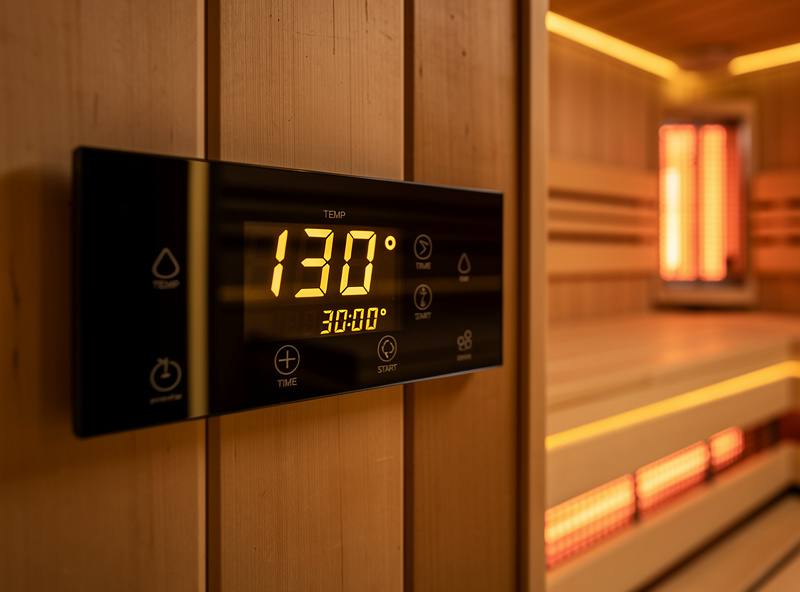
The panel readout is a fine starting point, but panel sensors run a few degrees optimistic and don’t tell you the humidity, which changes how the same set temp actually feels on your skin. I keep a separate thermometer and hygrometer clipped inside my own cabin so I know the real numbers, not just what the display claims.
Pre-Session Preparation
- Hydrate 30-60 minutes before: 16-24 oz water with electrolytes (pinch of salt + lemon, or commercial electrolyte mix). Skip caffeine and alcohol.
- Light meal 1-2 hours before: Don’t enter on a full stomach — digestion competes with thermoregulation.
- Pre-warm the sauna: 10-15 minutes for far-infrared saunas, 5-10 for full-spectrum. The unit reaches target temperature; you walk in to a stabilized environment.
- Towel and water in hand: Bring a towel for sweating onto, a water bottle for sips during, and a phone or book for distraction (some prefer silence). I switched to a stack of quick-dry sauna towels a while back — they don’t sit damp in an already-humid cabin between sessions the way regular bath towels do.
- Skip lotions and oils: Anything that blocks sweat reduces session benefit and stains the wood interior.
For the equipment side of session preparation, see our Best Infrared Sauna Brands guide — model-specific pre-heat times and configurations vary.

During the Session
Sip water continuously. Aim for 8-12 oz total during a 30-minute session. Standing or seated water bottles work; some users prefer a small thermos with iced electrolyte water.
Towel-off occasionally. Wipe sweat every 5-10 minutes. Sweat-on-skin is OK, but prolonged sweat layer reduces evaporative cooling and accelerates body temperature rise.
Get your back off the hot wood. A simple sauna backrest across the bench keeps bare skin off the panel-heated wall behind you — small comfort fix, and it’s the difference between a 30-minute session and one you cut short at 18.
Watch for warning signs. Light-headedness, nausea, headache, blurred vision, or chest discomfort means exit immediately. These are dehydration or overheating signals — drink water, cool down outside the sauna, do not “push through.”
Adjust temperature mid-session. Most modern saunas allow temperature adjustment during use. Lowering by 5-10°F mid-session is fine if you’re approaching tolerance limits.
Heart rate monitoring (optional). Heart rate during infrared sauna typically runs 100-130 BPM — equivalent to moderate cardio. Elevated to 140+ BPM suggests dehydration or overdoing it.
Post-Session Recovery
- Cool down gradually: Sit quietly for 5-10 minutes after exiting. Do not jump straight into a cold shower (sudden vasoconstriction can cause dizziness).
- Rehydrate aggressively: 16-24 oz of electrolyte water within 30 minutes. Coconut water works; commercial electrolyte mixes work better. Plain water alone is incomplete — you sweat out sodium and potassium too.
- Shower 15-30 minutes after: Lukewarm to cool shower clears sweat residue and supports body temperature normalization. Skip hot showers immediately after.
- Eat protein within 2 hours: Especially after longer sessions. Body uses thermal stress as a recovery cue and protein supports the response.
- Track how you feel. Most users report energy boost 1-3 hours post-session followed by improved sleep that night.
For broader detox and post-session protocol, see our 30-Day Infrared Sauna Detox Protocol.
Sauna Before vs After Workouts
The timing question matters more than most users realize.
Before a workout (less common): Pre-session sauna can serve as an active warm-up, increasing blood flow and joint mobility. Use 10-15 minutes at 115-125°F. Higher temperatures or longer durations pre-workout cause performance drops due to fluid loss.
After a workout (recommended): Post-workout sauna sessions support recovery, increase growth hormone release (Hannuksela 2001), and improve sleep quality. Wait 30-60 minutes after exercise for body to begin natural cool-down before entering. Use 25-35 minutes at 125-135°F.
The “after” timing is what most published research uses and what athletic populations report best results from.
Time of Day: Morning vs Night
Both work; most users settle on evening for one reason: improved sleep. Sauna 1-3 hours before bedtime triggers core body temperature drop afterward, and that drop is a key sleep signal. Studies show sauna users report 25-30 percent improvement in subjective sleep quality (Hannuksela 2001).
Morning sauna boosts daytime energy but doesn’t carry the sleep benefit. Some users do shorter morning sessions (15-20 min) for energy plus a longer evening session 2-3 times a week for sleep.
Avoid sauna immediately before sleep (within 30 minutes) — body is still in heat-dissipation mode and will resist falling asleep.
Hydration Math
A 30-minute session at 130°F produces 12-24 oz of sweat for most users (slimmer / smaller users sweat less; larger users more). Sweat composition is approximately 99 percent water plus electrolytes — primarily sodium, with smaller amounts of potassium and magnesium.
Hydration plan:
- Pre-session: 16-24 oz water + electrolytes (pinch of salt + lemon)
- During: 8-12 oz water in sips
- Post-session: 16-24 oz water + electrolytes
- Total around session: 40-60 oz water
Coffee, alcohol, and energy drinks are diuretics and increase dehydration risk. Save them for outside sauna timing.
Common Session Mistakes
Skipping pre-hydration. Entering a sauna already underhydrated is the leading cause of dizziness, headache, and post-session fatigue.
Eating immediately before. Full stomach + sauna heat = nausea risk. Wait 1-2 hours after meals.
Using lotions, oils, or fragrance. Blocks sweat, can off-gas in heat, stains wood. Skip for 4 hours before sessions.
Pushing through warning signs. Light-headedness or nausea is your body asking to exit. Listen.
Cold-shower immediately after. Vasoconstriction shock. Cool down 5-10 minutes first.
Sporadic frequency. 1 session every 2 weeks does not produce documented benefits. Consistency is the variable.
For deeper safety considerations, see our Infrared Sauna Safety guide.
Beginner 30-Day Schedule
| Week | Session/Week | Duration | Temp | Goal |
|---|---|---|---|---|
| 1 | 3 | 15 min | 110-115°F | Heat tolerance, hydration habits |
| 2 | 3-4 | 20 min | 115-125°F | Sweat onset by minute 15 |
| 3 | 4 | 25 min | 120-130°F | Sustainable session length |
| 4 | 4-5 | 30 min | 125-135°F | Standard practice locked in |
By month 2, most users settle into 4-5 sessions per week at 30-40 minutes per session. This is the maintenance zone where most documented health benefits accrue.
For broader complete guide context, see How to Choose the Best Infrared Sauna for the equipment that supports this practice.
How long should an infrared sauna session be?
15-20 minutes for first-time users. 25-35 minutes for most regular sessions. 30-45 minutes for advanced users targeting cardio benefits. Sessions beyond 45 minutes show diminishing returns and increased dehydration risk. Most published research is from 20-30 minute sessions.
How often should I use an infrared sauna?
4-7 sessions per week showed 27 percent reduction in cardiovascular mortality in the JAMA Internal Medicine 2018 analysis of the Finnish KIHD study. 4-5 sessions per week, 30-40 minutes each, sustained for 3+ months is the practical recommendation for measurable benefits.
What temperature should an infrared sauna be?
110-120°F for beginners. 120-130°F for standard home use. 130-140°F for the cardio benefit zone with full sweat response. 140-150°F maximum, advanced users only with disciplined hydration. Most home infrared saunas top out at 140-150°F.
Should I drink water during an infrared sauna session?
Yes. Sip 8-12 oz of water during a 30-minute session. Hydrate 16-24 oz before with electrolytes (pinch of salt + lemon) and the same after. Total around-session hydration is 40-60 oz. Skip caffeine and alcohol — diuretics worsen dehydration.
Should I use the sauna before or after a workout?
After is recommended. Wait 30-60 minutes post-exercise, then 25-35 minutes at 125-135°F. Sauna after workouts supports recovery, growth hormone release, and sleep. Pre-workout sauna can serve as warm-up but causes performance drops if too long or hot.
Can you use an infrared sauna every day?
Yes, daily use is the upper end of the JAMA dose-response range and shows the highest measurable benefits. The key is hydration discipline and listening to fatigue signals. Most users settle on 4-5 sessions per week with 1-2 rest days for adequate recovery.
What time of day is best for infrared sauna?
Evening is most popular for sleep benefits. Sessions 1-3 hours before bedtime trigger post-session core temperature drop, a key sleep signal — improves subjective sleep quality 25-30 percent. Morning sessions boost daytime energy but lack the sleep benefit. Avoid within 30 minutes of bedtime.
Sessions and Protocols Cluster Deep Dives
For specific questions in depth, the four spoke articles cover what most users research after their first sessions:
- How Often to Use Infrared Sauna: Daily, Weekly, Optimal — JAMA-supported frequency data and progression schedules.
- How Long to Sit in Infrared Sauna: Beginner to Advanced — 15 to 45 minute ranges by goal and experience.
- Infrared Sauna Temperature: Why 130 Degrees Is Optimal — 110-150°F by experience and goal, why infrared at 130°F equals Finnish at 180°F.
- Infrared Sauna Beginner Schedule: First 30 Days — day-by-day plan from 15min/110°F to 30min/130°F.