A good infrared sauna warm-up has two halves: priming the cabin and priming your body. I preheat the cabin 20–30 minutes before I sit using a smart plug, and I raise my own core temperature a little with light movement or a warm shower beforehand. Together those two steps roughly halve how long it takes me to start sweating compared to walking in cold off a Swedish winter evening.
Most people skip the warm-up entirely — they hit the power button, climb straight in, and then wonder why the first fifteen minutes feel like nothing is happening. The cabin is cold and so are they. This guide is the exact routine I run before every session, why each part matters, and how to automate the boring half of it so the cabin is ready before you are.
Why Warming Up Matters More in Infrared
Infrared cabins run cooler air than traditional saunas — typically 120–140°F versus 180–195°F — because the panels heat your body directly with radiant energy instead of superheating the air. That lower air temperature is gentler, but it also means there is no blast of scorching air to kick-start your sweat. Your response builds gradually as your core temperature rises, so anything that gives that climb a head start pays off directly.
From a cold cabin and a cold body, my first real sweat can take 18–20 minutes. With both the cabin and my body warmed up first, it drops to 8–10. Nothing about the hardware changed — I just stopped wasting the first stretch of the session on warm-up I could have done in advance. The slow-build nature of infrared is exactly why the warm-up is worth more here than in a hot-rock sauna. If your sessions feel like they never get going, this is usually why, and it pairs directly with the diagnostics in my not-sweating guide.
Half One: Preheat the Cabin
A cold cabin spends the first 10–15 minutes of your session bringing the panels and the wood up to temperature. That is radiant load your body is not getting. Preheating moves that warm-up out of your session time so that when you sit down, the panels are saturated, the wood is warm, and the air has stabilized.
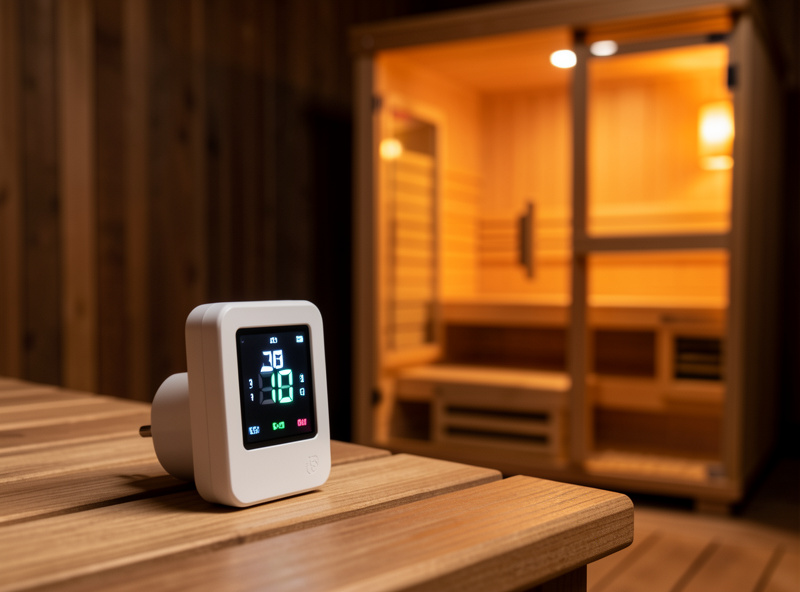
I run a smart plug scheduled to start my cabin 20–30 minutes before I plan to sit. By the time I open the door, the unit is already at temperature and working. This is the single highest-value, lowest-effort change you can make, and it costs nothing but a cheap smart switch. One caution: an infrared cabin draws real current, so the plug has to be properly rated for the load — I cover picking a safe one in my smart plug guide and the broader automation in my smart controls guide. The same rule engine that pre-heats my cabin is the one that runs the rest of the house.
Half Two: Prime Your Body
Warming the cabin is only half the job. If you walk in with a cold core and constricted skin — which is the default after a winter commute or first thing in the morning — your sweat response is slow no matter how good the panels are. Raising your core temperature a little before you sit gets the response started so the cabin only has to carry it the rest of the way.
My priming options, depending on the day: a few minutes of light movement to gently raise the core, or a warm (not hot) shower beforehand, which warms the skin and is the version I reach for most in winter. I keep it light — the goal is a small head start, not a workout that leaves me already taxed before the session. The pre-shower question has more nuance than people expect, including why a hot shower can actually work against you, and I dig into that in my shower-before-sauna guide.
Hydrate as Part of the Warm-Up
Hydration is part of priming, not an afterthought. Sweat is mostly water, and you cannot produce it if you start the session low. I drink 400–500ml of water in the 30–60 minutes before I sit, and on longer sessions I add electrolytes because sweat carries sodium and minerals, not just water. Starting hydrated is what lets the warm-up actually translate into sweat once you are in the cabin.
This also sets you up to avoid the lightheaded feeling that comes from sweating hard on an empty tank. Pre-loading fluid and electrolytes is the cheapest insurance against having to cut a session short, and it matters more than any gadget. I keep a bottle in the cabin and treat the pre-session glass as non-negotiable as the preheat. The dizziness side of this is covered in my dizzy and lightheaded guide.
Cold-Weather Adjustments
If you live somewhere with a real winter, the warm-up matters more, not less. The colder the room the cabin sits in, the longer the preheat needs to be, because the panels are fighting a bigger temperature gap and the wood is starting from cold. In my unheated utility space during a Swedish February, I stretch the preheat closer to 30–40 minutes; in a warm interior room in summer, 15–20 is plenty.
Your body is colder in winter too. Coming in off a freezing commute with constricted skin, I lean harder on the warm-shower version of priming rather than light movement, because it warms the skin surface fast. The other cold-weather detail people miss is the floor and the bench — cold wood under you pulls heat away, so I let the whole cabin, not just the air, come up to temperature before sitting. This is the same seasonal logic that makes the sauna routine earn its electricity bill in the dark months: when it is coldest outside is exactly when the warm-up discipline pays off most.
Common Warm-Up Mistakes
The mistakes I see most are all versions of skipping a step and then blaming the cabin. Climbing in the instant you hit the power button means you sit through the warm-up; arriving dehydrated means the priming never converts to sweat; and overdoing the body prep with a hot shower or hard exercise means you start the session already overheated and have to cut it short.
The subtlest mistake is preheating the air but not the cabin. Some controllers reach their air-temperature set point quickly while the panels and wood are still cold, so the display says “ready” before the cabin actually is. That is the same set-temp-versus-felt-heat gap I cover in detail elsewhere — the number says go, the radiant load says wait. Give the cabin the full preheat regardless of how fast the display claims it is ready, and you will feel the difference in how quickly the sweat starts. The full breakdown of why the display gets ahead of reality is in my set temp vs felt heat guide.
My Full Pre-Session Sequence
Put together, my warm-up runs on a simple timeline that overlaps the cabin preheat with my own priming so nothing is wasted. The cabin warms itself while I warm myself, and we are both ready at the same moment.
| Time Before Session | Cabin | Body |
|---|---|---|
| 30 min | Smart plug starts preheat | Drink 400-500ml water (+ electrolytes) |
| 10-15 min | Panels saturating, air stabilizing | Light movement or warm shower |
| 5 min | At target, wood warm | Towel ready, bottle filled |
| 0 min | Sit down to a working cabin | Primed, hydrated, relaxed |
The whole point is that by minute zero, neither the cabin nor your body is starting from cold. That is what turns the dead first fifteen minutes into productive session time. Once you are in, the next levers are posture and felt heat, covered in my breathing and posture guide and set temp vs felt heat guide.
Frequently Asked Questions
How long should I preheat an infrared sauna before a session?
Preheat for 20-30 minutes so the panels saturate, the wood warms, and the air stabilizes before you sit. A cold cabin otherwise spends the first 10-15 minutes of your session just warming up, which is radiant load your body never receives. A rated smart plug on a timer automates this completely.
Should I warm up my body before an infrared sauna?
Yes. If you sit down with a cold core and constricted skin, your sweat response is slow regardless of the cabin. A few minutes of light movement or a warm shower raises your core temperature a little and gets the response started, so the cabin only has to carry it the rest of the way.
Does a warm shower before an infrared sauna help you sweat?
A warm shower warms your skin and gives your sweat response a head start, which is why it is my go-to in winter. A hot shower can backfire by leaving you overheated before you start. Keep it warm, not hot, and treat it as priming rather than part of the session itself.
When should I drink water for an infrared sauna session?
Drink 400-500ml in the 30-60 minutes before you sit, and keep a bottle in the cabin. Sweat is mostly water, so starting low means you barely sweat and risk feeling lightheaded. On longer sessions add electrolytes to replace the sodium and minerals that leave in sweat.
Can I just turn the sauna on and get in right away?
You can, but you will spend the first 10-15 minutes sitting through the cabin’s warm-up with little radiant load reaching you. Preheating in advance moves that warm-up out of your session, so a 30-minute session is 30 minutes of working heat rather than 15 minutes of waiting.