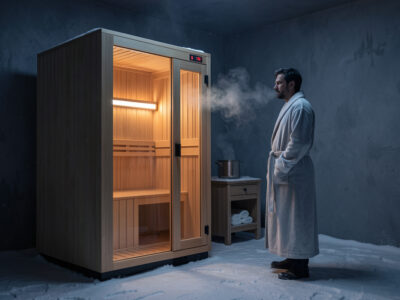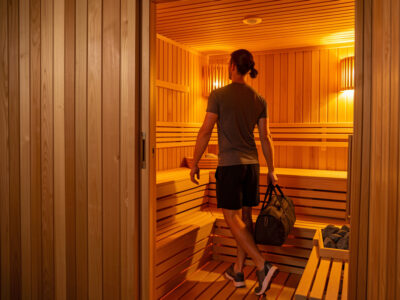
If you feel dizzy or lightheaded in an infrared sauna, the usual culprits are dehydration, staying in too long, standing up too fast, or simply pushing the heat harder than your body wanted. The fix is almost never to tough it out — it is shorter sessions, more water and electrolytes, a lower set temp, and getting up slowly. When I started paying attention to those four things, the lightheaded moments mostly disappeared from my own sessions.
This matters more in infrared than people expect, because the gentle air temperature hides how much heat your body is actually absorbing. There is no scorching-air warning to tell you to get out, so it is easy to overshoot. Here is how I read the warning signs, the practical adjustments that dial it back, and the clear line where this stops being a comfort issue and becomes a reason to talk to a doctor.
Important: this is practical comfort and session advice from an owner, not medical advice. If you regularly feel faint, have a cardiovascular condition, are pregnant, take medication that affects blood pressure or hydration, or ever actually pass out, stop using the sauna and talk to a doctor before continuing. The health effects of sauna heat are studied and reported in research, not something I can promise or treat — the medical questions belong with a professional.
Why Infrared Makes Overheating Easy to Miss
Infrared cabins run cooler air than traditional saunas — typically 120–140°F versus 180–195°F — because the panels heat your body directly with radiant energy rather than heating the air. That gentler air is exactly why it is easy to overdo: in a hot-rock sauna the searing air drives you out, but in an infrared cabin the air feels mild while your core temperature keeps climbing from the radiant load. The lightheaded feeling is often your body telling you it has absorbed more heat than the comfortable-feeling air suggested.
So the first reframe is that feeling dizzy is data, not weakness. It usually means one or more of: you got too hot, you were low on fluid, your blood pressure dropped when you moved, or your session ran long. Each of those has a direct, practical fix, and none of them is “push through it.” The slow, deep nature of infrared heating is the same reason the warm-up and timing guides in this cluster matter — the cabin sneaks up on you. The broader risk picture is in my safety guide.
Cause 1: Dehydration and Electrolyte Loss
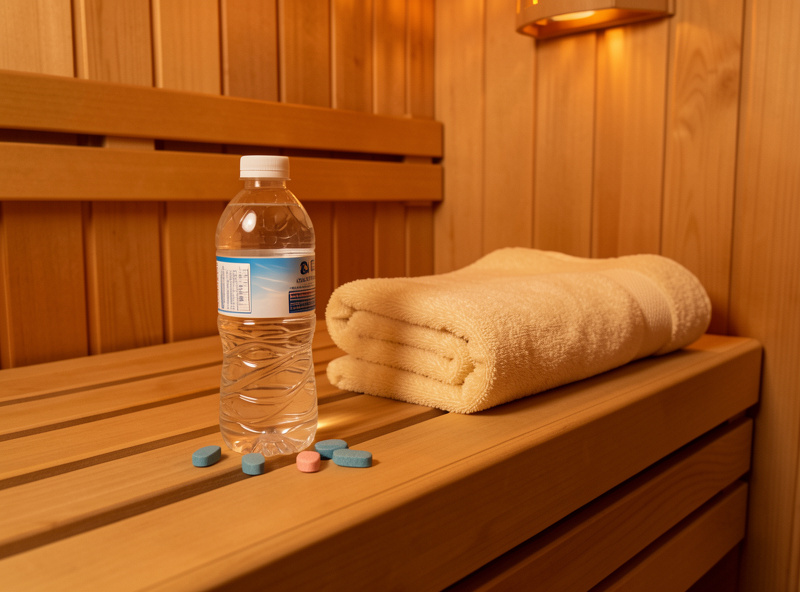
The most common cause is going in low on fluid, or sweating hard without replacing what you lose. Sweat is mostly water but it also carries sodium and other minerals, and losing a lot of both while topping up neither is a fast route to feeling off. I drink 400–500ml of water in the hour before a session, keep a bottle in the cabin, and add electrolytes on longer sessions specifically to head this off.
Plain water alone on a long, heavy-sweat session can actually make you feel worse, because you dilute your remaining sodium without replacing it. That is where a simple electrolyte tablet earns its place — it keeps the sweat sustainable instead of leaving you wrung out. As an Amazon Associate I earn from qualifying purchases. A basic supply of electrolyte tablets is cheap insurance against the most common dizzy trigger. Hydration is also why people who under-hydrate tend to both under-sweat and feel lightheaded, a link I cover in my not-sweating guide.
Cause 2: Standing Up Too Fast
A lot of sauna dizziness is plain orthostatic drop — the brief blood-pressure dip you get when you stand up quickly. Heat dilates your blood vessels, so when you rise fast from a seated position your blood pressure can fall for a few seconds and leave you swimmy. This one is purely mechanical and easy to fix: stand up slowly, pause, and steady yourself before stepping out.
I make a habit of it now — a few seconds of sitting forward, then a slow rise with a hand on the bench. It costs nothing and removes one of the most common end-of-session wobbles entirely. The same goes for the cool-down: do not leap straight into a cold shower or plunge from a hot session without easing into it, because abrupt swings can compound the effect. The deliberate stand-up is part of the posture habits in my breathing and posture guide.
Cause 3: Sessions That Run Too Long or Too Hot
Sometimes the answer is simply that the session was too much. Too long, too hot, or both — and the dizzy feeling is the overshoot. The fix is to scale back: shorter sessions, a lower set temp, and building your tolerance gradually rather than chasing a marathon. New users especially should start short and work up; the response adapts over weeks and there is nothing to gain from forcing it.
I treat my own limits as a moving line and respect where it is on a given day — tired, under-slept, or already a bit dehydrated, I cut the session shorter. The goal is to step out feeling good, not to set a personal record. If you are unsure how long is reasonable, my how-long-to-sit guide and temperature guide lay out sensible starting points. More heat is not more benefit, and pushing past comfort is exactly where the trouble starts.

Cause 4: Low Blood Sugar and Timing
Going into a session on a completely empty tank — no food for a long stretch, or right after intense exercise — can leave you lightheaded for reasons that have nothing to do with the heat itself. I avoid saunas when I am already depleted, and I do not go in immediately after a hard workout when my body is still recovering and my fluids are already down.
A light snack beforehand and a sensible gap after exercise both help. This is less about a rule and more about not stacking stressors: a hot session is a demand on your body, and piling it on top of low blood sugar, dehydration, and exercise fatigue at the same time is asking for a wobble. Spread them out and the session is comfortable. If lightheadedness happens even when you are well-fed, well-hydrated, and taking it easy, that is the signal to stop and check with a doctor rather than keep experimenting.
My Dial-It-Back Checklist
When a session leaves me feeling off, this is the order I adjust things — and every item is about reducing the load, never about pushing through.
| If You Feel… | Likely Cause | Dial It Back By |
|---|---|---|
| Swimmy on standing | Blood-pressure drop | Stand up slowly, pause first |
| Weak, wrung out | Dehydration / low electrolytes | More water + electrolytes, shorter session |
| Overheated, flushed | Too hot / too long | Lower set temp, cut session short |
| Shaky, faint | Low blood sugar / depleted | Eat first, skip post-workout sessions |
| Faint repeatedly | Possible medical issue | Stop and see a doctor |
The through-line is that almost every dizzy moment in an infrared sauna comes from doing too much of something — too long, too hot, too little water, too fast to stand. Reduce the load and the sessions stay enjoyable. The one thing to never do is treat persistent faintness as something to power through. The rest of the technique that keeps sessions comfortable is in my full sweat-more method and warm-up guide.

Frequently Asked Questions
Why do I feel dizzy in an infrared sauna?
The most common reasons are dehydration, staying in too long, standing up too quickly, or simply getting hotter than your body wanted. Infrared’s gentle air hides how much heat you absorb, so it is easy to overshoot. The fix is more water and electrolytes, shorter and cooler sessions, and getting up slowly, not pushing through it.
How do I stop feeling lightheaded when I stand up in the sauna?
That swimmy feeling on standing is usually a brief blood-pressure drop because heat dilates your blood vessels. Stand up slowly, sit forward and pause for a few seconds first, and steady yourself with a hand on the bench before stepping out. Easing into any cool-down rather than a sudden cold shock also helps.
Should I drink electrolytes for sauna dizziness?
Often yes. Sweat carries sodium and minerals, not just water, so on long heavy-sweat sessions plain water alone can dilute your remaining sodium and make you feel worse. A simple electrolyte tablet in your bottle keeps the sweat sustainable and heads off one of the most common dizzy triggers.
Is it dangerous to feel dizzy in an infrared sauna?
Occasional mild lightheadedness from heat, dehydration, or standing up fast is common and usually fixed by dialing the session back. But repeatedly feeling faint, or actually passing out, is not something to push through. If it keeps happening when you are hydrated and taking it easy, stop and see a doctor.
How long should a beginner stay in to avoid getting lightheaded?
Start short and build up gradually rather than chasing a long session, since your tolerance adapts over weeks. Keep early sessions modest in both time and temperature, hydrate beforehand, and step out the moment you feel off. There is no benefit to forcing a longer or hotter session than your body is ready for.