If you are not sweating in your infrared sauna, the cause is almost always one of five things: the cabin was not preheated, you are dehydrated, you are sitting in a radiant cold spot, the heater is underperforming, or your body simply has not adapted yet. When I chased this exact problem in one of my own cabins, a plug-in energy meter and a thermal camera told me in ten minutes which one it was.
This is the most common complaint I hear from new infrared owners, and the panic is understandable — you spent real money on a cabin and you are sitting in it barely glowing while the internet promised you would be drenched. The good news is that a non-sweating infrared sauna is a diagnosable problem, not a verdict. Here is the exact order I work through it, including how I proved one of my units was genuinely under-heating versus the times the fault was entirely my technique.
First, Reset Your Expectations for Infrared Sweat
Before you assume something is broken, know that infrared sweat is supposed to be slow. Infrared cabins run cooler air than traditional saunas — typically 120–140°F versus 180–195°F — because they heat your body directly with radiant energy rather than heating the air. The sweat follows your rising core temperature, not the room, so a 10–15 minute delay before the first real sweat is completely normal, especially from a cold start.
In my far-infrared cabin, from a cold cabin and a cold winter body, the first proper sweat can take 18–20 minutes. From a preheated cabin with a primed body it drops to 8–10. If you are bailing out at the 10-minute mark because nothing is happening, you may simply be quitting before the response starts. The full timing breakdown by heater type is in my how long it takes to sweat guide. Rule out “too early” before you diagnose a fault.
Cause 1: You Did Not Preheat the Cabin
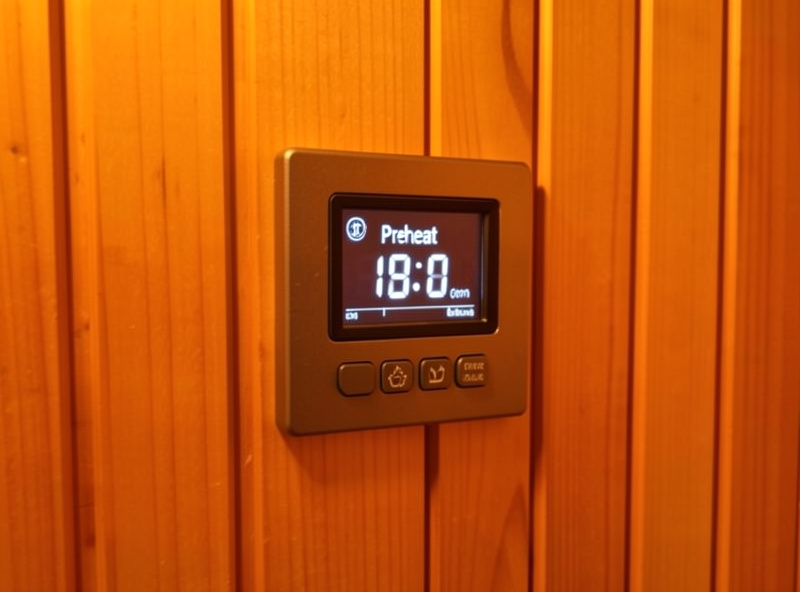
This is the number one fixable cause, and it is free. A cold cabin spends the first 10–15 minutes of your session bringing the panels and the wood up to temperature — that is time your body is not receiving full radiant load. If you climb in the moment you hit the power button, you are essentially sitting through the warm-up and then quitting before the cabin is actually working.
I run a smart plug scheduled to start my cabin 20–30 minutes before I sit. By the time I get in, the wood is warm, the air has stabilized, and the panels are saturated. The difference in time-to-sweat is dramatic — easily cutting it in half. If you do nothing else from this guide, preheat. I cover the routine in detail in my warm-up guide, and the smart-plug setup in my smart plug guide.
Cause 2: You Are Dehydrated
Sweat is mostly water, and you cannot produce what you do not have. If you walk into the cabin already low on fluid — which is easy to do, especially first thing in the morning or after a workout — your body will hold onto its water and you will barely sweat. This one masquerades as a hardware problem constantly.
I drink 400–500ml of water in the 30–60 minutes before a session and keep a bottle in the cabin. On longer sessions I add electrolytes, because what leaves in sweat is sodium and minerals, not just water, and replacing them keeps the sweat sustainable. If you are barely sweating and also feeling a bit off, dehydration is the prime suspect — and it is the same root cause behind the lightheaded feeling I cover in why I feel dizzy and how I dial it back.
Cause 3: You Are Sitting in a Radiant Cold Spot
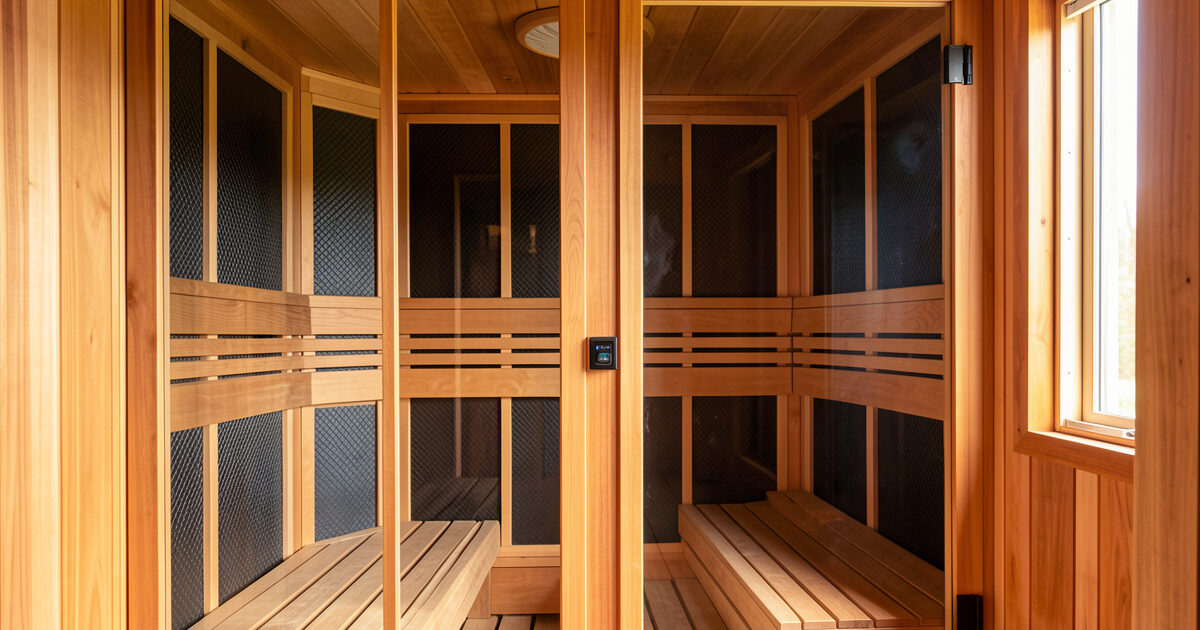
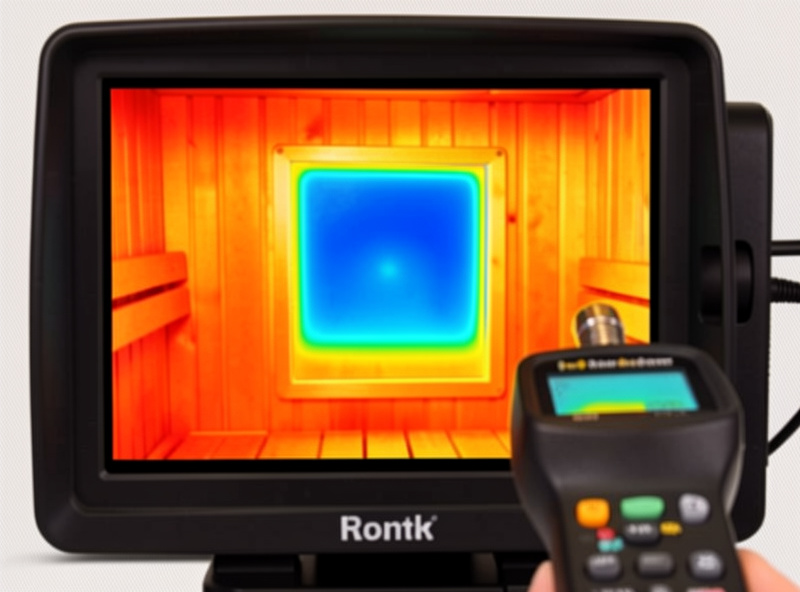
Infrared heat is directional. If a panel is not facing a part of your body, that part is not getting heated, and poorly placed panels leave radiant cold spots exactly where you sit. I have measured this in my own cabins with a thermal camera — one unit had its rear panels mounted too high, leaving a genuine cold zone at lower-back height, which is the part of you with the most surface area.
The fix is sometimes as simple as sitting differently — sitting back so your spine faces the rear panel instead of hunching forward — and sometimes it means the panel layout itself is wrong. You can find cold spots with a cheap infrared thermometer pointed at the panels and at your own skin mid-session. As an Amazon Associate I earn from qualifying purchases. A basic infrared thermometer is the single most useful tool for diagnosing this. The full cold-spot mapping method is in my heater placement guide, and posture fixes are in my breathing and posture guide.
Cause 4: The Heater Is Genuinely Underperforming
Sometimes it really is the cabin. A partially failed heater element, a unit that never reaches its set temperature, or a budget cabin with underpowered panels will leave you under-sweating no matter how good your technique is. This is the one cause people are most afraid of and the easiest to actually prove.
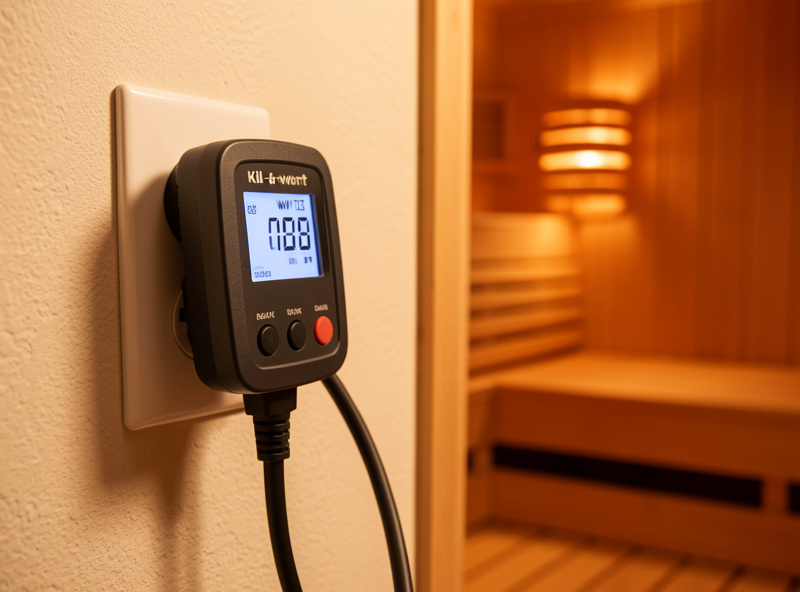
I prove it with two cheap tools. A plug-in energy meter (a kill-a-watt style device) tells me whether the cabin is actually drawing its rated power — if a 1,500-watt cabin is only pulling 900 watts at the wall, a heater element has failed. An infrared thermometer or thermal camera tells me whether the panel surfaces are reaching temperature. If the power draw is low or a panel stays cold while its neighbors heat, that is a hardware fault, not your technique, and it is worth a warranty call. This same metering approach is how I check used units in my used sauna EMF guide and heater testing guide.
Cause 5: Your Body Has Not Adapted Yet
If everything checks out — cabin preheated, you are hydrated, panels are at temperature, power draw is correct — and you still under-sweat, you are probably just early. The sweat response adapts over weeks of consistent use. When I started logging sessions my time-to-first-sweat sat around 14–16 minutes; after a few weeks of regular use it dropped into the 8–10 minute range at the same set temp, and the volume climbed.
This is the cause nobody wants to hear because the fix is patience, but it is real. The cabin that “does not work” in week one is frequently the same cabin that has you dripping a month later. Consistency does the work: a few steady 20-minute sessions a week train the response better than occasional long, hot ones. Follow a structured ramp like my beginner schedule and give it a month before you judge the unit.
What Actually Fixed Mine
My own under-sweating saga had two separate culprits at two different times, which is exactly why I work the list rather than guessing. The first time, in my first winter of ownership, the problem was entirely me: I was climbing into a cold cabin, sitting hunched over my phone, and bailing at 12 minutes. Adding a 25-minute preheat on a smart plug and simply sitting back against the rear panel cut my time-to-sweat roughly in half. No hardware involved.
The second time was real. A panel in one of my units had partially failed, and the give-away was the energy meter — the cabin was pulling noticeably under its rated draw, and the thermal camera showed one panel sitting cold while its neighbors glowed. That was a warranty conversation, not a technique problem. The reason I could tell the two situations apart in minutes instead of agonizing for weeks is that I metered instead of assumed. If you own one cheap tool for this, make it the energy meter; it is the difference between “I think it might be broken” and “this panel draws nothing, here is the number.”
My Diagnostic Order, Start to Finish
When a session under-sweats, I do not guess — I work the list in order because it goes from free-and-likely to expensive-and-rare. Preheat and hydration are free and account for most cases; metering the cabin is the tiebreaker when technique is clearly fine.
| Step | What to Check | Tool | If It Fails |
|---|---|---|---|
| 1 | Did you preheat 20-30 min? | Clock / smart plug | Preheat and retest |
| 2 | Are you hydrated? | Water + electrolytes pre-session | Rehydrate, retest next day |
| 3 | Are you sitting in the heat? | Posture, IR thermometer | Sit back, face the panels |
| 4 | Are panels reaching temp? | IR thermometer / thermal camera | Possible heater fault |
| 5 | Is the cabin drawing rated power? | Plug-in energy meter | Warranty call |
| 6 | Are you past week 2-3? | Session log | Keep going, adapt |
Frequently Asked Questions
Is it normal to not sweat much in an infrared sauna at first?
Yes. Infrared saunas heat your body directly rather than the air, so sweat follows your rising core temperature and can take 10-20 minutes to start, especially from a cold cabin. New users also under-sweat for the first couple of weeks before the response adapts. Give it a month of consistent use before judging the unit.
How do I know if my infrared sauna heater is broken?
Use a plug-in energy meter to check whether the cabin draws its rated power at the wall. A 1,500-watt cabin pulling only 900 watts points to a failed element. An infrared thermometer tells you whether each panel reaches temperature. If power draw is low or a panel stays cold, it is a hardware fault worth a warranty call.
Can dehydration stop you sweating in a sauna?
Absolutely. Sweat is mostly water, so if you start a session low on fluid your body holds onto its water and you barely sweat. Drink 400-500ml in the hour before, keep water in the cabin, and add electrolytes on longer sessions. Dehydration is one of the most common and most overlooked causes of under-sweating.
Why do I sweat less in some spots than others in my sauna?
Infrared heat is directional, so a part of your body that is not facing a panel does not get heated. Poorly placed panels leave radiant cold spots, often at lower-back height. Point an infrared thermometer at the panels and your skin to find them, then sit so the cold area faces a heater.
Should I turn the temperature up if I am not sweating?
Usually not. The display reads wall air temperature, not the radiant heat your body receives, so cranking it just overheats the air. Preheating the cabin, hydrating, and sitting closer to the panels move your sweat far more than a higher set point. Diagnose the real cause before chasing the thermostat.