You lose real fluid and electrolytes in a recovery sauna, so hydrating around the session — not just gulping water after — is what keeps it from backfiring. On my scale a 20-minute sit costs 300–600 g of body water, essentially all sweat, and sweat carries sodium out with it. My approach is simple: drink before, sip during a longer sit, and replace both water and sodium afterward. I am describing what I do, not prescribing amounts — how much you need depends on you, and that is a question for your own sweat rate and, if you have any medical condition, your doctor.
I learned this the uncomfortable way. My first winter I treated hydration as an afterthought, drank one glass of water after each sit, and kept waking up flat and headachy. Metering the fluid loss on a bathroom scale is what fixed it — once I saw the number, the fix was obvious. This is the hydration chapter of my workout recovery guide, and it is the weak link that quietly undermines every other part of a recovery routine when you ignore it.
How Much Fluid Do You Actually Lose in a Session?
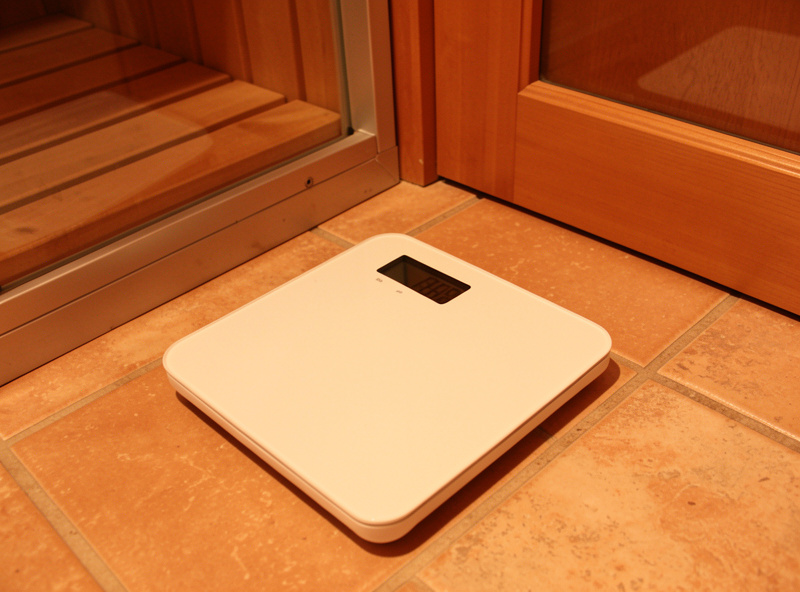
More than it feels like, because infrared sweat evaporates and you never see a puddle. When I weigh myself before and after a 20-minute recovery sit at a 50 °C set temp, I am consistently down 300–600 g — and a longer or hotter session pushes that higher. That is close to the weight of the water lost, since almost nothing else changes in twenty minutes. Stack that on top of a workout, where I might already be down a kilo or more of sweat, and the same-day deficit gets real.
The reason this matters is that a fluid deficit does not just make you thirsty — it drops blood volume, which is part of why your heart rate runs higher during and after the sit, and it is a common cause of the post-sauna headache and flat, sluggish feeling the next morning. Weighing yourself before and after once or twice is the single most useful thing you can do here: it turns “I should probably drink more” into a number you can actually replace. I bring the same measure-first habit to heart rate, and the two are linked — dehydration inflates the in-session number, which I explain in tracking heart rate and session load.
Why Isn’t Water Alone Enough?
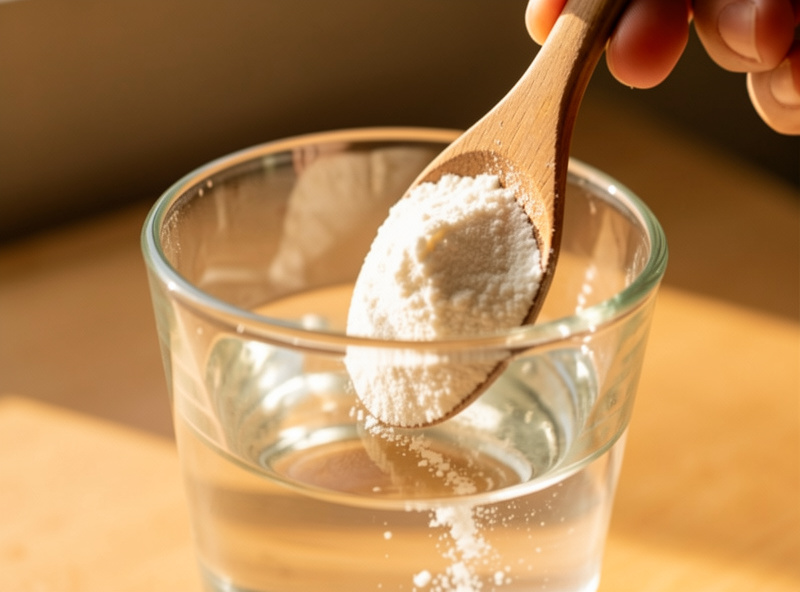
Because sweat is not pure water — it carries sodium and other electrolytes with it, and replacing only the water while ignoring the salt can leave you feeling worse rather than better. After heavy sweating, drinking a large volume of plain water dilutes what sodium you have left, which is exactly the flat, washed-out feeling I used to get. Research on exercise and heat consistently points to replacing electrolytes, not just fluid, after significant sweat losses — sports-medicine and public-health bodies say the same.
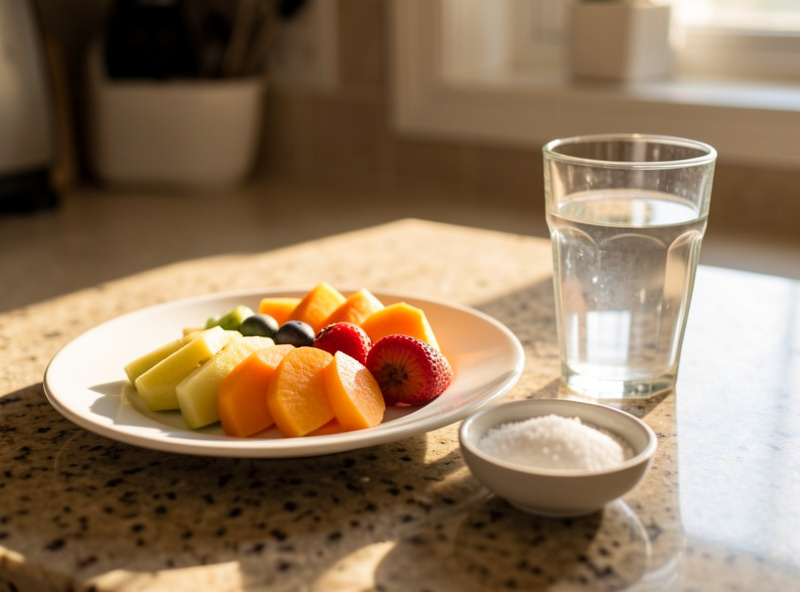
I want to be careful here, because this is where health content oversells. I am not going to hand you a milligram target or a protocol — sweat sodium concentration varies a lot between people, and the right amount for you is genuinely individual. What I will say is what I do: I use a commercial electrolyte mix or, on a simple day, water with a pinch of salt and something to eat, because food carries plenty of sodium and potassium too. If you have high blood pressure, kidney issues, or any condition where sodium matters medically, that is a conversation for your doctor, not a blog. The general principle — replace salt as well as water after heavy sweating — is well supported; the exact numbers are yours to find.
What Do I Actually Drink, and When?
My routine is unglamorous and built around the session, not crammed in after it. Here is the whole thing:
- Before: a glass of water or electrolyte drink 20–30 minutes ahead, so I start the sit already topped up rather than chasing a deficit.
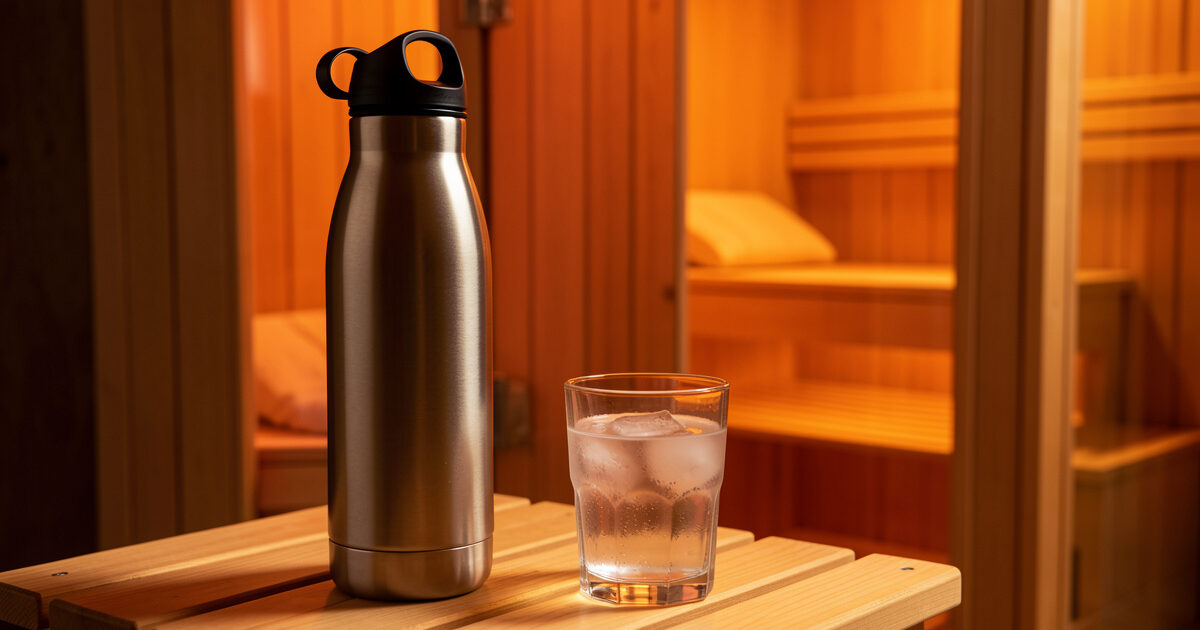
- During (longer sits only): an insulated bottle within reach for a 25-minute session; for a short 15-minute sit I usually skip it.
- After: water plus sodium — a commercial electrolyte mix, or plain water alongside a salty snack or a meal. This is the replacement that actually matters.
- Later: keep sipping through the evening rather than downing it all at once, which absorbs better and does not just run straight through.
The order is the point. Starting hydrated means the sit is a smaller stress; replacing sodium after means I am not left diluted and flat. On training days I fold this into the post-workout window — I rehydrate and eat in the 30–90 minutes between finishing and sitting, which does double duty. That timing is laid out in my post-lift routine. None of it requires special products; a bottle, some salt or a mix, and real food cover it.
Do Runners and Heavy Sweaters Need to Do More?
Yes, because they walk in already depleted. A runner coming off a long run can be down a couple of kilos of sweat before the sauna adds its own 300–600 g, and heavy or salty sweaters lose more sodium per litre than average. For those cases the answer is mostly scheduling — keep the sauna off the same day as a long run — plus taking the sodium replacement seriously rather than treating it as optional. I cover the running-specific side in sauna for runners.
The tell that you are a saltier sweater is practical: gritty white residue on your skin or clothes after sweating, and a tendency to feel wiped out after heat even when you have drunk plenty of water. If that is you, plain water is especially likely to leave you flat, and an electrolyte replacement will make more difference. But again — how much is individual, and if you are managing this alongside any medical condition, get a professional’s input rather than guessing from sweat residue. The principle is robust; the dose is personal.
Can You Over-Hydrate Around a Sauna?
You can, and it is worth knowing because the wellness reflex is “drink as much as possible.” Downing a very large volume of plain water quickly after heavy sweating dilutes your remaining sodium, which is the mechanism behind that washed-out feeling and, in extreme endurance settings, something more serious. This is precisely why I emphasise replacing sodium alongside fluid rather than just pouring water in — balance beats volume.
In practice, for a normal recovery sit, this is not something to fear so much as a reason to be sensible: replace roughly what you lost, spread it out, include some salt and food, and let thirst guide the fine-tuning. I do not chase a target volume; I weigh occasionally to know the ballpark, drink to comfortable rather than sloshing, and trust that food covers a lot of the electrolyte side. If you ever feel unwell, dizzy, or nauseous after a session despite drinking, that is a stop-and-check signal, not a push-through one — and if it recurs, see a professional. Sensible replacement, not maximal intake, is the whole game.
How Hydration Ties the Whole Routine Together
Get hydration right and everything else in the recovery routine works better; get it wrong and nothing else can compensate. A well-timed, well-dosed sit on a dehydrated body still leaves you flat, spikes your in-session heart rate, and bumps your morning readiness numbers — I have the logged mornings to prove it. That is why I treat the water bottle and the electrolyte mix as core recovery gear, not accessories, right alongside the heart-rate strap and the energy meter.
It also feeds directly into how often you can sauna. Poor hydration lowers your tolerance for the heat load, so sorting it out is part of finding a sustainable frequency — a topic I dig into in how often to sauna for recovery. And the cost side is trivially small next to the benefit: an electrolyte mix costs pennies per session against a cabin whose running cost I break down in the electricity cost guide. Hydration is the cheapest, highest-leverage part of the entire routine.
What Gear Actually Helps?
Almost nothing exotic. A bathroom scale to meter your loss once or twice, an insulated bottle so your drink stays cold through a session, and an electrolyte mix if food alone is not covering it — that is the list. I resisted electrolyte products for a while as marketed nonsense, and honestly, for a light sit with a proper meal after, water and food are often enough. The mix earns its place on heavy-sweat days and after training, when the sodium loss is bigger and I want it replaced without eating a full meal.
As an Amazon Associate I earn from qualifying purchases.
If you want to cover the gap, a no-frills electrolyte powder and a decent insulated water bottle are the only two things I would actually spend on here. Skip the fancy branded recovery drinks; the plain, low-sugar mixes do the same job for a fraction of the price.
What I’d Do Starting Today
Weigh yourself before and after your next sauna sit to see your real fluid loss, then replace it with water and sodium — a mix, or water plus a salty snack — spread over the evening rather than chugged at once. Start the next session already hydrated instead of chasing a deficit. Do that, watch the post-sauna headaches and next-morning flatness disappear, and you will have fixed the single most-overlooked part of sauna recovery. Keep the amounts sensible and personal, defer to a professional if any medical condition is in play, and let your own body — not a wellness protocol — set the fine detail.
How much fluid do you lose in an infrared sauna session?
On my scale a 20-minute recovery sit at a 50 degree Celsius set temp costs 300 to 600 grams of body water, essentially all sweat, and a longer or hotter session loses more. Weighing before and after once or twice shows your real loss so you can replace it.
Do I need electrolytes after a sauna or is water enough?
After heavy sweating, replace sodium as well as water. Sweat carries electrolytes out, and drinking only large amounts of plain water can dilute your remaining sodium and leave you feeling flat. Food covers a lot of it, and a simple electrolyte mix covers the rest. Exact amounts are individual.
Can you drink too much water around a sauna?
Yes. Downing a very large volume of plain water quickly after heavy sweating dilutes your sodium, which causes that washed-out feeling and, in extreme endurance cases, something more serious. Aim to replace roughly what you lost, include some salt and food, and spread it out rather than chugging.
When should I hydrate around a recovery sauna session?
Drink before so you start topped up, sip during a longer sit, and replace water plus sodium afterward, then keep sipping through the evening. On training days fold this into the 30 to 90 minute window between finishing your workout and starting the sauna.
Should I worry about electrolytes if I have a medical condition?
Yes, talk to your doctor. If you manage high blood pressure, kidney issues, or any condition where sodium and fluid balance matter medically, do not follow general hydration advice blindly. The principle of replacing salt and water after sweating is sound, but the right amounts for you should come from a professional.
Sources: Fluid and electrolyte guidance for exercise and heat is published by the American College of Sports Medicine; general hydration research is indexed at PubMed.
Further Reading
- Infrared sauna for workout recovery — the full recovery guide.
- Tracking heart rate and session load — how dehydration shows up in the numbers.
- Sauna for runners — hydration when you arrive already depleted.