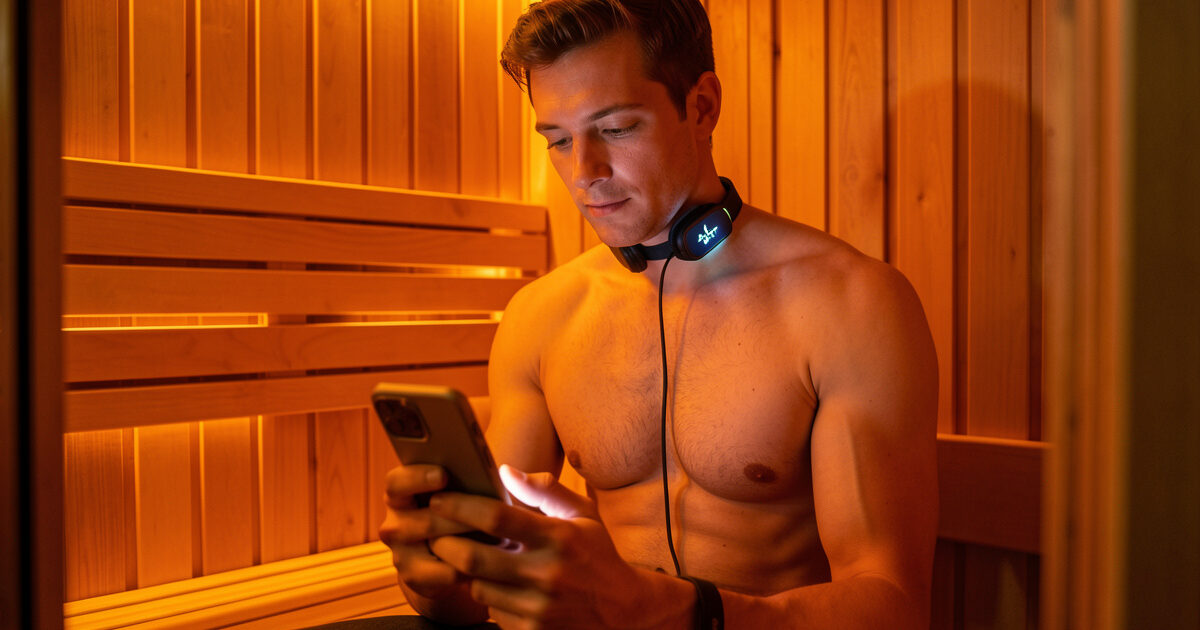
Tracking a recovery sauna comes down to two numbers: your heart rate during the sit and your resting heart rate the next morning. A hot session drives my in-cabin heart rate up into an easy-cardio zone even sitting still, and if that heat load bumps my resting HR the following day, the sauna added stress instead of clearing it. A chest strap and a habit of checking your morning number are all the kit you need.
I started tracking because the sauna is exactly the kind of ritual that feels productive whether or not it is. Without data you cannot tell a genuine recovery dose from a hidden workout, and I spent a winter fooling myself before the numbers set me straight. This is the measurement chapter of my workout recovery guide — the part that turns “that felt good” into something you can actually act on.
Why Does Your Heart Rate Rise in an Infrared Sauna?
Because heat is a cardiovascular demand, even when you are doing nothing. As your body warms, it dilates peripheral blood vessels and pushes more blood toward the skin to shed heat, so the heart works harder to keep circulation up — and your rate climbs. In my sessions at a 50 °C set temp, my heart rate drifts from a resting ~55 up into the 90–110 range over twenty minutes, purely from the thermal and fluid-shift load. That is real work for the cardiovascular system, which is exactly why the research on sauna and the heart exists.
The practical point for recovery is that this response has a dose. A short, moderate sit nudges the number up gently; a long, hot sit can push it into a zone that looks a lot like easy cardio. Neither is inherently bad, but if your goal is recovery, you want the gentle end — a load light enough that it relaxes you rather than adding to the training stress you are trying to clear. The number on your strap is how you find that line instead of guessing at it. I am describing a physiological response here, not claiming a therapeutic outcome — what the elevated heart rate does for you long-term is the studied part I leave to the research.
What Should You Track — and With What?
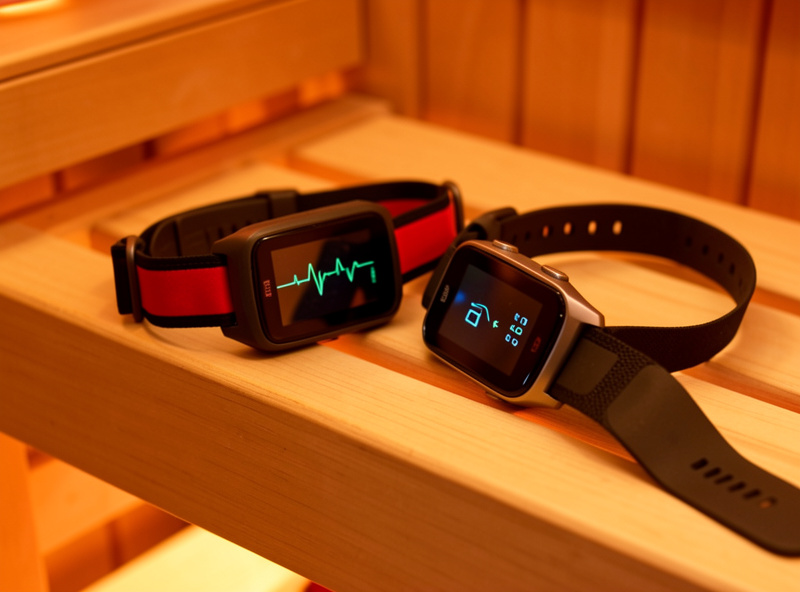
Two things, two cheap tools. In-session heart rate needs a chest-strap monitor, which reads far more accurately than a wrist optical sensor when your skin is hot, sweaty, and flushed — optical sensors struggle exactly in sauna conditions. Next-morning resting heart rate you can pull from almost any watch or even a 30-second manual count before you get out of bed. That is the whole toolkit: a strap for the sit, a watch or your own pulse for the morning.
I run a chest strap because I care about the in-session number being right, and I cross-check the morning resting figure against how my legs actually feel on the first hard effort of the day. Everything past that is optional. You can add heart-rate variability if your watch does it and you find it useful, but I would not buy anything new for it — the two basic numbers already tell you almost everything about whether a session helped or hurt. The tools that earn their place in my recovery setup are unglamorous, and I keep the full shortlist in the main recovery guide.
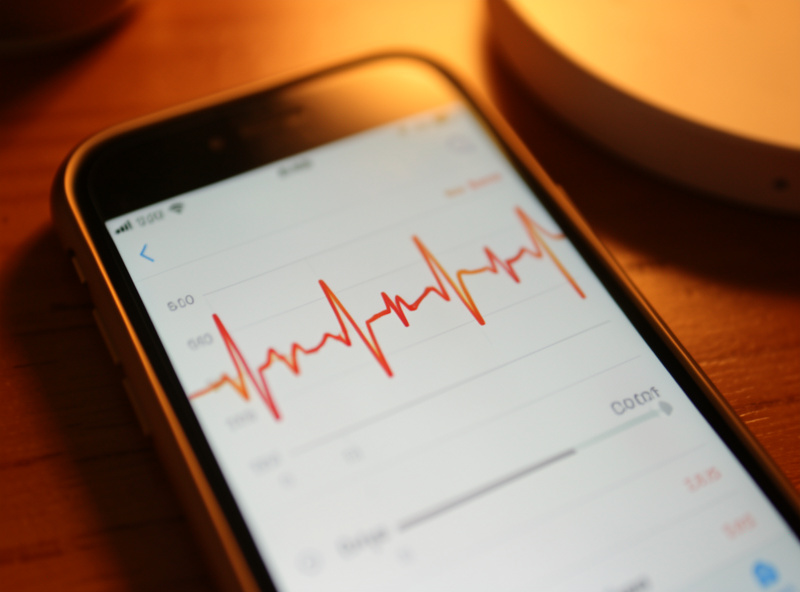
How Do I Read the In-Session Number?
I treat the in-session heart rate as a load gauge, not a target to chase. Here is roughly how I interpret where it lands during a recovery sit, based on my own resting rate and years of logged sessions — your zones will shift with your fitness and resting HR.
| In-session HR band | What it usually means | My response |
|---|---|---|
| Near resting to +20 bpm | Very light sit; barely a load | Fine; can extend if I want |
| Easy-cardio zone (~90–110 for me) | Ideal recovery dose | Hold here; this is the target feel |
| Climbing toward moderate cardio | Getting hot or sitting too long | Cut it short; sip; cool down |
| Racing / lightheaded | Overdone — heat or dehydration | Get out, cool, rehydrate |
The single most useful cue is the conversation test I mentioned in the routine: if my heart rate is drifting up but I could still talk comfortably, I am in the recovery zone. Once I could not hold a sentence easily, the number and the feeling agree that I have tipped into training-stress territory, and I stop. The strap just makes that judgement objective instead of a vibe. That is why I put it on for sessions near hard training days especially — the details of that timing are in my post-lift routine.
Why the Morning Number Matters More
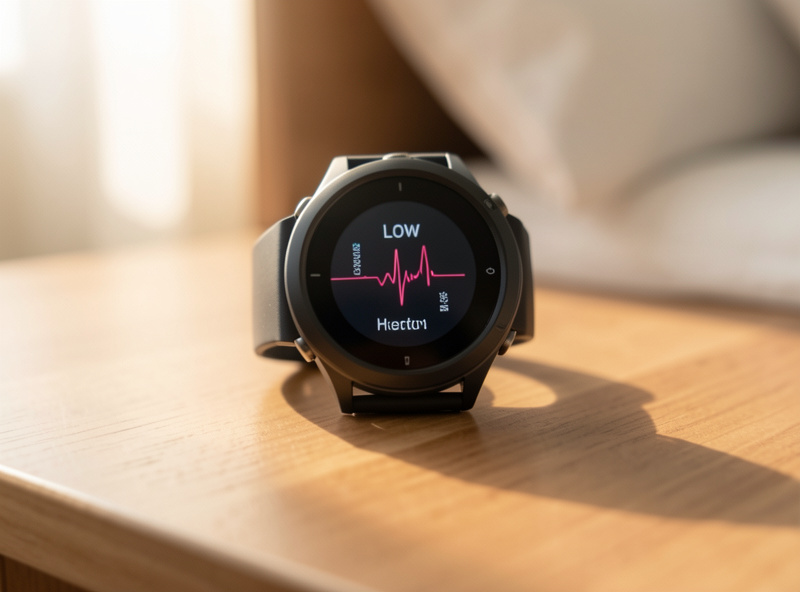
The in-session number tells you what a sit cost; the next-morning resting heart rate tells you whether you could afford it. This is the measurement that actually changed my routine. When a hot session the night before shows up as an elevated resting HR and flat legs the next day, that is unambiguous feedback that I overdid the heat load — and it is the same signal that taught me to keep the cabin off the night before key workouts and off long-run days.
Resting heart rate is a blunt but honest readiness proxy: elevated usually means you are carrying more fatigue or stress than you have cleared, whether that is from training, poor sleep, or a heat load you stacked on top of both. I do not obsess over a single day’s reading — noise is real — but a pattern of higher mornings after sauna days is a message worth acting on. Pair it with the subjective check of how the first hard effort feels and you have a reliable, no-cost way to keep the sauna on the helpful side of the line. Runners can lean on this especially hard, which I cover in sauna for runners.
What About Session Load Beyond Heart Rate?
Heart rate is the headline, but I log three more things because together they explain the number: duration, set temp, and fluid loss. Duration and set temp are obvious inputs — a longer, hotter sit drives a higher heart rate. Fluid loss is the sneaky one: I sometimes weigh before and after, and a 20-minute sit routinely costs 300–600 g of body water, which itself pushes heart rate up as blood volume drops. If my in-session HR is unusually high for a normal sit, dehydration going in is often why, not the heat itself.
That is the link between tracking and hydration, and it is why the two topics are inseparable. Metering fluid loss on a scale turned my hydration from guesswork into something I could actually manage around the session — the full approach is in hydration and electrolytes. I bring the same measure-first instinct to everything about the cabin, from EMF to energy use; if you want the metering mindset applied to the hardware, my guide to metering EMF with a TriField is the same habit pointed at the panels.
How Many Sessions Before the Data Is Useful?
Give it two weeks. A single session tells you almost nothing — resting heart rate is noisy day to day, and one hot sit will not reveal a pattern. But log four or five sessions with their durations, set temps, and the following morning’s resting HR, and the trend jumps out: you will see which dose leaves you fresh and which one bumps your morning number and flattens your legs. That is the whole payoff — a personal dose-response curve you cannot get from any study, because it is measured on you.
From there the routine tunes itself. If your morning numbers stay clean at 20 minutes and 50 °C, you have room. If they creep up, dial the sit shorter or cooler, or move it further from hard days. The frequency question — how many of these sessions a week your body can actually absorb — is its own topic, and I go deep on it in how often to sauna for recovery.
What I’d Do Starting Today
Put a chest strap on for your next sauna session, watch where your heart rate settles, and use the conversation test to keep it in the easy-cardio range. Then check your resting heart rate the next four mornings and note how your first hard effort feels. Within two weeks you will have a personal readout of exactly how much heat helps you and how much starts to cost you — which is worth more than any general guideline, including mine. Measure it, read your own numbers, and let the data, not the ritual’s good feeling, decide how you use the cabin.
Why does my heart rate go up in an infrared sauna?
Heat is a cardiovascular demand. As your body warms it dilates blood vessels and pushes blood toward the skin to shed heat, so the heart works harder and your rate rises even when you sit still. At a 50 degree Celsius set temp mine drifts from around 55 resting up into the 90 to 110 range over twenty minutes.
Should I use a chest strap or a wrist monitor in the sauna?
A chest strap. Wrist optical sensors struggle to read accurately when your skin is hot, sweaty, and flushed, which is exactly the sauna environment. A chest strap gives a reliable in-session number, and you can use any watch or a manual pulse count for the morning resting reading.
What is a good heart rate for a recovery sauna session?
An easy-cardio zone, which for me is roughly 90 to 110 beats per minute given my resting rate of around 55. The best real-time cue is the conversation test: if you can still talk comfortably, you are in the recovery zone; if you cannot, you have tipped into training-stress territory and should cut it short.
Why track resting heart rate the morning after a sauna?
Your next-morning resting heart rate is a readiness proxy. If a hot session bumps it up and leaves your legs flat, the heat added stress you had not cleared. A pattern of elevated mornings after sauna days is a signal to dose the sit shorter or cooler, or move it away from hard training days.
Sources: Research on sauna use and cardiovascular response is indexed at PubMed; heart-rate and exercise guidance is published by the American Heart Association.
Keep Building
- Infrared sauna for workout recovery — the full guide.
- A post-lift sauna routine — where tracking fits the session.
- Sauna for runners — using morning numbers to place heat around mileage.