The best infrared sauna for your budget depends on the tier, not the brand: under $600 buys a portable blanket or tent, $1,200–$2,500 buys a solid 1–2 person cabin, $2,500–$4,500 buys size and finish, and $4,500+ buys genuine full-spectrum and a long warranty. More money mostly buys space, finish, and support — not lower EMF or better core heat.
I have owned across most of these tiers — a 2-person far-infrared cabin as my daily driver, a single-person carbon unit, and a portable tent for travel and small-room comparison — and I metered each with a TriField and a plug-in energy monitor. So this is a map of what your money actually changes as you climb the brackets, written from the gear side. The health claims that vendors stack onto premium units I leave out; the value question is about heat, EMF, build, and bill, and those are measurable.
The Tiers at a Glance
Infrared sauna prices cluster into four bands, and each band has a clear job. Knowing the band keeps you from paying cabin money for a blanket’s job, or paying premium money for a value cabin’s performance. The table sets the orientation; the sections below explain what to expect and what to skip in each.
| Tier | Price | Format | What you get | Skip if |
|---|---|---|---|---|
| Entry | $120–$600 | Blanket or tent | Portable heat, storable, test the habit | You want a true cabin experience |
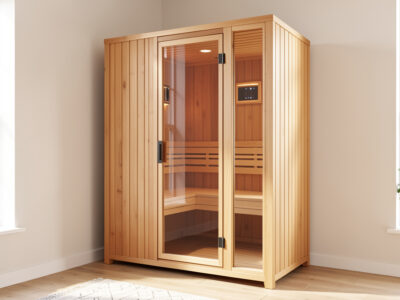
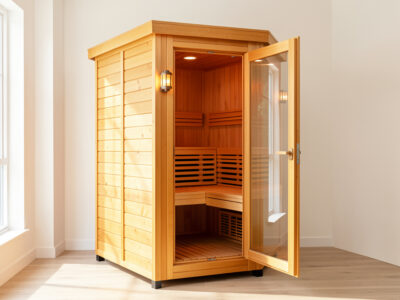
| Value | $1,200–$2,500 | 1–2 person far-infrared | Real cabin, plug-in, even heat | You need 3+ seats or full-spectrum |
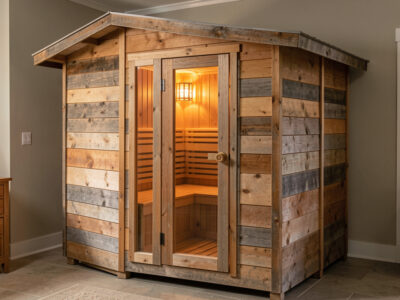
| Mid | $2,500–$4,500 | 2–4 person far-infrared | Size, better wood, nicer glass | Budget or small space is the priority |
| Premium | $4,500–$9,000+ | Full-spectrum, hardwired | Strong NIR, designer finish, long warranty | You only want far-infrared heat |
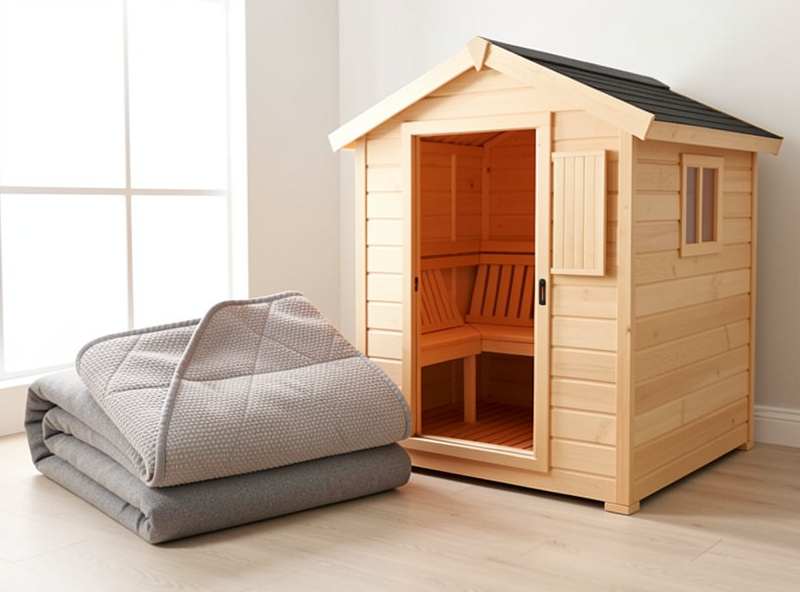
Entry Tier: $120–$600 (Portable Blankets and Tents)
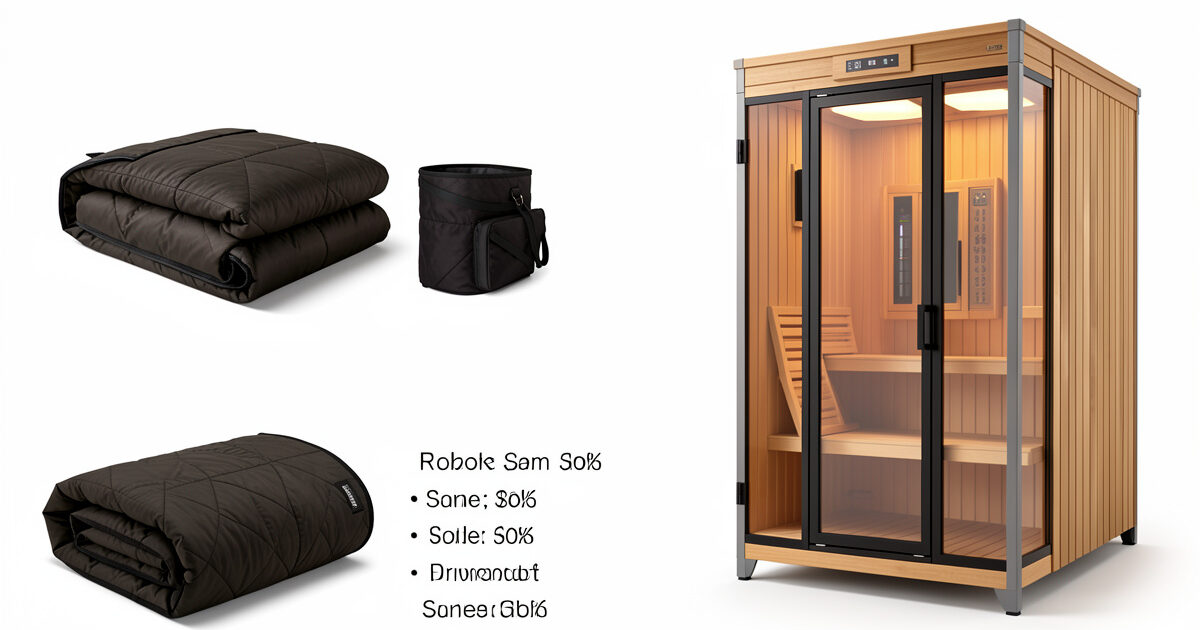
The entry tier is about access, not a cabin experience: a sauna blanket or pop-up tent gives you infrared heat for the price of a nice pair of boots, stores in a closet, and travels. For apartments, renters, and anyone testing whether the habit will stick before committing four figures, this is the smart on-ramp — I keep a tent specifically for travel and as a small-room benchmark. The heat is real, even if the enclosed, radiant-wall feel of a cabin is not.
What to watch here is EMF off the heating layer and a thin warranty — the cheapest blankets put the heating element close to your body, so this is exactly where metering matters. As an Amazon Associate I earn from qualifying purchases. A current infrared sauna blanket search shows the field, and our portable infrared sauna guide and blanket vs cabin comparison cover the trade-offs in depth.
Value Tier: $1,200–$2,500 (Where Most People Should Buy)
This is the bracket I point most buyers to, because it is the first one that delivers a real cabin: a 1- or 2-person far-infrared unit in hemlock or basswood, plug-in, with even carbon-panel heat. You give up genuine full-spectrum and large size, but for a warm, sweat-inducing solo or couple session this tier does the actual job, and a well-built value cabin can match a premium one on the metrics that matter daily — comfort, EMF, and kWh. My daily-driver mindset lives here even though I have used pricier units. On my kill-a-watt meter a 30-minute session in my 2-person value cabin lands around 1.2 to 1.5 kWh, and stepping up to the bigger units I have run did not improve the sweat — it only raised the bill and the preheat time.
What separates a good value cabin from a mediocre one is heater coverage, EMF documentation, and warranty length, not the badge. Be skeptical of “full-spectrum” stickers in this price range — it is usually one weak near-infrared bulb. The indoor shortlist is in best home infrared saunas, and you should run the full inspection in what to look for when buying.
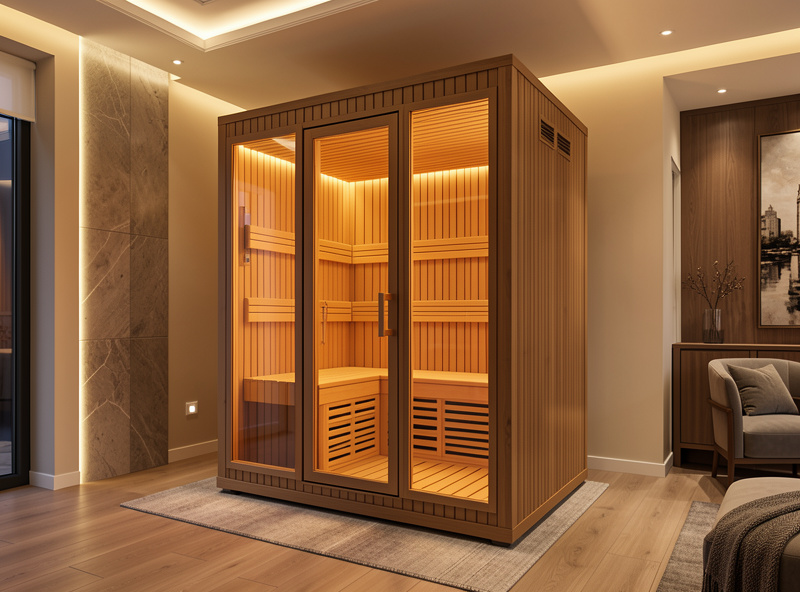
Mid Tier: $2,500–$4,500 (Size and Finish)
Stepping into the mid tier mostly buys you square footage and a nicer build: 2–4 person cabins, thicker or better-graded wood, larger tempered-glass fronts, and more heater panels for even coverage. This is the right tier if you want a family-capable cabin or simply a more finished piece of furniture, and it is where a dedicated circuit starts to enter the conversation as wattage climbs. The heat quality is not fundamentally better than a good value cabin — you are paying for scale and finish.
The watch-out at this tier is running cost: a bigger cabin draws more and takes longer to preheat, so the electricity bill steps up with the size. Run those numbers before you commit using our electricity cost guide and the full cost guide, and cross-check prices against size in prices by size and type.
Premium Tier: $4,500–$9,000+ (Genuine Full-Spectrum and Warranty)
The premium tier is where full-spectrum becomes real rather than a sticker: a properly powerful near-infrared emitter, designer finishes, hardwired installation, and the longest warranties in the market, often five years or more on heaters. If you specifically want a strong NIR band, want a built-in look, and value long-term support and spare-parts availability, this is where those things actually live. It is also where brand premium is highest, so you are partly paying for the name.
What this tier does not reliably buy is lower EMF — a well-engineered value cabin can read just as low on my meter as a premium one, because field control is about wiring routing and grounding, not price. My own value cabin reads about 1 mG at the seat — no higher than the premium units I have put a TriField on. Verify the claim yourself rather than trusting the tier; low-EMF infrared sauna explains what the label means and measuring EMF with a TriField shows how to check it.
How to Match Tier to Buyer
Pick the tier by the job: test-the-habit or travel points to entry; a real solo or couple cabin on a budget points to the value tier, where most buyers should stop; family capacity and finish point to mid; genuine full-spectrum and long warranty point to premium. The mistake is climbing tiers for reasons the higher tier does not actually deliver — chiefly assuming more money means lower EMF or better core heat, which it does not.
Before you settle, size the cabin honestly in 1 vs 2 vs 4 person infrared sauna, decide build format in prefab vs custom, and read the marketing traps in avoiding scams. The whole framework lives in the infrared sauna buying guide.
Frequently Asked Questions
What is a good budget for a quality infrared sauna?
For a real cabin, $1,200 to $2,500 is the value sweet spot and where most buyers should land, delivering a solid 1- or 2-person far-infrared unit with even heat. Under $600 buys a portable blanket or tent to test the habit, while genuine full-spectrum and the longest warranties start around $4,500.
Does a more expensive infrared sauna have lower EMF?
Not necessarily. EMF is controlled by wiring routing and grounding, not price, so a well-engineered value cabin can read as low on a meter as a premium one. The only reliable way to know is to meter the magnetic field yourself with an EMF meter rather than assuming a higher price means a lower reading.
Are cheap infrared sauna blankets worth it?
As an on-ramp, yes. A blanket in the $120 to $600 range gives real infrared heat, stores easily, and lets you test the habit before committing to a cabin. The trade-off is the heating element sitting close to your body, so EMF off the heating layer and a short warranty are the main things to check.
Is full-spectrum worth paying premium prices for?
Only if the near-infrared emitter is genuinely powerful and you specifically want that band. Below the premium tier, full-spectrum is often a single weak NIR bulb added so the label can read full-spectrum. For a warm, sweat-inducing session a quality far-infrared value cabin delivers the core experience for far less.
Why does a bigger infrared sauna cost more to run?
Because you heat the full interior volume regardless of how many people are inside, and larger cabins draw more watts and take longer to preheat. A 4-person unit can draw roughly double a 1-person, so the electricity cost per session steps up with size, which is why running cost should be part of the budget decision.