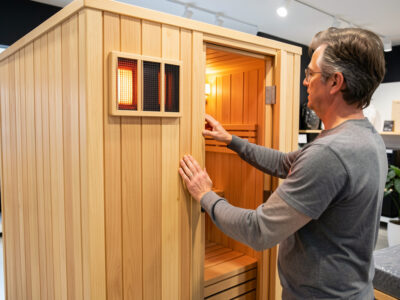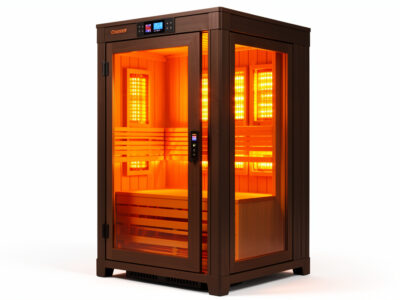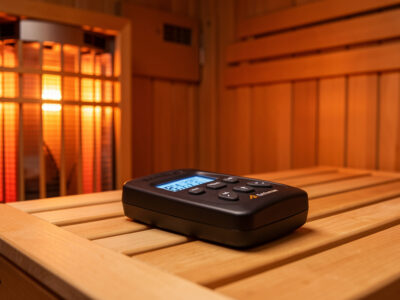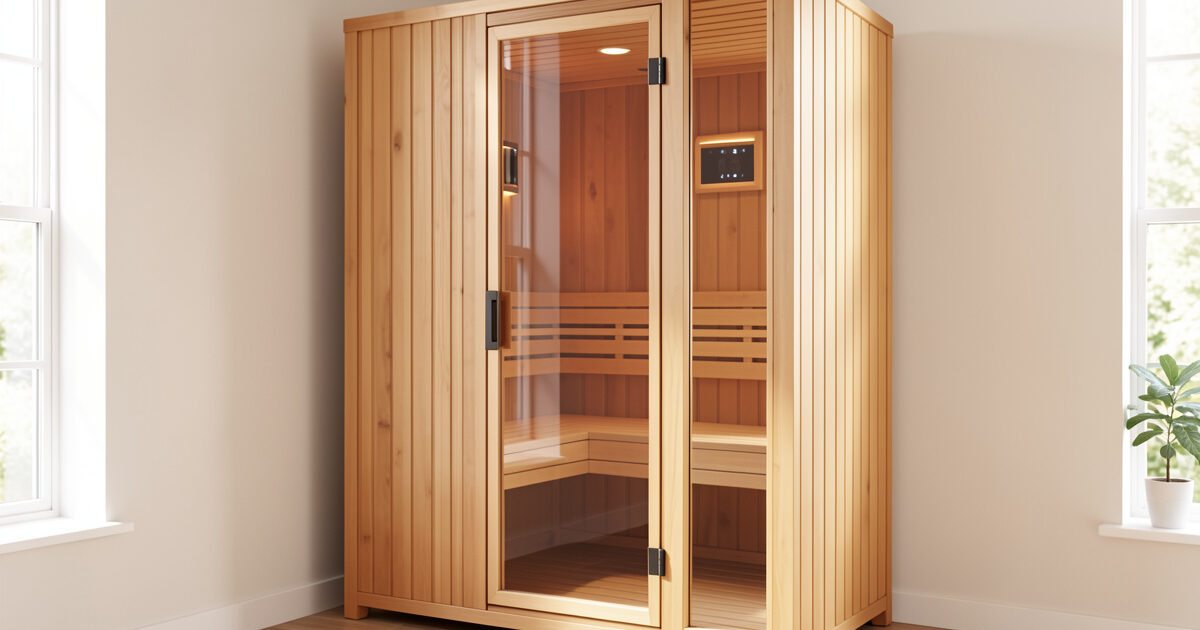
A used 2-person infrared sauna is the sweet spot of the whole second-hand market: it’s the most common size sold new, so it’s the most common used listing, which means more inventory, better prices, and room to be picky. A tested-good 2-person carbon cabin that retailed around $2,800 typically changes hands for $900–$1,400 — and it still moves through a standard doorway and runs on a normal household circuit.
The 2-person size is also what I run at home — a low-EMF far-infrared carbon cabin — so this is the footprint I know best from the inside. This guide is specifically about buying that size used: what actually seats two adults, what a fair price looks like, and the practical install details that don’t change just because the unit is second-hand. For the full used-buying process, start at the buying a used infrared sauna hub.
Why 2-Person Is the Smartest Used Buy
Inventory is the quiet advantage. Because 2-person cabins are the best-selling new size, the used market for them is deep — at any given time there are simply more of them listed than 1-person or 4-person units. That depth is what lets you wait for a clean, low-hour unit instead of grabbing the first thing you find. You can afford to walk away from a cabin with a dead heater zone because another listing is coming next month.
The size is also the practical ceiling for a normal home that’s still easy to live with. A 2-person cabin disassembles into panels two people can carry, fits through a standard 32-inch doorway in pieces, and — for most 120V models — plugs into a regular outlet on a dedicated circuit rather than needing a 240V install. Step up to 3- and 4-person units and you’re into heavier panels, bigger power draw, and a moving job that often erases the used saving. The size logic across the board is in my 1 vs 2 vs 4 person guide and sizes overview.
What “2-Person” Actually Means
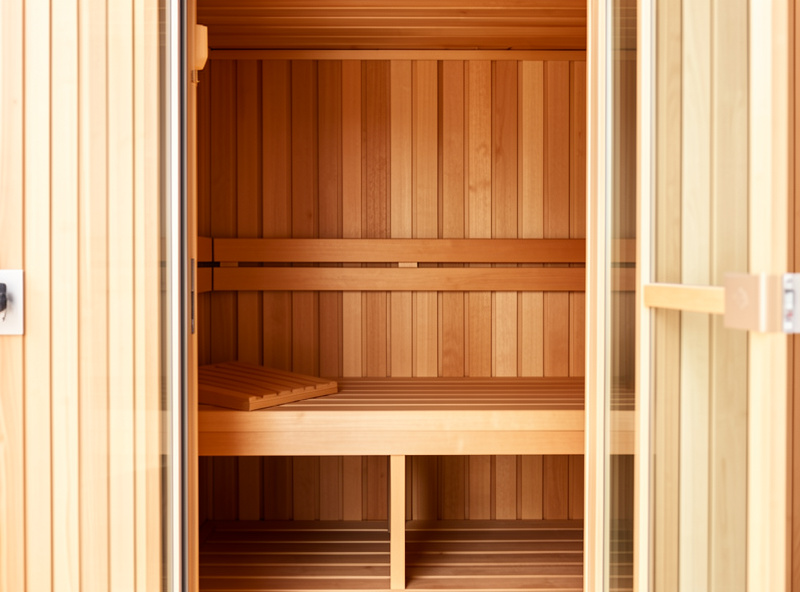
Here’s the honest part the listings won’t tell you: “2-person” is a bench-width claim, not a comfort guarantee. Plenty of cabins marketed as 2-person seat two adults the way an airline seats three — technically true, not pleasant. The number that matters is the interior bench width and depth, not the marketing label on the box.
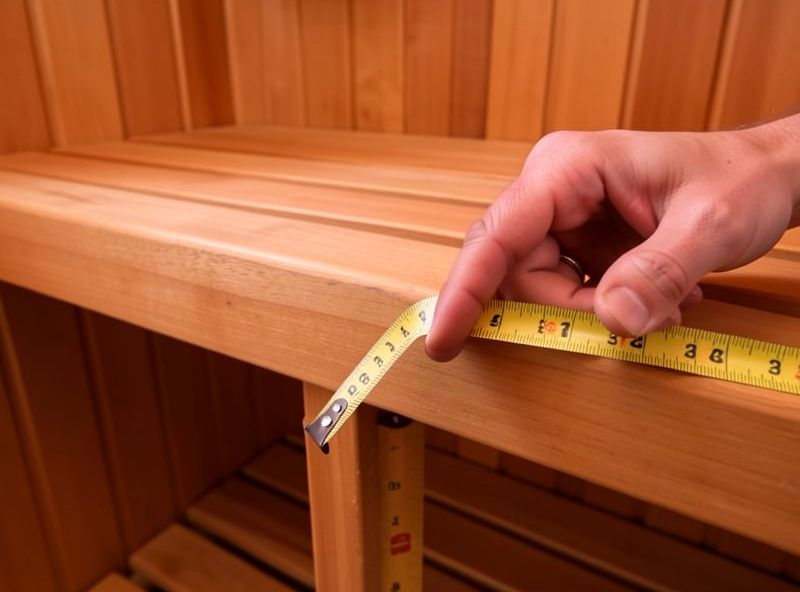
When I look at a used 2-person cabin, I check the actual interior bench width and whether the depth lets you sit back without your knees pinned to the opposite wall. A genuine two-adult cabin gives each person real shoulder room on the bench; a “compact 2-person” is realistically one adult plus occasional company. Sit in it during the inspection — the seller’s there, the cabin’s there, use it. Early on I got burned trusting the label: a cabin sold to me as a true 2-person had a bench too shallow to sit back without my knees pinned to the far wall, so now I measure interior depth before I look at anything else. The footprint table below is the rough frame I use.
| Cabin description | Typical interior bench width | Realistic comfort | Doorway / power |
|---|---|---|---|
| “Compact 2-person” | Narrower bench | One adult + occasional second | Standard door, 120V |
| True 2-person carbon | Wider bench, full depth | Two adults with shoulder room | Standard door, 120V dedicated circuit |
| 2-person full-spectrum | Wider, plus NIR emitter | Two adults; check emitter hours | May need 240V — confirm |
| “2-3 person” | Widest in class | Two adults comfortably, three tight | Heavier panels; often 240V |
What a Fair Used 2-Person Price Looks Like
The depreciation pattern is consistent: a 2-person cabin loses roughly 40–55% of retail in its first three to four years, then settles. For a tested-good carbon unit that’s the $900–$1,400 band; over about $1,800 you’re overpaying for used. Full-spectrum 2-person units, which add a near-infrared halogen emitter, run higher used — roughly $1,500–$2,300 in good condition — and the emitter’s hours are worth asking about, since it’s the one true consumable in the system.
Because inventory is deep, let the price reflect tested condition, not the optimistic listing figure. A single weak heater zone or a sagging door is a real discount, and you have the leverage to take it or move on. The full ownership-cost picture — including the per-session electricity that’s identical whether the cabin is new or used — is in my cost guide and electricity cost breakdown. For new-market 2-person picks as a price reference, see best 2-person saunas for couples.
Inspecting and Metering a Used 2-Person Unit
The size doesn’t change the checks, only makes them quicker — fewer panels to walk. Run the cabin hot for 10–12 minutes and confirm both back panels plus the side and calf heaters all warm evenly; on a 2-person unit a single dead zone is a bigger deal proportionally, because there are fewer panels to carry the load. The full procedure is in how to test used sauna heaters and the whole walkthrough in the inspection checklist.
If low-EMF was part of why you wanted a 2-person carbon cabin specifically, meter it at the bench seat with a TriField TF2 — both seats, ideally — because that’s the whole point of the size and the label. A used unit’s field isn’t guaranteed to match its original spec, so verify it; the method is in checking EMF on a used infrared sauna.
Moving and Installing a Used 2-Person Cabin
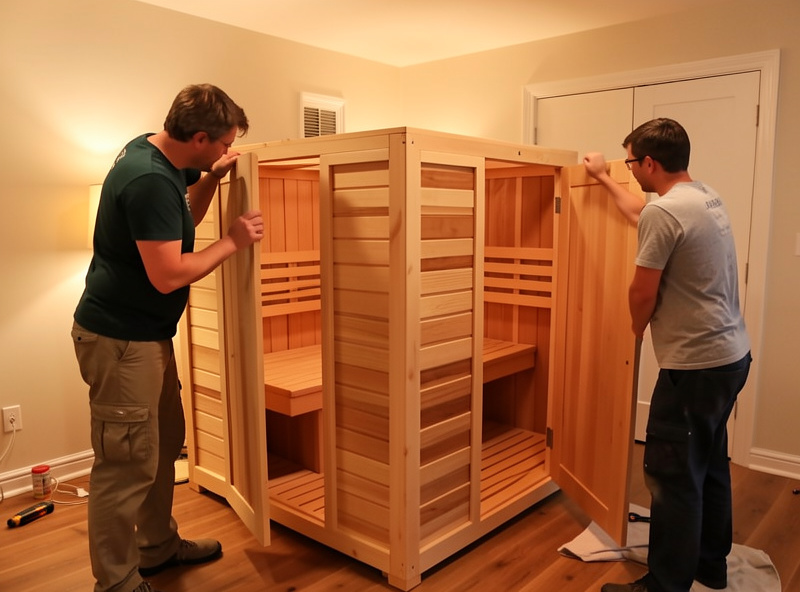
Two people can move a 2-person cabin’s panels; the glass front is the one piece to handle with care. Photograph the wiring connectors before disassembly — they’re usually keyed, but a phone photo saves a headache at reassembly. On the electrical side, most 2-person 120V cabins plug into a standard outlet but really want a dedicated circuit so they’re not sharing a breaker; confirm whether your specific unit is 120V or 240V before you haul it home. A 120V cabin pulling around 1,500W is a continuous load, which is exactly the case the NEC’s dedicated-circuit and continuous-load provisions (NEC 210.23) are written for — one more reason not to share its breaker.
Siting and ventilation don’t change because the cabin is second-hand — give it the clearance and airflow any cabin needs. The details are in my installation guide, siting guide, and ventilation guide. If I were buying used today, this is exactly the cabin I’d hunt: a true 2-person carbon unit from a brand still selling parts, tested clean, metered at the seat, bought at the bottom of its depreciation curve.
Which 2-Person Brands Hold Up Used
At this size the brand decision is really a parts-and-warranty decision. A used 2-person cabin from a maker that’s still in business and still sells controllers and panels is worth a real premium over an identical-condition unit from a vanished import brand, because the day a controller flakes out, one is a cheap fix and the other is firewood. The established far-infrared and full-spectrum makers tend to keep parts around for years and occasionally carry warranty terms that survive a sale — which is exactly the kind of cabin to favor on the used market.
That doesn’t mean a budget cabin is a bad buy; it means you price it as “heaters and wood, assume no parts.” For a sense of which makers sit where, my infrared sauna brands overview is a useful map, and the used warranty guide covers which coverage actually follows the cabin to a second owner. Before you commit to any used 2-person unit, email the manufacturer the model and serial number and ask two things in writing: do you still sell parts for this, and does any warranty transfer. Written warranties are governed by the federal Magnuson-Moss Warranty Act, and the FTC’s warranty guidance explains why a brand can legally limit coverage to the first owner.
Frequently Asked Questions
How much should a used 2-person infrared sauna cost?
A tested-good 2-person carbon cabin that retailed around $2,800 typically sells used for $900 to $1,400, depending on brand, hours, and region. Over about $1,800 is overpriced for used. Full-spectrum 2-person units run higher, roughly $1,500 to $2,300 in good condition, with the NIR emitter hours worth asking about.
Does a 2-person infrared sauna really fit two adults?
It depends on the actual interior bench width, not the marketing label. Many compact 2-person cabins realistically seat one adult plus occasional company. A true two-adult cabin gives each person real shoulder room on the bench. Sit in it during the inspection rather than trusting the box.
Why is a 2-person sauna the best used size to buy?
It is the best-selling new size, so the used market is the deepest, giving you more inventory and better prices and the freedom to wait for a clean unit. It also disassembles into panels two people can carry, fits a standard doorway, and most 120V models run on a normal dedicated circuit.
Does a used 2-person sauna need a 240V circuit?
Most 2-person 120V carbon cabins plug into a standard outlet but want a dedicated circuit so they are not sharing a breaker. Some larger or full-spectrum 2-person units need 240V. Confirm which your specific unit requires before buying, since it does not change because the cabin is used.