For a cold-climate infrared sauna, size the heater as if the cabin were one occupancy bracket larger than its rated size, then confirm the dedicated circuit carries that draw continuously. My 2-person cabin pulls about 1,600–1,700W on a 16A circuit; for a genuinely cold garage or outdoor install I would want the wattage of a 3-person unit behind the same footprint, because in sub-freezing air the heater spends its reserve just holding temperature.
Wattage is the spec buyers fixate on and the one that is most gamed on marketing pages. In a warm room it barely matters — almost anything reaches temperature. In a Nordic winter it matters a lot, because the heater is fighting a constant loss the whole session. Here is how I actually think about sizing when the room outside the cabin is near or below freezing.
Why Cold Rooms Need More Wattage in Reserve
Total heater wattage sets two things: how fast the cabin reaches temperature, and how much reserve it has to hold that temperature against loss. In a warm room the loss is small, so a modest heater both preheats quickly and holds easily. Drop the surrounding air to freezing and the loss rate climbs steeply — now the heater burns most of its output just replacing heat leaving through the walls, glass, and floor, leaving less margin to reach and keep the setpoint.
That is why an under-sized heater can look fine in the showroom and disappoint in a cold garage: it had no reserve to spare. Sizing up one bracket buys back that margin so the cabin still reaches a real bench temperature and holds it, rather than topping out several degrees short. It is the same logic as sizing any heating system for the worst-case load, not the average one.
Rough Wattage Targets by Cabin Size and Cold
Here is the sizing I use as a starting point. The “warm room” column is typical rated wattage; the “cold install” column is where I would aim for an unheated garage or outdoor cabin in a Nordic winter. Treat these as a shape, not gospel — panel placement and cabin insulation shift the real number.
| Cabin size | Warm-room wattage | Cold-install target | Typical circuit |
|---|---|---|---|
| 1-person | 1,000–1,300W | 1,400–1,700W | Dedicated 13–16A |
| 2-person | 1,500–1,800W | 1,900–2,300W | Dedicated 16A |
| 3-person | 1,900–2,300W | 2,400–2,900W | Dedicated 16A (verify) |
| 4-person | 2,400–3,000W | 3,000W+ (often 240V) | Dedicated high-amp |
The jump into the higher wattages is where circuit capacity, not the sauna, becomes the limiting factor — which is the next thing to check. My general reference on heater wattage and placement covers how the panels are arranged; this guide is specifically about sizing up for the cold.
The Circuit Has to Carry It Continuously
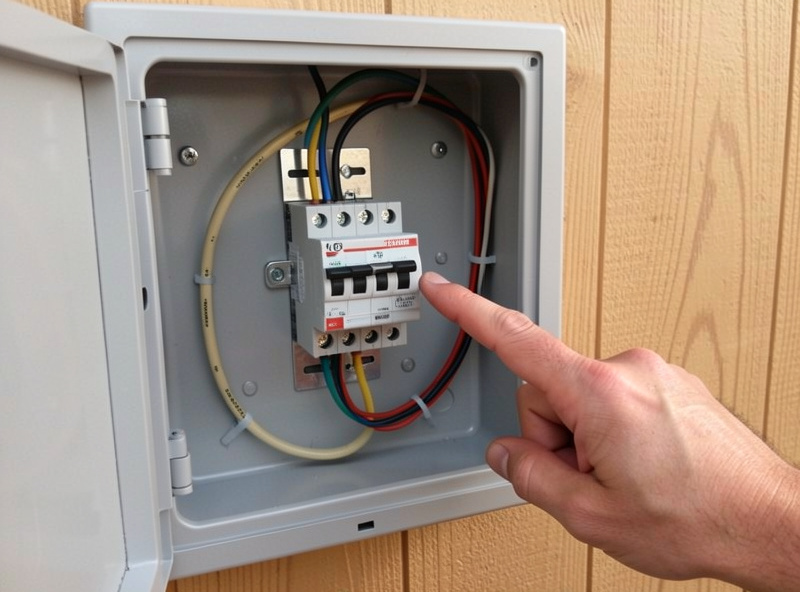
A sauna is a continuous load — it draws near its full wattage for the whole preheat and much of the session — and continuous loads are exactly what breakers and wiring are most sensitive to. Sizing up the heater is pointless if the circuit cannot carry the draw without nuisance-tripping or overheating the wiring. A 2,000W-plus cabin needs a properly rated dedicated circuit and a GFCI, run in wire sized for continuous duty, not shared with anything else.
This is where I get firmly non-prescriptive: dedicated-circuit sizing, GFCI requirements, and continuous-load derating are jurisdiction-specific, and this is exactly the point to confirm with a local electrician before you commit. The figures here are for my Swedish install and are meant to help you ask the right questions, not to replace code. If your cabin is tripping the breaker, that is often a circuit problem, not a heater fault, and the wiring the outlet guide is the place to start.
Where the Wattage Sits Matters as Much as the Total
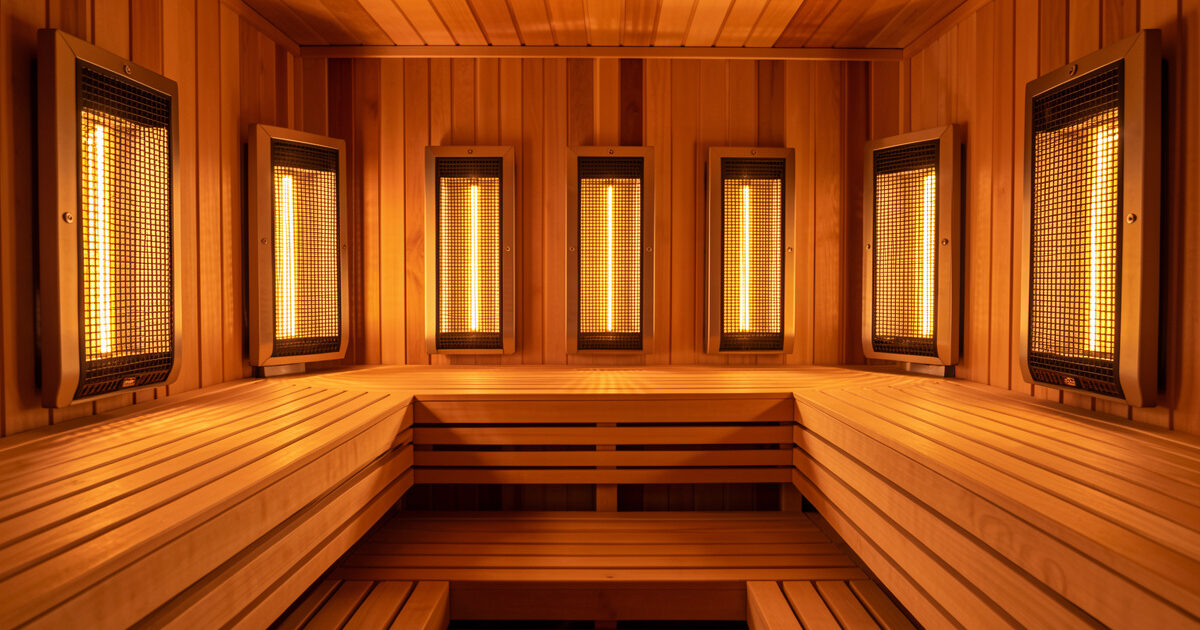
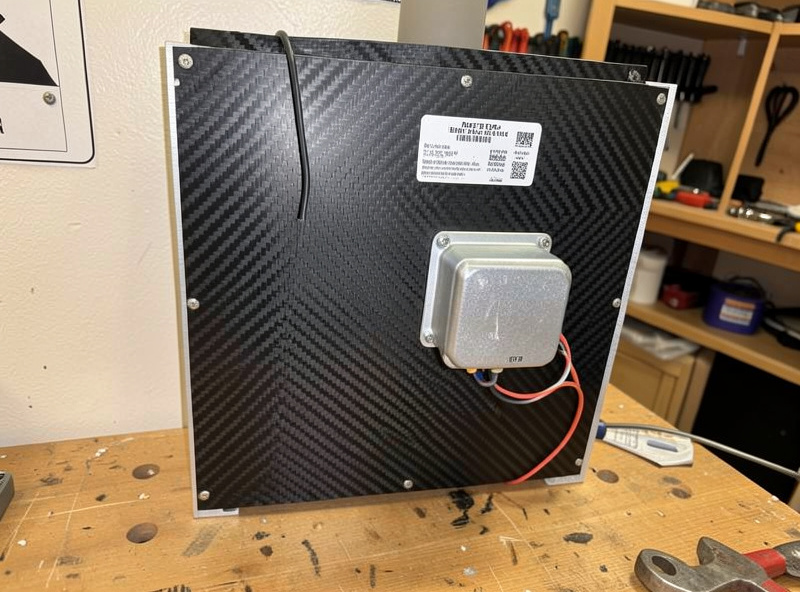
Two cabins with identical total wattage can feel very different in the cold depending on where the panels are. A cabin with rear, side, and calf-level panels wraps a cold body in radiant heat and warms you faster than one with the same wattage stacked all behind you, because the felt heat comes from panels in your line of sight. In winter this matters more, because the cold surfaces around you are already working against your comfort — you want radiant load hitting you from several directions.
So when I compare two units for a cold install, I look at panel count and placement, not just the headline watts. A well-distributed 1,800W cabin can out-feel a poorly arranged 2,000W one. The heater technology plays in here too — I break down how the panel types differ in carbon vs ceramic panels and across the heater and EMF guide, because ramp behaviour and radiant footprint vary by type.
Don’t Over-Size Blindly: The Cost and EMF Trade-offs
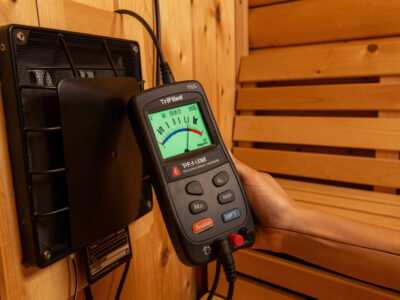
Sizing up has real limits. A bigger heater costs more to run — more watts for longer preheats means more kWh on every winter session, which I track on a plug-in meter and cover in infrared sauna electricity cost. It can push you past what a standard circuit carries, forcing a 240V install. And more or larger heating elements can mean a different EMF picture depending on how they are wired, which is why I keep metering with a TriField through the winter rather than assuming — the method is in measuring sauna EMF.
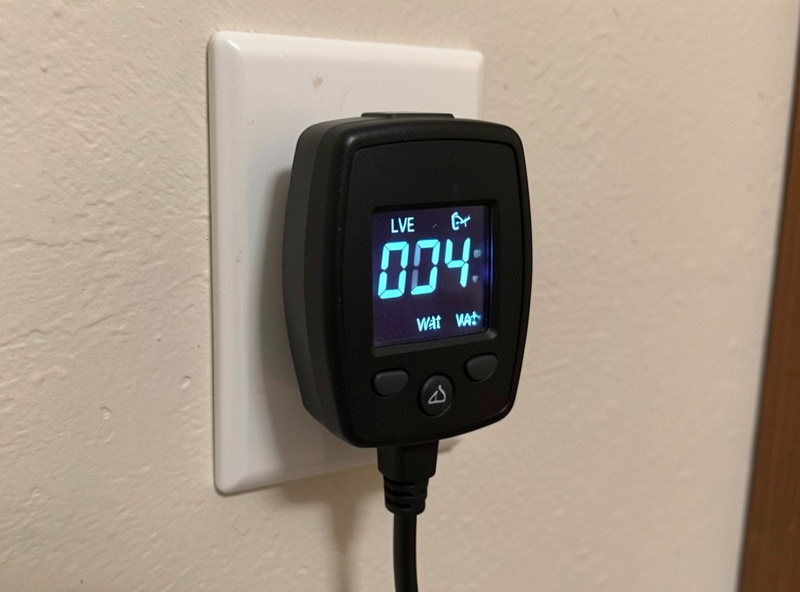
The right answer is targeted reserve, not maximum wattage: one bracket up, well-placed panels, a circuit that carries it, and the envelope fixed so the heater is not fighting a losing battle in the first place. Fix the insulation and placement and you often need less heater than you feared. If you want to actually watch the draw, a plug-in watt meter tells you exactly what your cabin pulls. As an Amazon Associate I earn from qualifying purchases.
Related Guides
- Infrared Sauna Cold-Climate Performance: A Swedish Winter Field Guide
- Why My Sauna Takes Longer to Preheat in Winter
- Garage Infrared Sauna in Freezing Weather
- Infrared Sauna Electricity Cost
- Carbon vs Ceramic Infrared Sauna Panels
Frequently Asked Questions
How much heater wattage do I need for a cold-climate infrared sauna?
Size as if the cabin were one occupancy bracket larger than its rating. For a cold garage or outdoor 2-person cabin I aim for the wattage of a 3-person unit, roughly 1,900 to 2,300W, so the heater has reserve to hold temperature against constant loss. Then confirm the circuit carries that draw continuously.
Does a bigger heater fix a cold sauna?
Partly. It claws back some peak temperature, but it does nothing about heat leaving through a cold floor, leaky door, or wind. Fix the envelope first, insulate off the slab, seal the door, shelter from wind, and you often need less extra wattage than you feared while spending less on electricity.
Can my existing circuit handle a bigger sauna heater?
Maybe not. A sauna is a continuous load, so sizing up the heater is pointless if the dedicated circuit cannot carry the draw without nuisance-tripping. Circuit sizing, GFCI and continuous-load rules are jurisdiction-specific, so confirm the wiring and breaker with a local electrician before committing.
Does panel placement matter more than total wattage in winter?
It matters as much. A cabin with rear, side and calf-level panels warms a cold body faster than the same total wattage stacked all behind you, because felt heat comes from panels in your line of sight. In winter, with cold surfaces working against you, radiant load from several directions helps most.
Will a higher-wattage heater cost a lot more to run?
More watts over longer winter preheats do add kWh to every session, which is why I track it on a plug-in meter. The extra cost is real but modest per session, and targeted reserve, one bracket up rather than maximum wattage, keeps it reasonable while still reaching temperature in the cold.
Do I need 240V for a cold-climate sauna?
Often only for larger cabins. One and two-person cold-install wattages usually fit a properly sized dedicated circuit, but 3 to 4-person cabins pushed to cold-install wattage frequently cross into 240V territory. That is a circuit and code question for a local electrician, not something to guess at.