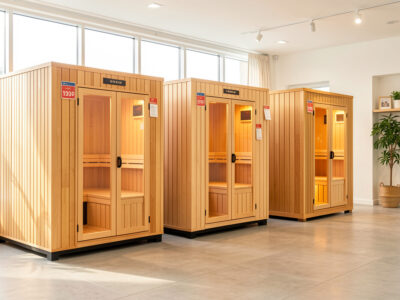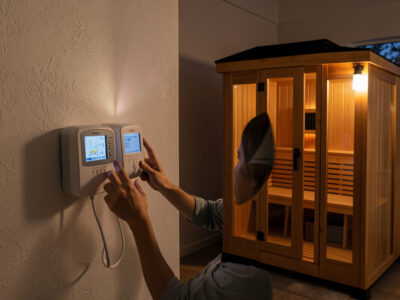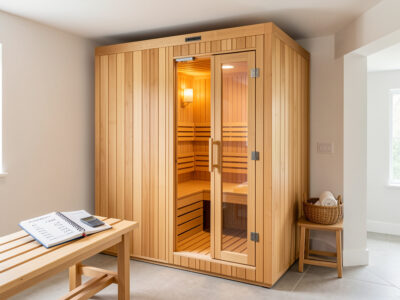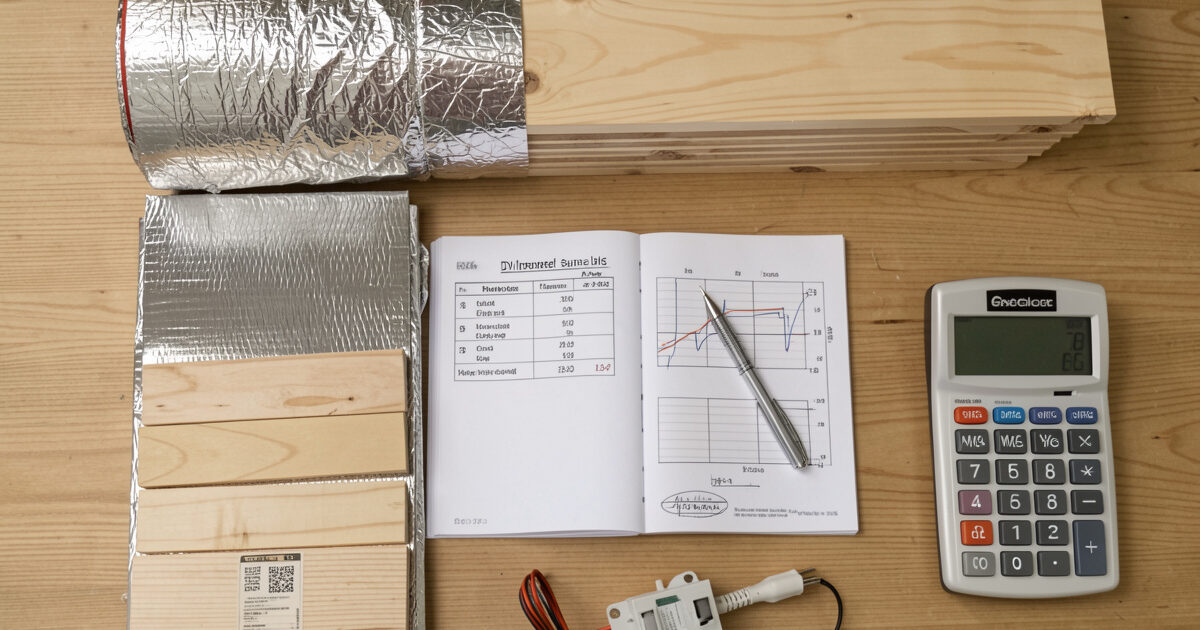
A DIY infrared sauna costs roughly 1,500 to 2,200 USD in materials for a 2-person cabin — heater panels are the biggest line at 500 to 900, then interior wood at 400 to 700, with framing, insulation, wiring, and controller filling out the rest. That is about 40 to 60 percent less than a comparable prefab, before counting the value of 30 to 50 hours of your own time.
I have tracked the real receipts on my own build and helped enough others price theirs to know where the money actually goes — and where buyers overspend. This is the line-by-line breakdown, the running cost most people never calculate, and an honest look at when DIY does not save you anything. It is the money chapter of the DIY infrared sauna guide; for the buy-versus-build math, see DIY vs prefab cost.
The Full Materials Breakdown
Here is what a 2-person DIY infrared sauna actually costs, line by line. These are mid-range material ranges in USD — you can spend less with budget panels and spruce, or more with cedar and a full-spectrum NIR emitter.
| Line item | Budget | Mid-range | Premium |
|---|---|---|---|
| Heater panels | $400 | $650 | $1,100 |
| Interior wood (hemlock/cedar) | $350 | $550 | $900 |
| Framing lumber | $120 | $180 | $250 |
| Insulation + foil barrier | $90 | $160 | $240 |
| Wiring, GFCI, conduit | $120 | $220 | $350 |
| Controller / thermostat | $80 | $140 | $220 |
| Door + glass | $120 | $220 | $450 |
| Bench + vents + hardware | $90 | $160 | $280 |
| Total materials | ~$1,370 | ~$2,280 | ~$3,790 |
Where the Money Really Goes: Panels and Wood
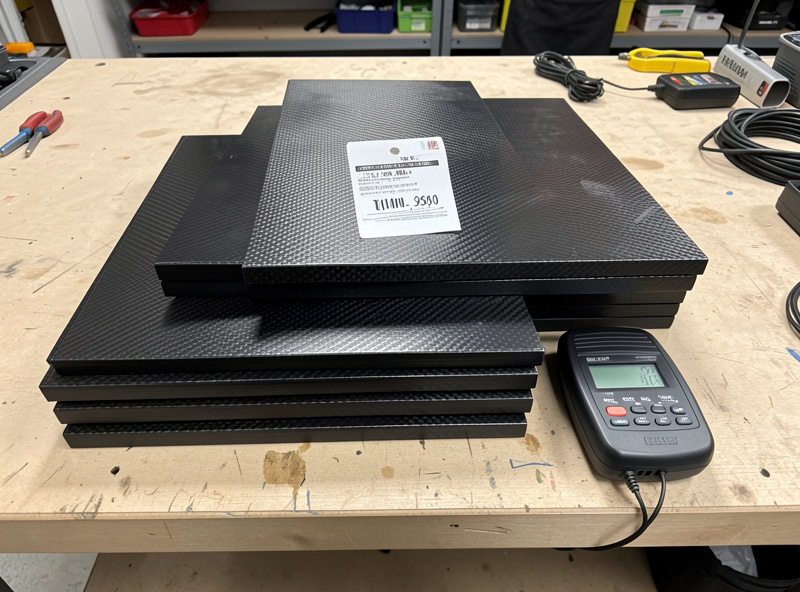
Heater panels and interior wood together make up well over half the budget, and they are the two lines worth spending on rather than cutting. The panels determine heat quality and EMF; the wood is what you touch every session. Skimp elsewhere first.
Panels are where cheap builds go wrong — a bargain set with no published EMF data or vague wattage is a false economy you cannot easily fix later. I would rather run fewer, better panels than a wall of unknown ones, and the heater-type decision behind that spend is in carbon vs ceramic. For wood, hemlock gives cedar-level performance at a fraction of the price, as I break down in best wood for a DIY sauna — that single swap is the easiest few hundred dollars to save without hurting the build.
The Hidden Lines Buyers Forget
Two costs ambush first-time builders: the electrical work and the tools. If you can run a dedicated GFCI circuit yourself, wiring stays around 120 to 350 USD in materials. If you must hire an electrician for the whole run, add a few hundred in labor — and that is where DIY savings can quietly evaporate.
The honest version of the math includes whether you already own the tools. A drill, saw, level, and multimeter are assumed in the totals above; if you are buying them for this project, fold that in. I also budget for a kill-a-watt and an EMF meter, because metering the result is the whole point of building yourself — see wiring an outlet and breaker requirements for the electrical scope. The broader ownership costs over years are in the hidden costs guide.
The Running Cost Nobody Calculates
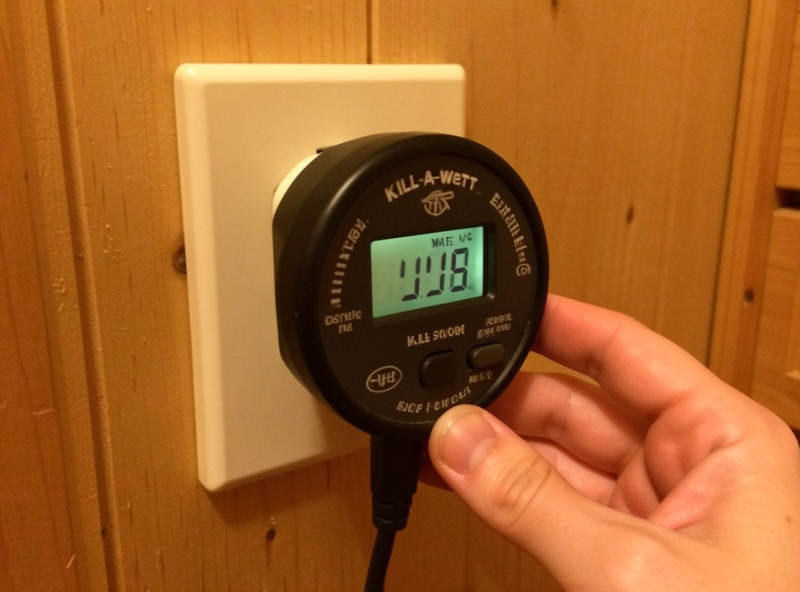
The line most buyers never run is electricity per session. On my kill-a-watt, a 45-minute session including preheat in a well-insulated 2-person cabin draws about 1.0 to 1.3 kWh — at a typical 0.20 to 0.30 USD per kWh, that is roughly 20 to 40 cents a session, or a few dollars a month for regular use.
That number is small, but it is real, and it is why insulation pays back: a poorly insulated cabin can draw noticeably more for the same felt heat. A full-spectrum unit with a NIR emitter runs higher. I track session kWh in my log so I know exactly what the cabin costs to run rather than guessing from a wattage label, which is routinely gamed. The full running-cost detail is in electricity cost and the metering options in monitoring electricity usage.
When DIY Does Not Save You Money
Building only saves money if your own labor is free to you and you can handle the electrical. If you hire out every hour — framing, wiring, finish — a contracted DIY build can match or exceed the price of a quality prefab, without the warranty. Be honest about which camp you are in.
DIY also stops paying off at the very low end: a sub-1,000-USD build usually means panels and wood I would not put in my own cabin. The sweet spot is the mid-range build by a hands-on owner who values control over EMF and wood — that buyer saves real money and gets a better cabin. If that is not you, the prefab comparison in DIY vs prefab and the full cost guide will point you to the better value.
A Realistic Budget Plan
The way I would budget a first build is simple: set aside roughly half your total for panels and wood, a quarter for framing, insulation, and the door, and a quarter for electrical and contingency. Then add ten to fifteen percent on top, because every build I have done found one thing the plan missed.
That contingency is not padding — it covers the extra box of foil tape, the warped board you reject, the breaker you discover you need, the second trip for the right vent grille. Builders who plan to the dollar and skip the buffer are the ones who stall halfway through. Price the panels and wood first since they anchor everything, lock those in, then fit the rest of the build to what is left. If the numbers do not work for the cabin you want, it is better to learn that on paper than with a half-framed box in the basement.
Frequently Asked Questions
How much does it cost to build a DIY infrared sauna?
About 1,500 to 2,200 USD in materials for a mid-range 2-person cabin. Heater panels are the largest line at 500 to 900, then interior wood at 400 to 700. A budget build can land near 1,400 and a premium cedar-and-NIR build closer to 3,800.
What is the most expensive part of a DIY sauna build?
The heater panels, typically 500 to 900 USD for a 2-person cabin, followed by the interior wood at 400 to 700. Together they exceed half the budget — and they are the two lines worth spending on rather than cutting, because they set heat quality and comfort.
How much does a DIY infrared sauna cost to run?
A 45-minute session including preheat draws about 1.0 to 1.3 kWh in a well-insulated 2-person cabin. At 0.20 to 0.30 USD per kWh that is roughly 20 to 40 cents per session, or a few dollars a month for regular use. Poor insulation raises it.
Is building a sauna cheaper than buying one?
Usually yes — a DIY build runs 40 to 60 percent less than a comparable prefab if your labor is free and you can do the electrical. If you hire out every hour of work, a contracted build can match prefab pricing without the warranty, so the saving depends on your skills.
Where can I cut costs without hurting the build?
Use hemlock instead of cedar for the wood, spruce for budget builds, and do the dedicated GFCI circuit yourself rather than hiring it. Do not cut the heater panels — cheap panels with no EMF data are the false economy you cannot fix later.