Here is the bench verdict: an infrared sauna is a dry radiant box that draws power only while you use it, while a hot tub is roughly 1,500 litres of water held at 37–40°C around the clock, with a pump, filter, and chemistry to manage. They are completely different machines, and the gap that matters most is the one buyers notice last—standby energy and maintenance.
Buyers cross-shop these because they land in the same mental bucket: the home wellness purchase you make once and enjoy for years. But I run a far-infrared cabin and I have spent enough time around hot tubs to know the ownership experience could not be more different. One asks for a cloth and a dry-out; the other asks for hours a month and a power bill that never sleeps. Let me lay out where each one actually wins.
Dry Heat vs Hot Water
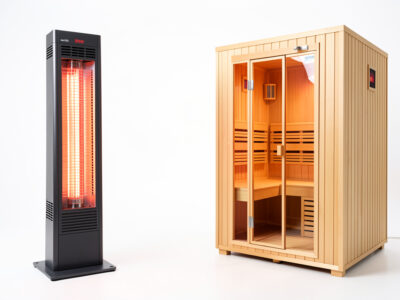
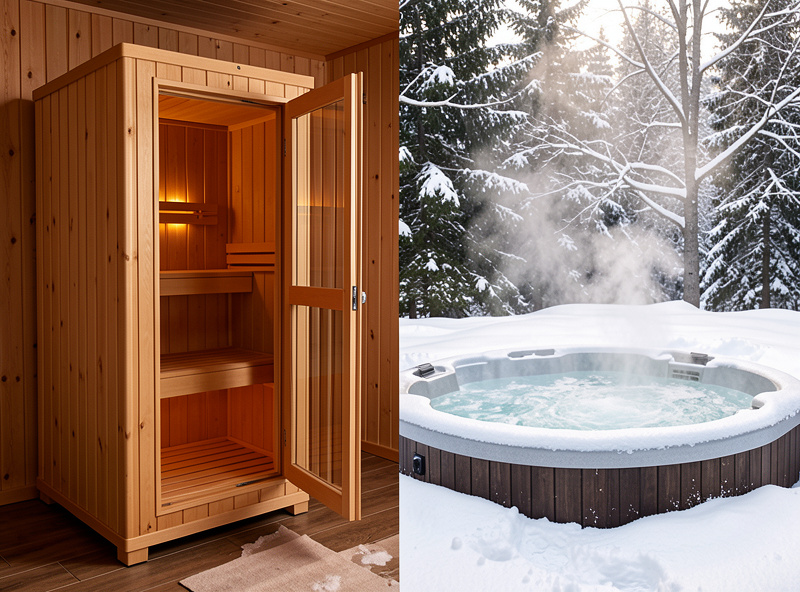
The infrared sauna heats your body directly with far-infrared panels in a 45–60°C dry room, driving a deep sweat without you ever getting wet. A hot tub does the opposite: you sit submerged in water held just above body temperature, so the appeal is warmth plus buoyancy and the feeling of weightless soaking, not a sweat session.
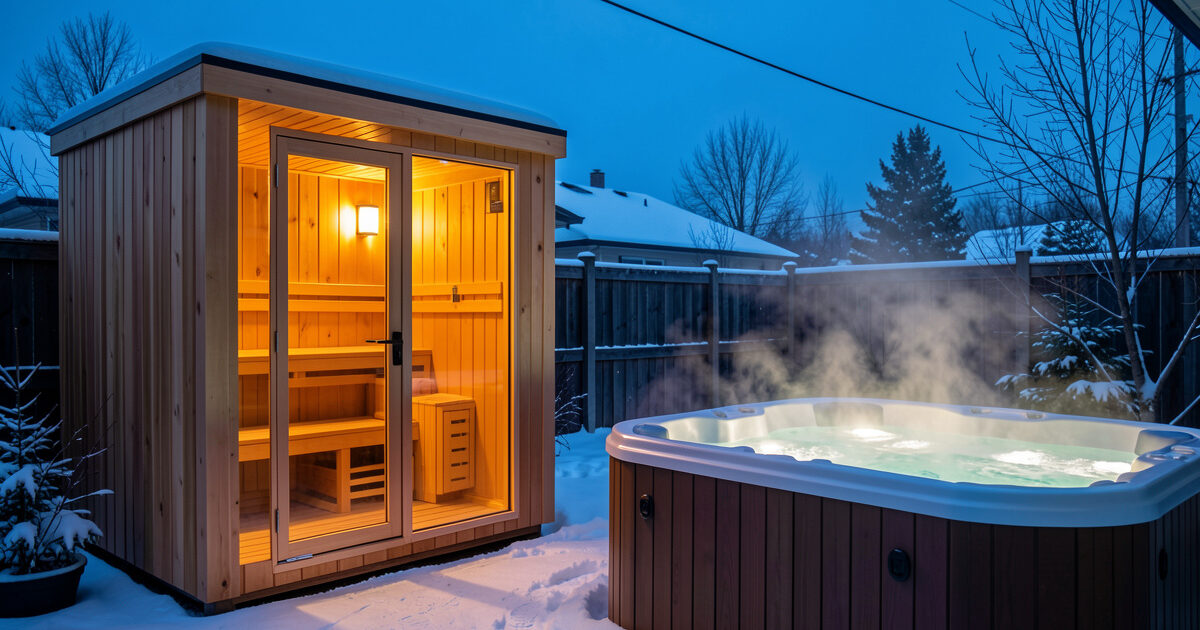
That difference decides what each is for. If what you want is a high-heat dry session that leaves you sweating and then cooling down, that is the sauna. If what you want is to sink into warm water and float, ideally outdoors under a winter sky, that is the hot tub—and no infrared cabin will replicate buoyancy. They are not really competitors so much as two different rituals that happen to cost similar money up front.
The Standby Power Gap Nobody Mentions
This is the number that flips the comparison. My kill-a-watt logs put an infrared session in the low single-digit kWh range, and between sessions the cabin draws nothing—it is off. A hot tub is never off. To have hot water ready whenever you want it, the heater and circulation pump cycle 24 hours a day, every day, all year, fighting heat loss through the cover and shell.
That standby load is the hidden cost of a hot tub, and in a cold climate it is substantial—a hot tub in a Swedish winter is heating water against freezing air continuously. The purchase prices might look comparable, but the running-cost shapes diverge hard: the sauna’s bill is “what I used this week,” the hot tub’s bill is “what it took to keep the water warm whether I got in or not.” I break down the sauna side of this in the infrared sauna electricity cost article, and the full ownership math in the infrared sauna cost guide.
Maintenance: A Cloth vs a Chemistry Set
The maintenance gap is just as wide. My infrared cabin needs the benches wiped and the door left open to dry—there is no water to manage, so there is nothing to test, balance, or replace. The heaters are solid-state with no moving parts.
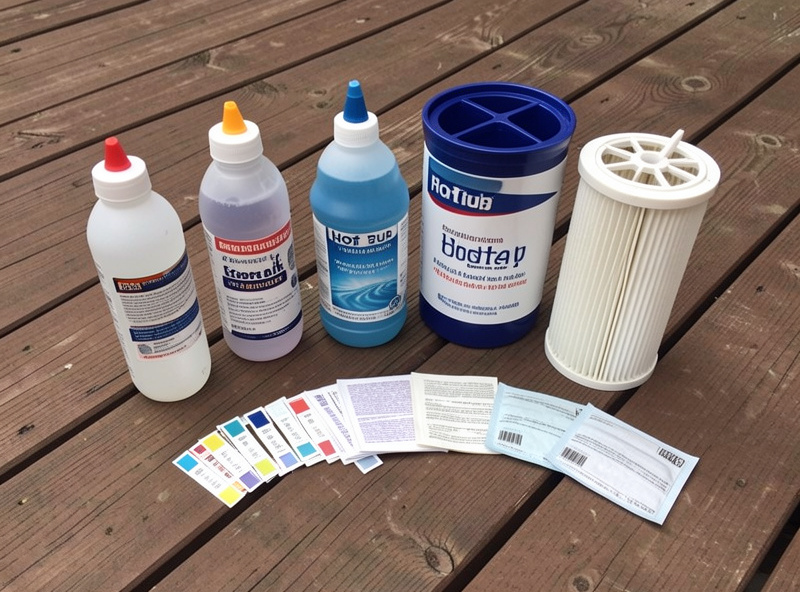
A hot tub is a small body of water you are responsible for keeping safe and clear. That means testing and dosing chemistry to hold the right balance, cleaning or replacing filters, running the pump, and draining and refilling on a schedule. None of it is hard, but it is constant, and it is the part of hot tub ownership people quietly tire of. If low-hassle is high on your list, the dry cabin wins this category outright—the kind of long-term upkeep I describe in the infrared sauna maintenance guide is dusting by comparison.
Install and Siting
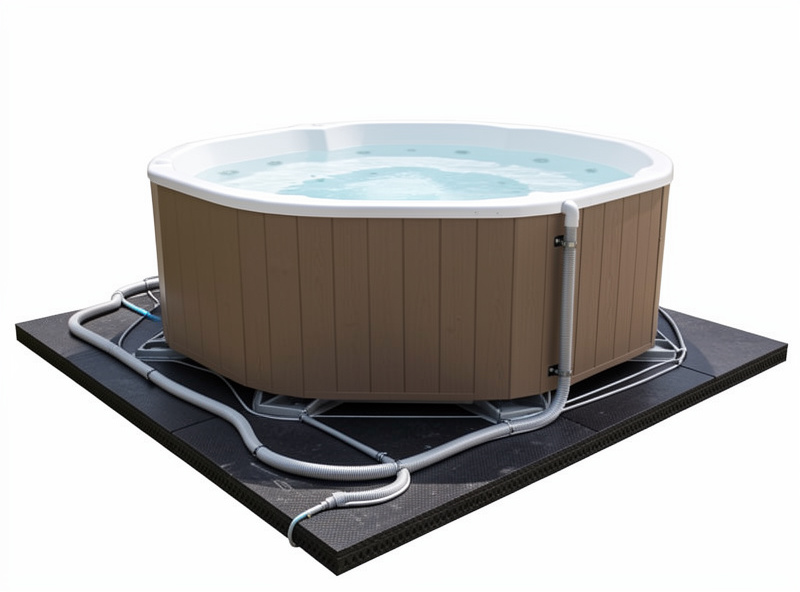
An infrared cabin is a freestanding indoor box: assemble it, plug it into a dedicated circuit, and you are done—mine lives indoors and runs off a 16A line. A hot tub is a bigger commitment to site. Full of water it is extremely heavy, so it needs a structurally adequate, level pad or reinforced deck, a suitable outdoor (or well-drained indoor) location, and its own substantial electrical supply, often a dedicated higher-amperage circuit.
That makes the hot tub the more permanent, more construction-adjacent install of the two, usually living outdoors where the weight and water are easier to manage. The infrared cabin is the one you can put in a spare room or even disassemble and move. I cover the cabin’s electrical and siting needs in the installation requirements guide; a hot tub’s structural and electrical demands are a step up from that.
EMF
On the EMF question, this is again mostly an infrared topic. The sauna has heating panels, wiring, and a controller close to where you sit, which is exactly why I meter mine and why low-EMF build quality matters. A hot tub’s pump and heater sit in an equipment bay away from where you soak, so the in-water EMF picture is generally a minor concern next to the chemistry and power story. If you do take EMF seriously, it is the sauna you measure—here is how I do it with a TriField.
Infrared Sauna vs Hot Tub at a Glance
| Factor | Infrared sauna | Hot tub |
|---|---|---|
| Experience | Dry radiant heat, sweat | Warm water, buoyancy |
| Temperature | 45–60°C air | 37–40°C water |
| Standby power | None between sessions | 24/7 to hold water temp |
| Maintenance | Wipe and dry out | Chemistry, filters, refills |
| Install | Plug-in indoor box | Heavy pad + big circuit |
| Best location | Spare room or indoors | Outdoors, usually |
| EMF concern | Measurable, manage it | Minimal where you sit |
Which Should You Buy?
Choose an infrared sauna if you want low running cost, near-zero maintenance, an indoor footprint, and a dry high-heat session—the practical pick for most homes and the cheaper machine to live with over a decade. Choose a hot tub if buoyancy, warm-water soaking, and outdoor relaxation are what you are genuinely after, and you accept the standby power bill and the chemistry routine that come with owning a body of water.
Plenty of people eventually want both, and they pair well—but if it is one purchase, decide whether you are buying a sweat ritual or a soak ritual, because that is the real fork. If you are comparing across the whole field, the comparison hub stacks infrared against every alternative, the steam room comparison covers the wet-air option, and the traditional sauna comparison covers high-heat dry. If you want a soak-and-sweat combo, a post-sauna cold rinse or plunge is its own thing worth reading about in how to use an infrared sauna.
As an Amazon Associate I earn from qualifying purchases. A plug-in energy meter is the cheapest way to see the standby gap between these two for yourself.
Frequently Asked Questions
Is an infrared sauna or hot tub cheaper to run?
An infrared sauna is much cheaper over time. It only draws power during a session, in the low single-digit kWh range, while a hot tub runs its heater and pump 24/7 to hold 1,500 litres of water at temperature. That standby load, especially in a cold climate, makes the hot tub the costlier machine to keep running.
Which needs less maintenance, an infrared sauna or a hot tub?
The infrared sauna, by a wide margin. It needs the benches wiped and the door left open to dry, with no water to manage. A hot tub requires regular chemistry testing and dosing, filter cleaning, and periodic draining and refilling, which is constant upkeep for the life of the unit.
Can I put a hot tub indoors like an infrared sauna?
It is far harder. An infrared cabin is a light freestanding box that plugs into one circuit. A hot tub full of water is extremely heavy and needs a structurally adequate, level base, drainage, ventilation for humidity, and a substantial circuit, which is why most hot tubs live outdoors.
Do an infrared sauna and a hot tub do the same thing?
No. An infrared sauna gives dry radiant heat that makes you sweat, while a hot tub gives warm-water soaking and buoyancy. They are different rituals, and many owners eventually want both. Treat any specific health benefit of either as studied and reported, not guaranteed.
Does a hot tub have more EMF than an infrared sauna?
Generally no. The EMF question is mostly an infrared one, since the sauna has heating panels, wiring, and a controller near you. A hot tub keeps its pump and heater in an equipment bay away from where you soak, so in-water EMF is a minor concern next to its power and chemistry demands.
Which is better for a small home, a sauna or a hot tub?
An infrared sauna usually suits a small home better. It fits indoors in a spare room or corner, plugs into a dedicated circuit, and can be disassembled and moved. A hot tub needs outdoor space, a heavy-duty base, and a big circuit, which is a much larger commitment for a small property.