When one panel in the cabin I run goes cold while the rest warm normally, I have learned not to trust my first instinct, which is always “the heater died.” In my session log, a single dead-feeling emitter is far more often a loose connector or a broken lead than a genuinely failed element — and the only way to know which is to trace power to the panel and then test the element itself. The whole job takes about an hour and a multimeter, and it usually ends with a thirty-cent connector, not a new heater.
This is the localized fault from the no-heat troubleshooting map — the Stage 3 branch, where the rest of the cabin proves power and the controller are fine, so the problem has to live behind one panel. Here is exactly how I trace it, in the order that finds the cheap fault first.
First, Confirm It Really Is One Panel
Before pulling anything, prove the symptom. Run the cabin to temperature and check each panel by hand — back of the hand held near the surface, never flat against a hot ceramic rod. If every other panel warms and one stays at room temperature, you have a localized fault. If two adjacent panels share a cold zone, suspect the connection or circuit they share rather than two simultaneous element failures, which is rare enough to be the last thing I’d suspect.
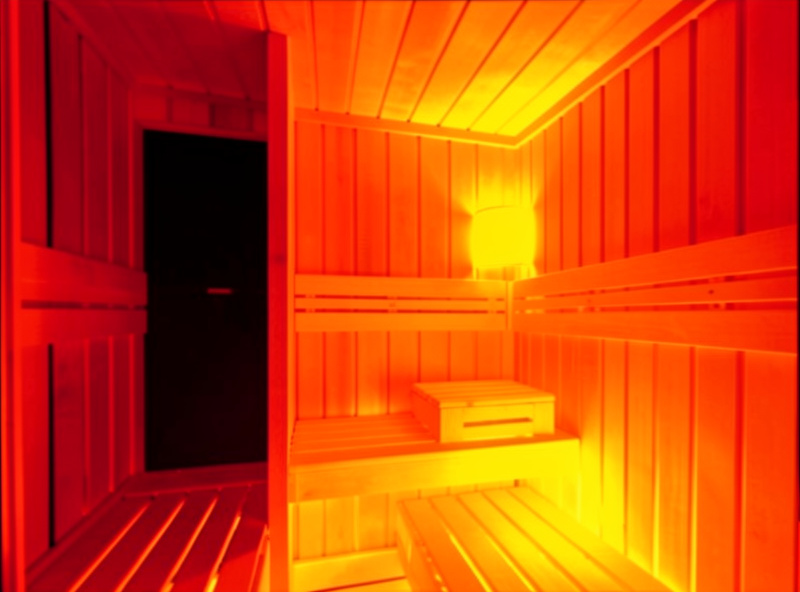
This is also where my thermal camera earns its place. The same camera I use to map a 3D-print bed shows the cabin’s heat as a picture, and a dead emitter shows as a clean dark rectangle against warm neighbors. It removes all guesswork about which panel is actually cold, which matters because a panel that merely runs cooler by design — a carbon panel next to a ceramic one — can feel “dead” to a hand that does not know what normal looks like.
Rule Out the Things That Are Not a Dead Heater
Two non-failures masquerade as dead panels often enough to check them before you open anything. The first is placement: a panel positioned where its radiant output never reaches you, or behind a bench, produces a cold zone that is physics, not failure. I mapped exactly how that happens in why cold spots happen. The second is heater type. A carbon-fiber panel runs cooler at the surface over a larger radiant footprint than a ceramic rod, so side by side a perfectly good carbon panel can feel weak. The differences are laid out in carbon vs ceramic heaters, and knowing them stops you from condemning a working panel.
The tie-breaker is current. If you can meter the cabin’s total draw with a plug-in energy meter and it pulls full rated wattage, then every element is conducting and your “dead” panel is a comfort or placement issue, not an electrical fault. If the draw is down by roughly one panel’s share, you have lost an element and the trace continues.
Trace Power to the Panel — Safely
Everything from here happens on a cold, unplugged cabin. I cannot say that strongly enough: the trace is safe only because the unit is dead. Power down, unplug, and let the panels cool fully before you touch anything behind them.
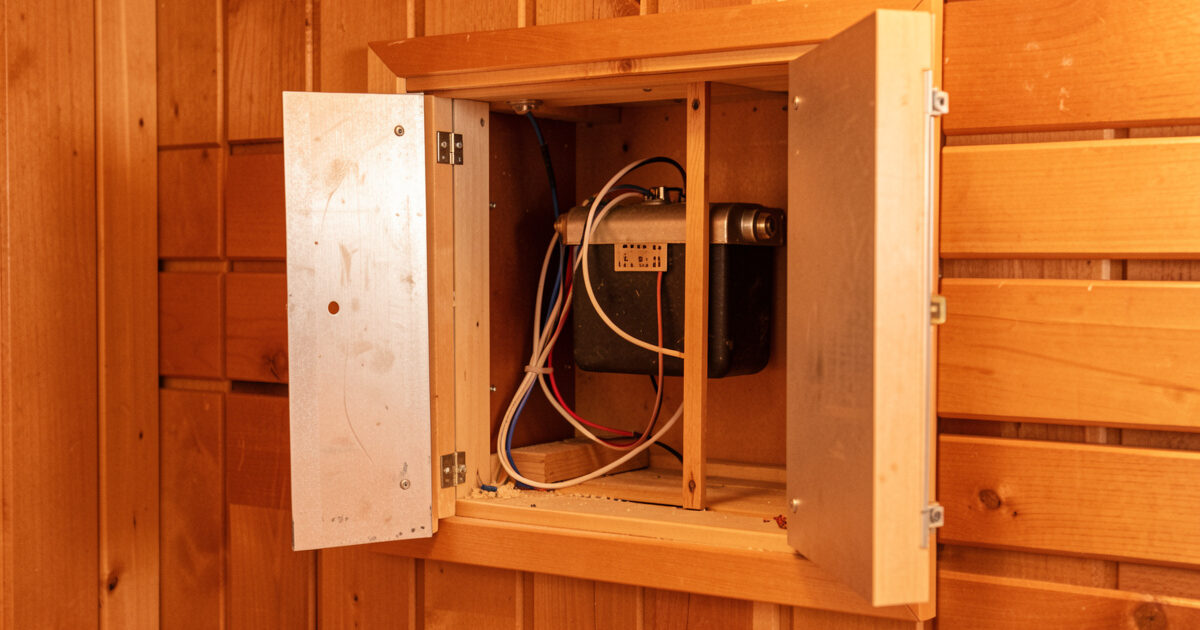
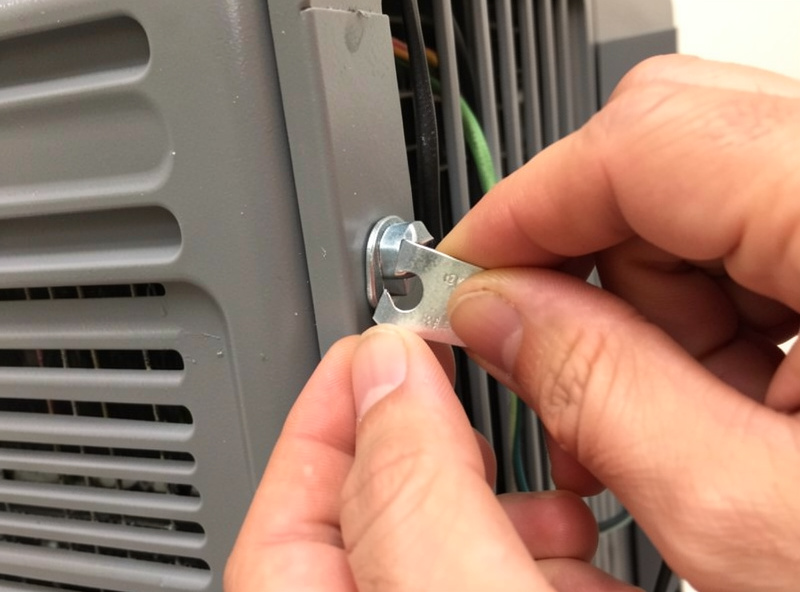
Pull the suspect panel’s cover to expose its connections. What you are looking for first is mechanical: a spade connector backed off its tab, a screw terminal loosened by a season of thermal expansion, a lead chafed or melted near a hot zone. In my own cabin, the one time a back panel went cold, the fault was exactly this — a spade connector that had walked off its tab from heat cycling. Re-seating and crimping it brought the panel straight back. This is why I check connections before I ever condemn an element: the cheap fault is also the common one.
Test the Element for Continuity
If the connections are sound, test the element itself. With the cabin unplugged and the element’s leads disconnected, a multimeter on continuity or resistance tells you in seconds whether the element is alive. A healthy heating element shows a sensible finite resistance end to end; an open — a broken element — reads infinite, no continuity, no beep. That single reading is the verdict. The full meter technique, including what resistance figures are reasonable and how to avoid a false reading, is in testing a heater element with a multimeter.
How an element fails depends on its type. A carbon-fiber panel tends to fail across its conductive layer, often after physical damage or moisture intrusion, and reads open. A ceramic rod element can fail at its end terminations or crack internally. Either way the meter does not care about the failure story — open is open, and an open element gets replaced rather than repaired. The background on each construction is in heater types and EMF.
Replace the Element — and Re-Meter the EMF
A confirmed-open element means a replacement, and the rule that matters most is matching: same physical size, same voltage, same wattage as the original, sourced for your cabin where possible. A mismatched-wattage panel will either underperform or overload the circuit, and a panel that does not physically fit the frame is a non-starter. When the element is genuinely dead and a matched replacement is not available, that is the moment the repair-versus-replace math from the cost guide comes into play.
One step people skip: after any panel work, I put the TriField back on the cabin. A replacement element or a re-routed lead can change the field signature, and a repair that fixes the heat but raises EMF is not finished. I read the result against the public-exposure reference levels published by ICNIRP — the standard yardstick for power-frequency magnetic fields — so “low EMF” on my bench means a measured number, not a sticker on the door. I run the same TriField method I use when vetting a used unit. It takes five minutes and confirms the repair did not trade one problem for another.
Connector, Lead, or Element: Telling Them Apart
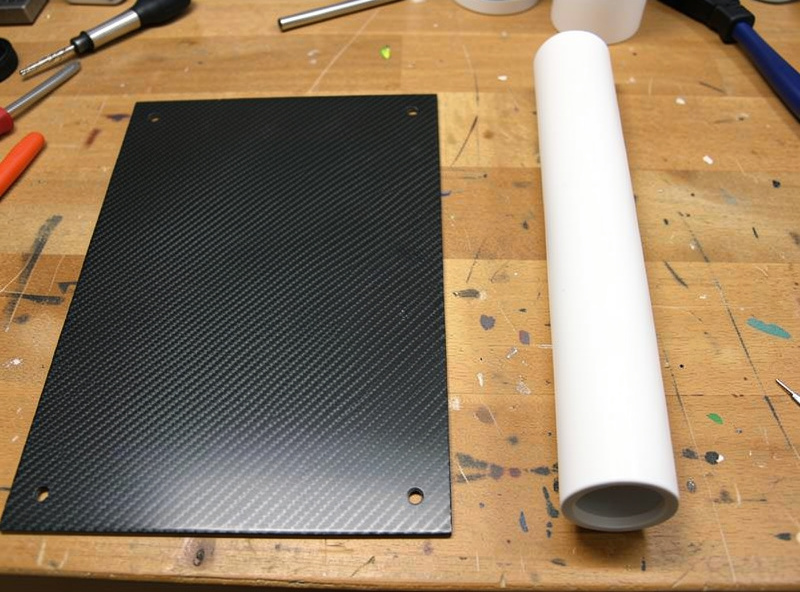
Once you have the panel open and the cabin dead, three culprits explain almost every cold panel, and the meter separates them cleanly. If the connector is visibly backed off or the terminal is loose, re-seat it, power up briefly, and confirm the panel warms — fault found, no further testing needed. If the connector is solid but the lead between the connector and the element is suspect, test continuity along that lead in isolation: an open lead reads infinite even though the element behind it is fine, and a damaged lead is a far easier fix than a new panel. Only when the connector and the leads both pass do you condemn the element itself.
This order matters because each step is cheaper and easier than the one after it. A re-seated connector costs nothing. A replacement lead is a few minutes and a crimp. A replacement element is a part order and a fitting job. Working outward from the connector to the element means you never buy the expensive fix for a cheap fault — the single most common way owners overspend on a sauna repair. I keep a small bag of matched spade connectors and heat-rated leads on the bench precisely because the connector and lead faults are the ones that recur, and having the parts on hand turns an hour-long diagnosis into a same-evening fix.
One wiring detail catches people out: some cabins daisy-chain two or three panels on one branch of the harness. If a whole bank goes cold together, do not chase three simultaneous element failures — test the shared connection feeding that bank first. A single loose junction upstream kills every panel downstream of it, and fixing that one point brings the whole bank back at once.
When to Hand It Off
Tracing and testing a cold, unplugged element is squarely within reach of a careful owner. The line I do not cross is mains-voltage wiring behind a hardwired junction or any controller fed directly at 240V — that is electrician work. And if the panel went cold accompanied by a smell, scorching, or a breaker trip, stop the trace and treat it as a hazard first; the burning smell guide covers when a cold panel is actually telling you something more serious. A dead emitter on its own is a tidy, low-risk repair. A dead emitter with a burn mark is a reason to call someone.
Frequently Asked Questions
Why did just one panel in my infrared sauna stop heating?
One cold panel while the rest warm usually means a loose connector or broken lead behind that panel, not a failed element. Heat cycling backs spade connectors off their tabs over a season. Check the connections on a cold, unplugged cabin before assuming the heater itself has died.
How do I know if a sauna heater element is actually dead?
Test it with a multimeter on a cold, unplugged cabin with the element leads disconnected. A healthy element shows a finite resistance end to end; a dead, open element reads infinite with no continuity. That reading is the verdict, regardless of how the element looks.
Is a cooler carbon panel a sign of a fault?
Usually not. Carbon-fiber panels run cooler at the surface over a larger radiant footprint than ceramic rods, so a good carbon panel can feel weak next to a hot ceramic one. Meter the cabin’s total current draw: full rated wattage means every element is conducting.
Can I replace a single sauna heater panel myself?
Tracing and testing a cold, unplugged element is within reach of a careful owner, and a confirmed-open element gets replaced with a matched part: same size, voltage, and wattage. Mains-voltage junction wiring and 240V controller connections are electrician work.
Do I need to check EMF after replacing a heater panel?
Yes, if EMF matters to you. A replacement element or re-routed lead can change the field signature of the cabin. A quick re-check with a TriField meter after the repair confirms you fixed the heat without raising the magnetic or electric field.