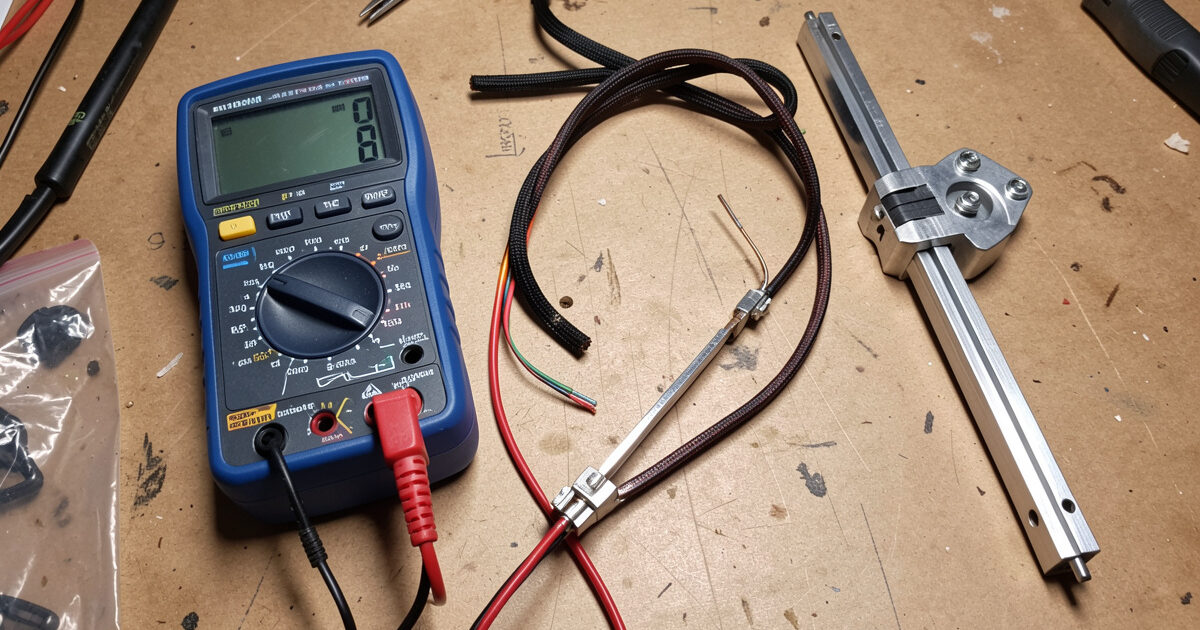
A multimeter turns “I think the heater is dead” into a yes-or-no answer in about thirty seconds, and continuity testing a sauna heater element is one of the most useful skills an owner can have. The test is simple: with the cabin cold and unplugged and the element’s leads disconnected, you put the meter across the element and read it. A healthy element shows a sensible finite resistance; a dead, open element shows no continuity at all. Everything else in this guide is about doing that safely and reading the number correctly.
This is the meter technique the rest of the troubleshooting cluster keeps pointing to — the tool that confirms a dead emitter, rules out a ground fault, and tests a sensor behind an error code. Learn it once and it serves the whole cabin. If you do not own a meter yet, an inexpensive digital multimeter with a continuity beeper is all this job needs. As an Amazon Associate I earn from qualifying purchases.
Safety First: This Only Works on a Dead Cabin
The single rule that makes this safe: the cabin must be cold, unplugged, and the element’s leads disconnected before a probe touches anything. Continuity and resistance testing send a tiny current from the meter through the element — they only give a valid reading on an unpowered circuit, and testing a live element is both dangerous and meaningless. So power down at the cabin, pull the plug from the wall, let the panels cool fully, then open the panel and disconnect at least one lead of the element you are testing so you are reading the element alone and not a path through the rest of the wiring.
That last detail — disconnecting a lead — matters more than people expect. If you leave both leads connected, your meter may read a circuit that loops through other components, giving a reading that looks fine when the element is actually open, or vice versa. Isolate the element and the number you get is the element’s number.
Setting the Meter: Continuity vs Resistance
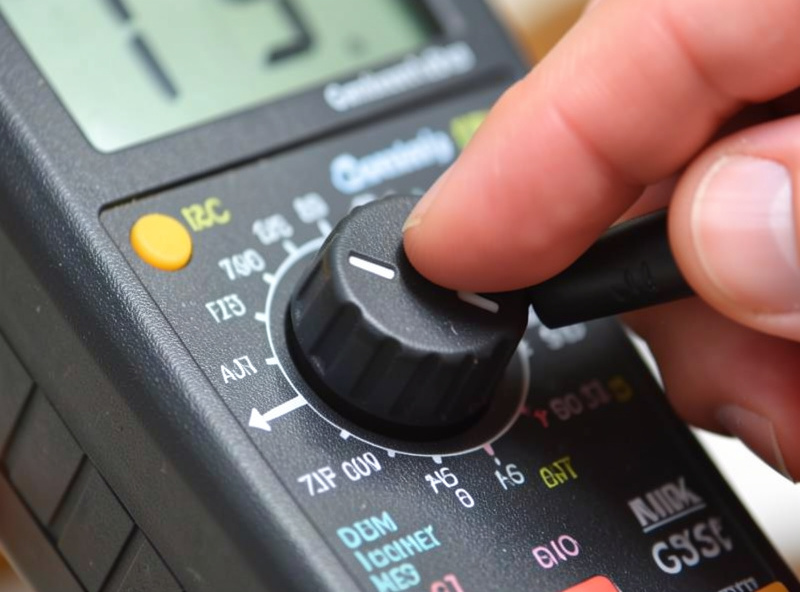
You have two useful modes for this. Continuity mode (the symbol that looks like a sound wave) beeps when there is a complete path — it is the fast pass/fail check. Resistance mode (ohms, the Ω symbol) gives you an actual number, which is more informative because it tells you not just whether the element conducts but whether it conducts the right amount. I start in continuity for the quick verdict, then switch to ohms when I want to confirm the element is genuinely healthy and not just marginally conducting.
Before testing anything, touch the two probes together. In continuity mode they should beep and read near zero; in resistance mode they should read near zero ohms. This confirms the meter and leads are working and gives you your baseline. A meter that does not beep when the probes touch has a dead battery or a broken lead, and you do not want to discover that mid-diagnosis and condemn a good element. Meter makers such as Fluke note that a continuity beeper usually latches below roughly 25–50 ohms, so on a low-resistance heating element the beep alone can mislead — switch to the ohms range and read the actual value rather than trusting the tone.
Reading the Element: What the Numbers Mean
Put one probe on each terminal of the isolated element. A working resistive heating element completes the circuit, so continuity mode beeps and resistance mode shows a finite value — the exact ohms depend on the element’s wattage and voltage, but the key is that it is a real, stable number, not zero and not infinite. An open element — the most common failure — gives no beep and reads infinite, “OL,” or “1” on the far left of the display depending on your meter. That is a broken element, and it gets replaced, not repaired.
If you want a sense of what number to expect, the element’s resistance relates to its power and voltage: a higher-wattage element at a given voltage has a lower resistance, and a lower-wattage one reads higher. You do not need to calculate anything to make the call — the diagnosis is open versus not-open — but knowing that a small panel reading a few hundred ohms and a chunky one reading tens of ohms can both be perfectly healthy stops you from second-guessing a good reading. The number to distrust is the extreme: infinite, or near-zero where it plainly should not be.
The table below is how I interpret what I see. The two readings that bracket “healthy” both mean trouble: infinite means the element is open, and a reading of nearly zero ohms across an element that should have meaningful resistance can mean a shorted element.
| What the Meter Shows | What It Means | Action |
|---|---|---|
| Beep / finite, stable resistance | Element is conducting normally | Element is healthy — look elsewhere |
| No beep / infinite, “OL”, or “1” | Open element — broken internally | Replace the element with a matched part |
| Near-zero ohms (should be higher) | Possible internal short | Replace; a short can trip breakers |
| Reading jumps around / unstable | Intermittent connection or bad probe contact | Re-clean terminals, re-test firmly |
| Continuity from element to frame/ground | Element is leaking to ground | Replace; this is your GFCI trip source |
The Second Test: Element to Ground
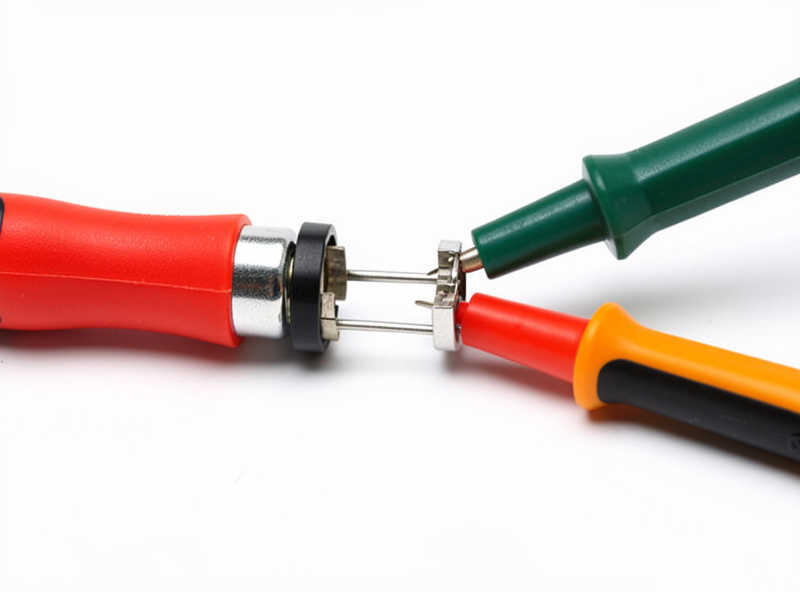
Continuity along the element tells you if it is alive. A separate test tells you if it is safe: check for continuity between either element terminal and the cabin’s metal frame or ground. A healthy element is electrically isolated from the frame, so this should read open — no beep, infinite resistance. If you get continuity to ground, the element’s insulation has broken down and it is leaking current to the chassis. That is exactly the fault a GFCI trips on, and it is why an element can read “alive” on the first test yet still be the reason your cabin keeps tripping. Any continuity to ground convicts the element regardless of how it read end-to-end.
Testing the Temperature Probe Too
The same meter checks the thermistor behind a sensor error code. A temperature probe is a resistor whose value changes with heat, so at room temperature it should read a sensible, stable resistance — not zero and not infinite. An open probe reads infinite; a shorted one reads near zero. Either result explains a sensor fault code and means the probe needs replacing. It is the same skill as the element test, just applied to a different part, and it closes the loop on the most common error code family. Where the reading should land exactly depends on the probe type, so compare against a known-good probe or the manufacturer’s spec if you have it.
After the Test: What the Result Tells You to Do
The whole point of metering is to act on a fact instead of a guess. A healthy element sends you back to the main troubleshooting map to check power, controller, and connections, because the heater is not your problem. An open or shorted element, or one leaking to ground, gets replaced with a matched part. A failed probe gets swapped. And if every element and probe tests good and the cabin still will not heat, the verdict moves to the controller, where matching a replacement is its own job in replacing the controller. The meter does not fix anything — it just stops you spending money on the wrong part, which is exactly what makes it the most valuable tool on the bench.
Frequently Asked Questions
How do I test an infrared sauna heater element with a multimeter?
On a cold, unplugged cabin, disconnect one lead of the element and place a meter probe on each terminal. Continuity mode should beep and resistance mode should show a finite, stable value. No beep with an infinite or OL reading means the element is open and needs replacing.
What resistance should a sauna heater element read?
A healthy element reads a finite, stable resistance whose exact value depends on its wattage and voltage; the key is that it is a real number, not zero and not infinite. Infinite or OL means an open element. Near-zero ohms on an element that should have resistance can indicate an internal short.
Do I test continuity with the sauna plugged in or unplugged?
Always unplugged. Continuity and resistance tests send a tiny current from the meter and only read correctly on an unpowered circuit. Power down, pull the plug, let the panels cool, and disconnect a lead so you read the element alone. Testing a live element is both dangerous and meaningless.
What does it mean if my element has continuity to the frame?
Continuity between an element terminal and the cabin’s metal frame or ground means the element’s insulation has broken down and it is leaking current to the chassis. This is the classic GFCI trip source. The element must be replaced, even if it reads alive end-to-end.
Can I test the temperature sensor with the same meter?
Yes. A thermistor probe is a resistor that changes with heat, so at room temperature it reads a sensible, stable resistance. Infinite means an open probe; near zero means a shorted one. Either result explains a sensor error code and means the probe needs replacing.
My multimeter reading jumps around. Is the element bad?
Not necessarily. An unstable reading often means poor probe contact or a dirty terminal rather than a failed element. Re-clean the terminals, press the probes firmly, and re-test. First confirm your meter works by touching the probes together; they should beep and read near zero.