A burning smell from an infrared sauna splits cleanly into two situations, and telling them apart fast is the whole point of this guide. A faint, warm, “new appliance” smell from a brand-new cabin on its first few heat-ups is usually harmless curing of the materials. A sharp, acrid, electrical or hot-plastic smell from a cabin you have used before is a stop-everything event: power down, unplug, and do not run it again until you know why. When in doubt, treat it as the second case — the cost of being wrong about an electrical smell is far higher than the inconvenience of an unplanned cool-down. The cabin I run pulls a steady 13–15 A on its dedicated 16 A circuit, and at that current a single loose spade connector can get hot enough to char wood — that is the exact failure this guide is built around.
This is the safety backstop for the entire troubleshooting cluster. Every other guide here has a line that says “if there is a burning smell, stop and come here.” This is that page. It is deliberately conservative, because a sauna combines high current, heat, and a wooden enclosure, and that combination does not forgive a “let me just finish this session” decision.
First: Stop, Unplug, Do Not Reset
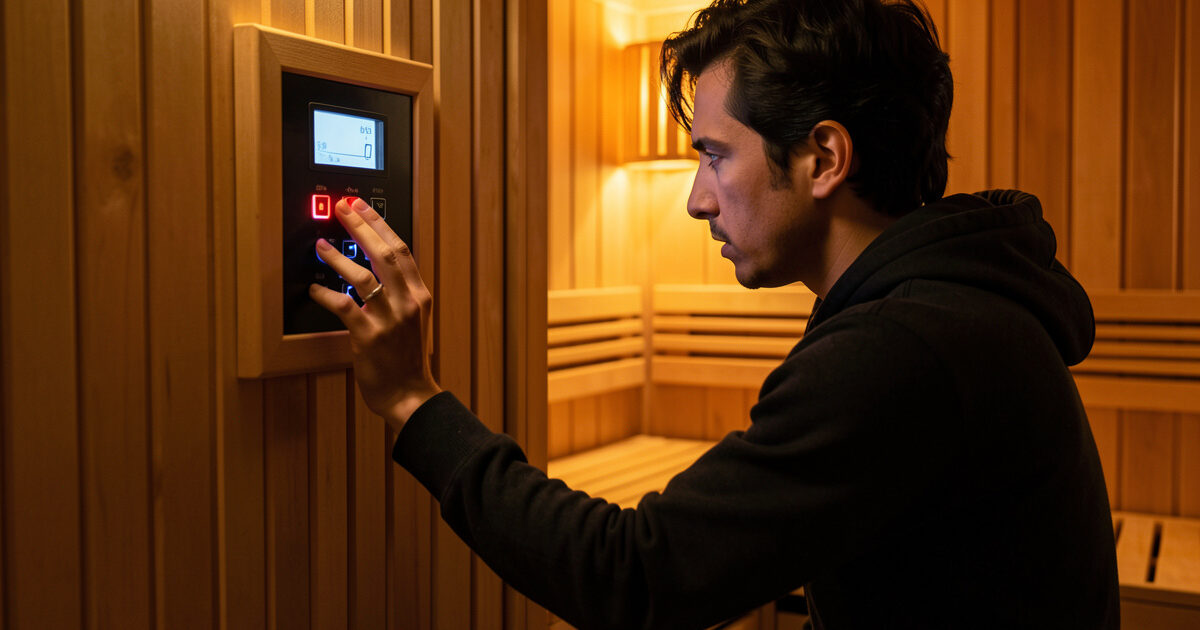
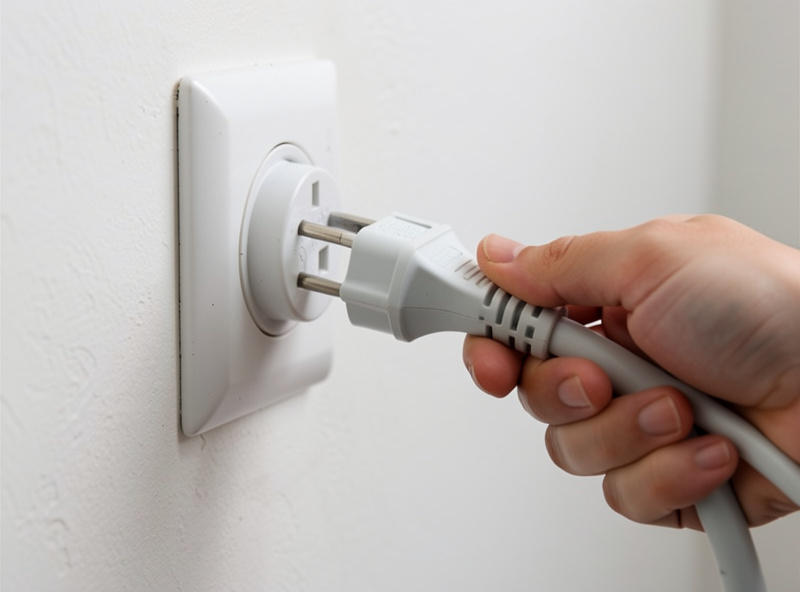
The moment you smell something burning and it is not the benign new-cabin curing smell, the response is mechanical and immediate. Turn the cabin off at the controller, then remove power at the source — unplug it, or switch off its breaker if it is hardwired. Open the door and ventilate the room. Do not turn it back on to “see if it does it again,” and if a breaker or GFCI tripped at the same moment, do not reset it. An electrical burning smell means something is overheating under load, and re-energizing it feeds the exact fault that is producing the smell.
Only once the cabin is dead and cool do you investigate, and even then only as far as your comfort and competence allow. The investigation is about finding evidence, not about getting the cabin running again tonight. A sauna that produced an electrical burning smell has earned a careful look before it earns another session.
The Smell That Is Probably Fine
Not every smell is an emergency. A new cabin, or new heater panels, will often give off a faint warm odor during the first several heat cycles as manufacturing residues, oils, and finishes cure off the wood and the emitters. This curing smell is mild, not sharp, fades a little more each session, and is not accompanied by any visible mark, smoke, or breaker trip. The standard handling is to run the empty cabin hot with the door cracked and the room ventilated for the first few sessions until it clears.
Dust can do something similar. A cabin that has sat unused collects dust on the panels, and the first hot session afterward can briefly smell of that dust burning off — again, mild and self-clearing. The distinction that matters: benign smells are faint, improve with each run, and come with no other symptom. The instant a smell is sharp, smells of hot plastic or electrical insulation, or arrives with smoke, a trip, or a scorch mark, it has left the “probably fine” category entirely.
The Smells That Mean Stop
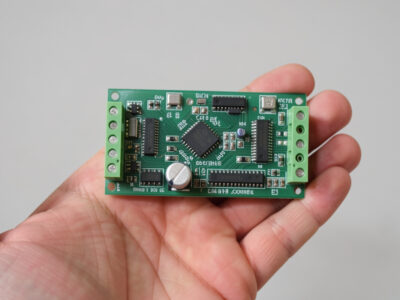
The dangerous smells are electrical, and they have a character you learn to recognize: sharp, acrid, like hot plastic or scorched insulation, sometimes with a faint fishy note that overheating electrical components can give off. These come from a connection or component failing under load. The usual sources are a loose connector arcing where a spade has backed off its tab, a wire whose insulation is breaking down, a controller or relay overheating, or supply wiring that is overloaded or damaged. Each of these is a real hazard, not a quirk.
A burning smell paired with another symptom narrows it fast. Smell plus a tripping breaker points at an overload or short — the tripping breaker guide covers that pairing. Smell plus a dead panel can mean a connector arced itself open behind that panel, which is the dead-emitter situation turned dangerous. Smell plus an error code or a dark display points back through the control panel and error code chains. But the smell changes the rule: where those guides invite you to diagnose, an accompanying burn smell tells you to inspect cold and unplugged, and to hand the live work to a professional.
What to Look For — Cold and Unplugged
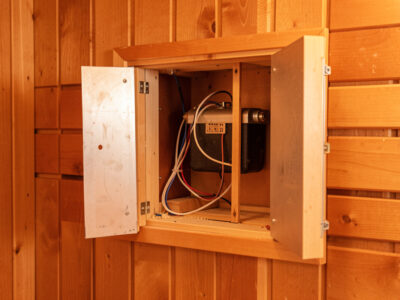
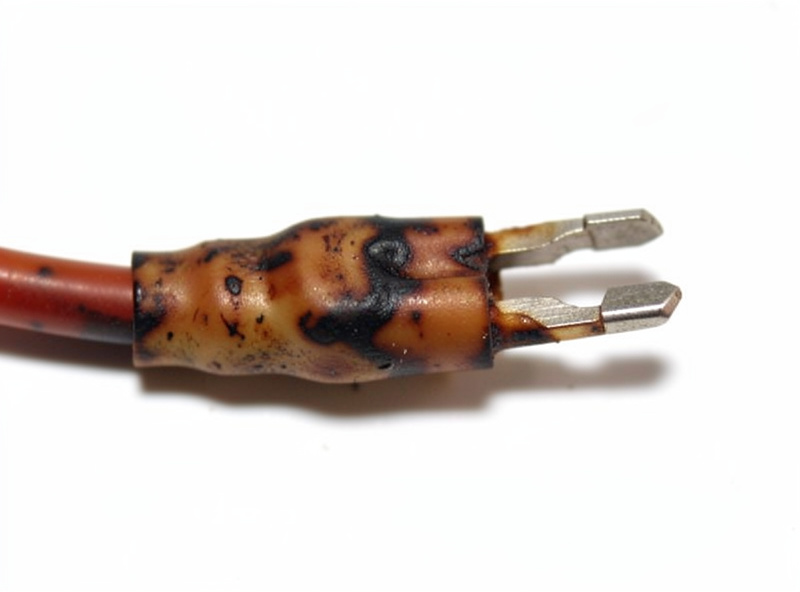
With the cabin dead and cool, a careful owner can look for evidence without doing anything live. Check the plug and outlet first: a plug that is warm, discolored, or smells is a classic sign of a poor connection overheating, and that outlet should not be used until an electrician sees it. The Electrical Safety Foundation International lists warm or discolored outlets among the leading warning signs of failing wiring, and a sauna’s high, sustained load makes that signature show up faster than it would on an everyday receptacle. Behind the panels, look for the visible signatures of an electrical fault — browned or melted connector housings, scorch marks on wood near a terminal, discolored insulation, a connector that has clearly arced. These are conclusive: a scorched connector is both the source of the smell and the proof that the fault is real.
What you are doing here is gathering evidence, not effecting a repair. Even if you find an obviously failed connector and you are competent to replace it, the fact that it got hot enough to smell means you also need to understand why — a connector that arced because it was loose is one thing; a connector that arced because the circuit is overloaded is a deeper problem that will simply move to the next weakest point. That “why” is often where an electrician’s eyes are worth more than a new part.
When to Call an Electrician — Which Is Often
This is the spoke where I lean hardest toward calling a professional, because a burning smell means something already got hot enough to start breaking down, and the stakes are a wooden cabin on a high-current circuit. Call an electrician if the smell came with a breaker or GFCI trip, if the plug or outlet is warm or discolored, if you find scorching but cannot clearly identify and safely fix a single obvious cause, or if the cabin is hardwired at mains voltage. The supply-side reasoning is in wiring an outlet for an infrared sauna, and what is owner-legal versus electrician-required is region-dependent, covered in permits and electrical codes.
One piece of standing safety kit worth having regardless: a working smoke and heat alarm in or near the room with the sauna. It is cheap insurance for any high-current appliance in a wooden enclosure, and a combination smoke and heat alarm covers the failure modes a sauna can present. As an Amazon Associate I earn from qualifying purchases. The alarm does not prevent a fault, but it is the backstop that matters most if one ever develops while you are not standing next to the cabin.
After It’s Fixed: Confirm Before You Trust It
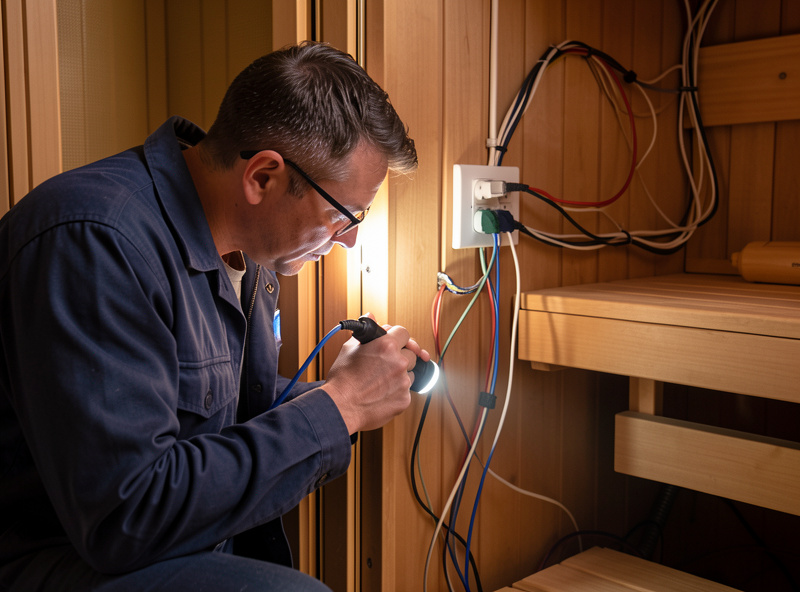
Once the cause is found and corrected — by you or an electrician — do not jump straight back to a full session with the door closed. Run the cabin empty, door cracked, room ventilated, and stay with it through a full heat cycle, watching and smelling for any return of the odor. Confirm the breaker holds and nothing gets warm that should not. Because the fault involved heat and current, this is also a sensible moment to re-check the cabin’s EMF with the TriField method — repairs to wiring and connectors can shift the field signature, and you want to confirm the cabin is both safe and back to its normal readings before you trust it with a real session again.
Frequently Asked Questions
Is a burning smell from a new infrared sauna normal?
A faint, warm odor from a brand-new cabin or new panels during the first several heat cycles is usually harmless curing of manufacturing residues and finishes. It is mild, fades each session, and comes with no smoke, scorch mark, or breaker trip. Run it empty and ventilated until it clears.
What should I do if my infrared sauna smells like burning plastic?
Treat a sharp, acrid, hot-plastic or electrical smell as an emergency. Turn it off, remove power by unplugging or switching off the breaker, and ventilate the room. Do not turn it back on or reset a tripped breaker. An electrical burning smell means something is overheating under load.
Why does my infrared sauna smell like something is burning when it heats up?
If the cabin is established rather than new, a burning smell usually means a connection or component is failing under load: a loose connector arcing, breaking-down insulation, or an overheating controller. Stop, unplug, and inspect cold. A sharp electrical smell is not something to run through.
Can I keep using my sauna after a burning smell goes away?
No, not until you know the cause. A smell that stops because you turned the cabin off has not fixed anything; the fault is still there waiting for the next session. Inspect cold and unplugged for scorching or a warm plug, and have an electrician confirm it before trusting the cabin again.
Is a burning smell with a tripped breaker dangerous?
Yes. A burning smell paired with a breaker or GFCI trip points to an overload or short, and resetting the breaker feeds the fault that is producing the smell. Leave it off, unplug the cabin, and call an electrician. This pairing is one of the clearest stop-and-get-help signals.
Should I call an electrician for a sauna burning smell?
Often, yes. Call one if the smell came with a breaker trip, the plug or outlet is warm or discolored, you find scorching you cannot clearly and safely fix, or the cabin is hardwired at mains voltage. A burning smell means something already overheated, and the stakes justify professional eyes.