The health benefits of infrared sauna therapy are no longer a fringe wellness claim. Decades of peer-reviewed research — much of it from Finland, Japan, and Germany — have documented measurable improvements in cardiovascular function, immune response, mental health, chronic pain, and metabolic markers. This article organizes those benefits by body system, citing specific studies so you can evaluate the evidence yourself.
Important: This article summarizes published medical research for educational purposes. It is not medical advice. Always consult your healthcare provider before starting infrared sauna therapy, particularly if you have pre-existing health conditions or take prescription medications.
Cardiovascular Health
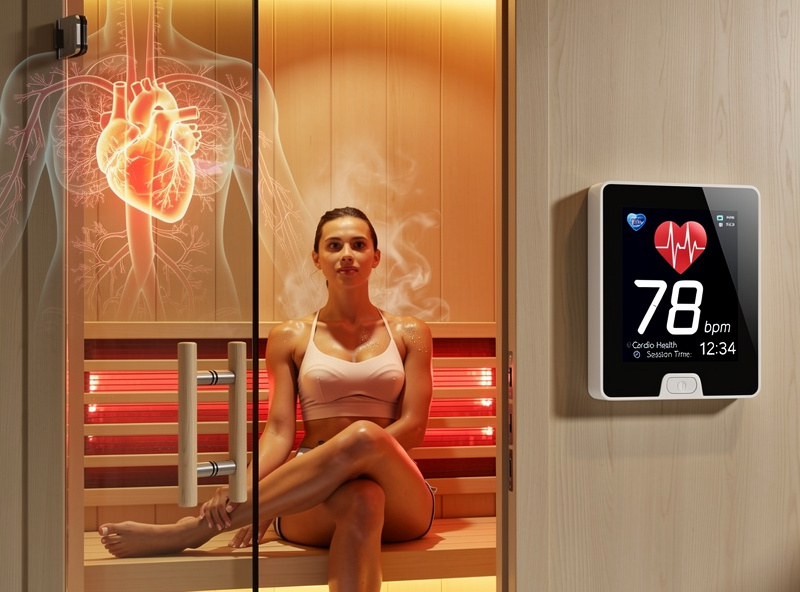
The cardiovascular benefits of infrared sauna use are among the most robustly documented. Your heart responds to infrared heat in ways that closely mimic moderate aerobic exercise, which is why some researchers describe regular sauna sessions as “passive cardiovascular conditioning.”
Blood Pressure Reduction
Multiple clinical trials have demonstrated that regular infrared sauna use reduces both systolic and diastolic blood pressure. A 2017 study published in the Journal of Human Hypertension found that a single infrared sauna session produced immediate, measurable blood pressure reductions that persisted for several hours. More importantly, participants who maintained regular sauna use over weeks showed sustained baseline reductions of 7 to 12 mmHg systolic.
The mechanism is straightforward: infrared heat causes peripheral vasodilation, meaning your blood vessels widen to dissipate heat. This reduces vascular resistance, which is essentially the force your heart must overcome to pump blood. Over time, this repeated stimulus appears to improve the flexibility and responsiveness of blood vessel walls — a process called endothelial remodeling.
For context, pharmaceutical blood pressure medications typically target reductions of 10 to 15 mmHg. Achieving 7 to 12 mmHg through infrared sauna therapy is clinically meaningful, though it should complement — not replace — prescribed treatments.
Heart Rate Variability and Cardiac Output
Heart rate variability (HRV) is one of the most important indicators of cardiovascular health and autonomic nervous system function. Higher HRV indicates a heart that adapts efficiently to changing demands. Low HRV is associated with increased risk of cardiac events.
Research from the University of Eastern Finland found that regular sauna bathing was associated with improved HRV metrics. During a sauna session, heart rate increases to 100 to 150 bpm — similar to moderate walking or cycling. This repeated cardiovascular stimulus triggers the same adaptive responses as exercise: improved cardiac output, enhanced stroke volume, and better autonomic regulation.
The landmark Kuopio Ischaemic Heart Disease study, which followed 2,315 Finnish men for over 20 years, found that those using saunas four to seven times per week had a 63% lower risk of sudden cardiac death and a 50% lower risk of cardiovascular mortality compared to once-weekly users. While this study primarily examined traditional saunas, subsequent research has confirmed that infrared saunas produce comparable cardiovascular responses at lower temperatures.
Congestive Heart Failure
Japanese researchers have pioneered the use of infrared sauna therapy — which they call Waon therapy — for patients with congestive heart failure. A study published in the Journal of the American College of Cardiology demonstrated that repeated infrared sauna sessions improved cardiac function, exercise tolerance, and quality of life in CHF patients. Participants showed improved left ventricular ejection fraction and reduced levels of brain natriuretic peptide (BNP), a marker of heart failure severity.
This is particularly significant because CHF patients often cannot exercise at the intensity needed to produce cardiovascular benefits. Infrared sauna therapy provides similar hemodynamic stimulus without the mechanical stress on the heart that exercise demands.
Immune System Function

Heat Shock Proteins
When your core body temperature rises during an infrared sauna session, your cells produce heat shock proteins (HSPs). These molecular chaperones serve multiple immune functions: they help other proteins fold correctly, flag damaged cells for removal, and enhance the ability of immune cells to identify and respond to pathogens.
HSP70, the most studied heat shock protein, has been shown to activate natural killer cells, enhance antigen presentation, and improve the overall efficiency of the adaptive immune response. Regular sauna users maintain elevated baseline levels of HSP70, meaning their immune systems operate at a heightened state of readiness even between sessions.
White Blood Cell Production
A study published in the Journal of Human Kinetics found that regular sauna use increased white blood cell counts in athletes, including lymphocytes, neutrophils, and basophils. White blood cells are the primary soldiers of the immune system, responsible for identifying and destroying pathogens, infected cells, and cancerous cells.
The increase was most pronounced in athletes who used saunas after intense training, suggesting that sauna therapy may help counteract the temporary immune suppression that follows heavy exercise — a phenomenon known as the “open window” period when athletes are most vulnerable to infection.
Respiratory Health
Finnish research has documented a 27% lower risk of pneumonia among frequent sauna users. While the exact mechanism is not fully established, researchers hypothesize that the combination of improved immune function, increased respiratory tract blood flow, and potential antimicrobial effects of elevated body temperature contribute to this protection.
Infrared sauna sessions also help clear nasal congestion and improve sinus drainage through the vasodilatory effect on nasal passages. This does not cure chronic sinusitis, but regular users report reduced frequency and severity of upper respiratory symptoms.
Mental Health and Neurological Benefits

Depression and Anxiety
The relationship between heat therapy and mental health is supported by both observational data and clinical trials. A randomized controlled trial published in JAMA Psychiatry in 2016 found that a single session of whole-body hyperthermia produced rapid and sustained antidepressant effects in participants with major depressive disorder. Improvements were measurable within one week and persisted for at least six weeks after a single treatment.
The mechanism appears to involve multiple pathways. Infrared heat activates the parasympathetic nervous system, reducing the chronic “fight or flight” activation that underlies many anxiety disorders. It triggers the release of endorphins — the same mood-elevating chemicals produced during exercise. And it may influence serotonin signaling through temperature-sensitive pathways in the brain.
Regular sauna users in the Finnish population studies consistently report lower rates of depression, anxiety, and psychotic disorders. While correlation does not prove causation, the biological mechanisms are plausible and the clinical trial data is supportive. For a broader look at the evidence, our science-based benefits overview covers the research methodology in detail.
Cognitive Function and Dementia Prevention
Perhaps the most striking finding from the Finnish sauna research is the association between frequent sauna use and reduced dementia risk. Men who used saunas four to seven times per week had a 66% lower risk of developing dementia and a 65% lower risk of Alzheimer’s disease compared to once-weekly users.
The proposed mechanism involves brain-derived neurotrophic factor (BDNF), a protein essential for the growth, maintenance, and survival of neurons. Heat stress is one of the most reliable triggers of BDNF production. Regular elevation of BDNF through sauna use may support neuroplasticity — the brain’s ability to form new connections and adapt — which declines with age and is impaired in dementia.
Additionally, the cardiovascular benefits of sauna use directly support brain health. Improved blood flow, reduced inflammation, and better endothelial function all contribute to maintaining the cerebrovascular integrity that is compromised in vascular dementia.
Sleep Quality
Infrared sauna use before bedtime exploits a fundamental principle of sleep physiology: the body initiates sleep onset in response to a drop in core temperature. By artificially raising core temperature during a sauna session, you create a more pronounced temperature drop afterward, which signals the brain to release melatonin and initiate sleep.
A study in the Journal of Physiological Anthropology confirmed that passive body heating improved sleep quality metrics including time to fall asleep, total sleep duration, and subjective sleep satisfaction. Users consistently rank improved sleep as the first noticeable benefit of regular infrared sauna therapy, often within the first week.
Musculoskeletal and Pain Benefits
Chronic Pain Conditions
Infrared sauna therapy has shown particular promise for chronic pain management. A study in Internal Medicine examined patients with chronic pain conditions including fibromyalgia and chronic fatigue syndrome. After a four-week program of daily infrared sauna sessions, pain scores decreased significantly, and improvements persisted for months after the treatment ended.
The pain-reducing mechanisms include increased blood flow to painful tissues, reduced production of inflammatory cytokines, decreased muscle spasm activity, and potential modulation of pain perception pathways in the central nervous system. Unlike pharmaceutical pain management, infrared sauna therapy does not carry risks of dependency or organ damage from long-term use.
Arthritis and Joint Health
Research published in Clinical Rheumatology demonstrated that infrared sauna therapy significantly reduced pain and stiffness in patients with rheumatoid arthritis and ankylosing spondylitis. Participants completed sessions over four weeks with no adverse effects reported. The results suggest that infrared heat provides meaningful relief for inflammatory joint conditions without the gastrointestinal and cardiovascular side effects associated with long-term NSAID use.
For osteoarthritis, the mechanism is slightly different. Rather than reducing autoimmune-driven inflammation, infrared heat improves synovial fluid viscosity and increases blood flow to cartilage, which has limited direct blood supply. This enhanced nutrition may slow degenerative changes, though long-term studies are still needed to confirm this hypothesis.
Exercise Recovery
Athletes and recreational exercisers benefit from post-workout infrared sauna sessions. A 2015 study in SpringerPlus found that infrared sauna use after strength training reduced delayed-onset muscle soreness (DOMS) and improved recovery markers compared to passive rest. The increased blood flow to damaged muscle fibers accelerates the delivery of amino acids and removal of metabolic waste products, speeding the repair process.
Professional sports teams and elite training facilities have increasingly incorporated infrared sauna therapy into their recovery protocols. The combination of reduced muscle soreness, improved sleep quality, and enhanced cardiovascular conditioning makes it a particularly efficient recovery tool — providing multiple benefits in a single 30 to 45 minute session.
Metabolic and Skin Health
Metabolic Rate and Calorie Expenditure
During an infrared sauna session, your metabolic rate increases as your body works to regulate temperature. Research has documented calorie expenditure of approximately 200 to 600 calories per 30-minute session, depending on temperature, individual body composition, and cardiovascular fitness. While this is modest compared to vigorous exercise, it represents a meaningful supplement to an active lifestyle.
More importantly, regular infrared sauna use may improve insulin sensitivity. A pilot study found that participants who completed a regular sauna program showed improved fasting glucose levels and reduced insulin resistance markers. While larger studies are needed, the preliminary data suggests that heat therapy may support metabolic health through mechanisms independent of calorie expenditure.
Skin Health and Appearance
Infrared wavelengths, particularly near infrared, penetrate the skin and stimulate collagen production in the dermal layer. A study in the Journal of Cosmetic and Laser Therapy documented measurable improvements in skin texture, elasticity, and roughness after regular near-infrared exposure. Participants reported smoother, more even-toned skin with reduced fine lines.
The sweating produced during infrared sauna sessions also serves a cleansing function. Unlike exercise-induced sweat, which is primarily eccrine (watery), heat-induced sweat contains a higher proportion of apocrine secretions, which carry more toxins, dead skin cells, and sebum. This deep-pore cleansing effect is one reason dermatologists sometimes recommend sauna therapy for acne-prone skin.
Detoxification
The word “detox” has been heavily abused by the wellness industry, but there is legitimate science behind sweat-based elimination of certain compounds. Research published in the Archives of Environmental Contamination and Toxicology found that sweat contains measurable quantities of heavy metals (lead, mercury, cadmium, arsenic) and persistent organic pollutants (BPA, phthalates). In some cases, sweat was a more effective excretion pathway for these compounds than urine.
This does not mean infrared saunas will “detox” your body in the way juice cleanses claim to. Your liver and kidneys handle the vast majority of detoxification. However, sweating does provide a supplementary elimination pathway for certain environmental contaminants, and infrared saunas produce substantially more sweat than normal activity.
Choosing the Right Sauna for Health Benefits
The type of infrared sauna you use affects which benefits are most pronounced. Full spectrum saunas that combine near, mid, and far infrared provide the broadest range of benefits — near infrared for skin and cellular health, mid infrared for circulation and pain, and far infrared for deep tissue heating and cardiovascular conditioning.
If budget is a concern, our guide to effective saunas under $1,000 identifies models that deliver genuine health benefits without premium pricing. The most important factor is not the price — it is consistent use. A $600 far-infrared sauna used five times per week will produce better health outcomes than a $5,000 full-spectrum unit used once a month.
For guidance on installation and placement, the home setup guide covers electrical requirements, ventilation, and space planning.
Frequently Asked Questions
How often should I use an infrared sauna for health benefits?
Research consistently shows a dose-response relationship: more frequent use produces greater benefits. The Finnish studies found the strongest health outcomes in participants using saunas four to seven times per week. For most people, four to five sessions per week at 30 to 45 minutes provides an excellent balance of benefit and practicality.
Are the health benefits of infrared sauna different from traditional sauna?
The core health benefits are similar because both types raise core body temperature, increase heart rate, and trigger sweating. However, infrared saunas achieve these effects at lower air temperatures, making sessions more comfortable and accessible for people who find traditional saunas overwhelming. Some research suggests that near-infrared wavelengths provide additional cellular and skin benefits not found in traditional hot-air saunas.
Can infrared sauna therapy replace exercise?
No. While infrared saunas produce some cardiovascular benefits similar to moderate exercise, they do not provide the musculoskeletal loading, balance training, or full metabolic stimulus that physical activity delivers. Think of infrared sauna therapy as a powerful complement to exercise, not a replacement. The combination of regular exercise and regular sauna use produces benefits greater than either practice alone.
Is infrared sauna therapy safe for people with heart conditions?
Japanese Waon therapy research has demonstrated benefits for congestive heart failure patients under medical supervision. However, certain cardiac conditions — particularly unstable angina, recent heart attack, or severe aortic stenosis — may make sauna use risky. Always consult your cardiologist before starting infrared sauna therapy if you have any heart condition. Our safety guide covers contraindications in detail.
How long before I see measurable health improvements?
Sleep quality and stress reduction typically improve within the first one to two weeks. Blood pressure reductions become measurable after two to four weeks of regular use. Immune function improvements, chronic pain relief, and cardiovascular conditioning require four to eight weeks of consistent sessions. Long-term benefits like dementia risk reduction and cardiovascular mortality protection are associated with years of regular practice.