
Does an infrared sauna help your lymphatic system? Genuinely, a little — and honestly, in a way that’s oversold. Heat boosts skin-surface circulation — a documented effect of sauna bathing (Hannuksela & colleagues, cutaneous blood-flow modeling, 2022) — and your lymph (which has no pump of its own and relies on movement, breathing, and blood flow to move) does get a modest nudge along with it. That’s real, and the “lighter” feeling after a good session isn’t imaginary. What it isn’t is a “lymphatic detox” that cleanses you on command, and for a genuine lymphatic condition it’s a comfort measure under a specialist — never the treatment.
I’ll keep to what’s defensible: how the lymph system actually works, the modest honest role heat plays, and the genuinely useful, low-tech practices that help more than the heat does. For the broader honest detox picture, see the detox hub. Nothing here is medical advice — for any diagnosed lymphatic problem, your therapist and physician lead.
As an Amazon Associate I earn from qualifying purchases.
How the Lymphatic System Works
Your lymphatic system is a parallel circulation with no central pump. Unlike blood, lymph moves only because of muscle contraction, breathing, gravity, and outside pressure, filtering through hundreds of lymph nodes as it goes. A healthy adult moves a couple of litres of it a day. The practical upshot: movement is the engine of lymph flow. Anything else — including heat — is a helper, not the motor.
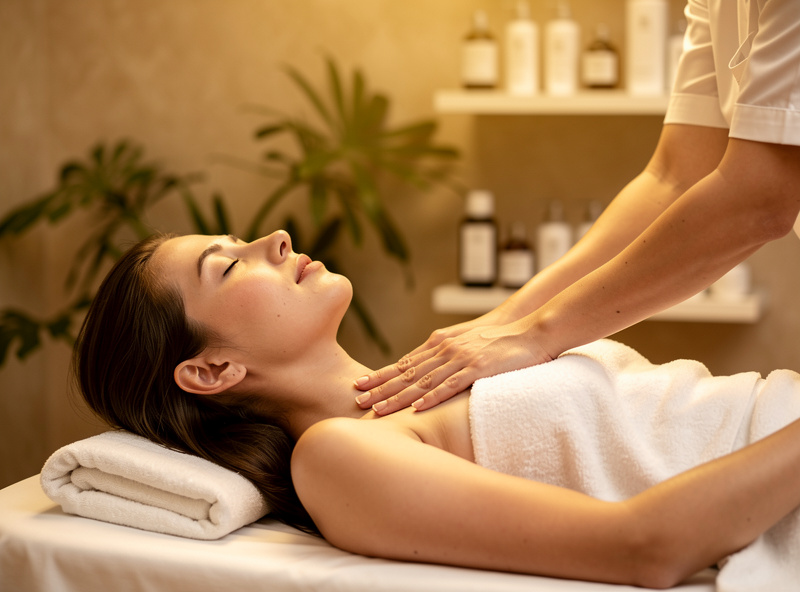
Lymph flow slows in a few familiar situations — long hours sitting, dehydration, chronic inflammation, and after surgery that disrupts lymph nodes (which is what causes lymphedema). Notice the theme: the biggest lever in most of these is simply moving more and drinking enough. A sauna can sit alongside those, but it can’t substitute for them.
The Honest Role Heat Plays
Heat does two real, modest things for lymph. First, it widens your blood vessels and the lymphatic vessels that run alongside them, so flow capacity goes up while you’re warm — sauna bathing’s effect on skin blood flow is well documented (“Sauna bather’s circulation,” Clin Physiol) — and that’s the genuine basis for the post-session “lighter” feeling. Second, the warmth and a comfortable session tend to leave you breathing a little deeper and more relaxed afterward, and that deeper breathing gently works the diaphragm, which helps drive central lymph return. Both effects are real and both are temporary. I’d describe the whole thing as “a warm assist,” not a drainage machine — and I’d be suspicious of any source quoting you a precise percentage of “extra lymph moved,” because the honest answer is “some, and it varies.”
Who Gets Something Out of It — and Who Should Be Careful
The people who find a warm session genuinely helpful for this tend to be: folks who sit all day and want anything that nudges sluggish circulation, people managing chronic inflammation who find heat soothing, and those in recovery who’ve been cleared to use it. In every one of those cases it’s a supportive comfort layer on top of the real movers — walking, hydration, and any prescribed therapy.
And the cautions, which matter more here than the benefits:
- Active infection — skip it; heat and accelerated flow are not what you want while fighting something off.
- Active cancer treatment — oncologist’s call, full stop (more in the cancer guide).
- Diagnosed lymphedema — work through it with a certified lymphedema therapist before any heat. It helps some people and worsens others, and only a trained professional can tell which you are.
A Gentle Routine
For lymph support, gentle and frequent beats hot and long — there’s nothing to be gained from a punishing session here. A rough shape, not a prescription:
| Element | Suggestion | Note |
|---|---|---|
| Frequency | A few sessions a week | More often is fine if it feels good |
| Duration | ~25–30 min | No need to push longer |
| Setting | ~120–130°F | Comfortable, not extreme |
| Before | A few minutes of dry brushing | Pleasant skin/circulation primer |
| After | 15–20 min light movement | This is where the real work happens |
| Hydration | Water with electrolytes | Before and after |
If you take one thing from this: the post-session walk does more for your lymph than the session did. Heat warms things up; movement actually pumps.
Dry Brushing Before a Session
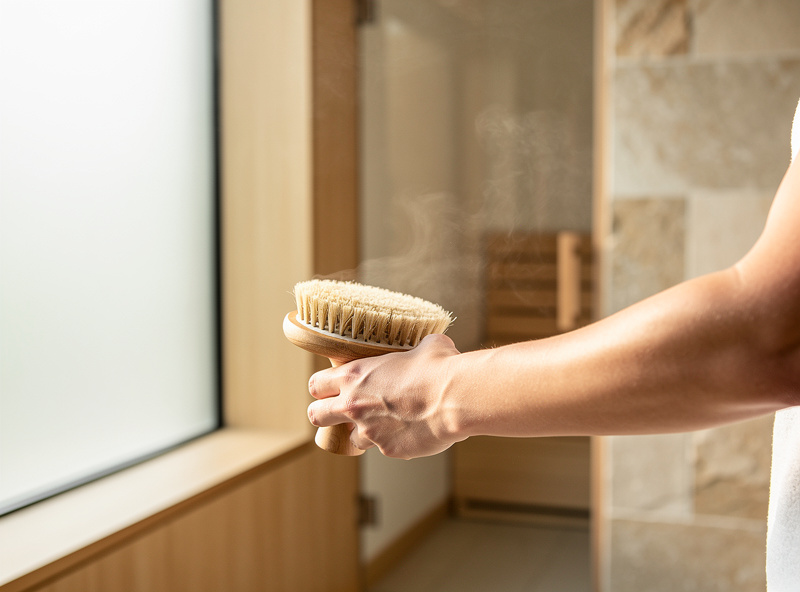
Dry brushing for a few minutes before a session is a pleasant, harmless ritual that stimulates surface circulation and feels good — I won’t oversell it as a detox act, but as a primer and a wake-up for the skin it’s genuinely nice. The technique is simple: use a natural-bristle dry brush on dry skin, always brushing toward the heart — up from the feet, in toward the shoulders — with light pressure until the skin is just faintly pink, not red. (Affiliate link — I may earn a small commission at no cost to you; I only point to gear I’d actually use.) Skip any broken skin, sunburn, or breakouts, and keep it to five minutes or so. That’s the whole practice.
Movement and Compression Afterward
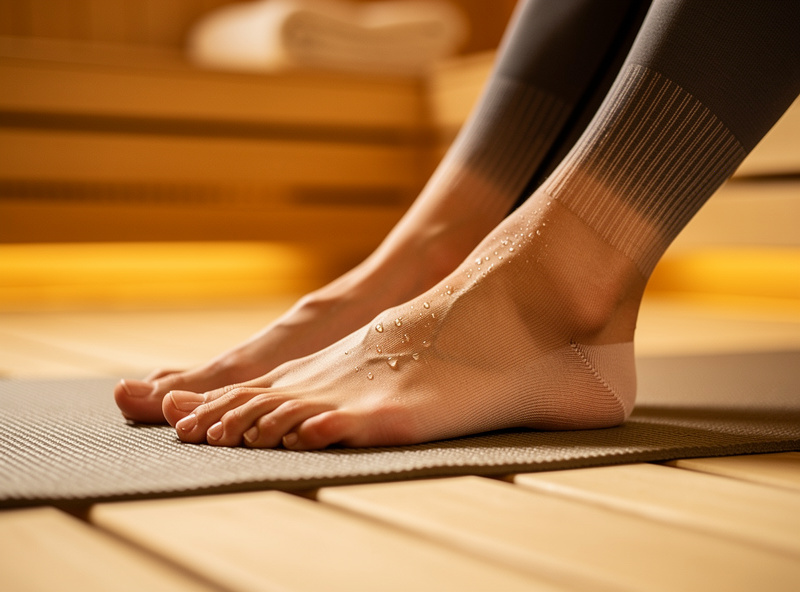
The half-hour after a session is where the actual drainage happens, because that’s when you move. Three easy things help:
- A gentle walk (15–20 minutes). Your calf muscles are the main lymph pump in your legs, and walking works them. Outside is even better — you breathe deeper.
- Legs up the wall (5–10 minutes). Lying with your legs elevated lets gravity help drain the lower body. It also just feels lovely after heat.
- Graduated compression socks. If you’re heading back to a desk, a pair of 15–20 mmHg compression socks for an hour or two helps hold the gains while you’re sedentary.
Give yourself a cool-down before any hot shower or a second session — the body uses that window to settle.
For Real Lymphedema, See a Therapist
If you have diagnosed lymphedema or significant lymphatic dysfunction, the genuine standard of care is manual lymphatic drainage from a certified lymphedema therapist, alongside compression as prescribed. A sauna can complement that — some therapists are fine with a gentle warm session before an appointment to loosen things up — but it does not replace it, and you should never freelance heat into a lymphedema plan. Find a certified therapist through a professional lymphology association or a physician referral; insurance often covers the therapy when it’s prescribed. This is the firmest line on the page: for a real lymphatic condition, the trained hands do the work, and the sauna is at most a warm, optional extra they’ve signed off on.
Hydration
Lymph is mostly water, so being well hydrated genuinely helps it flow, and being dehydrated genuinely slows it. Keep it simple — drink generously on session days, add some electrolytes (a pinch of unrefined salt in your water does it), and go easy on alcohol, which is a diuretic that works against you. You don’t need a supplement stack for your lymph; you need water, salt, and a walk. Pair sessions with the basics in the safety guide, and if you feel “off” for more than a few hours after a session, that’s usually a sign to ease back, not to push through.
The equipment reality: a far-infrared cabin raises skin temperature and increases blood flow at the skin surface — I measure this directly with my thermal camera. Whether that surface-level circulation change meaningfully drives lymphatic flow is a research question, not a marketing claim. The physics of heat is mine to own; the lymphatic physiology is attributed.
Frequently Asked Questions
Does an infrared sauna help with lymphatic drainage?
A little, and honestly it is modest. Heat widens blood and lymphatic vessels so flow capacity rises while you are warm, and a relaxed session leaves you breathing deeper, which gently aids central lymph return. It is a warm assist on top of the real movers — movement and hydration — not a drainage machine or a detox cleanse.
How often should I use a sauna for lymph support?
Gentle and frequent beats hot and long — a few comfortable sessions a week, around 25 to 30 minutes at a moderate temperature, is plenty. Pair each with a few minutes of dry brushing before and, more importantly, a gentle walk afterward, which does more for your lymph than the heat does.
Should I dry brush before or after a sauna?
Before. A few minutes of dry brushing on dry skin, always toward the heart with light pressure, is a pleasant primer for circulation before the heat. Doing it afterward just risks irritating already-stimulated skin. Keep the pressure light — faintly pink, never red — and avoid any broken skin.
Can a sauna replace manual lymphatic drainage massage?
No. For diagnosed lymphedema, certified manual lymphatic drainage and prescribed compression are the standard of care, and a sauna does not replace them. At most, with your therapist’s approval, a gentle warm session beforehand can loosen things up. Never add heat to a lymphedema plan on your own.
Is a sauna safe if I have lymphedema?
Only with a certified lymphedema therapist or physician guiding it. Heat helps some people and worsens others, and the difference is not something to guess at. If you are cleared, start very short and cool and increase only if symptoms genuinely improve.
Do compression socks help after a sauna session?
They can, especially if you are heading back to sitting at a desk. Graduated 15-20 mmHg compression socks worn for an hour or two help maintain circulation while you are sedentary. They are a simple, low-cost add-on, not a treatment in themselves.
What is the best sauna for lymph support?
Honestly, any decent infrared sauna provides the modest warm assist involved — this is not a spec-sensitive use. Pick based on what fits your life: a home cabin for daily access, or a sauna blanket for apartments and travel. The walk afterward matters far more than the cabin you chose.
Related Articles
- Infrared Sauna Detox: What the Science Shows — the honest detox hub
- Sweat Composition Science — what actually leaves through sweat
- Red Light Sauna Hub — heat plus light therapy
- Best Home Infrared Saunas 2026 — daily-use cabin selection
- Infrared Sauna Safety Guide — session safety and contraindications