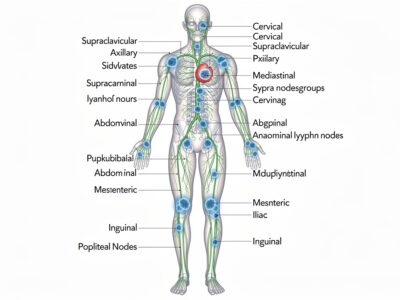
Can an infrared sauna “detox” heavy metals? Honestly — barely, and not the way the protocol-sellers promise. Sweat is a minor excretion route (Genuis et al., Arch Environ Contam Toxicol 2011); your liver and kidneys do the real work (NIDDK). Research has measured trace metals in sweat, but whether that meaningfully lowers your total body burden is far from settled. Here’s what the evidence actually supports, what it doesn’t, and where a sauna genuinely earns its place.
I’ve run an infrared cabin through a lot of Swedish winters, and the “heavy metal detox protocol” is the one corner of sauna culture that makes me wince. I’ve metered my panels, logged my sessions, and weighed myself before and after to see what I actually sweat off — and none of that turned me into a believer in the 50-session, supplement-stacked “chelation” routines you’ll find sold online. So this isn’t a protocol I’m pitching. It’s the honest version, written by someone who loves the gear and distrusts the marketing in equal measure. For the wider picture, see the infrared sauna detox hub; for what’s actually in the sweat itself, the sweat composition breakdown.
As an Amazon Associate I earn from qualifying purchases.
What Actually Leaves Your Body When You Sweat
Start with the mechanism, honestly. Heat opens the blood vessels near your skin — vasodilation — and skin blood flow climbs several-fold during a hot session. Some metals that sit in superficial tissue do get mobilized, and sweat does carry detectable traces of lead, cadmium, arsenic, and others. That part is real and measured.
The honest caveat is the one the protocol-sellers skip: sweat is a minor excretion route. Your body clears metals overwhelmingly through urine and stool, run by the liver and kidneys, and the fraction that leaves through sweat is small. Stephen Genuis and colleagues published a 2011 blood/urine/sweat study finding measurable heavy metals in sweat — often at concentrations higher than in blood for certain elements — which is genuinely interesting. But “detectable in sweat” is not the same claim as “a sauna will meaningfully lower your body burden,” and the second claim is where the evidence gets thin and the marketing gets loud.
You’ll also see heat-shock proteins (HSP70) and glutathione invoked as the cellular machinery behind “detox.” Heat stress does upregulate both, and both matter for how cells handle oxidative load — that’s studied, not invented. What’s not established is the leap from “heat nudges these pathways” to “therefore your sauna is pulling metals out of bone and fat at a clinically useful rate.” I treat that leap as marketing until a trial says otherwise. And the practical takeaway from years of metering my own sessions is blunt: more heat does not equal more detox. Cooking yourself at 150°F doesn’t multiply an already-minor pathway — it just raises your risk of dehydration.
Who Actually Has a Heavy-Metal Problem — and Why It’s a Doctor’s Job
There are people with genuinely elevated heavy-metal exposure. The difference is that for them, this is a medical issue, not a wellness ritual — and the answer is an occupational-medicine physician with real testing and, if warranted, real chelation. Not a home cabin.
- Welders and metalworkers: inhaled fume is a real occupational exposure with established workplace monitoring — handled through occupational health, not a sweat schedule.
- Auto, battery, and brake-work trades: lead and cadmium exposure that belongs in a medical surveillance program.
- Painters and renovation crews in older housing: lead paint dust is a documented hazard with its own safety protocols.
- Heavy consumers of large predatory fish: mercury accumulation that a doctor can test for and a diet change can address.
- People with mercury amalgam concerns: a conversation for a dentist and physician, not a comment section.
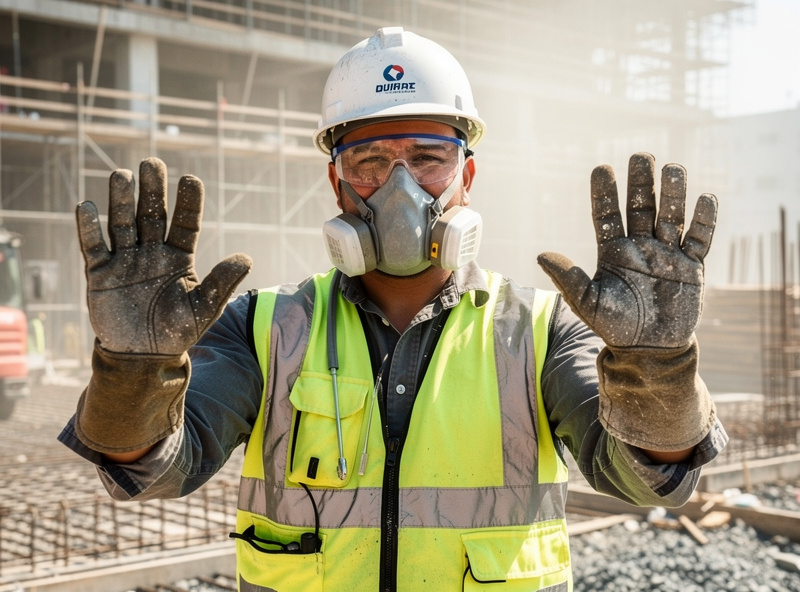
If you actually fit one of these profiles, please read the next line as the whole point of this article: a sauna is not your intervention. Get tested and treated by someone qualified to do it. If you don’t fit any of them, your body burden is most likely modest, and you’re choosing between a pleasant warm habit and an over-engineered “protocol” built to sell supplements.
The Tests — and Their Limits
If you go looking, you’ll find a menu of heavy-metal tests. It’s worth understanding what each one actually measures before anyone talks you into a “before and after.”
| Test | What it measures | Rough cost | The catch |
|---|---|---|---|
| Hair tissue mineral analysis (HTMA) | ~3-month exposure window | $80–$150 | Cheap and popular, but not a diagnostic tool; mainstream medicine treats it with real skepticism. |
| Blood heavy-metals panel | Recent/acute exposure | $120–$250 | The standard for current exposure — but a narrow time window. |
| Urine porphyrins | Cellular stress markers | $250–$400 | Indirect; interpreted by a specialist, not a spreadsheet. |
| Provoked (“challenge”) urine | Body burden after a chelator dose | $300–$500+ | Controversial and physician-only; the provocation itself skews the number. |
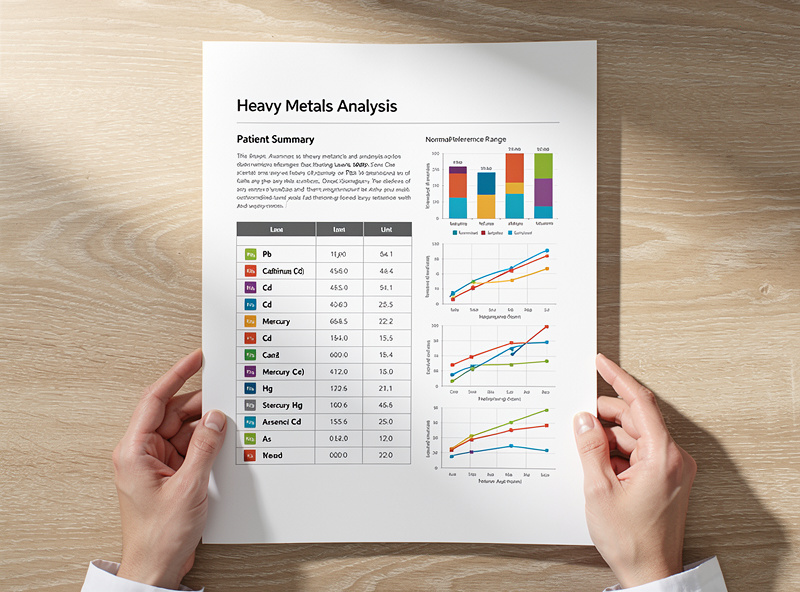
The thing to notice: the test most often pushed for “detox” tracking — HTMA — is the one mainstream toxicologists trust least, precisely because it’s the easiest to dramatize a “result” from. None of these are self-diagnosis tools. If a number genuinely worries you, that’s a reason to see a physician, not a reason to buy a 12-week kit.
A Sensible Session Schedule — Comfort, Not Chelation
Here’s where my actual expertise lives, so here’s the honest version of a “schedule.” This is not a chelation protocol. It’s how I’d ramp anyone into a regular sauna habit so they build heat tolerance without overcooking themselves — the same ramp I give a friend who just wants the warmth and the recovery, with no detox math attached.
| Phase | Weeks | Sessions/week | Duration | Set temp |
|---|---|---|---|---|
| Get acclimated | 1–2 | 3 | 15–20 min | 120–130°F |
| Settle in | 3–6 | 3–4 | 20–30 min | 125–135°F |
| Steady habit | 7+ | 3–4 | 25–35 min | 130–140°F |
Notice I capped it lower and shorter than the aggressive “peak protocol” tables floating around. In my own session log, the sweet spot for feeling good afterward — not wrung out — sits around 130°F for half an hour, three or four times a week. The first winter I ran mine I chased higher temps thinking “more is better,” came out lightheaded more than once, and learned the lesson the boring way: comfort and consistency beat intensity every time. If you want a structured day-by-day version, the 30-day sauna schedule lays one out — read it as a habit-builder, not a medical course.
Hydration and Electrolytes — the Part That’s Actually Real
This is the genuinely useful, non-medical side of long sauna sessions, and it’s where most “detox reactions” actually come from. Sweat takes water plus sodium, potassium, magnesium, and chloride with it — losing a pound or two of fluid in a session is normal. I know my own number because I weigh in before and after and check it against the kill-a-watt’s session time; for me a 30-minute session at 130°F runs close to a pound of sweat. Replace it, or you’ll feel rough and blame “toxins.”
- Before: a glass or two of water with a pinch of salt and some lemon, or any electrolyte drink, 30–60 minutes ahead.
- During: sip room-temperature water throughout — don’t gut it out dry.
- After: rehydrate with electrolytes within the half hour, plus a normal snack with some salt and protein.
Nine times out of ten, a post-session headache or wave of fatigue is dehydration, not detox. Fix the water and salt first. Pair any longer session with the basics in the infrared sauna safety guide.
The Supplement Stack — Why I Skip It
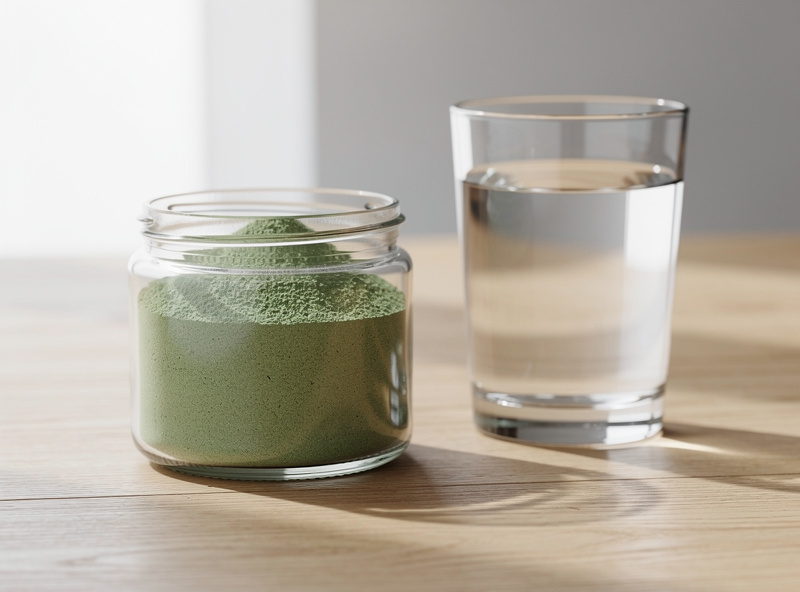
Every “heavy metal detox” pitch eventually tries to sell you a shelf: chlorella, activated charcoal, modified citrus pectin, and — alarmingly often — even prescription chelators dressed up as a wellness add-on. I don’t push any of it, and I’d be wary of anyone who does from behind a sauna affiliate link.
Binders and chelation are medical territory. Real chelating agents are prescription drugs with real risks — they don’t politely escort only the “bad” metals out; they can strip essential minerals and stress the kidneys, which is exactly why they belong under a physician’s supervision and never as a DIY add-on to a sweat schedule. The over-the-counter binders are gentler but the evidence that they meaningfully change your body burden alongside a home sauna is weak. If you genuinely need this, it’s a doctor’s call. My honest position: get the sauna habit for the sauna’s own merits, and leave the supplement stack on the shelf.
When to Back Off
Most people who sauna sensibly never run into trouble. But heat is a real physiological load, so respect these signals:
- Fatigue that lingers a full day: you’re doing too much, too hot. Cut frequency and duration.
- Headache that survives proper rehydration: shorten sessions and step the temperature down for a week or two.
- Dizziness or feeling faint: get out, cool down, drink electrolytes — and don’t push through it next time.
- Palpitations or any irregular heartbeat: stop and talk to a physician, especially if you have a cardiac history.
- Pregnancy, heart conditions, or any prescription that affects heat tolerance: clear sauna use with your doctor first, full stop.
Where a Sauna Genuinely Earns Its Place
Strip the detox theater away and there’s still a lot to like. As a warm recovery ritual through a dark Nordic winter, a comfortable session is one of the better habits I keep — the warmth, the forced 30 minutes off my phone, the way it loosens up stiff shoulders. That’s an honest reason to own one. “It will chelate your bloodstream” is not.
If you are going to run a cabin daily, the variable I’d actually obsess over isn’t toxin output — it’s EMF off the heaters, because daily long exposure is when a noisy panel matters. I keep a TriField TF2 meter on a hook by my cabin and check new panels myself rather than trusting a “low-EMF” sticker. (That’s an affiliate link — buy through it and I may earn a small commission at no extra cost to you. I only point to gear I actually run and meter myself; details on my disclaimer page.) When you’re choosing a unit for daily use, that measured-EMF lens matters far more than any detox claim — the best home cabins ranking sorts options on exactly that. And if you want the broader, honestly-hedged picture of what the research does and doesn’t support, the benefits and research overview is the companion read.
On the equipment side: the sweat rate I produce in my far-infrared cabin at 130°F for 30 minutes is measurable on my session log — roughly 300-500ml. The concentration of heavy metals in that sweat, per published research, is trace-level. The cabin works as advertised for producing heat and sweat. What that sweat actually contains is a question for physiology, not for a sauna brand.
Frequently Asked Questions
Can an infrared sauna really detox heavy metals?
Only marginally. Research (Genuis and others) has measured trace metals in sweat, but sweat is a minor excretion route — your liver and kidneys handle the overwhelming majority. There is no solid evidence that a home sauna meaningfully lowers total body burden, and it is not a substitute for medical care if you have a genuine exposure problem.
How often should I use a sauna if I am worried about heavy metals?
There is no proven detox frequency, so use the sauna for comfort and recovery instead: ramp from about 3 sessions a week at 120-130F for 15-20 minutes up to 25-35 minute sessions at 130-140F as your tolerance builds. If you have a real exposure concern, see an occupational-medicine physician rather than relying on a schedule.
Should I take chlorella, charcoal, or other binders with sauna sessions?
I do not recommend it. Over-the-counter binders have weak evidence for changing body burden alongside a home sauna, and prescription chelators are genuine drugs with real risks that belong under a physician’s supervision — never as a DIY add-on to a sweat routine. If you think you need chelation, that is a medical decision.
Is HTMA a reliable way to track heavy metal detox?
Hair tissue mineral analysis is cheap and popular but not a diagnostic tool — mainstream toxicologists treat it with real skepticism, partly because it is easy to dramatize a result from. A blood panel ordered by a physician is the standard for recent exposure. Do not self-diagnose from an HTMA report.
Will I feel anything from sauna detox in the first few weeks?
You will feel the sauna — warmth, relaxation, better sleep for some people — but those are general sauna effects, not evidence of metal removal. If you feel headache, dizziness, or fatigue after a session, that is almost always dehydration and lost electrolytes, not a detox reaction. Fix hydration first.
Is sauna use safe if I have mercury amalgam fillings?
Normal sauna use does not meaningfully disturb stable amalgam fillings. If you have specific concerns about your fillings, that is a conversation for your dentist and physician, not something to manage with an aggressive sweat protocol. When in doubt, ask a professional before changing anything.
So what is an infrared sauna actually good for?
As a warm recovery ritual — relaxation, circulation, a consistent wind-down habit, especially through a long winter. Those are honest reasons to own one. Treating it as a chelation therapy for heavy metals is not supported by the evidence, and anyone selling it that way is usually selling supplements too.
Related Articles
- Infrared Sauna Detox: What the Science Actually Shows — the honest parent guide
- What’s Actually in Your Sweat — the composition data behind the claims
- Infrared Sauna Benefits & Research — what the evidence does and doesn’t support
- Best Home Infrared Saunas 2026 — chosen on measured EMF, not detox hype
- Infrared Sauna Safety Guide — session safety and contraindications