What kills sauna wood in a Nordic winter is not the cold — it is water that soaks into the wood, freezes, expands, and splits the fibre, repeated across dozens of freeze-thaw cycles a season. The woods that survive it are the naturally durable, dimensionally stable species — western red cedar, thermally modified softwoods, and well-sealed hemlock — and the failures are almost always about trapped moisture, not the wood choice itself.
My own daily cabin is Canadian hemlock and lives indoors, so I will be straight with you: I am reasoning from the material science, from outdoor wood I have worked with, and from the failures readers send me, not from a decade of running my own outdoor cabin through Swedish winters. That honesty matters here, because the wrong confident advice on an outdoor cabin costs someone a cracked panel. Here is what actually holds up.
Freeze-Thaw Is a Moisture Problem First
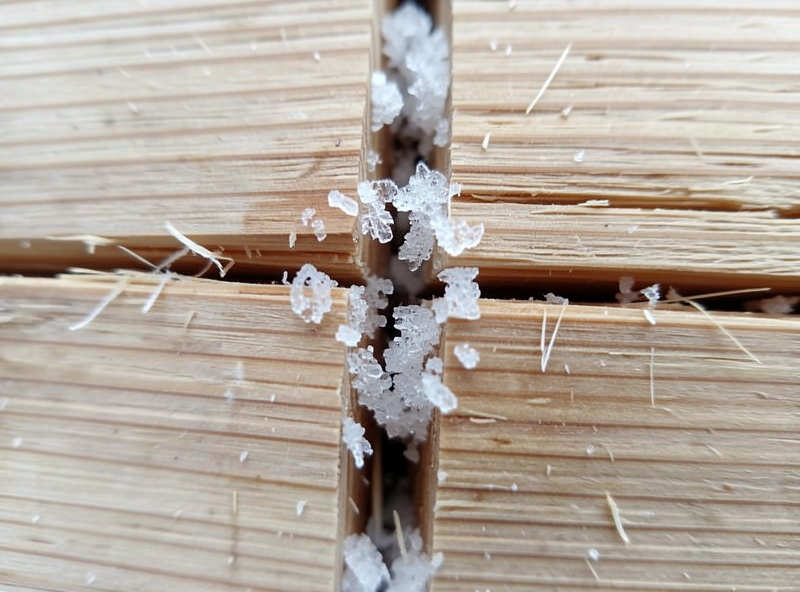
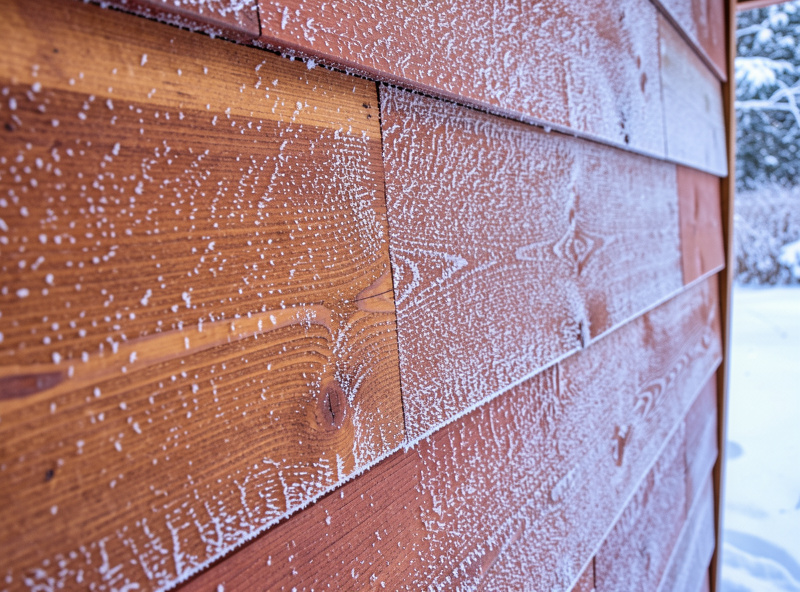
The mechanism is simple and unforgiving. Water expands by roughly 9% when it freezes, so any moisture that has wicked into the wood pushes outward as it turns to ice, opening tiny cracks. Thaw, and water gets deeper into those cracks; freeze again, and they widen. Over a winter of repeated cycles this is what checks the surface, splits boards, warps doors, and lifts finishes. The cold alone does nothing — dry wood at -20°C is perfectly happy. It is the water-then-freeze cycle that does the damage.
That reframes the whole question. You are not really choosing “the coldest-tolerant wood,” you are choosing wood that resists taking on water and stays dimensionally stable, and then keeping it sealed and able to dry. A naturally durable species that stays dry will outlast a premium wood that is left to soak.
Which Woods Actually Survive Outdoors
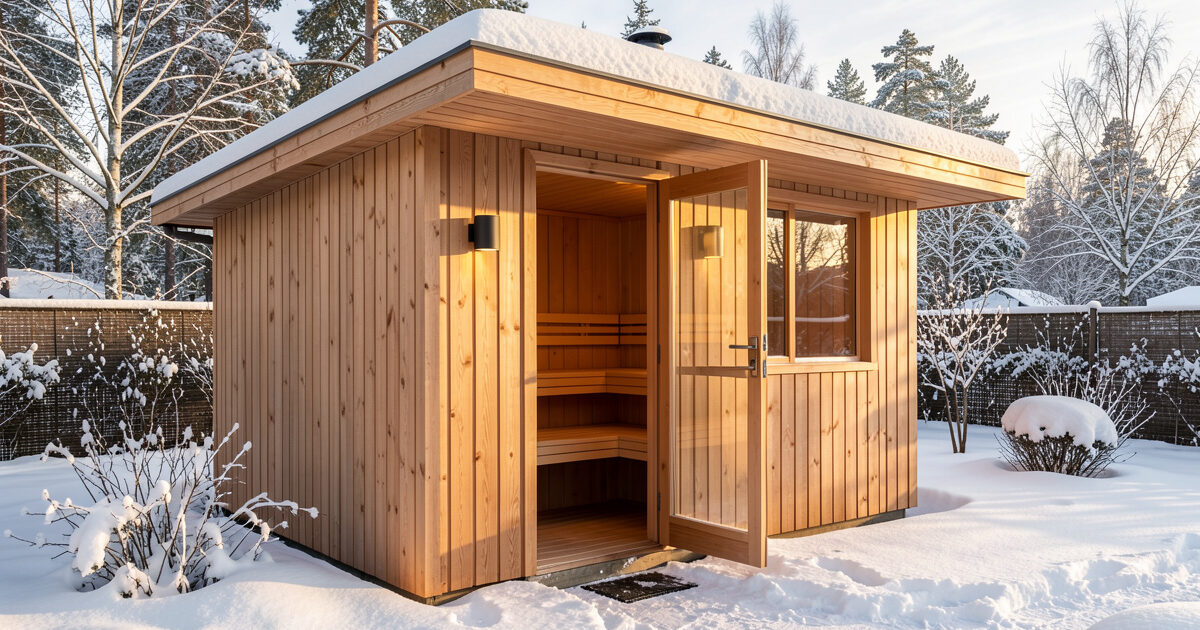
Here is how the common sauna woods rank for outdoor freeze-thaw durability. The interior of an infrared cabin is a gentler environment than the exterior, but for an outdoor unit the cladding and any exposed timber take the full weather load.
| Wood | Freeze-thaw durability | Why | Best use outdoors |
|---|---|---|---|
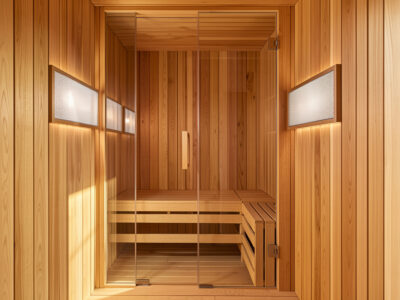
| Western red cedar | Excellent | Natural oils, low movement, rot-resistant | Exterior cladding and interior |
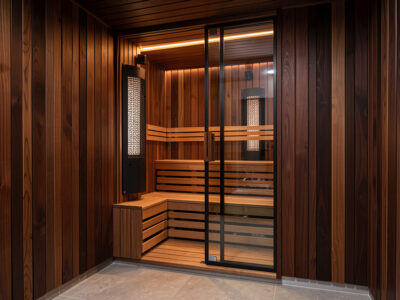
| Thermally modified softwood (thermowood) | Excellent | Heat treatment cuts moisture uptake and movement | Exterior cladding, decking |
| Canadian hemlock | Good, if sealed | Stable but less naturally rot-resistant | Interior; exterior only well-sealed |
| Nordic spruce | Moderate | Traditional but needs diligent sealing | Exterior with maintenance |
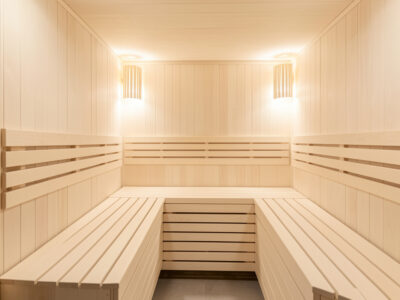
| Basswood / aspen | Interior only | Soft, low-allergen but not weather-durable | Interior benches, not exterior |
Cedar and thermally modified wood are the two I would build an outdoor cabin from, for the same reason: both resist taking on water and both move very little across wet-dry cycles. Thermowood is worth understanding on its own — the heat treatment permanently lowers how much moisture the wood absorbs, which is exactly the property freeze-thaw punishes. I cover it in thermally modified sauna wood, and the broader species rundown is in infrared sauna wood types and best wood for a DIY sauna.
The Real Failure: Trapped Moisture, Not the Species
Almost every winter wood failure I see traces back to water that could not escape. A door that no longer closes flush leaves a gap that wicks water in. A floor slat that stays damp because the cabin cannot dry between sessions rots from underneath. A finish that has cracked now channels water into the wood instead of shedding it. In every case the species is fine — the detailing failed.
So the durability job is half wood choice and half keeping the wood able to shed and release water: good drainage under and around the cabin, a roof overhang that keeps driving rain and meltwater off the walls, and enough airflow that the cabin dries out between uses. This is the same balance I stress in the windbreak and placement guide — shelter the cabin from wind, but never seal it into a dead-air corner where moisture lingers.
Interior Condensation Is Its Own Winter Trap
There is a second moisture source people forget: the sauna’s own humidity. Even an infrared cabin puts moisture into the air from sweat and breath, and in an outdoor unit that warm, damp interior air meets cold wall and glass surfaces and condenses. In winter that condensation can freeze overnight and thaw during the next session — a freeze-thaw cycle happening on the inside of the cabin, not just the outside. A cabin that is closed up wet after a session and left to freeze is quietly stressing its own interior wood.
The fix is the same discipline that protects the exterior: let it dry. I crack the door and run the passive vent open for a while after a session so the interior air exchanges and the surfaces dry before the cabin drops below freezing. Wiping down the bench and floor takes a minute and removes the standing moisture that would otherwise sit and freeze. This is where good ventilation earns its keep in winter — not for the heat, but for keeping the wood dry.
Sealing and Maintenance Through the Cycle
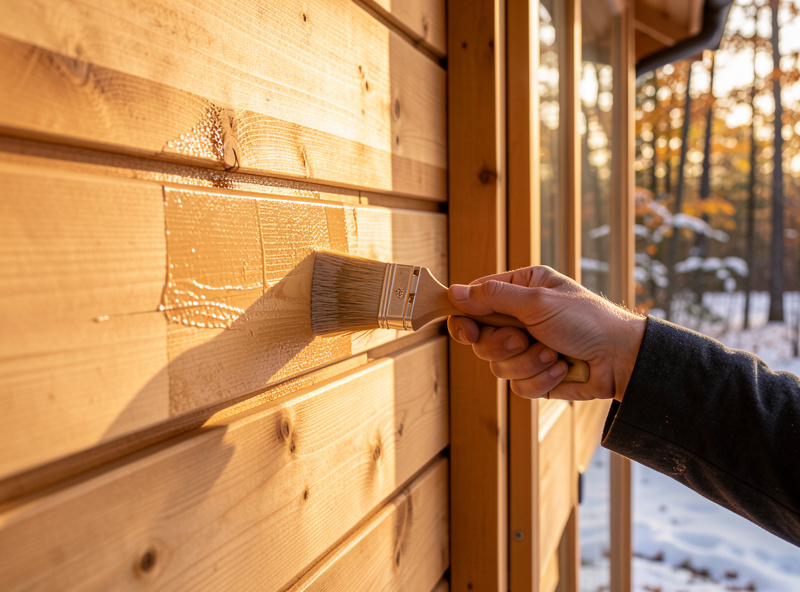
An outdoor cabin’s finish is not set-and-forget in a freeze-thaw climate. The exterior wants a breathable, water-shedding sealant that lets vapour out while keeping liquid water off — and it needs re-checking every year, ideally re-coating in autumn before the hard freezes arrive, so you go into winter with an intact water barrier. The interior is different: sauna interiors are traditionally left unsealed or treated only with sauna-safe oil so they can breathe and are not baking a finish onto skin-contact surfaces. My oiling and treating sauna wood guide splits the two, because using an exterior sealant on an interior bench is a mistake.
Watch the end grain especially — the cut ends of boards drink water far faster than the faces, and unsealed end grain is where checking and rot usually start. A dab of end-grain sealer at build time pays off for years. Get the wood choice, the drainage, and the autumn re-seal right and a cabin shrugs off a Nordic winter; skip them and even cedar will check and grey faster than it should. For everything the cold does to the heat side rather than the wood, see the cold-climate performance field guide. If you want a starting point for finish, a breathable exterior wood sealer is what the outside boards want. As an Amazon Associate I earn from qualifying purchases.
Related Guides
- Infrared Sauna Cold-Climate Performance: A Swedish Winter Field Guide
- Thermally Modified Sauna Wood
- Infrared Sauna Wood Types
- Does an Outdoor Infrared Sauna Get Hot Enough in Snow?
- Oiling and Treating Sauna Wood
Frequently Asked Questions
What sauna wood survives a cold winter outdoors best?
Western red cedar and thermally modified softwood (thermowood) are the two most freeze-thaw durable. Both resist taking on water and move very little across wet-dry cycles, which is exactly what a freeze-thaw climate punishes. Well-sealed hemlock works but is less naturally rot-resistant, and basswood or aspen are interior-only.
Does cold weather itself damage sauna wood?
No. Dry wood is perfectly stable even at -20C. The damage comes from water soaking into the wood, freezing, expanding about 9 percent, and splitting the fibre, repeated over dozens of freeze-thaw cycles a season. It is a moisture problem first, which is why sealing and drainage matter more than the cold rating.
Why did my outdoor sauna wood crack over winter?
Almost always trapped or absorbed moisture, not the species. A cracked finish, a door that no longer seals, unsealed end grain, or a cabin that cannot dry between sessions all let water in to freeze and split the wood. The fix is drainage, a roof overhang, airflow, and an intact autumn-applied sealant.
Should I seal the inside of an outdoor sauna too?
Treat the two sides differently. The exterior wants a breathable, water-shedding sealant re-checked each autumn. The interior is traditionally left unsealed or treated only with sauna-safe oil so it can breathe and is not baking a finish onto skin-contact surfaces. Never put exterior sealant on an interior bench.
How often should I re-seal an outdoor sauna in a freeze-thaw climate?
Check the exterior finish every year and re-coat as needed, ideally in autumn before the hard freezes so you enter winter with an intact water barrier. Pay special attention to end grain, the cut ends of boards absorb water fastest and are where checking and rot usually begin.