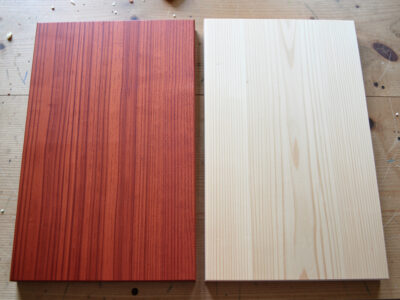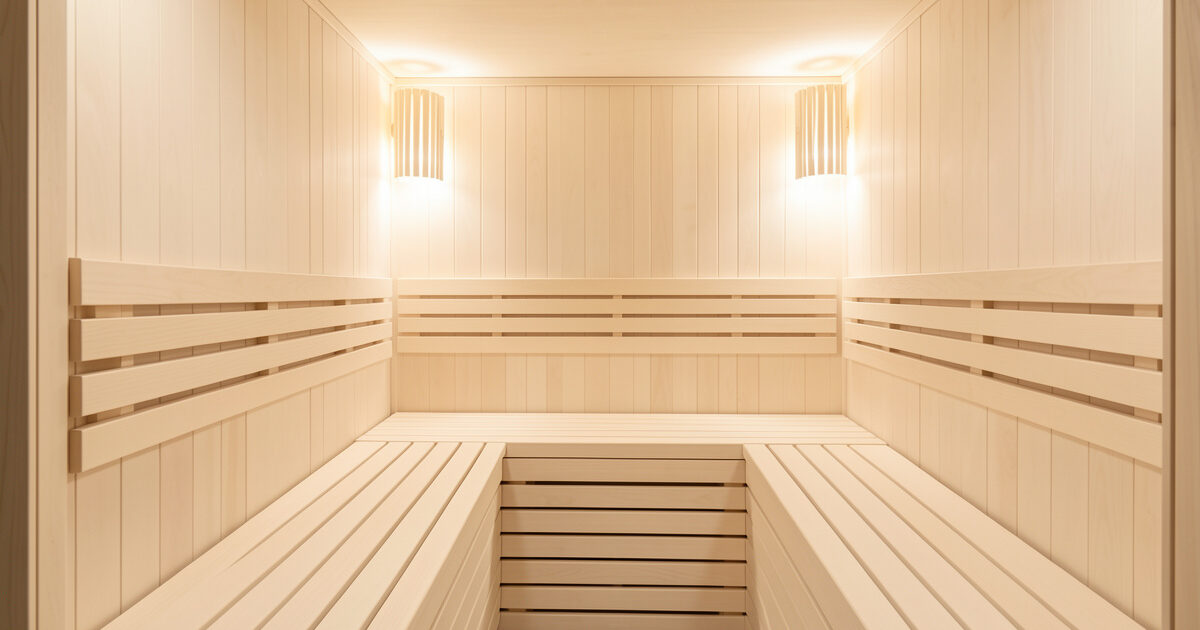
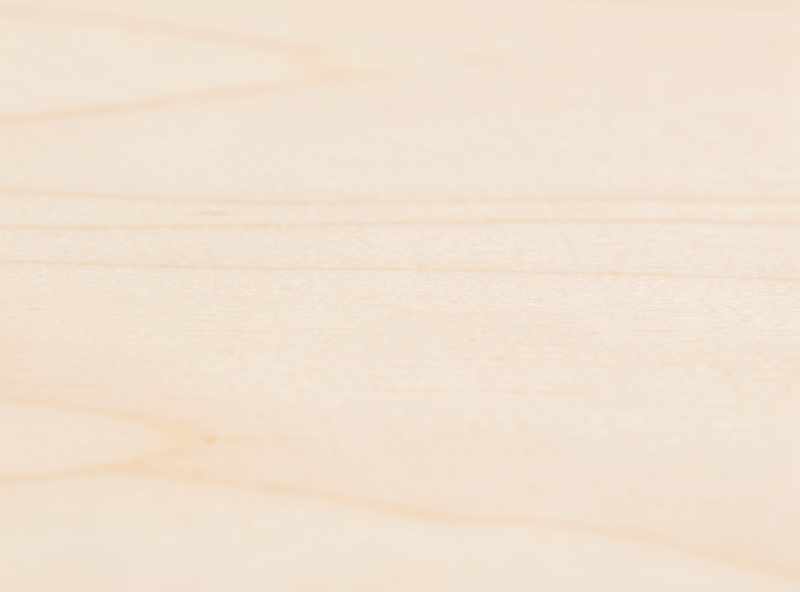
Basswood sauna properties come down to one defining trait: it is essentially odorless. That, plus a pale, very smooth, fine-grained surface, is why basswood is the wood of choice for anyone with allergies, asthma, or simple scent sensitivity. It is a soft hardwood — lighter and a touch softer than hemlock — with low resin content, almost no aroma, and a clean look that lets the cabin disappear into the background instead of announcing itself with cedar’s scent.
I keep a basswood single-panel cabin alongside my main hemlock unit precisely because of that neutrality, and after living with both I have a clear sense of what basswood does well and where it asks a little more of the build quality. This is the full properties breakdown: grain, hardness, scent, stability, and who should actually choose it.
What Basswood Actually Is
Basswood (genus Tilia, the same family as European lime/linden) is a pale, lightweight hardwood that woodcarvers love because it is soft, even-grained, and free of strong figure or knots. Those same traits make it excellent sauna interior wood: it mills into smooth, uniform panels with no resin pockets to weep at temperature and no aroma to compete with the session. Despite being classed as a hardwood, it is softer than many softwoods — which is a feature for surface smoothness and a minor caution for dent resistance.
In a sauna context, “hypoallergenic” is the word that follows basswood everywhere, and it is fair as a material description: with no aromatic oils and almost no scent, there is very little for a sensitive person to react to. I treat that as a material property, not a medical promise — the point is simply that basswood gives a sensitive user the fewest things to react to of any common sauna wood.
The Properties That Matter in a Cabin
| Property | Basswood | Why it matters in infrared |
|---|---|---|
| Aroma | Near odorless | No scent to build up in a low-heat box |
| Color | Pale cream to light blond | Clean, neutral look; shows marks more |
| Hardness | Soft (low Janka) | Very smooth feel; dents a little easier |
| Resin / pitch | Very low | No tacky weeping at panel temperatures |
| Grain | Fine, even, knot-light | Splinter-free bench surface |
| Dimensional stability | Moderate | Needs good joinery to stay tight |
| Weight | Light | Easier panels in DIY builds |
The pattern here: basswood trades a little hardness and stability for the smoothest, most neutral interior you can buy. In a low-contact infrared cabin where you sit on a towel rather than scrub the wood, that trade is usually worth it.
Scent: The Whole Reason People Choose It
The single best argument for basswood is what it does not do. In an infrared cabin running near 55°C, cedar’s oils release slowly and the scent lingers because there is no steam cycle to flush it — a real problem for scent-sensitive users, as I cover in the cedar vs hemlock comparison. Basswood sidesteps that entirely. There is no aroma to build up, no oils to volatilize, nothing competing with a quiet session. If anyone in your household reacts to cedar or just dislikes a scented box, basswood is the answer, and it is the first wood I shortlist for a sensitive buyer.
Hardness and Surface: The Trade-Off
Basswood is soft, and that cuts both ways. On the plus side it feels wonderful — smooth, warm, splinter-free, with no hard grain ridges to press into your back. On the minus side it dents and marks more easily than hemlock, and pale wood shows those marks more visibly. In practice this matters far less than it sounds, because an infrared cabin is low-contact: you are sitting on a towel, not dragging gear across the benches. In years of use my basswood panel shows a few faint marks and nothing structural. If you run a busy household cabin and want maximum dent resistance, hemlock or a thermally modified wood is harder — but you give up some of basswood’s silky surface to get there.
Stability and Build Quality
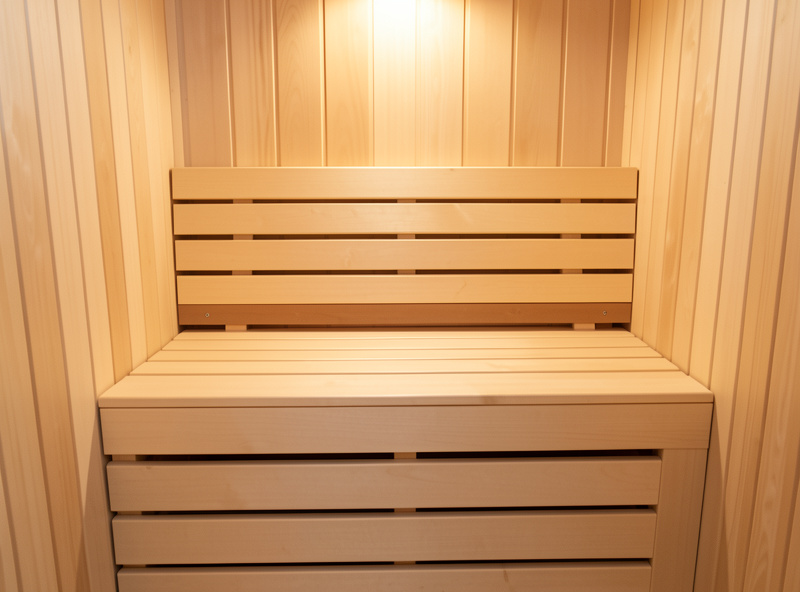
Basswood is moderately stable — not as bombproof as thermally modified wood, not as oil-rich as cedar — so the joinery around it matters more. In a well-built cabin with proper panel seams and a solid door frame, basswood holds up fine through the dry-heat-then-room-humidity cycling an indoor cabin sees. In a cheaply assembled one, basswood is more likely than a stiffer wood to show a seam opening over time. The lesson is not “avoid basswood,” it is “buy basswood from a builder who did the joints right.” This is the same reason ventilation and a dry-out routine protect any cabin’s wood, which I cover in the ventilation guide.
Price and Where It Sits
Basswood usually costs a bit more than hemlock and less than premium cedar or thermally modified wood — call it mid-to-upper. You are paying for the neutral scent and smooth surface, not for better heat or lower EMF, which come from the heater and wiring regardless of species. If scent sensitivity is your driver, that premium over hemlock is money well spent. If it is not, hemlock gives you most of basswood’s neutrality for less. The full lineup and how basswood compares to the other three common species is in the infrared sauna wood types guide, and if you are considering the stable dark alternative, see the thermally modified wood guide.
Basswood vs Aspen and Poplar
Basswood is not the only pale, low-scent option, and on cheaper cabins you will meet its cousins. Aspen is the closest rival — pale, odorless, and slightly harder than basswood, which some Nordic builders prefer for benches that take more contact. If you find an aspen cabin, treat it as a near-equal to basswood with a touch more dent resistance. Poplar is the budget stand-in: also pale and low-scent, but more prone to color variation and surface marking, and generally a notch down in finish quality. The thing to avoid is a vague “natural wood” listing that names no species at all — that usually hides a low grade, the same red flag I flag in the buying-scams guide. If neutrality is your goal, basswood and aspen are the two names worth paying for; poplar is acceptable on a budget; unnamed “Nordic wood” is a question you should make the seller answer.
Who Should Choose Basswood
Choose basswood if anyone using the cabin is scent-sensitive, allergy-prone, or simply wants a fragrance-free session; if you prefer a clean, pale, modern interior over cedar’s red; and if you value a silky bench surface over maximum dent resistance. Skip it if you specifically want the cedar scent, or if you need the hardest, most stable interior for a heavy-use cabin — in which case look at thermally modified wood. For most sensitive buyers, though, basswood is the safest, most comfortable interior on the market, and it is the wood I recommend first when scent is the deciding factor.
As an Amazon Associate I earn from qualifying purchases. Keep basswood bare and unsealed like any sauna wood, and protect the soft surface with a bench towel each session — a simple sauna bench towel does more for a basswood cabin’s longevity than any treatment ever could.
Frequently Asked Questions
Why is basswood used in saunas?
Basswood is used because it is essentially odorless, pale, very smooth, and low in resin. That makes it the top choice for people with allergies or scent sensitivity who want a fragrance-free cabin, and it gives a splinter-free bench surface.
Is basswood good for an infrared sauna?
Yes, especially for scent-sensitive users. It carries no aroma to build up in a low-heat infrared box, has very low resin, and feels smooth. Its main trade-offs are moderate hardness and moderate stability, so build quality and a bench towel matter.
Is basswood hypoallergenic?
As a material, basswood is about as low-reactivity as sauna wood gets because it has no aromatic oils and almost no scent, so there is very little to react to. That is a material description, not a medical claim. Sensitive users still choose it for exactly this reason.
Is basswood durable enough for a sauna?
Yes, with the caveat that it is soft and moderately stable. It dents and marks more easily than hemlock and needs good joinery to stay tight over years of humidity cycling. In a low-contact infrared cabin with a bench towel, it holds up well.
Should basswood sauna wood be sealed or treated?
No. Like all sauna interior wood, basswood should stay bare so it can breathe. Sealing or oiling traps moisture and can make the surface tacky in the heat. Clean it with a soft brush and plain water only.