Mid-infrared is the sauna spectrum’s quiet middle child: roughly 1.4–3 µm, sitting between near and far. Here’s the part the brochures gloss over — almost no home sauna emits a clean, dedicated mid band. What gets sold as “mid-infrared” is usually the overlap zone where a hot ceramic element’s output tails into the upper-mid and lower-far ranges. Understanding that is the difference between buying a real spectrum feature and buying a label.
I distinguish these bands by hand across the heaters I’ve lived with — carbon panels, ceramic rods, and a near-infrared halogen emitter — and the mid band is the one I get asked about most because it’s the most mis-sold. This guide explains what mid-infrared actually is, what produces it, why a pure mid emitter is rare, and how to read a “full spectrum” claim that leans on the mid band.
Where Mid-Infrared Sits on the Spectrum
Using the CIE optical split the sauna industry borrows, near-infrared (IR-A) is 0.7–1.4 µm, mid-infrared (IR-B) is 1.4–3 µm, and far-infrared (IR-C) is 3 µm and longer. So mid is a fairly narrow window between the glowing-filament near band and the cool-panel far band. Worth flagging the competing ISO 20473 scheme, which calls 3–50 µm “mid” — which is why one brochure’s “mid-infrared” can be another’s “far.” When a spec sheet says mid, check which convention it’s using before you compare.
That definitional fuzziness is half the reason mid-infrared marketing is slippery. The band physics across all three is in my infrared sauna spectrum guide, and the near-versus-far framing that mid sits between is in near vs far infrared.
What Actually Produces the Mid Band
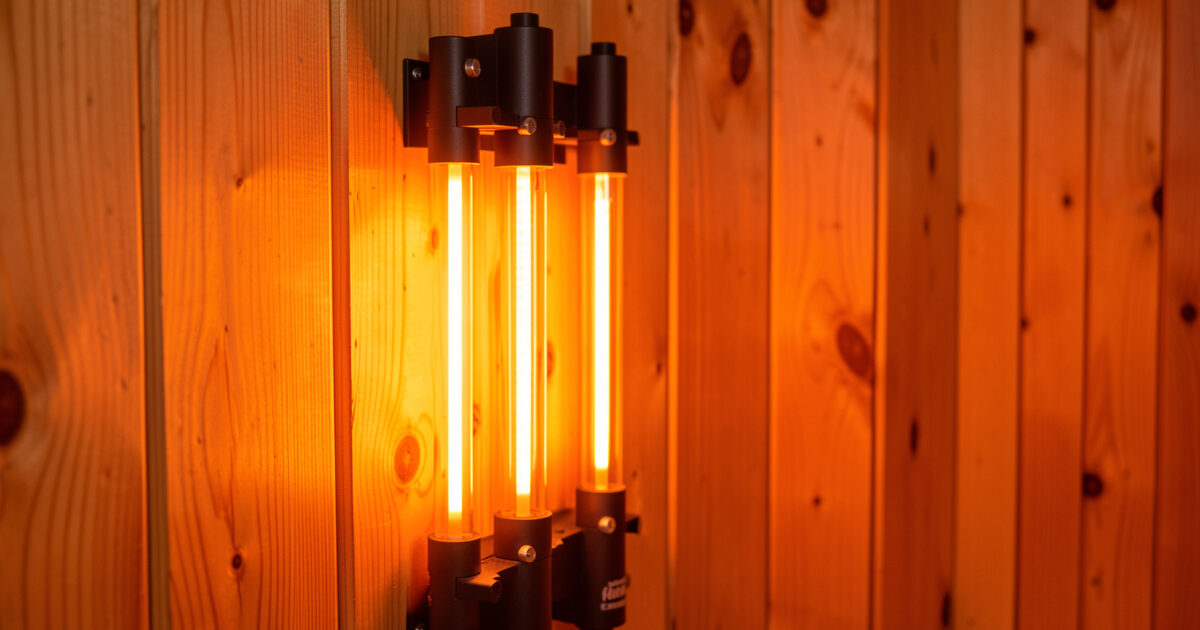
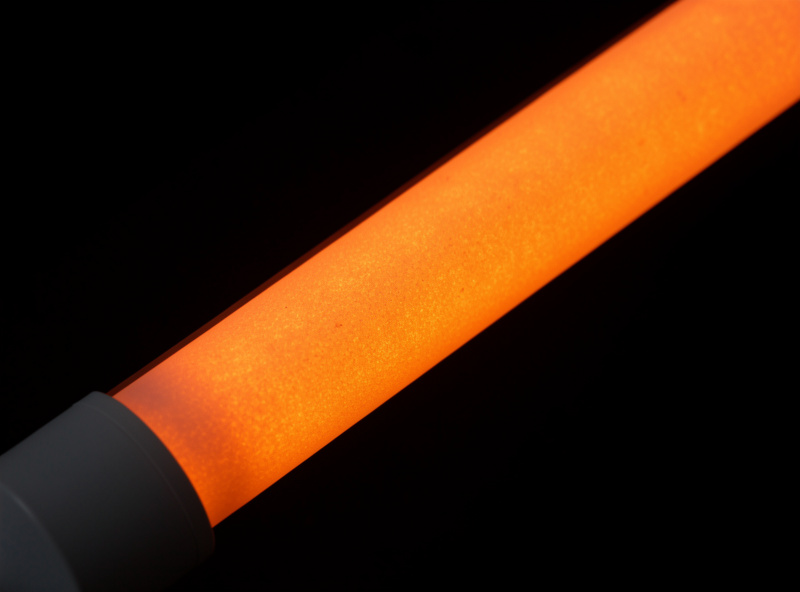
Wavelength follows surface temperature through Wien’s law (peak µm ≈ 2898 ÷ kelvin). To peak in the mid band at, say, 2 µm, an emitter would need to run near 1450 K (about 1175°C) — hotter than a ceramic rod but cooler than a glowing halogen filament. Very few sauna heaters are designed to sit exactly there. Instead, a ceramic element running 300–400°C peaks around 4–5 µm (lower far) but its emission is broadband, so the short-wavelength tail of that curve reaches up into the mid band. Likewise a near-infrared bulb’s output, as it warms or at its edges, spills down into the mid range.
So mid-infrared in a real cabin is almost always a byproduct — the overlap between what a ceramic far emitter and a near emitter throw off — not a dedicated output. That’s not deceptive in itself; every hot object emits a broad curve. It only becomes a problem when “mid-infrared” is marketed as a separate, deliberate feature it isn’t. The emitter hardware behind each band is detailed in near, mid and far infrared heaters.
Why a Pure Mid-Infrared Sauna Is Rare
Building a sauna that peaks cleanly in the mid band is awkward engineering. An emitter hot enough to peak at 2 µm runs at over 1000°C, which is hard to mount safely across a large radiating area inside a wooden cabin, draws hard, and would feel intense and pointed rather than gentle. The whole appeal of a far-infrared cabin is the cool, large, even panel; a mid-peaking emitter works against that. So manufacturers sensibly default to cool carbon/ceramic far panels for body heat and add a hot near emitter when they want the directional spotlight, leaving mid as the gap between.
The practical upshot: if a unit advertises “mid-infrared,” it’s almost certainly describing the ceramic tail or the near-emitter overlap, not a third dedicated emitter. The carbon-versus-ceramic distinction that drives this is in carbon vs ceramic infrared sauna.
How Mid-Infrared Behaves in a Session
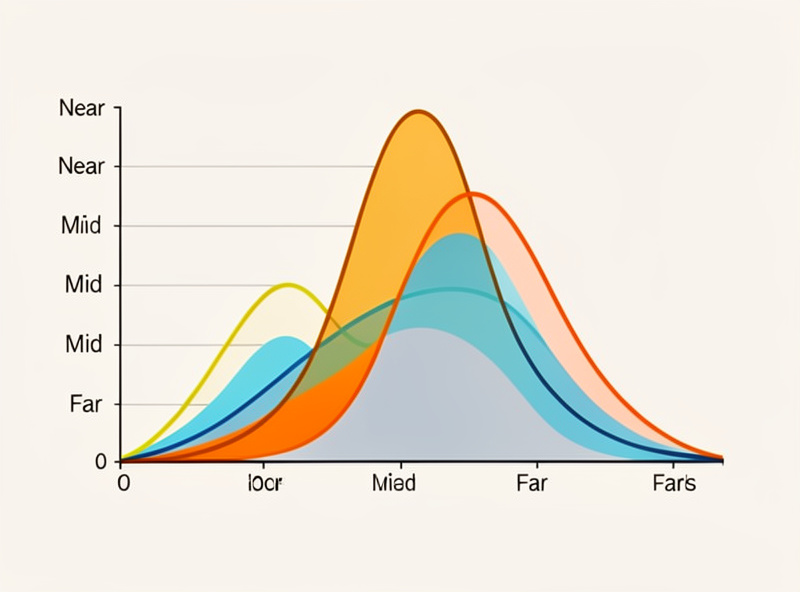
Because mid sits between the two extremes, its behavior is in-between too. It penetrates less deeply than near-infrared (which travels several millimeters in tissue’s low-absorption window) but more than far-infrared (absorbed in the first 0.1 mm of skin). In felt terms, the ceramic emitters that throw mid-band energy feel warmer and more pointed than a cool carbon panel at the same air temperature, and they ramp faster than carbon but slower than a near bulb. None of this is dramatic — mid is genuinely the middle of every property. The penetration physics is in the penetration depth guide.
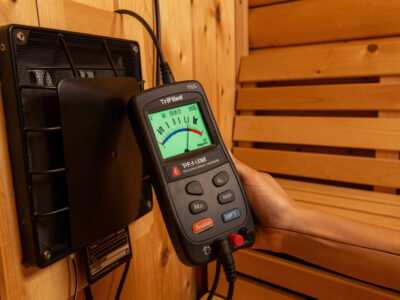
On my TriField TF2, ceramic elements read moderate — between the low numbers of large carbon panels and the higher readings right at a near-infrared tube — because they concentrate more current than a big carbon panel but less than a small glowing filament. As always, the number depends on wiring and distance, which is the whole point of measuring rather than guessing.
The One Place Mid-Infrared Genuinely Shows Up
If there’s a real-world cabin where the mid band is more than a rounding error, it’s a ceramic-heavy unit. Older and budget cabins often use ceramic rods as their main heaters rather than carbon panels, and because those rods run hotter, their broadband output carries more energy in the upper-mid and lower-far overlap than a cool carbon panel does. That’s why a ceramic cabin feels more pointed and intense — you’re getting a shorter average wavelength than a carbon cabin delivers at the same air temperature.
So in a sense, “more mid-infrared” is really “hotter, smaller emitters,” with all the trade-offs that implies: faster ramp, more felt intensity, more cold spots between rods, and moderate EMF where the current concentrates. I map those cold spots with a thermal camera, and ceramic-rod cabins always show a more uneven field than a full carbon wall. None of that is about the mid band being special — it’s the hardware that happens to produce it. The placement and cold-spot issue is covered in near, mid and far infrared heaters.
Reading a “Mid-Infrared” Claim
When a spec sheet touts mid-infrared, I ask three things. First, which standard defines their bands — CIE or ISO — because that alone can move “mid” by tens of micrometers. Second, what physically produces it: a dedicated emitter (rare) or the overlap of ceramic and near sources (typical). Third, whether the claim changes the buying decision at all, because in most cabins the meaningful choice is still far panels for body heat plus, optionally, a real near emitter. Mid usually rides along for free either way.
Treat mid-infrared as a property that emerges from good far and near hardware, not as a feature to pay extra for. Spend your attention on far-panel coverage and, if you want it, a genuinely powerful near emitter — the two bands you can actually choose. Whether that near emitter justifies a full-spectrum premium is covered in is full-spectrum worth it.
Frequently Asked Questions
What is mid-infrared in a sauna?
Mid-infrared is the 1.4 to 3 micrometer band in the CIE optical split, sitting between near and far infrared. In a sauna it is rarely a dedicated output and usually appears as the overlap between a hot ceramic element and a near-infrared emitter.
Can you buy a pure mid-infrared sauna?
Almost never. An emitter peaking in the mid band must run above 1000 Celsius, which is hard to mount safely across a large area and would feel intense rather than gentle. Manufacturers use cool far panels plus an optional near emitter, leaving mid as the gap between.
What produces mid-infrared in a cabin?
Broadband emission. A ceramic rod at 300 to 400 Celsius peaks around 4 to 5 micrometers but its short-wavelength tail reaches into mid, and a near-infrared bulb’s output spills down into mid at its edges. Mid is a byproduct of those two sources, not a separate emitter.
Does mid-infrared penetrate deeper than far-infrared?
Somewhat. Mid penetrates less than near-infrared, which travels several millimeters in tissue, but more than far-infrared, which is absorbed in the first 0.1 millimeter of skin. Mid is genuinely the middle of every property, including penetration depth.
Is a mid-infrared label worth paying extra for?
Usually not. In most cabins mid-infrared rides along free as the overlap of far and near sources. Spend your money on far-panel coverage and, if you want it, a genuinely powerful near emitter, since those are the bands you can actually choose.
Related Guides
- Infrared Sauna Spectrum Explained
- Near Infrared vs Far Infrared: The Real Difference
- Infrared Wavelength Penetration Depth
- Near, Mid and Far Infrared Heaters
- Carbon vs Ceramic Infrared Sauna
As an Amazon Associate I earn from qualifying purchases. To see where your own heaters peak, an infrared thermometer reads emitter surface temperature, which Wien’s law turns into a wavelength.