Journal & Research
Explore our complete library of evidence-based articles, protocols, and safety guides.
 Evidence: Moderate
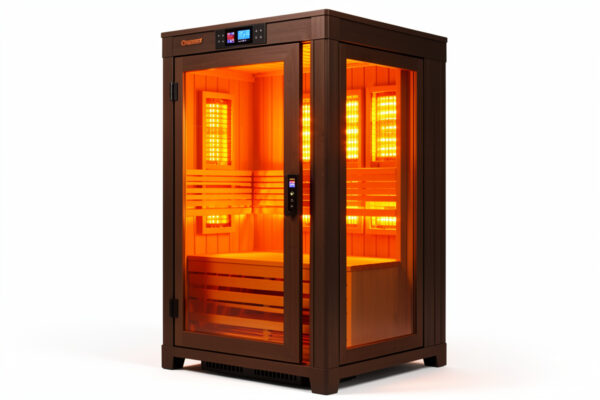
 How to Test Used Sauna Heaters Before You Buy
To test a used sauna heater, run the cabin at its highest set temperature and confirm every panel reaches a…
 Evidence: Moderate
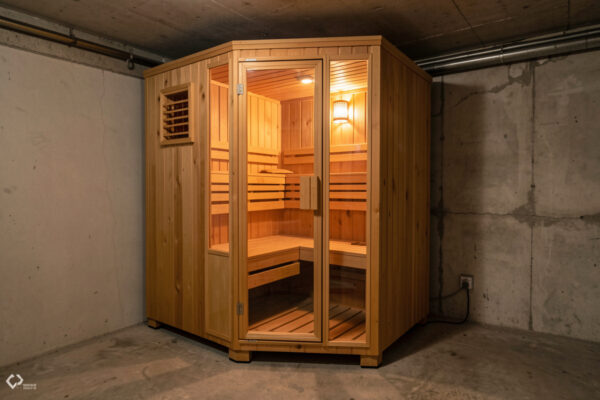
 Where to Buy Used Infrared Saunas: Channels Compared
The best place to buy a used infrared sauna depends on how much you value price versus recourse: local marketplace…
 Evidence: Moderate
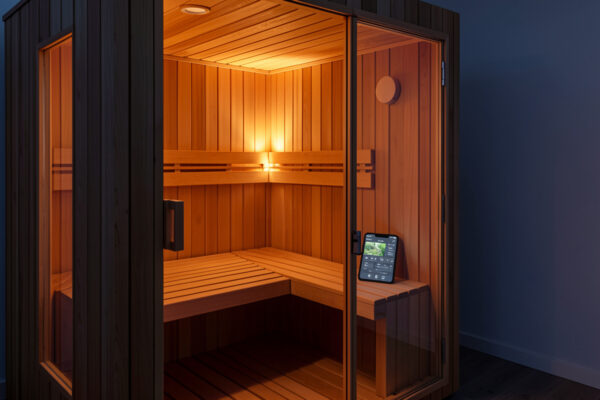
 Smart Infrared Sauna Controls: The Owner-Installer Guide
Smart infrared sauna controls are the layer that decides whether your cabin is hot when you walk in or whether…
 Evidence: Moderate
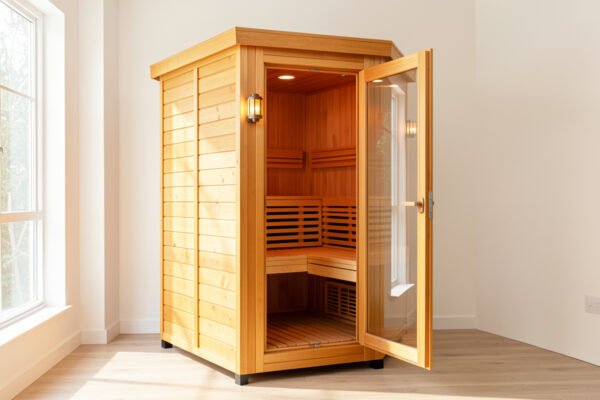
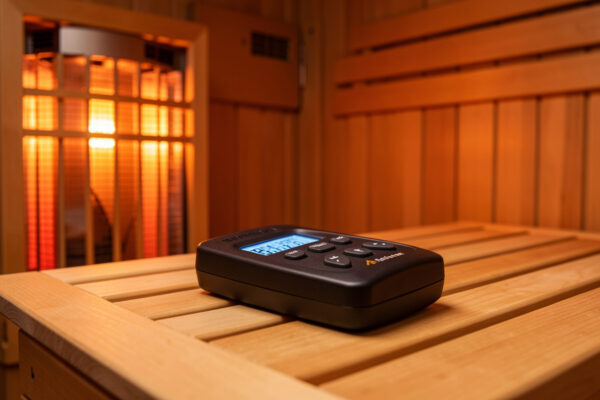
 Buying a Used Infrared Sauna: The Engineering-First Guide
A used infrared sauna can be the best value in this whole niche or an expensive box of dead panels,…
 Evidence: Moderate
 Checking EMF on a Used Infrared Sauna: The Meter Method
To check EMF on a used infrared sauna, run the cabin and read the magnetic field with a meter at…
 Evidence: Moderate
 Used Sauna Warranty Considerations: What Transfers
Most infrared sauna warranties are tied to the original purchaser and do not transfer to a second-hand buyer — assume…
 Evidence: Moderate
 Best Wood for a DIY Infrared Sauna: Hemlock, Basswood, Cedar Compared
The best wood for a DIY infrared sauna is Canadian hemlock or basswood: both stay cool to the touch, resist…
 Evidence: Moderate
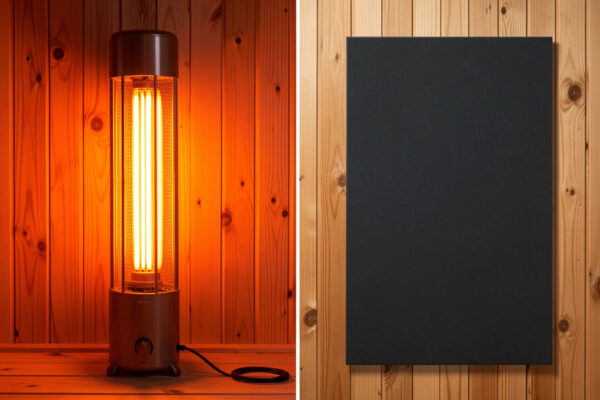
 Near Infrared vs Far Infrared: The Real Difference
The difference between near and far infrared comes down to one number: wavelength. Near-infrared runs about 0.7–1.4 µm and comes…
 Evidence: Moderate
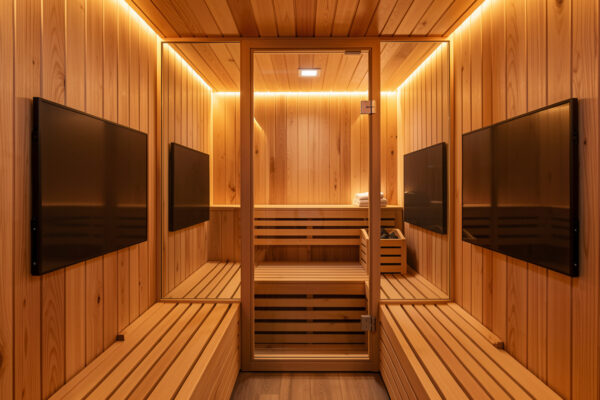
 Infrared Sauna Spectrum Explained: Near, Mid & Far Bands
Infrared sauna “spectrum” just means which infrared wavelengths a cabin actually emits, split into three engineering bands: near (roughly 0.7–1.4…
 Evidence: Moderate
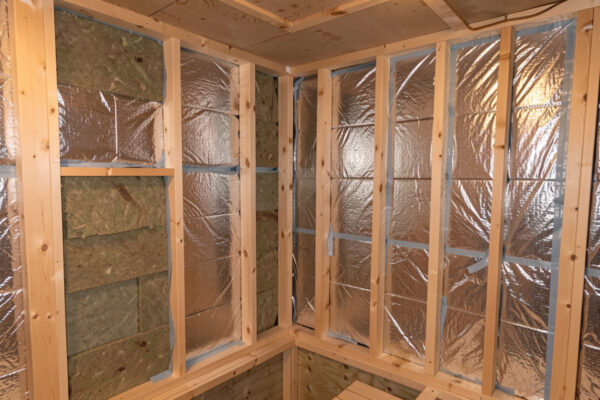
 Insulating a DIY Infrared Sauna: R-Value, Foil, and Vapor Control
Insulating a DIY infrared sauna means filling the stud bays with a heat-stable batt (mineral wool is ideal), then facing…