“EMF shielding” is one of those phrases that sounds like a feature and is usually a misunderstanding. People imagine a special material wrapped around the cabin that blocks the field like lead blocks X-rays. That’s not how the low-frequency fields in an infrared sauna actually work, and chasing aftermarket “shielding” is often money spent on the wrong fix. After years of metering my own cabins, here’s what shielding can and can’t do for each type of field, what genuinely reduces your readings, and why the best “shielding” is almost always good design and good habits rather than a product you bolt on.
First, what you’re trying to shield
You can’t talk about shielding without separating the three fields, because each responds completely differently to it:
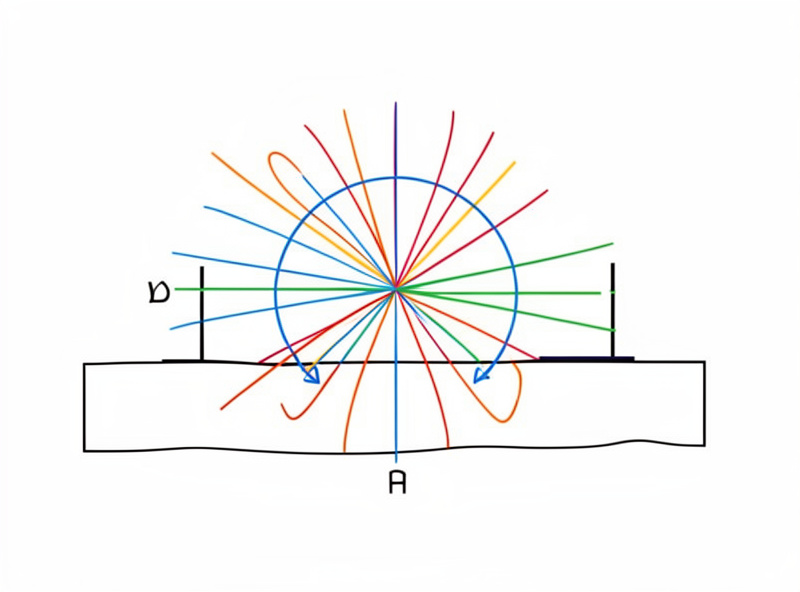
- Magnetic field (the low-frequency one from heater current): notoriously hard to shield. It passes through most common materials. You don’t block it — you reduce it at the source by routing the wiring so the fields cancel.
- Electric field (from voltage on conductors): genuinely shieldable, but the “shield” is grounding. A grounded conductive surface between you and the source diverts the electric field to earth. Proper chassis grounding is the real electric-field shield.
- RF (from the controller and your devices): can be reduced by conductive barriers and distance, but in a sauna the easier fix is removing the source — switch off the Bluetooth, leave the phone outside.
So “EMF shielding” isn’t one thing. The magnetic field is solved by wiring, the electric field by grounding, and RF by removing sources. A single bolt-on “shield” addresses none of those well. The full picture of where each field comes from is in the heater and EMF engineering guide.
Why magnetic shielding is mostly a myth
The magnetic field — the one “low-EMF” heater marketing is really about — is the hardest to shield and the most misunderstood. Low-frequency magnetic fields pass straight through wood, plastic, drywall, and ordinary metal. There are exotic high-permeability alloys that redirect magnetic field, but they’re expensive, must be carefully designed, and aren’t something you wrap around a home sauna. For practical purposes, you do not shield the magnetic field in a cabin.
What actually reduces it is cancellation at the source. When the two conductors carrying current to a heater run paired together, their opposing fields largely cancel — that’s the real “shielding,” and it’s built into the panel wiring, not added afterward. This is why a well-engineered cabin reads low without any add-on, and why no aftermarket wrap will fix a badly wired one. If the magnetic reading at your seat is high, the answer is the wiring, not a shield.
Electric-field shielding: grounding is the shield
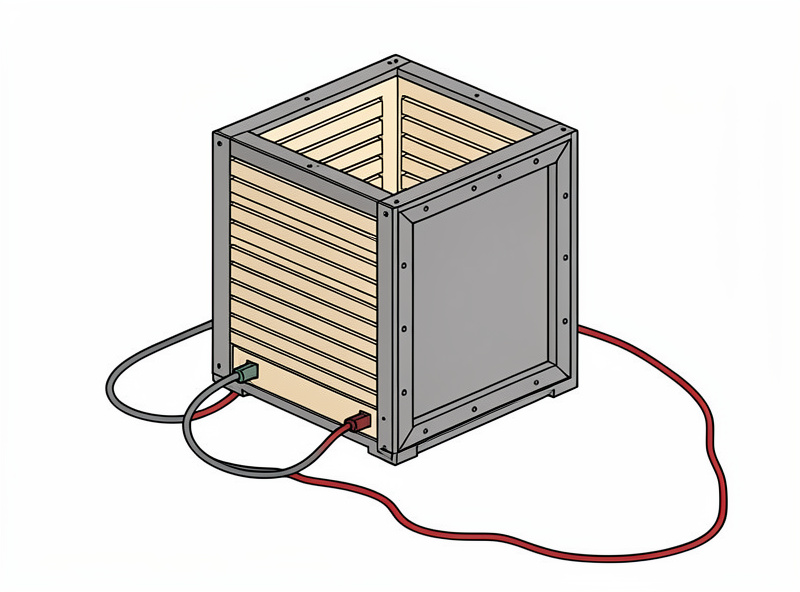
The electric field is the one place “shielding” has real meaning, and the shield is grounding. A grounded conductive surface between you and an energised conductor intercepts the electric field and carries it to earth instead of letting it reach you. In a sauna, that means a properly grounded chassis and panels on a properly grounded dedicated circuit. Get the grounding right and the electric-field reading at the seat drops substantially — no special material needed beyond a solid earth connection.
This is why I keep saying the install matters as much as the build. A beautifully made cabin on a poorly grounded circuit reads high on electric field, and the fix isn’t a shield you buy — it’s an electrician confirming the ground. The electrical side of this is covered in the installation requirements guide; the takeaway here is that grounding IS the electric-field shielding, and it’s an install job, not a product.
RF: remove the source before you shield it
RF can be attenuated by conductive barriers and distance, but inside a sauna that’s almost never the smart first move. The RF source is the controller, the Bluetooth audio, and your phone — and removing or switching those off is far easier and more effective than trying to shield them. Leave the phone outside or in airplane mode, switch off the wireless audio when you’re not using it, and choose a cabin whose controller is sited away from your head. That’s your RF “shielding,” and it costs nothing. The full ELF-versus-RF breakdown is in the ELF vs RF guide.
What about aftermarket shielding products?
You’ll find EMF “shielding” blankets, paints, and fabrics marketed at the wellness crowd. Be skeptical. Most are designed for RF (where, as above, removing the source is easier), and they do essentially nothing for the low-frequency magnetic field that “low-EMF” sauna marketing is actually about. Wrapping a sauna in conductive fabric won’t lower a magnetic reading driven by the heater wiring, and if it’s not properly grounded it can even make an electric-field situation worse. Before buying any shielding product, meter first — figure out which field is actually high and where it’s coming from, because the odds are the real fix is wiring, grounding, or removing a device, none of which a wrap addresses.
| Field | Can you shield it? | What actually reduces it |
|---|---|---|
| Magnetic (heater current) | Not practically | Paired-conductor wiring (cancellation at source) |
| Electric (conductor voltage) | Yes — by grounding | Grounded chassis on a grounded dedicated circuit |
| RF (controller / devices) | Partly | Remove the source: phone out, Bluetooth off |
Meter first, then act
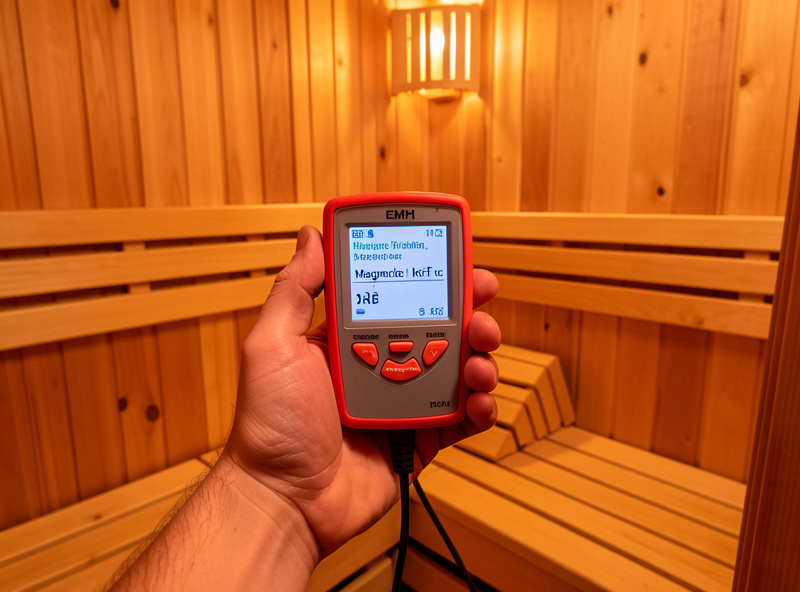
The thread running through all of this is the same: measure before you spend. A meter that reads magnetic, electric, and RF separately tells you which field is actually high and therefore which fix applies — and it’s almost never “buy a shielding product.” If magnetic is high, look at the wiring (and the panel layout — a panel and its wiring right behind your head is a placement issue, covered in the heater placement guide). If electric is high, check grounding. If RF is high, remove the device. The metering method is in the how-to-meter guide. I keep a TriField-style EMF meter on hand precisely so I never have to guess which field I’m dealing with before deciding what to change.
As an Amazon Associate I earn from qualifying purchases.
The honest bottom line
“EMF shielding” for an infrared sauna is mostly a misnomer. You can’t practically shield the low-frequency magnetic field — you reduce it with paired wiring at the source. You shield the electric field with grounding, which is an install job, not a product. And RF is best handled by removing the source, not wrapping it. I’m describing the engineering here, not exposure limits, which are contested and outside what a sauna owner should assert. Skip the shielding blankets, meter your cabin, and spend your effort on the three things that actually move the numbers: good wiring, solid grounding, and leaving the phone outside. For the wider buying context — including which brands engineer this properly from the start — see the brand comparison.
Can you shield an infrared sauna from EMF?
Partly, and it depends on the field. The low-frequency magnetic field from heater current cannot be practically shielded — it passes through most materials and is reduced instead by paired-conductor wiring at the source. The electric field is shieldable, but the shield is grounding. RF can be attenuated, but removing the source (phone, Bluetooth) is far easier. A single bolt-on shield addresses none of these well.
Do EMF shielding blankets work for saunas?
Generally no for what matters. Most shielding fabrics and paints target RF and do essentially nothing for the low-frequency magnetic field that low-EMF sauna marketing is about. Wrapping a cabin in conductive fabric will not lower a magnetic reading driven by the wiring, and if it is not properly grounded it can worsen an electric-field situation. Meter first to find the real source.
How do you reduce magnetic field in an infrared sauna?
By cancellation at the source, not shielding. When the two conductors carrying current to a heater run paired together, their opposing magnetic fields largely cancel. This is built into well-engineered low-EMF panel wiring. If the magnetic reading at your seat is high, the fix is the wiring, not an aftermarket shield, because low-frequency magnetic field passes through ordinary materials.
Is grounding the same as EMF shielding?
For the electric field, effectively yes. A grounded conductive surface between you and an energised conductor diverts the electric field to earth, which is exactly what shielding that field means. A properly grounded chassis on a grounded dedicated circuit is the real electric-field shield. It does not, however, shield the magnetic field, which needs source-level wiring cancellation instead.
Should I buy an EMF shielding product for my sauna?
Meter first. Identify which field is actually high — magnetic, electric, or RF — because the correct fix is almost never a shielding product. High magnetic means look at the wiring, high electric means check grounding, high RF means remove the device. A shielding blanket addresses none of those root causes well, so spend on a meter before spending on a shield.