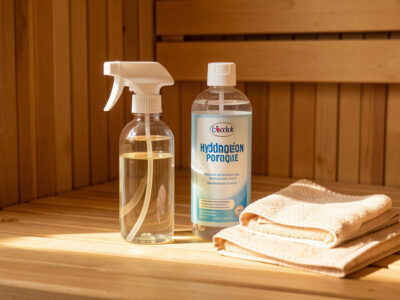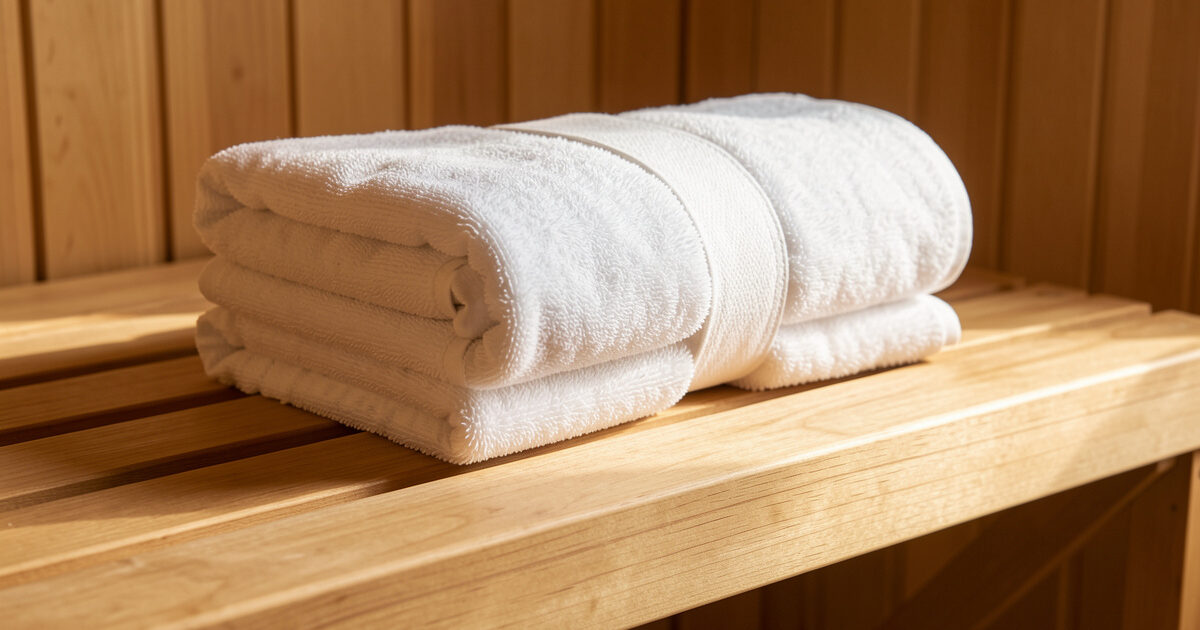
The best towels and bench covers for an infrared sauna are the ones that catch sweat in washable fabric before it ever reaches the wood — flat-weave or waffle cotton for the body, a dedicated washable cover for the bench, and a small dry towel for your feet. Fabric you can hot-wash; wood you cannot. This single habit does more for long-term cabin smell than any cleaner.
I run a two-person far-infrared cabin and I’ve tried the lot: thick terry, thin flat-weave, waffle, microfiber, and a couple of bench covers. They are not interchangeable. The wrong towel holds a mildew note through the wash and the wrong cover traps moisture against the wood and makes the problem worse. Here’s what actually works, why, and what to look for when you buy.
Why Do Towels and Covers Matter for Sauna Hygiene?
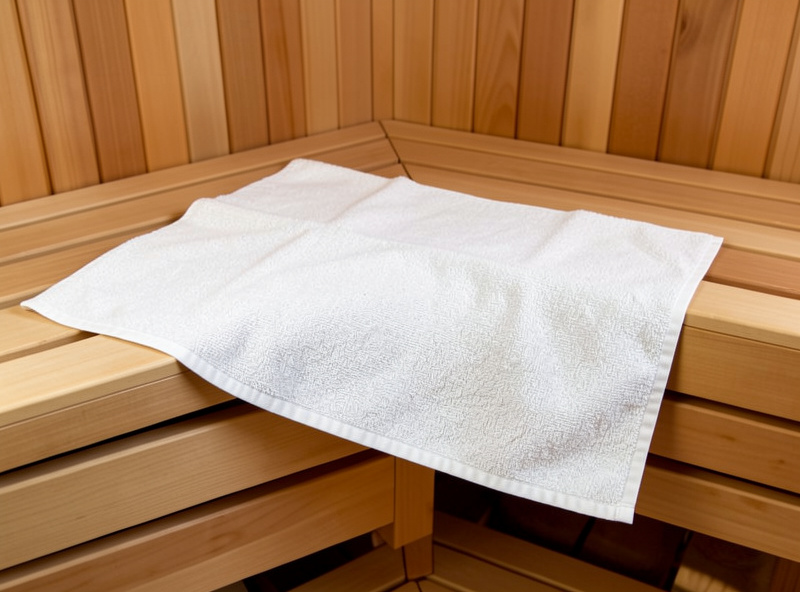
Because they intercept the sweat at the source. Sweat is water plus salt, urea, and skin oil, and once that residue dries into bare sauna wood it becomes bacterial food and, eventually, odor. Catch it in cotton instead and the residue leaves in the laundry rather than soaking into the grain. That’s the entire logic — move the dirty surface from something you can’t wash to something you can.
This is why towels sit at the top of my hygiene hierarchy, above cleaners and even above the wipe-down, because a good towel means there’s far less to wipe in the first place. Skin oil is the sneaky part: salt rinses, but oils bond into wood and are what a fragranced cover can seal in. A full-body layout — large towel under your torso and thighs, small towel for your feet where sweat drips hardest — keeps nearly all of it off the bench. Pair that with the two-minute wipe-down and the after-session drying routine and the wood barely touches raw sweat at all. If more than one person uses the cabin, a towel and cover per person also becomes basic shared courtesy, which I cover in shared-sauna hygiene.
What Kind of Towel Is Best for an Infrared Sauna?
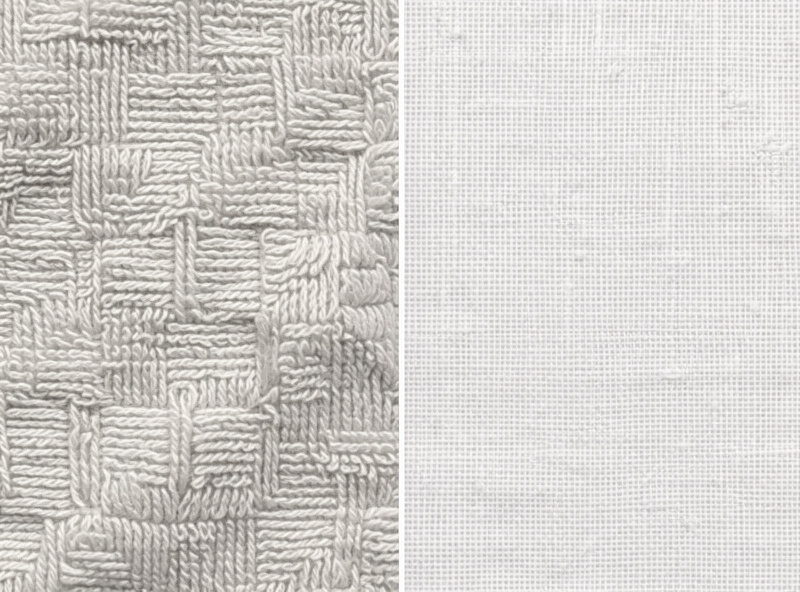
Flat-weave or waffle cotton beats thick terry for sauna use, because it absorbs enough while drying fast and washing completely clean. Thick terry holds more water but takes longer to dry and can keep a sour, mildew note if it sits damp between washes — the opposite of what you want in a humid cabin. Fast-drying, easy-washing fabric wins.
Here’s how the common options stack up in my experience, side by side.
| Fabric | Absorbency | Dry speed | Best for | Watch out |
|---|---|---|---|---|
| Flat-weave cotton | Good | Fast | Body layout, all-round | Thinner feel |
| Waffle cotton | Good | Fast | Body and bench | Slightly pricier |
| Thick terry cotton | High | Slow | Foot towel, post-shower | Holds mildew if damp |
| Microfiber | High | Very fast | Quick wipes, travel | Can feel synthetic, static |
| Linen/cotton blend | Moderate | Fast | Durability, wicking | Stiffer until washed in |
Whatever fabric you choose, look for an OEKO-TEX or organic-cotton label. The OEKO-TEX STANDARD 100 tests textiles against a list of over a thousand harmful substances, which matters more than usual here: you’ll be lying skin-to-fabric and then heating that fabric to around 50°C, so you don’t want a dye or finish gassing off in a hot cabin. That’s the same reason I avoid heavily fragranced or fabric-softened towels — softener leaves a waxy coating that both reduces absorbency and can smell odd when heated.
Do You Need a Dedicated Bench Cover?
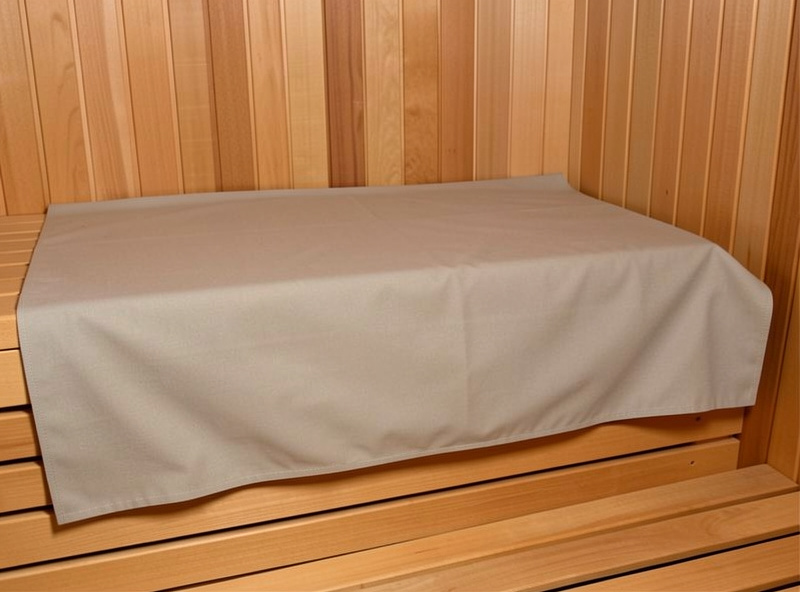
A washable bench cover is the best upgrade after the towels themselves, because it takes the daily abuse so the wood underneath stays cleaner and drier for longer. Think of it as a sacrificial layer: the cover soaks up what the body towel misses, comes off to wash, and keeps salt and oil from ever reaching the bench boards. On a bench you sit and lie on daily, that protection adds up fast.
The one hard rule is no rubberized or PVC backing. A waterproof backing feels like it should help, but it traps sweat and moisture against the wood exactly where you can’t dry it — which is how you manufacture the damp, low-airflow micro-climate that odor and mold love. The EPA’s guidance on mold and moisture is clear that keeping surfaces below 60 percent humidity is the goal; a rubber-backed cover does the opposite by sealing moisture in. Choose a breathable all-cotton or cotton-linen cover that dries as fast as your towels. I keep one on the bench and swap it out every couple of sessions into a hot wash. You can browse breathable cotton bench covers to see the non-backed styles I mean.
How Many Towels Do You Actually Need in the Cabin?
Three per person is the practical minimum: a large body towel to lie on, a small foot towel for where sweat drips hardest, and a face towel for wiping down. Any fewer and you end up putting skin or dripping feet straight onto the wood, which defeats the point. Any more and you’re just doing extra laundry.
My layout is fixed because it removes decisions: big flat-weave towel down the length of the bench, small terry towel at the foot end where the heaviest dripping lands, and a face cloth within reach. Terry earns its one spot here — as a foot towel its slow drying doesn’t matter because it goes straight to the wash. The body and face towels are the fast-drying flat-weave so they’re ready again quickly. Rotate enough that you’re never tempted to reuse a damp one, because a towel that sat balled up and mildewed will re-scent a clean cabin in a single session — I learned to keep a spare stack for exactly that reason. If you want the full picture of where towels sit alongside cleaners and drying, it’s laid out in the hygiene and odor guide. And if you’re a heavy sweater, you’ll simply cycle towels faster — the sweat-by-heater-type differences are in how long it takes to sweat.
How Should You Wash Sauna Towels and Covers?
Hot wash, no fabric softener, and dry them fully before they go back in the cabin. Sauna towels carry salt and skin oil, and a warm-to-hot wash breaks that down where a cold wash just moves it around. Softener is the enemy because its waxy residue cuts absorbency and can smell when heated — the towel’s whole job is to soak sweat up, and softener works directly against that.
My routine is simple: towels and covers go in after every one or two sessions, on a hot cycle, occasionally with a splash of white vinegar in place of softener to strip any lingering odor and mineral build-up. Then they dry completely — a towel that goes back damp is worse than no towel, because now you’ve got wet fabric sitting on wood. I keep enough in rotation that there’s always a dry set ready. Get this loop right and towels stay fresh for years; get it wrong and even good towels develop the permanent sour note that no wash fully removes. Flat-weave cotton towels in a couple of rotating sets are the cheapest, highest-return hygiene purchase you’ll make for the cabin.
As an Amazon Associate I earn from qualifying purchases.
What About Towels for a Portable Blanket or Tent?
For a portable infrared blanket the towel isn’t optional — it’s the entire hygiene barrier, since there’s no washable wood and the synthetic liner absorbs everything. Always lie on a full cotton towel inside the blanket so your skin never touches the liner, and wipe the liner down the moment you’re out. The towel is what keeps a non-washable interior from turning sour.
I keep a dedicated large flat-weave towel just for the travel blanket and treat it as the thing that saves the liner. Without it, sweat soaks straight into fabric you can’t machine-wash, and once that smell sets it’s very hard to reverse. With it, the blanket stays fresh for years and the towel takes all the abuse and washes clean. The same logic that makes towels the first line of defense in a cabin applies double to a portable unit — catch it in cotton, wash the cotton, keep the surface you can’t wash clean. For where this fits in the overall system, the complete hygiene guide ties it together.
What kind of towel is best for an infrared sauna?
Flat-weave or waffle cotton is best for sauna use because it absorbs enough sweat while drying fast and washing completely clean. Thick terry holds more water but dries slowly and can keep a mildew note if it sits damp. Keep terry for the foot towel, where it goes straight to the wash, and use fast-drying flat-weave for the body and face.
Do I need a bench cover if I already use a towel?
A washable bench cover is a worthwhile upgrade because it acts as a sacrificial layer that catches what the body towel misses, keeping salt and oil off the wood. The one rule is no rubber or PVC backing, which traps moisture against the bench and encourages odor and mold. Choose breathable all-cotton or cotton-linen that dries as fast as your towels.
How many sauna towels do I need?
Three per person is the practical minimum: a large body towel to lie on, a small foot towel for where sweat drips hardest, and a face towel for wiping. Keep enough in rotation that you are never tempted to reuse a damp one, since a towel that sat mildewed can re-scent a clean cabin in a single session.
How should I wash infrared sauna towels?
Use a hot wash with no fabric softener, and dry them fully before they go back in the cabin. Hot water breaks down the salt and skin oil that a cold wash just moves around, and softener leaves a waxy residue that cuts absorbency and can smell when heated. A splash of white vinegar instead of softener strips lingering odor.