The best sauna thermometer and hygrometer is a digital combo unit that reads bench-height temperature and humidity in one display, costing $15 to $30 — and it’s the accessory I’d never run a cabin without. The reason is simple: your sauna’s built-in display almost certainly shows the set temperature, not the measured one, and on my meter the gap runs 10 to 15°F during the first ten minutes of a session. That gap changes how you ramp, how long you sit, and how you hydrate.
After five winters of metering my own hemlock cabin, I’ve learned that the temperature and humidity numbers most owners never see are the ones that actually run the session. This guide covers what to buy, why a separate thermometer beats the cabin display, why humidity matters in a bone-dry infrared box, and how I use the readings. It’s part of the broader infrared sauna accessories guide, and it’s the cheapest accessory that earns its keep every single session.
Why You Need a Separate Sauna Thermometer
You need a separate thermometer because the cabin’s display usually shows set temperature, not what the air actually reads at bench height — and the two differ by 10 to 15°F early in a session. The controller is telling the heaters where to aim; it isn’t measuring where you’re sitting. A $15 to $30 independent digital unit closes that blind spot and tells you the truth about your cabin.
This matters because the felt heat of an infrared session depends on radiant output and air temp together, and a cabin set to 140°F that’s actually holding 128°F at the bench feels noticeably milder. When I first metered mine I realized my “20-minute warm-up” was really the cabin still climbing for half that time. Knowing the real number let me adjust preheat instead of blaming the heaters — the same preheat timing I work through in the home sauna setup guide. The cabin display is a target; the thermometer is the scoreboard.
Why Humidity Matters in an Infrared Sauna
Humidity matters because infrared cabins run extremely dry — often below 20% relative humidity — which is why your skin tightens and hydration becomes a real concern. A hygrometer tells you exactly how dry the box is, and a combo thermometer-hygrometer puts that number next to the temperature where you can read both at a glance. Dry heat feels different from humid heat at the same temperature, and the number explains why.
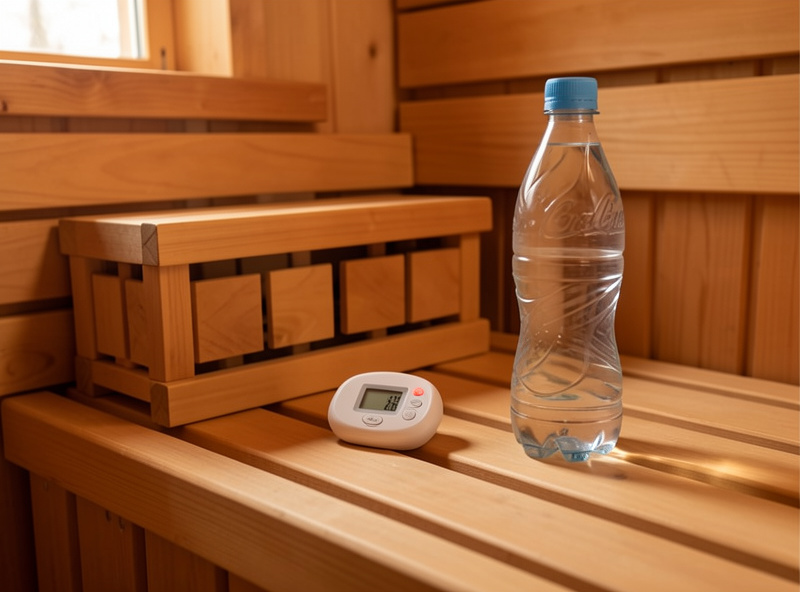
Unlike a traditional Finnish sauna where you pour water for steam, an infrared cabin has no humidity source beyond your own perspiration, so it sits low and stays low. In my cabin the hygrometer typically reads 15 to 25% during a session, which is desert-dry, and that single number is the best argument for keeping water within reach, especially when you’re still learning your tolerance on a beginner schedule. I don’t chase a humidity target — infrared isn’t meant to be humid — but I do watch it, because it tells me when the room is dry enough that I’ll want to drink more.
Digital vs Analog Sauna Thermometers
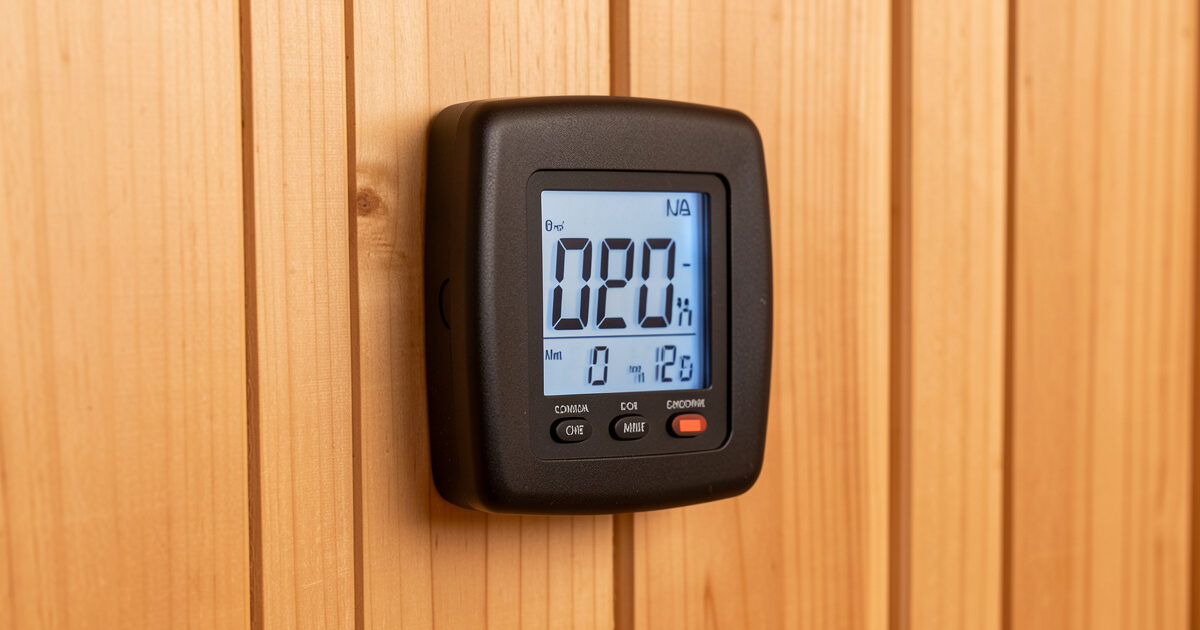
A digital combo unit beats an analog dial because it reads both temperature and humidity, updates in real time, and is easy to read in dim cabin light — analog gauges give temperature only and lag. For an infrared cabin where you care about the actual bench-height number, the live digital readout wins. Analog wood-framed gauges look traditional, but they’re a Finnish-sauna aesthetic, not a measurement tool.
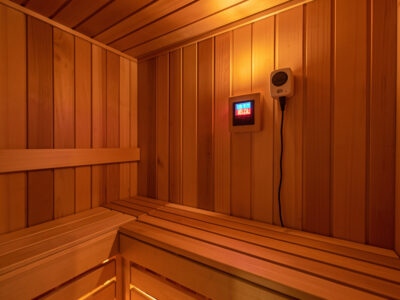
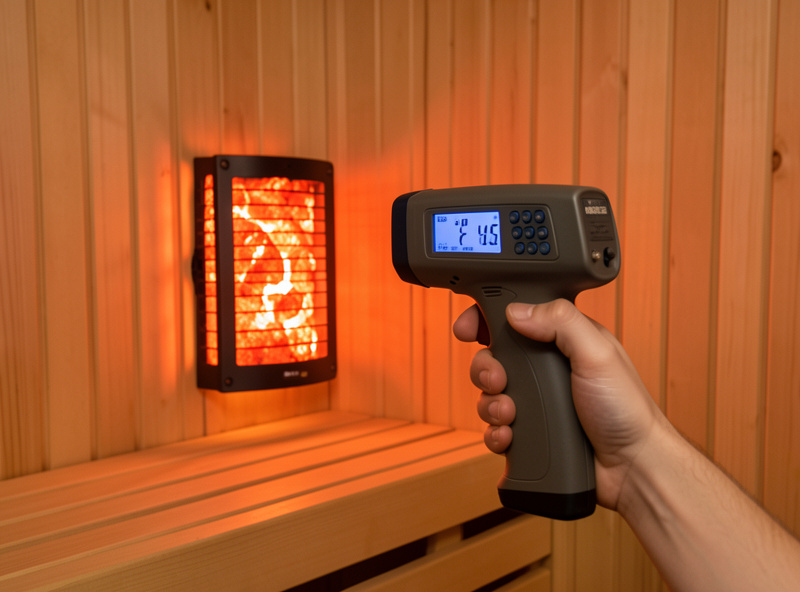
The practical points: pick a unit rated for the heat (some cheap LCD displays black out above 120°F), mount it at bench height rather than near the ceiling where it’s hottest, and prefer a model with a probe or a wide operating range. I keep a small digital combo at seat level and use a separate handheld IR thermometer to spot-check panel surface temps when I’m curious about a heater, but for the day-to-day session number, the bench-mounted digital combo does everything I need.
What to Look For When Buying
Look for a heat-rated digital combo with a clear display, bench-height mounting, and an operating range that comfortably covers 0 to 160°F — those four traits separate a useful sauna instrument from a fragile indoor weather gadget. Battery-powered units avoid running wiring into the cabin, and a magnetic or adhesive back makes placement easy. Skip anything with a tiny font or a narrow temperature range built for a living room.
A simple, honest unit is all you need here, and you can compare digital sauna thermometer and hygrometer combos on Amazon to find one rated for the heat. As an Amazon Associate I earn from qualifying purchases, at no extra cost to you. What I’d avoid: “smart” hygrometers that depend on an app and a flaky Bluetooth link in a hot box, and decorative analog dials that only show temperature. The whole point of this accessory is a true number you can read instantly, so buy the boring digital one.
How I Use the Readings
I use the thermometer to time preheat and the hygrometer to gauge hydration — when the bench reads my target and the humidity sits in the teens, I know the session is dialed and I’ll be drinking more than usual. The readings turned my sessions from guesswork into something repeatable. Before metering, I was setting a temperature and hoping; now I run to an actual bench-height number.
The same instinct drives my whole approach to the cabin — I keep a loose session log of duration, set temp, and the metered bench temp, enough to notice patterns across heater types without turning it into a chore. A thermometer-hygrometer is the entry point to that habit: once you can see the real numbers, you start using them, and the cabin gets more comfortable and more predictable as a result.
How Accurate Are Cheap Sauna Thermometers?
A $15 to $30 digital combo is accurate enough for session work — typically within a couple of degrees of a reference — but the failure mode is heat-soak drift, not factory error. The sensor reads the air around its own housing, so where you mount it and how long it has been sitting in the heat both move the number more than the unit’s rated tolerance does. Treat the readout as a reliable trend, not a laboratory figure, and you will never be misled by it.
I sanity-check mine the lazy way: at the start of a cold session the bench thermometer should read close to room temperature, and if it is reading 80°F in a 68°F room, the sensor is picking up residual panel heat or sitting too high. I also cross-check it against my handheld IR thermometer aimed at a matte surface near the bench — not at a shiny panel, which throws the IR reading off with reflected radiance. When the two agree within a few degrees, I trust the combo for the rest of the winter. The one unit I retired was a living-room weather station that simply blanked its screen above 120°F mid-session, which is exactly the trap with anything not rated for the heat. Mount it at bench height, give it a minute to settle after preheat, and a cheap unit will track your real session temperature just fine.
Sauna Thermometer and Hygrometer Comparison
| Type | Cost | Reads | Best For |
|---|---|---|---|
| Digital combo (T + RH) | $15-30 | Bench temp + humidity | Daily session monitoring |
| Handheld IR thermometer | $15-35 | Panel surface temp | Spot-checking heaters |
| Analog dial gauge | $10-25 | Temperature only | Aesthetic, not precision |
| Smart app hygrometer | $20-40 | Logs to phone | Data logging (if Bluetooth holds) |
Frequently Asked Questions
What is the best thermometer for an infrared sauna?
A heat-rated digital combo that reads both bench-height temperature and humidity, costing $15 to $30. It updates in real time, reads clearly in dim light, and tells you the actual air temperature where you sit, not the set temperature the controller is aiming for.
Why is my sauna thermometer different from the cabin display?
The cabin display usually shows the set temperature, the target the controller aims the heaters at, not the measured air temperature at bench height. The two can differ by 10 to 15°F in the first ten minutes of a session, which is why a separate thermometer is worth having.
Do I need a hygrometer in an infrared sauna?
It is genuinely useful. Infrared cabins run very dry, often below 20% relative humidity, with no humidity source besides your own sweat. A hygrometer shows exactly how dry the box is, which is the best reminder to keep water within reach during a session.
Where should I mount a sauna thermometer?
Mount it at bench height, not near the ceiling where the air is hottest, so it reads the temperature where you actually sit. A magnetic or adhesive back makes placement easy, and a battery-powered unit avoids running any wiring into the cabin.
Can a regular indoor thermometer work in a sauna?
Often no. Many indoor LCD units black out or fail above 120°F because they are not rated for sauna heat. Choose a unit with an operating range that comfortably covers 0 to 160°F so it survives the environment and keeps reading accurately.
Is an analog sauna thermometer good enough?
An analog dial shows temperature only and lags behind real changes, so it works as decor but not as a precision tool. For an infrared cabin where bench-height temperature and humidity both matter, a real-time digital combo is the better instrument.