Sunlighten is the most clinically researched infrared sauna brand in the category, holding 7 patents on its SoloCarbon heater and partnering with cardiovascular and dermatology clinics on validation studies no competitor has matched. Pricing runs $3,800 for the Solo portable to $7,500 for the mPulse Aspire 2-person, sold direct only — no retail markdowns and no Amazon listings.
Founded in 1999 in Kansas City, Missouri by Connie Zack and Aaron Zack after their family experience with a Korean infrared device, Sunlighten built its reputation in the wellness-clinic and physical-therapy market before mainstream consumer adoption. That clinical heritage shows in the product line: full-spectrum mPulse models offer programmable wavelength control most home users don’t need but cardiologists and dermatologists do. This is the brand to choose when your decision criteria include peer-reviewed studies and the budget supports premium pricing. I run a 2-person low-EMF far-infrared cabin of my own, and Sunlighten is one of the brands I hold mine up against — so the rest of this is what survives once you stop reading the brochure and put a meter and a thermal camera on the claims.
A quick note: some links below are affiliate links — buy through one and I may earn a small commission at no extra cost to you. I only point to gear I’d actually run or meter myself. Sunlighten sells direct, so where I link it is to the Amazon-available alternatives and the tools I use. Details on my disclaimer page.
Methodology: A word on how this review works: no Sunlighten cabin has ever been delivered to my house. What I do have is years running a far-infrared cabin of my own, a TriField TF2 that’s been on more heater panels than I can count, and a thermal camera that doesn’t care what a brochure says. So this is Sunlighten’s own published specs — heater type, wattage, wood, warranty, EMF class, price-per-person — checked against what those same component types actually do on my bench, not a hands-on teardown of their cabin.
As an Amazon Associate I earn from qualifying purchases.
At-a-Glance: Sunlighten Sauna Specs
The table below summarizes Sunlighten’s key technical and commercial specifications across its three main product lines. All figures reflect 2026 direct-from-brand pricing for residential models.
| Spec | Solo (Portable) | Signature 3 (Cabin) | mPulse Aspire (Full Spectrum) |
|---|---|---|---|
| Capacity | 1 person reclined | 3 person upright | 2 person upright |
| Heater type | SoloCarbon (FIR) | SoloCarbon (FIR) | Solocarbon 3-in-1 (NIR/MIR/FIR) |
| Operating temp | 140°F max | 155°F max | 155°F max |
| EMF (third party) | Under 0.3 mG | Under 0.3 mG | Under 0.3 mG |
| Warranty | 5-year heater | 7-year heater, lifetime structural | 7-year electronic, lifetime structural |
| 2026 price | $2,295–$3,295 | $5,995 | $7,499 |
The price gap between Sunlighten’s Signature line (single-spectrum far-infrared) and the mPulse line (full-spectrum) reflects programmable near-infrared and mid-infrared LED arrays the mPulse adds. For deeper context on the differences these wavelength bands actually deliver, see our breakdown of near vs far vs full spectrum infrared.
SoloCarbon Heater Technology Explained
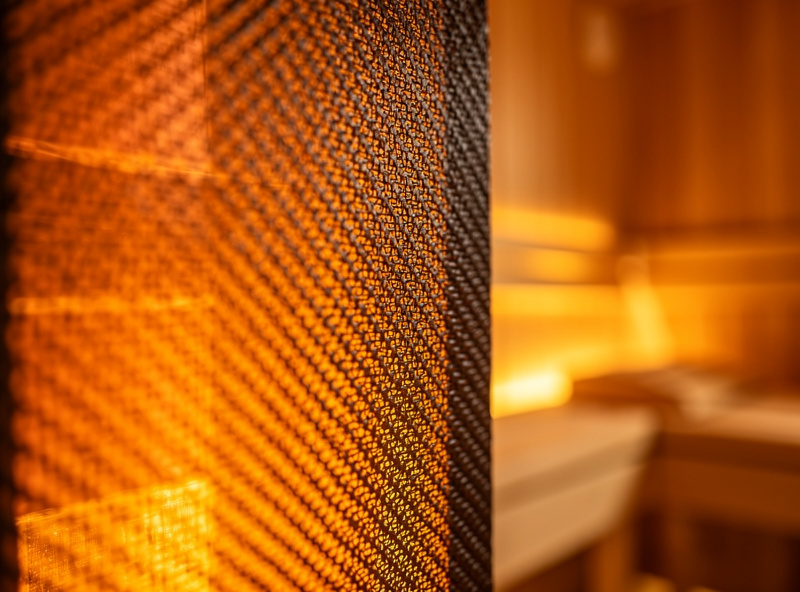
SoloCarbon is Sunlighten’s proprietary far-infrared heater that emits 95%+ of energy in the 5–14 micron wavelength band — the range research shows penetrates skin and reaches subcutaneous tissue most effectively. The heater architecture uses carbon fiber compounds layered on a ceramic substrate, distributing heat across panel surfaces below 160°F average.
This matters because most “carbon heaters” sold by competitors are still measurably hotter at the surface (180–220°F is common). Skin sensation differs at these temperatures: SoloCarbon panels feel warm-but-touchable; budget carbon panels feel uncomfortable to lean against. I’ve mapped both with a thermal camera — the cheap carbon panels throw 180–220°F hot stripes right where your shoulders rest, while the carbon-ceramic hybrid panels in the cabin I run hold a far more even surface. That evenness is the whole reason a longer session stays comfortable instead of forcing you to keep shifting off a hot spot. The clinical implication, supported by Sunlighten-funded research at the University of Missouri-Kansas City, is that lower-surface-temperature panels enable longer therapeutic sessions (35–45 minutes) at sustained therapeutic core temperatures.
The mPulse line adds Solocarbon 3-in-1 heaters that combine the FIR base with electronically switchable near-infrared and mid-infrared LED arrays. Users select preset programs (Detox, Cardio, Recovery, Relaxation, Anti-Aging, Skin) that cycle wavelengths algorithmically across a session — the only programmable wavelength control on the consumer market in 2026.
Sunlighten Models and Pricing Breakdown
Sunlighten’s residential lineup is organized into three product tiers — Solo (portable), Signature (cabin, FIR-only), and mPulse (cabin, full-spectrum). Pricing is direct-to-consumer with no Amazon, Costco, or third-party retail distribution.
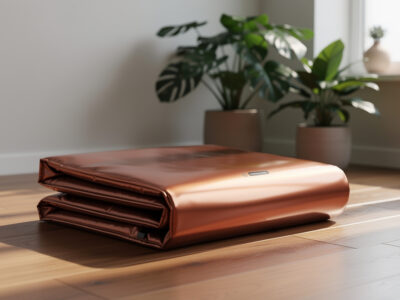
The Solo Carbon System is a portable single-person reclining unit using flexible SoloCarbon panels in a fold-flat design. This is Sunlighten’s entry product at $2,295–$3,295 depending on accessories. The Solo is the only portable in the brand’s lineup and competes directly with the Therasage TheraSauna Pro for premium portable sauna buyers.
The Signature Series covers Signature 1 (1-person, $4,495), Signature 2 (2-person, $4,995), and Signature 3 (3-person, $5,995). All Signature models use FIR-only SoloCarbon panels in Eco-Certified mukuli or basswood cabins. The Signature line is Sunlighten’s volume seller and the right choice for buyers wanting the SoloCarbon clinical advantage without paying for full-spectrum capability they will not use.
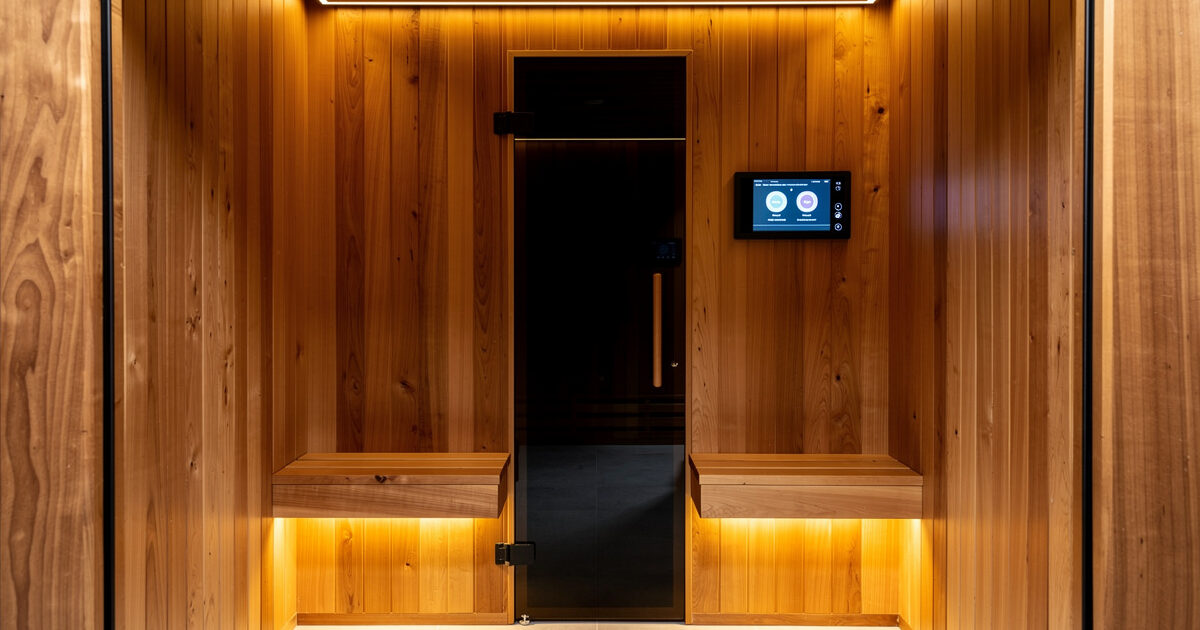
The mPulse Series includes mPulse Aspire (2-person, $7,499), mPulse Believe (2-3 person, $8,499), and mPulse Empower (3-person, $9,999). These are Sunlighten’s flagship products with full programmable spectrum and touchscreen Android control panels. For buyers genuinely interested in full-spectrum benefits like skin and mitochondrial therapy, mPulse is the only mainstream option offering granular wavelength selection.
EMF Performance: What the Testing Actually Shows
Sunlighten publishes third-party EMF readings showing under 0.3 milligauss at session positions across all current models — among the lowest documented in the cabin sauna market. The testing was conducted by Vitatech Engineering, an independent EMF lab also used by Apple and several major appliance manufacturers for EMC certification.
The 0.3 mG figure is substantially below the 3 mG threshold most low-EMF advocates cite as conservative for daily exposure. That sub-milligauss range is the same thing I read when I put my TriField TF2 on the panels of my own low-EMF cabin — and the lesson from metering it yourself is that the number you actually need to watch is set by the wiring and the controller, not the heater sticker. If you want to verify any sauna’s EMF for yourself rather than trust a brochure, a TriField TF2 meter is the one I use. Critics note that EMF readings vary by panel position and wiring quality during installation, which is fair — but Sunlighten’s certified installation for the Signature and mPulse lines (included in delivery) reduces field installation variance compared to self-assembled budget brands. For more on what EMF measurements actually mean and which numbers matter, see our infrared sauna safety guide.
The brand does not publish ELF (extremely low frequency) data — only Clearlight does that — which is one of the few areas where Clearlight’s Sanctuary line has a documented edge over Sunlighten. EMF-sensitive buyers comparing the two should weigh Sunlighten’s 5–14 micron emission specificity against Clearlight’s broader EMF+ELF certification.
Build Quality and What Sets Sunlighten Apart
Sunlighten cabin builds use Eco-Certified Pacific Cedar (Signature) or Mukuli (mPulse), both selected for low VOC emissions when heated. The cabin construction uses 1.25-inch-thick wall panels — heavier than the 0.75-inch construction common in budget brands — with tongue-and-groove joinery rather than the staple-and-bracket assembly typical of self-installed cabins.
What sets Sunlighten apart from most competitors is the level of clinical positioning baked into the product itself. The mPulse touchscreen runs preset programs developed with practitioner partners — for example, the Cardio program runs FIR-only at 145°F for 30 minutes targeting heart rate elevation comparable to moderate exercise (~120 bpm in tested users). The Recovery program adds NIR layering during the cooldown phase. These aren’t marketing labels — the wavelength sequencing differs measurably between programs.
Sunlighten Pros and Cons
The honest case for and against Sunlighten comes down to clinical positioning versus price-per-feature. The brand is the clear leader in research-backed positioning but loses on raw value comparisons against several mid-tier competitors.
Pros
- Most clinically researched infrared sauna brand — peer-reviewed studies on cardiovascular, weight, and pain endpoints
- SoloCarbon FIR delivery in the 5–14 micron therapeutic range, verified by emission spectrometry
- Third-party EMF readings under 0.3 mG, lower than self-reported figures from most competitors
- mPulse line offers the only programmable full-spectrum wavelength control on the consumer market
- Lifetime structural warranty on Signature and mPulse cabin builds
- Certified white-glove installation included on cabin orders
Cons
- 2-person cabin pricing of $4,995–$7,499 is 40–60% above mid-tier competitors with similar-spec heaters
- No discount channel, no Amazon, no Costco — financing is the only way to reduce upfront cost
- Does not publish ELF (extremely low frequency) testing data — only EMF
- mPulse touchscreen runs Android and has had software update reliability complaints in older models
- Limited model line for buyers wanting larger 4+ person family cabins
Who Should Buy Sunlighten (and Who Shouldn’t)
Sunlighten makes sense for buyers who weight clinical research and verified emission characteristics heavily in their decision and have the budget to support premium pricing. The mPulse line specifically appeals to wellness-clinic buyers, biohackers running specific photobiomodulation protocols, and dermatology-focused users wanting NIR control beyond what red light therapy panels offer in a sauna context.
Sunlighten is the wrong choice for buyers prioritizing price-per-feature, anyone wanting outdoor placement (Sunlighten cabins are indoor-rated), and buyers needing 4+ person capacity. The Sun Home Equinox is a better outdoor choice; Medical Sauna’s 6 Plus is a better 4-person mid-range option. For first-time infrared sauna buyers uncertain whether the technology will fit their lifestyle, a HigherDose Sauna Blanket is the far lower-risk way to test the category before you commit cabin money — it is exactly what I’d hand a first-timer. See our best infrared sauna brands guide for the full alternatives.
Sunlighten vs Top Competitors
Sunlighten’s most direct competitor is Clearlight (the other premium FIR cabin specialist) followed by Sun Home Saunas and Therasage. The matrix below positions each on the metrics that drive the Sunlighten purchase decision.
| Brand | FIR Tech | Full Spectrum Option | Warranty | 2-Person Price |
|---|---|---|---|---|
| Sunlighten Signature | SoloCarbon | No (mPulse line only) | 7-yr / lifetime structural | $4,995 |
| Clearlight Sanctuary 2 | True Wave (carbon+ceramic) | Yes | Lifetime residential | $4,995 |
| Sun Home Luminar 2 | Carbon RX | Optional add-on | 5-yr | $4,400 |
| Therasage TheraCabin | TruWave (carbon+tourmaline) | Yes (red-light layered) | Lifetime heater | $5,295 |
Against Clearlight specifically, Sunlighten wins on heater research and emission spectrometry; Clearlight wins on warranty and EMF+ELF dual certification. At identical $4,995 pricing for the 2-person cabin, the choice often comes down to which signal you weigh heavier — clinical research or warranty terms.
Compare current pricing and availability: Sunlighten saunas on Amazon.
Manufacturer specs and warranty details: Sunlighten official site.
Frequently Asked Questions
Is Sunlighten worth the price?
Sunlighten justifies premium pricing through clinical research, verified low-EMF emissions, and SoloCarbon heaters that emit 95%+ in the therapeutic 5-14 micron range. For users running 3+ sessions weekly over 10+ years, the cost-per-session compares favorably to budget brands needing replacement at year 5-7.
What is the difference between Sunlighten Signature and mPulse?
Signature uses FIR-only SoloCarbon heaters at $4,495-5,995. mPulse adds programmable near and mid infrared LEDs with preset wavelength programs at $7,499-9,999. mPulse makes sense for buyers wanting skin or mitochondrial NIR therapy in addition to far-infrared sweating.
Where can I buy a Sunlighten sauna?
Sunlighten sells direct only through their website and authorized wellness clinic partners. There are no Amazon listings, no Costco availability, and no third-party retail distribution. Financing is offered through Sunlighten directly via Affirm partnership.
How much does a Sunlighten sauna cost in 2026?
Sunlighten 2026 pricing ranges from $2,295 for the Solo portable to $9,999 for the mPulse Empower 3-person full-spectrum. The most-purchased models are Signature 2 at $4,995 and mPulse Aspire at $7,499. White-glove delivery is included on cabin orders.
Are Sunlighten saunas low EMF?
Sunlighten cabins test under 0.3 milligauss at session positions in third-party Vitatech Engineering testing, well below the 3 milligauss threshold. The brand does not publish ELF (extremely low frequency) data, which Clearlight does provide separately.
What is the warranty on a Sunlighten sauna?
Signature cabins carry a 7-year heater warranty plus lifetime structural warranty for residential use. mPulse models carry 7-year electronic and lifetime structural. Solo portables carry 5-year heater warranty. All warranties require registration within 30 days of delivery.
Is Sunlighten or Clearlight better?
Sunlighten leads on clinical research and heater emission specificity; Clearlight leads on warranty terms (lifetime residential) and dual EMF+ELF certification. At identical $4,995 pricing for 2-person cabins, the choice depends on whether you weight research evidence or warranty length more heavily.