
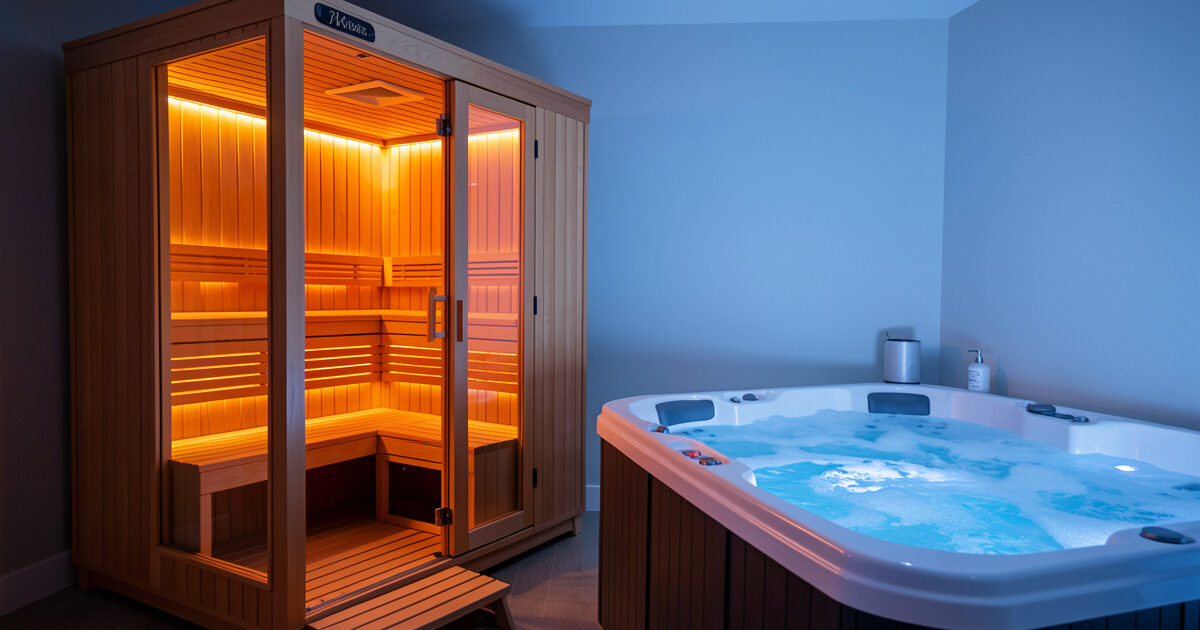
Heat and cold do different jobs, and the timing around training is where most people get it wrong. My rule: I reach for the sauna to relax and unwind on easy or rest days, and I am cautious with a cold plunge in the hours right after strength work, because research reports that cold-water immersion can blunt the muscle-building adaptation you just trained for. Neither is “better” — they are tools for different moments, and the clock matters more than the temperature.
I run a low-EMF infrared cabin through Swedish winters and use cold when it suits — the country practically invents excuses for a cold plunge. Living with both taught me the timing rules the hard way, mostly by using cold at exactly the wrong moment and wondering why my lifting stalled. This is the heat-versus-cold chapter of my workout recovery guide, and the interference effect around strength training is the single most important thing on this page.
What Does Each One Actually Do?
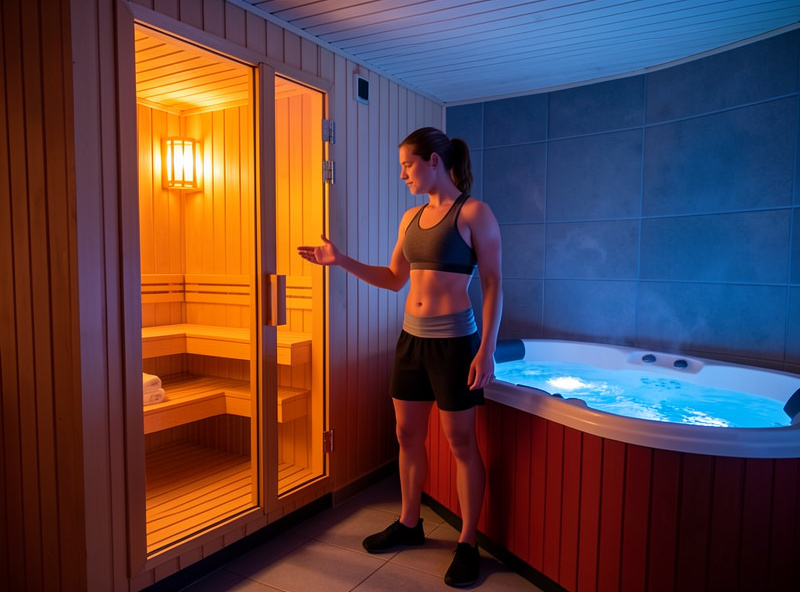
They pull your physiology in opposite directions. Heat dilates blood vessels, raises core temperature, and drives the relaxed, flushed, parasympathetic wind-down that makes a sauna feel like the end of the day. Cold does the reverse — it constricts blood vessels, produces a sharp alerting response, and reduces the swelling and perceived soreness that follow hard training. That vasoconstriction is exactly why cold feels like a reset and why it can dull next-day soreness.
Here is the catch, and it is the whole reason timing matters: that same anti-inflammatory, swelling-reducing effect appears to interfere with the muscle-remodelling signal that strength and hypertrophy training depends on. A well-known 2015 study by Roberts and colleagues in the Journal of Physiology reported that regular cold-water immersion after resistance training attenuated gains in muscle mass and strength compared with active recovery. That is a reported finding worth respecting, not a claim I am making about your body — but it flips cold from “always good recovery” to “great sometimes, counterproductive at others.”
When Do I Reach for the Sauna?
On easy days, rest days, and after most sessions where my goal is to wind down and feel recovered rather than to blunt soreness. The heat does not appear to interfere with strength adaptation the way cold can, so I can use it after a lifting session without worrying I am undoing the work — I just keep it after, never before, and rehydrate around it. For me the sauna is the default recovery tool precisely because it is low-risk to adaptation and genuinely relaxing.
The sauna also wins on the things that make a habit stick: it is warm and pleasant on a dark winter evening, it needs no ice, and its running cost is small and predictable. I keep a 15–25 minute sit at a 50 °C set temp as my standard dose, tracked with a heart-rate strap, and folded into the post-training window. The full structure is in my post-lift routine. If I had to pick one recovery tool to keep, it would be the cabin — not because it does more, but because I will actually use it four times a week all winter.
When Do I Reach for Cold Instead?
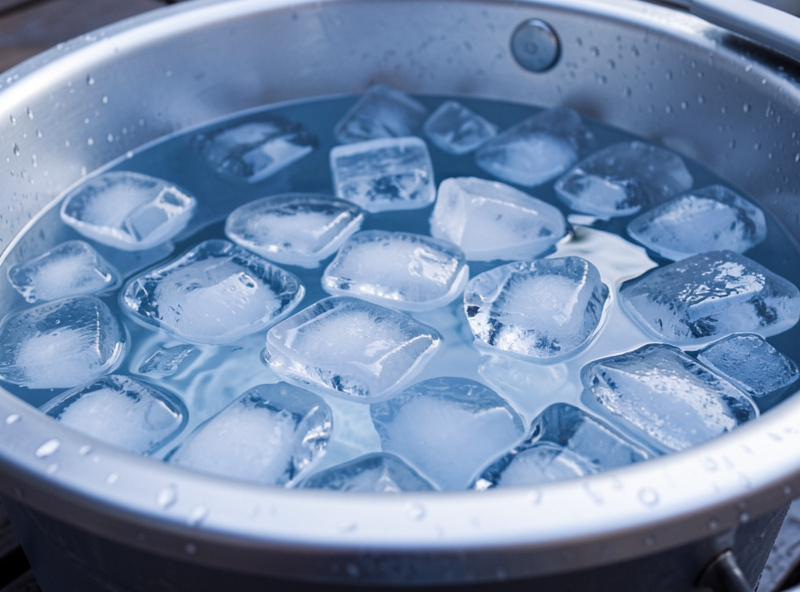
When I want to feel sharp and reset, when I am managing acute soreness on a day I am not chasing muscle growth, or in-season for a sport where feeling fresh tomorrow matters more than a slow strength gain. Cold is excellent for taking the edge off after a brutal event, a long day, or a competition, and the alerting effect in the morning is real. On those days the swelling-reduction that interferes with hypertrophy is exactly what I want.
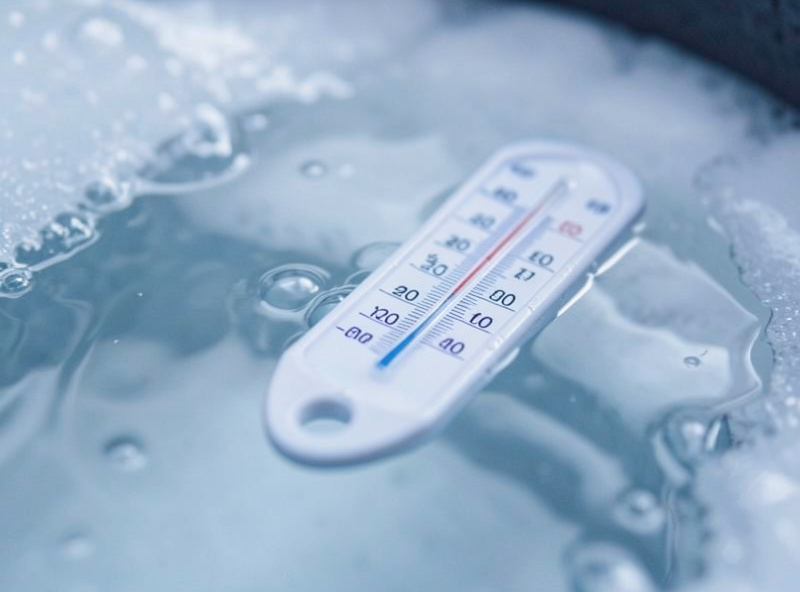
What I avoid is cold in the hours right after a hypertrophy or strength session I care about adapting to. If muscle growth is the goal of that block, I let the inflammation do its job and use active recovery or the sauna instead, saving cold for rest days or moving it many hours away from the lifting. My own experience matched the research uncomfortably well: a winter of jumping into cold straight after lifting, and my strength numbers just sat there. Move the cold, and the plateau lifted. I run a floating thermometer in the tub to keep it in a sane 8–12 °C range, because “as cold as possible” is another place people overreach.
Sauna vs Cold Plunge: A Side-by-Side
Here is how I actually weigh them when deciding which one to use.
| Factor | Infrared sauna | Cold plunge |
|---|---|---|
| Main effect | Relaxation, warmth, wind-down | Alertness, reduced soreness and swelling |
| After strength work | Fine — low adaptation risk | Caution — can blunt hypertrophy |
| Best timing | Easy/rest days, evenings | Rest days, in-season, away from lifting |
| Nervous-system effect | Parasympathetic (calming) | Sympathetic (activating) |
| Typical session | 15–25 min, 45–55 °C | 3–8 min, 8–12 °C |
| Habit stickiness (my take) | High — pleasant, easy | Lower — takes willpower |
The row that decides most of my choices is “after strength work.” If I am in a muscle-building block, the sauna is the safe default and cold gets scheduled well away from lifting. If I am in-season or just want to feel reset, cold moves up the list. The nervous-system row matters for time of day too — I would not do a hard cold plunge right before bed, where the sauna’s calming effect is exactly what I want.
Should You Do Contrast — Heat and Cold Together?
Contrast — alternating hot and cold — is popular and feels fantastic, but I treat it with the same timing caution as cold alone. The cold portion still carries the potential to blunt adaptation if you do it right after strength work, so contrast is a rest-day or easy-day tool in my routine, not something I stack onto a hypertrophy session. When I do it, I finish on whichever temperature suits the goal: cold to feel alert, warm to wind down.
Honestly, most of the time I do not bother with formal contrast — it needs both setups ready, and the marginal benefit over just using one tool at the right time is small in my log. The exception is a genuinely wrecked general-fatigue day where the alternating flush feels restorative and adaptation is not the concern. If you enjoy it, do it; just keep the cold half away from the sessions you are trying to grow from, and do not treat contrast as magic. The mechanism is the same vasodilation-and-constriction I described up top, not something extra.
How Do I Run Both at Home Without Overcomplicating It?
You do not need a matching pair of expensive appliances. My sauna is the engineered end — a low-EMF cabin on a dedicated circuit with a smart plug for scheduled preheat — but the cold side is deliberately simple: a stock tank or tub, a floating thermometer, and in winter, the free cold Sweden hands me for months. I keep the cold in an 8–12 °C window because colder is not better; below that the shock outweighs any benefit and the session becomes about survival rather than recovery.
The one place I did spend thought is running cost and logistics, because that is what decides whether a recovery tool actually gets used. The sauna’s per-session electricity is small and predictable — I break it down in the electricity cost guide — while a plumbed chiller for the cold tub is a real ongoing cost that a bag of ice or a cold winter sidesteps entirely. My honest advice: get the heat side right first, because it is the tool you will use most, and add cold cheaply rather than treating it as a second big purchase. A tub and a thermometer will tell you whether cold earns a permanent place before you spend on a chiller.
Ventilation and placement matter for the cabin regardless of the cold setup — an indoor infrared cabin needs airflow and a sensible circuit — but that is install detail I cover elsewhere. For the recovery decision itself, keep the cold simple, keep the sauna dialled in, and spend your attention on when you use each rather than on gear.
What About the Health Claims on Both Sides?
This is where I stay careful, because heat and cold are both magnets for oversold wellness claims. Research reports associations — sauna use with cardiovascular markers, cold exposure with mood and alertness — but “studied and reported” is not the same as a guaranteed outcome for you, and I will not tell you either one cures, detoxes, or fixes anything. What I can speak to with confidence is the mechanical and experiential reality: what each does to blood flow, heart rate, soreness, and how you feel, plus the well-documented interference effect of cold on strength adaptation.
Stay on that ground and you do not need the medical claims. The sauna is a relaxing, low-risk recovery tool with a research-adjacent edge; cold is a sharp, effective reset with a real timing cost around strength work. Pick by what you are training for and when, track how you actually respond — I use the same heart-rate and morning-readiness method from tracking heart rate and session load — and let your own numbers settle any argument the internet is having about which is better.
What I’d Do Starting This Week
Decide by your training goal, not by which feels more hardcore. In a muscle-building block, default to the sauna after sessions and keep cold on rest days, hours away from lifting. In-season or chasing freshness, lean on cold for the reset and use the sauna to wind down. Never cold-plunge right after the strength work you are trying to grow from, keep the sauna after and never before hard sessions, and if you love contrast, save it for easy days. Match the tool to the moment and both earn their place — use them at the wrong time and one of them quietly works against you.
Is a sauna or cold plunge better for recovery?
Neither is universally better; they do different jobs. The sauna relaxes you and carries low risk to strength adaptation, so it is my default on easy and rest days. Cold reduces soreness and boosts alertness but can blunt muscle growth if done right after strength training, so timing decides which to use.
Does cold plunging after lifting hurt muscle gains?
Research reports it can. A 2015 study found that regular cold-water immersion after resistance training attenuated gains in muscle mass and strength versus active recovery. If muscle growth is the goal of a session, avoid cold in the hours right after and use the sauna or active recovery instead.
When should I use a sauna instead of a cold plunge?
Use the sauna on easy and rest days, in the evening for wind-down, and after strength sessions in a muscle-building block, since heat does not appear to interfere with adaptation the way cold can. Keep it after training rather than before, and rehydrate around it.
Is contrast therapy (hot and cold) worth it?
It feels great but carries the same timing caution as cold alone, because the cold portion can still blunt adaptation after strength work. I treat contrast as a rest-day or easy-day tool, finishing on cold to feel alert or warm to wind down, rather than stacking it onto a session I want to grow from.
Sources: The cold-water immersion and hypertrophy research (Roberts et al., 2015) is indexed at PubMed; recovery and training guidance is published by the American College of Sports Medicine.
Related Articles
- Infrared sauna for workout recovery — the full guide.
- A post-lift sauna routine — the heat session structured.
- Before or after a workout — the timing evidence for heat.